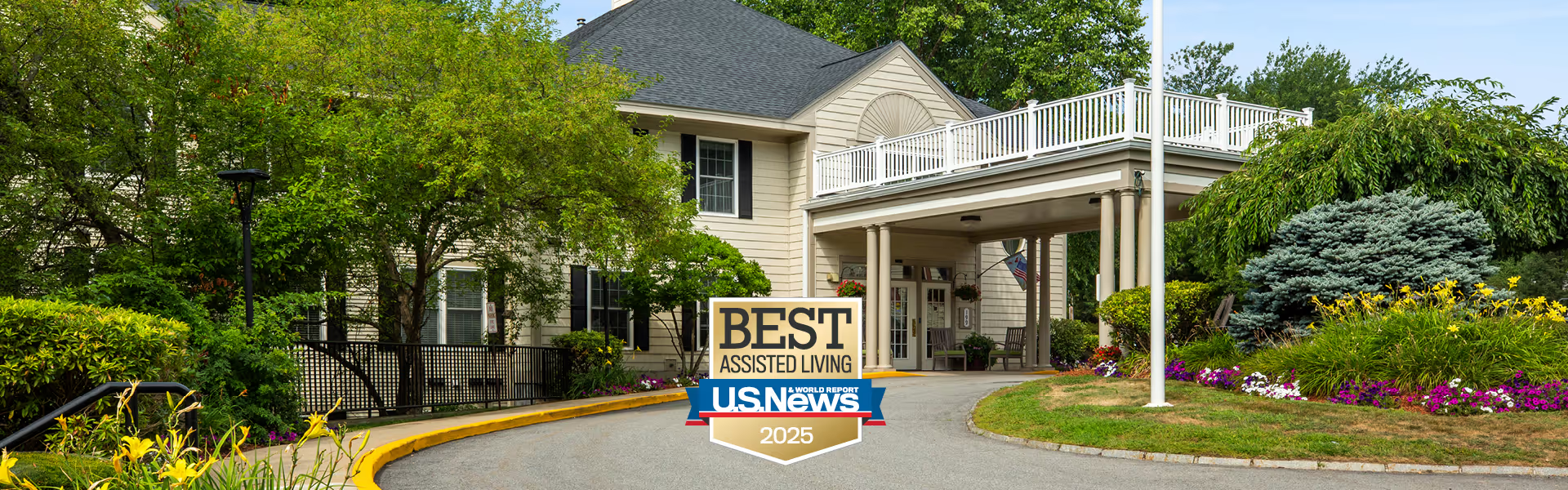
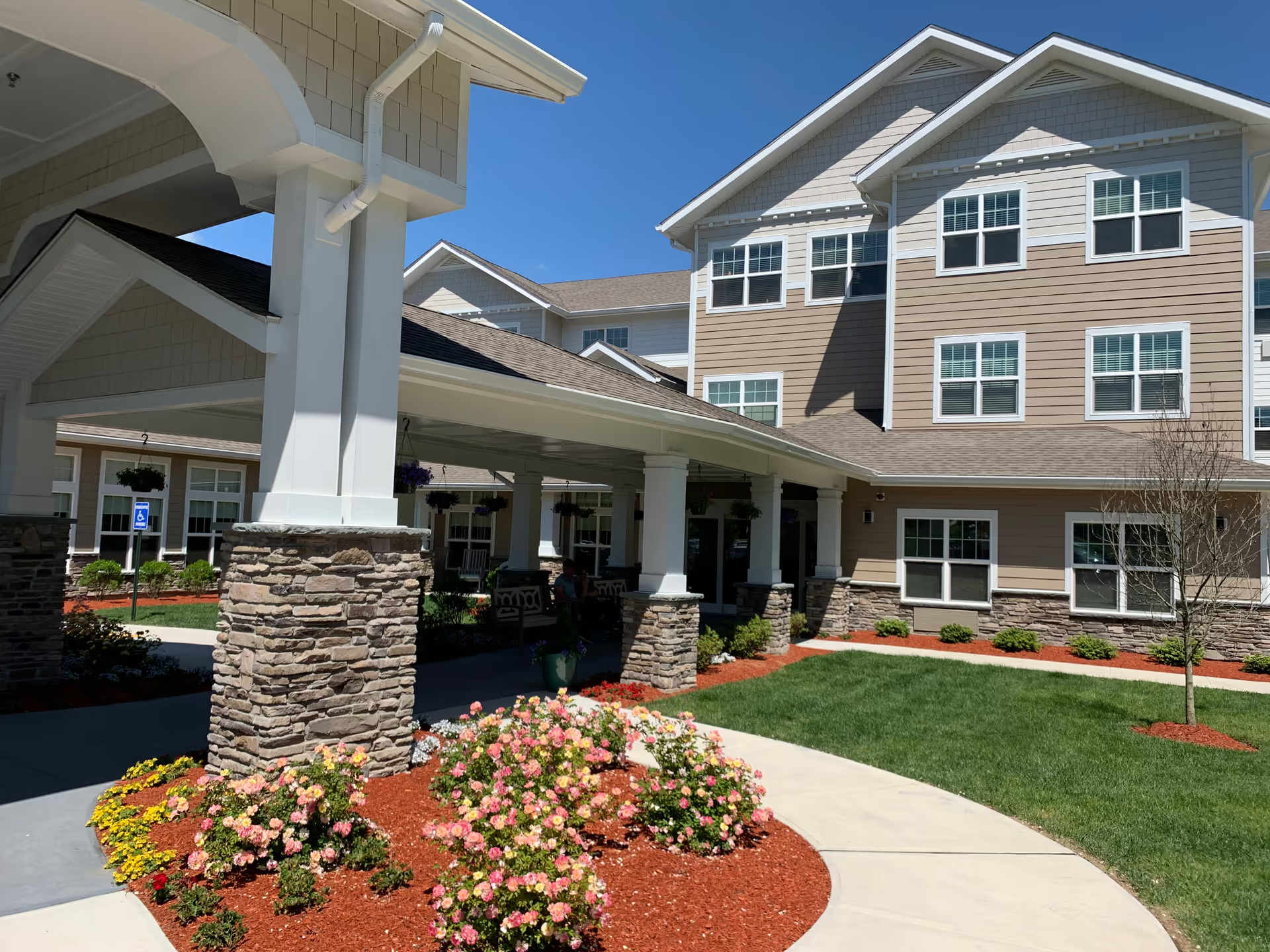
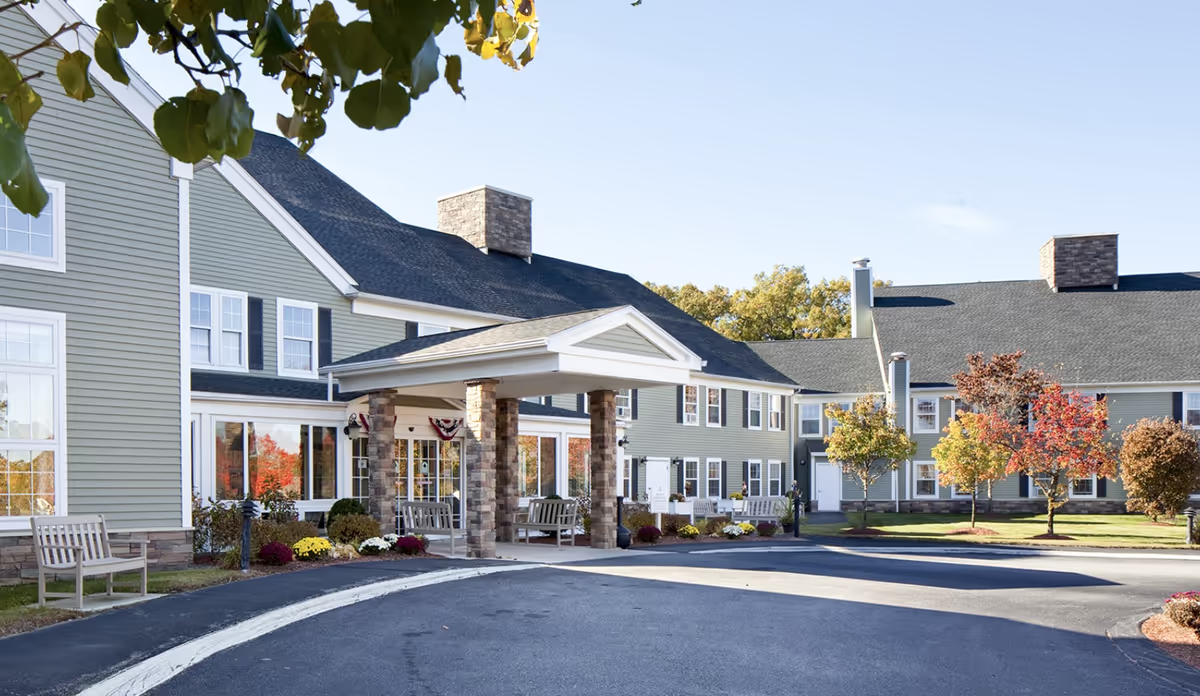
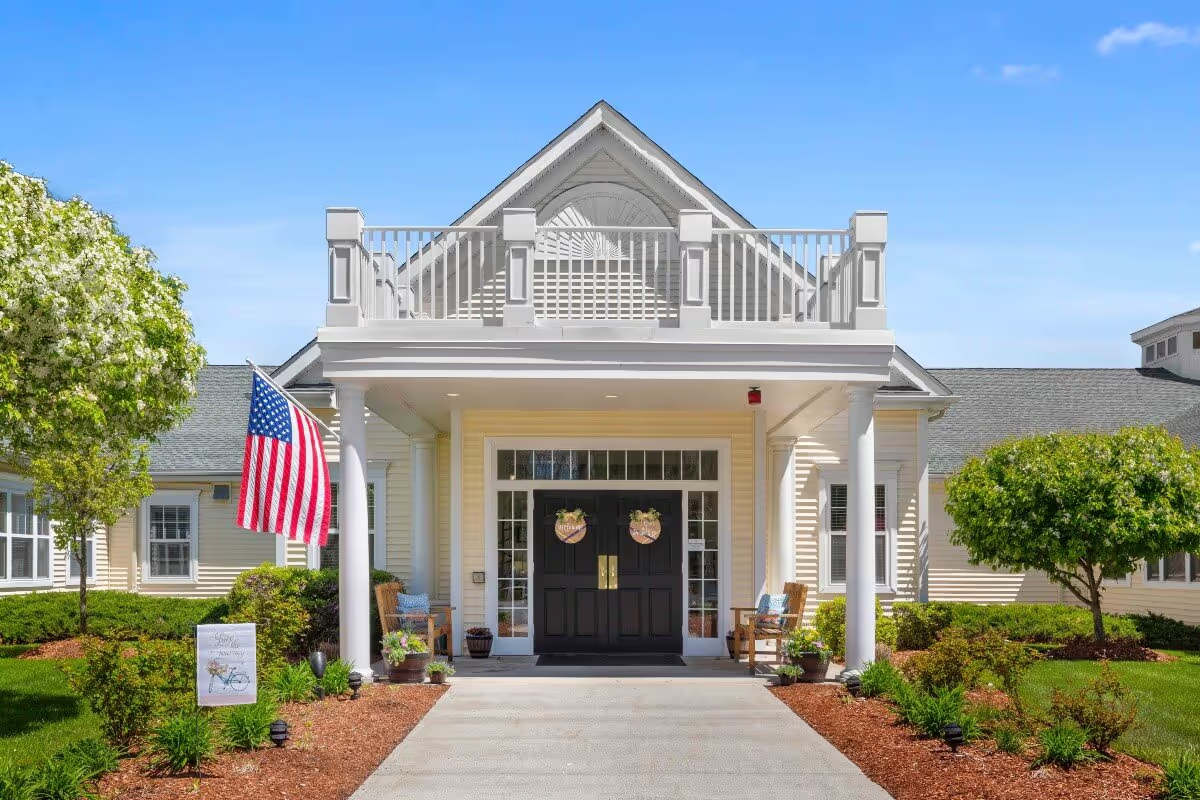
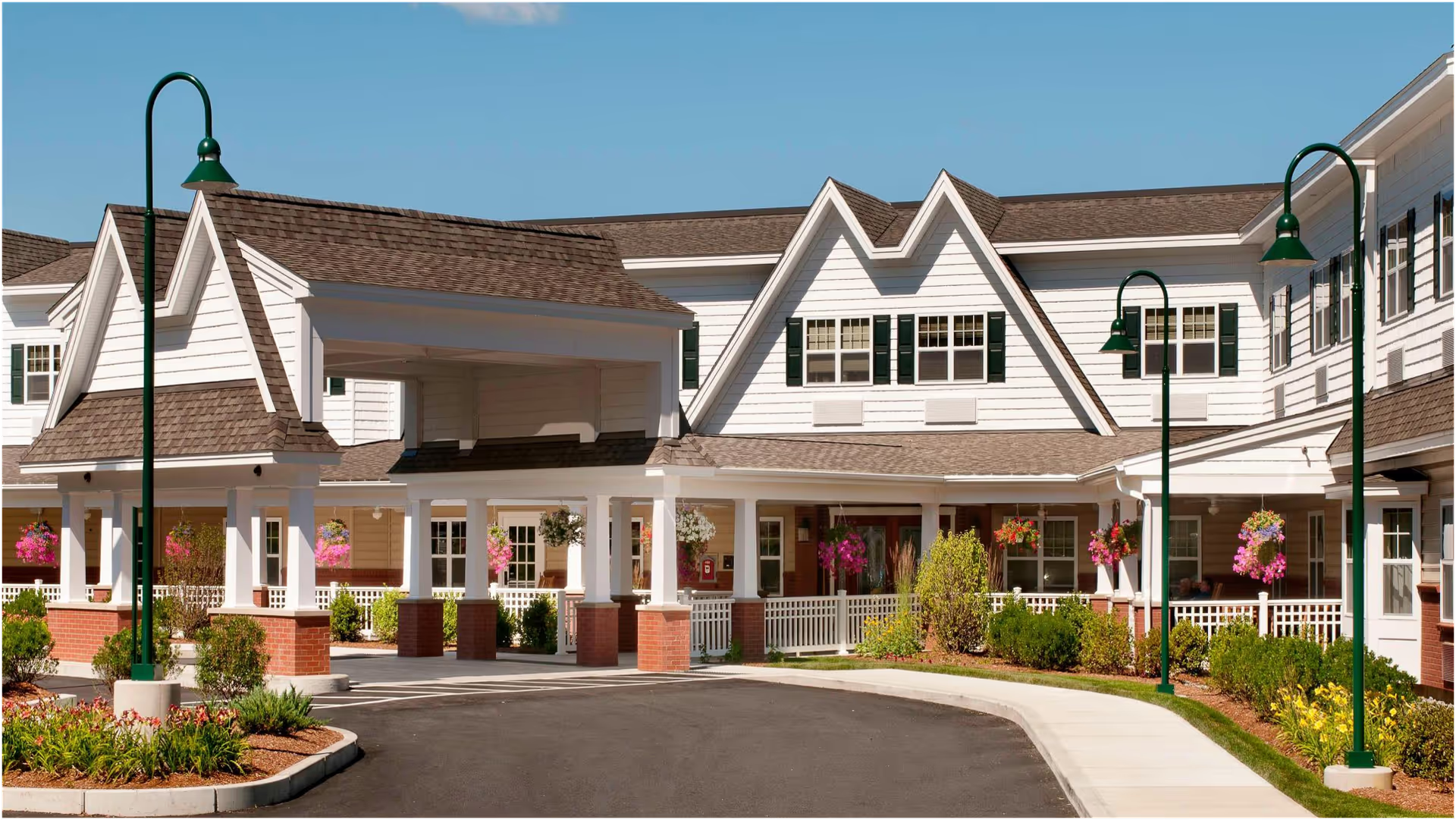
Overall impression: Sunny Acres Legacy Care is frequently described as a small, family-owned facility with a homelike atmosphere, strong skilled-nursing and rehabilitation resources, and a generally clean, well-maintained environment. Many accounts praise the nursing staff, CNAs, and therapy teams for compassion, clinical skill, and successful rehab outcomes. The facility offers a range of apartment sizes (private rooms as well as multi-bedroom options), pleasant common areas, visible infection-control measures, and a program of activities that many families find engaging.
Care quality and staffing: Clinical care is a prominent strength for many families — reviewers consistently highlight attentive nurses, encouraging therapists, and positive physical-therapy results. At the same time, there is a recurring pattern of staffing variability and responsiveness issues. Examples include reports of delayed assistance, differences between night and day staffing performance, and times when staff appear overwhelmed. There are also accounts that point to gaps in clinical monitoring and escalation; a few of those accounts describe serious adverse outcomes tied to delayed recognition or follow-up of clinical change. These reports suggest that clinical oversight and on-shift staffing levels can be uneven and warrant focused questions during a tour.
Dining and activities: The activities program and social environment are frequently praised; reviewers mention an active schedule, hands-on activity staff, special events, and even a resident dog that contributes to a welcoming atmosphere. Food impressions are mixed: many describe homemade-style meals and soups that are enjoyed, while other accounts note variability in meal quality and presentation. Prospective families should ask about current menus, therapeutic diets, and how the kitchen handles substitution or quality concerns.
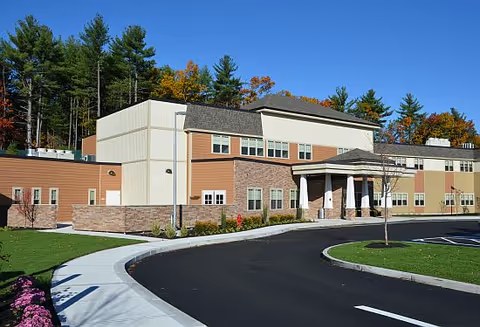
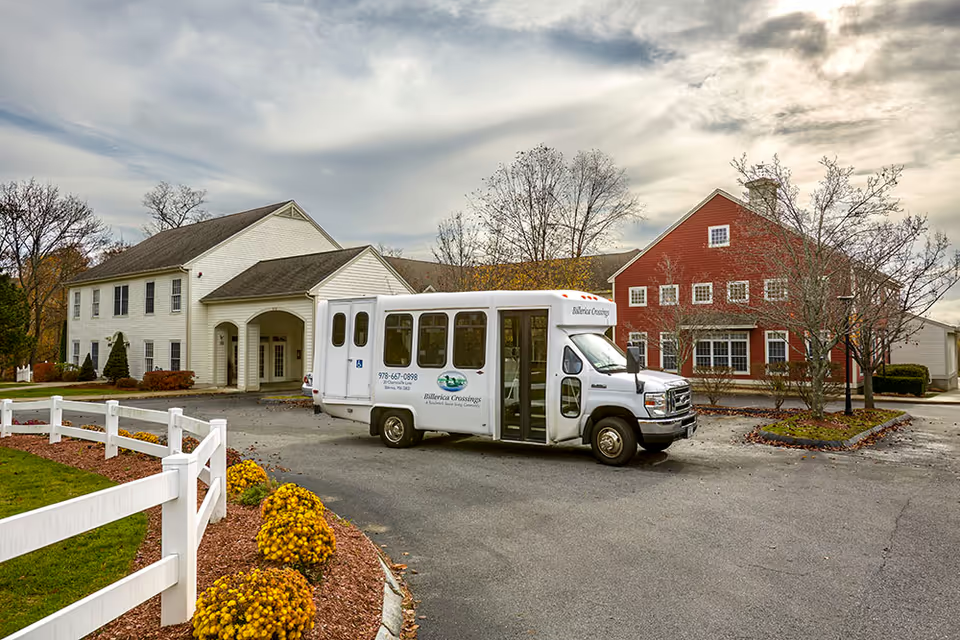
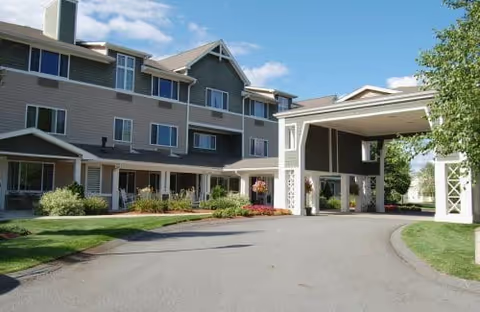
Facilities and accessibility: The physical plant is often described as clean and pleasant with well-kept common areas and therapy spaces. Parking and security receive positive comments, and COVID-related testing/controls were noted positively. However, some rooms and bathrooms are not well suited to post-acute rehabilitation needs — examples include inaccessible bathroom layouts, high shower thresholds, limited handheld shower options, and lighting/control issues. There are also isolated mentions of temperature-control problems in particular wings. Those planning a rehab stay should confirm room accessibility and bathroom design before placement.
Management, communication, and policies: Management style is viewed positively by many who appreciate the family-owned approach and individualized attention. Conversely, a number of operational concerns recur: inconsistent front-desk professionalism and family communication, issues with phone responsiveness, questions about admission selectivity, restrictive visitation practices that limit visits to common areas at times, and perceptions of rushed discharge planning. There are multiple accounts indicating discharge coordination problems and at least some cases where families felt discharge occurred before the resident was ready — this points to a need for careful discharge planning and confirmation of post-discharge supports.
Patterns and recommendations: The dominant pattern is one of high-quality, relationship-driven care delivered in a small, clean setting with strong therapy services and an active activities program. Offsetting strengths are operational inconsistencies that affect the family experience and, in a minority of accounts, clinical follow-through. Prospective residents and families would benefit from an in-person assessment that includes: viewing specific rooms and bathrooms for rehab accessibility, asking about current staffing ratios and night/day differences, inquiring about clinical escalation protocols, reviewing sample menus and therapy schedules, and clarifying visitation and discharge-planning practices. Doing so will help determine whether Sunny Acres’ evident strengths align with an individual resident’s clinical and social needs.