Reviews describe Craneville Place of Dalton primarily as a supportive setting for both short-term rehabilitation and long-term care. Residents and families frequently praise the kindness, professionalism, and attentiveness of nurses, aides, therapists, and other staff. Rehabilitation is a consistent strength: several people describe regaining strength and returning home, and families value therapy that is tailored to a resident’s needs. Reviewers also mention helpful social work and leadership support during admissions, care transitions, and discharge planning.
Families commonly describe staff as welcoming and reassuring, and some report feeling included and kept informed. Activities have included bingo, religious services, community performances, sing-alongs, celebrations, and time outdoors, with opportunities for residents to socialize and take part in planning. One long-term resident was described as participating in the Resident Council and helping advocate for others. Reviewers also describe staff making thoughtful accommodations for family visits and gatherings.
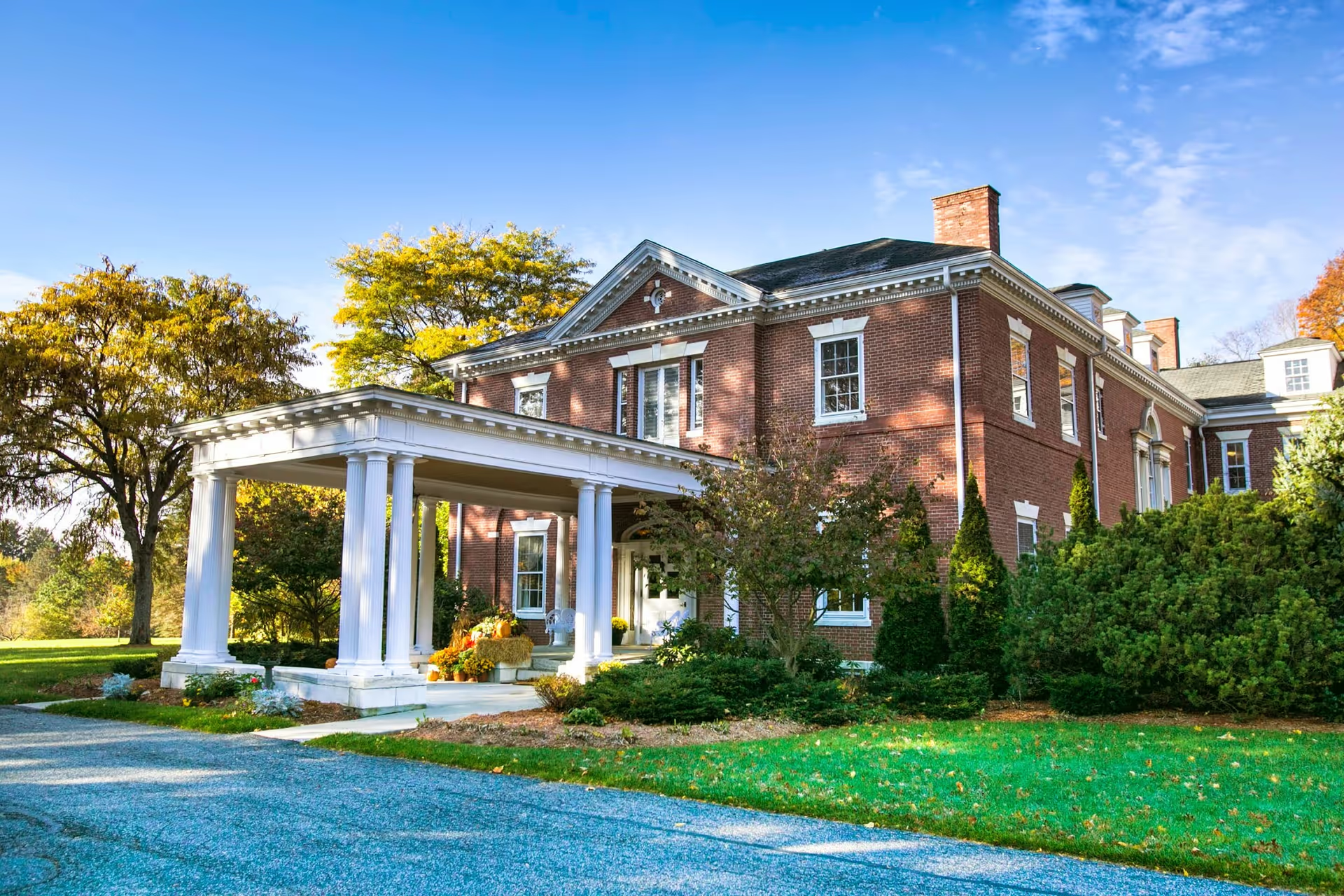
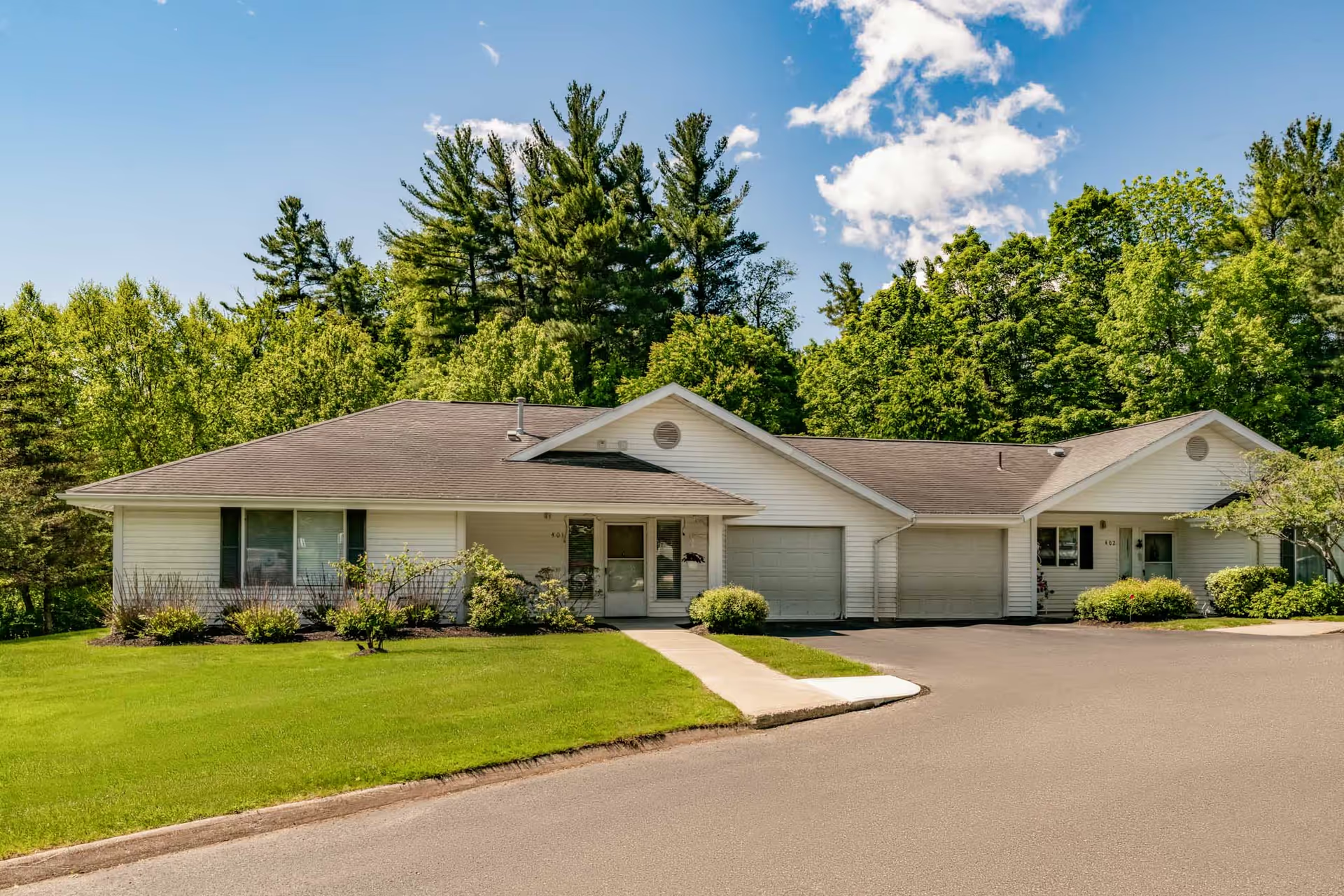
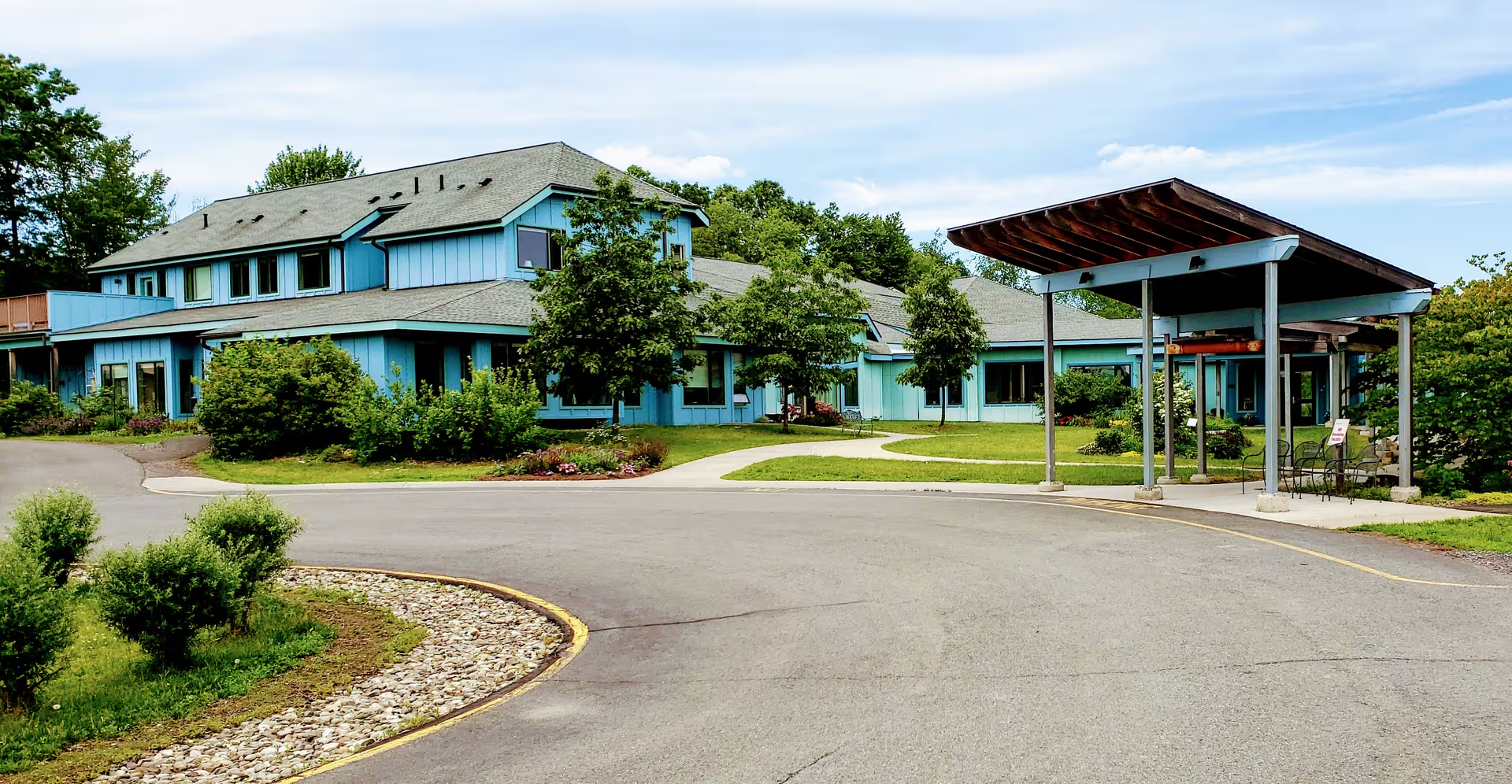
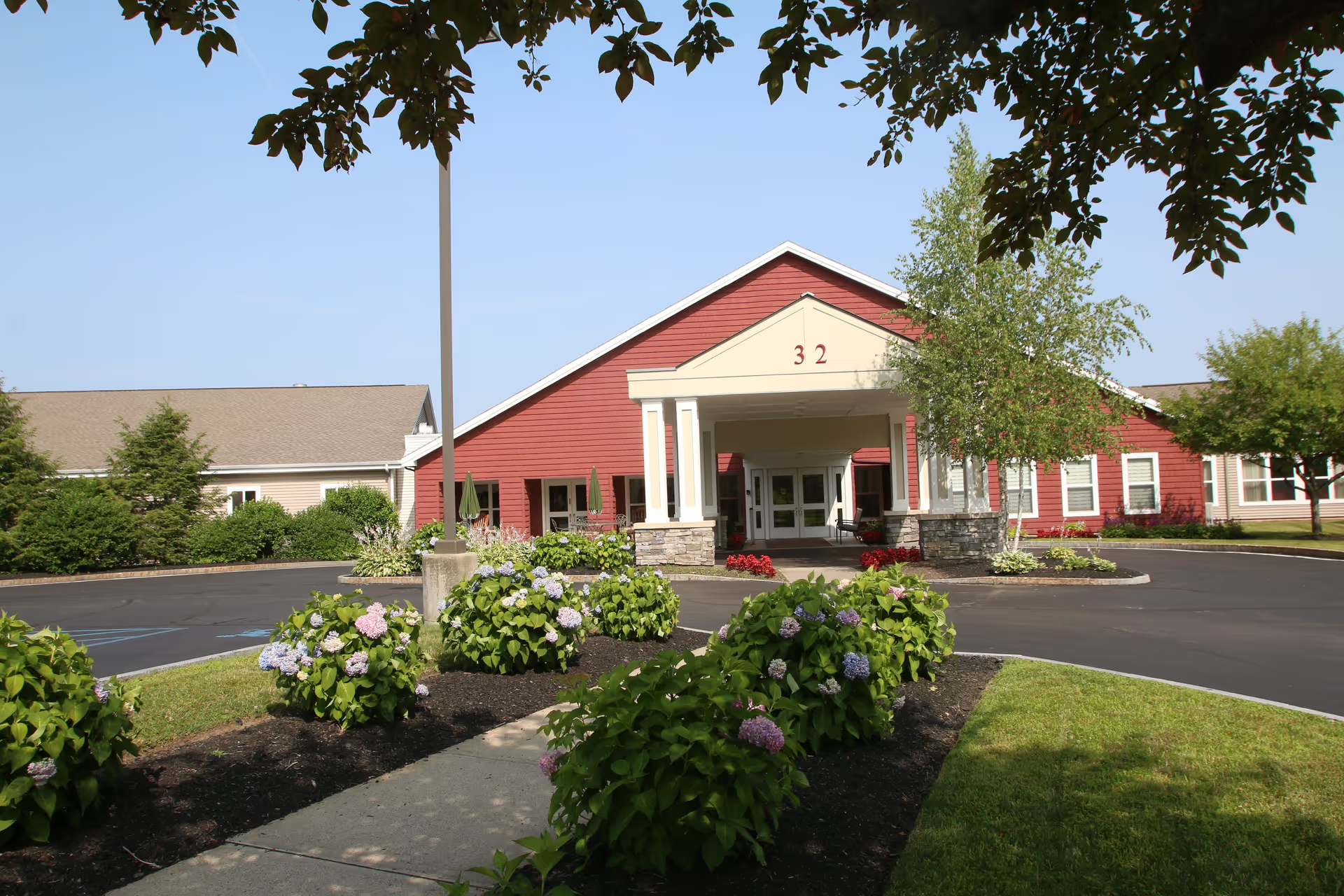
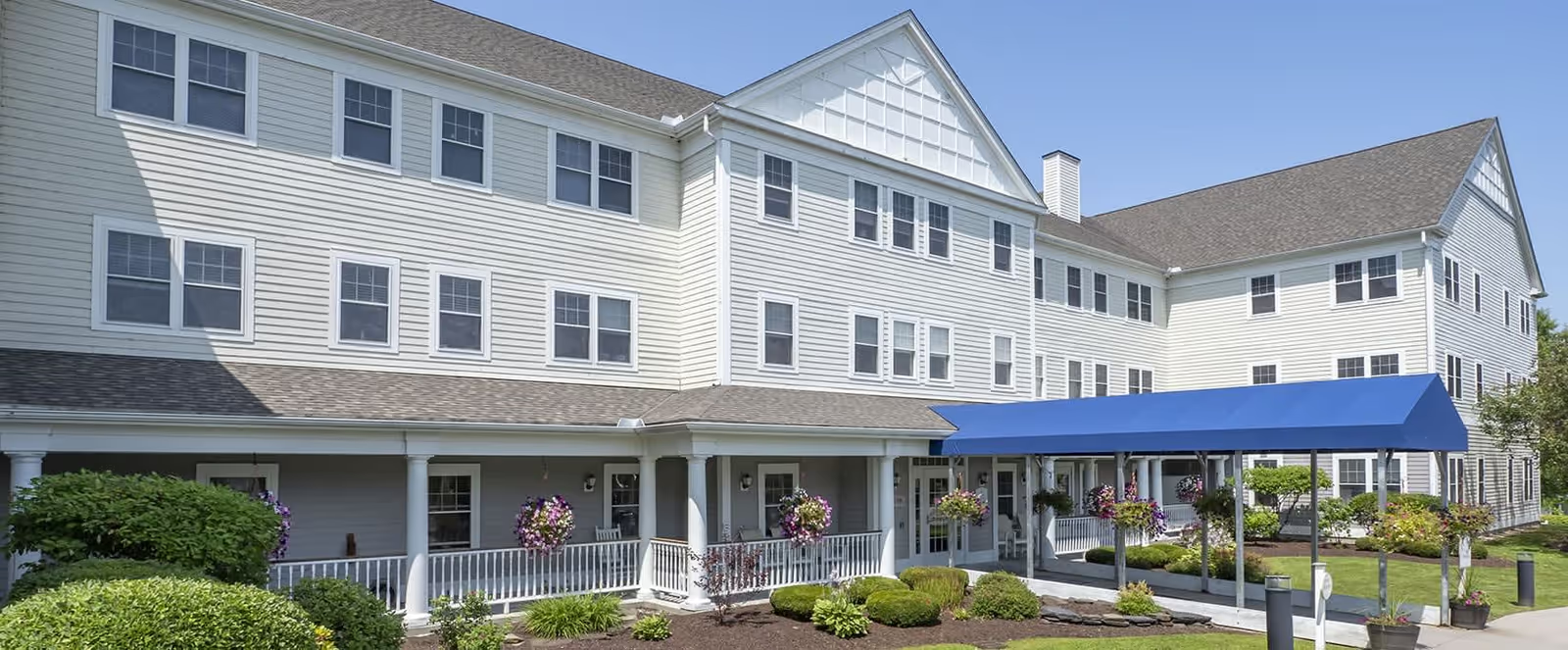
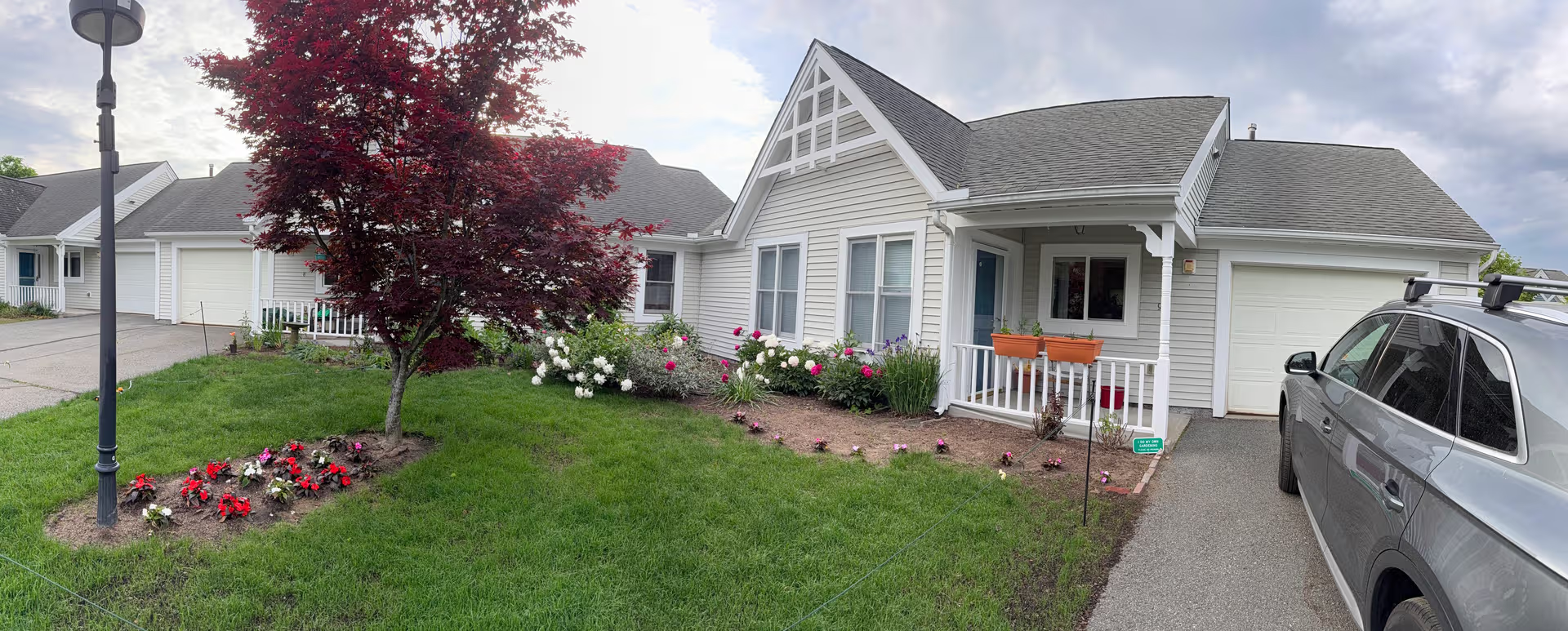
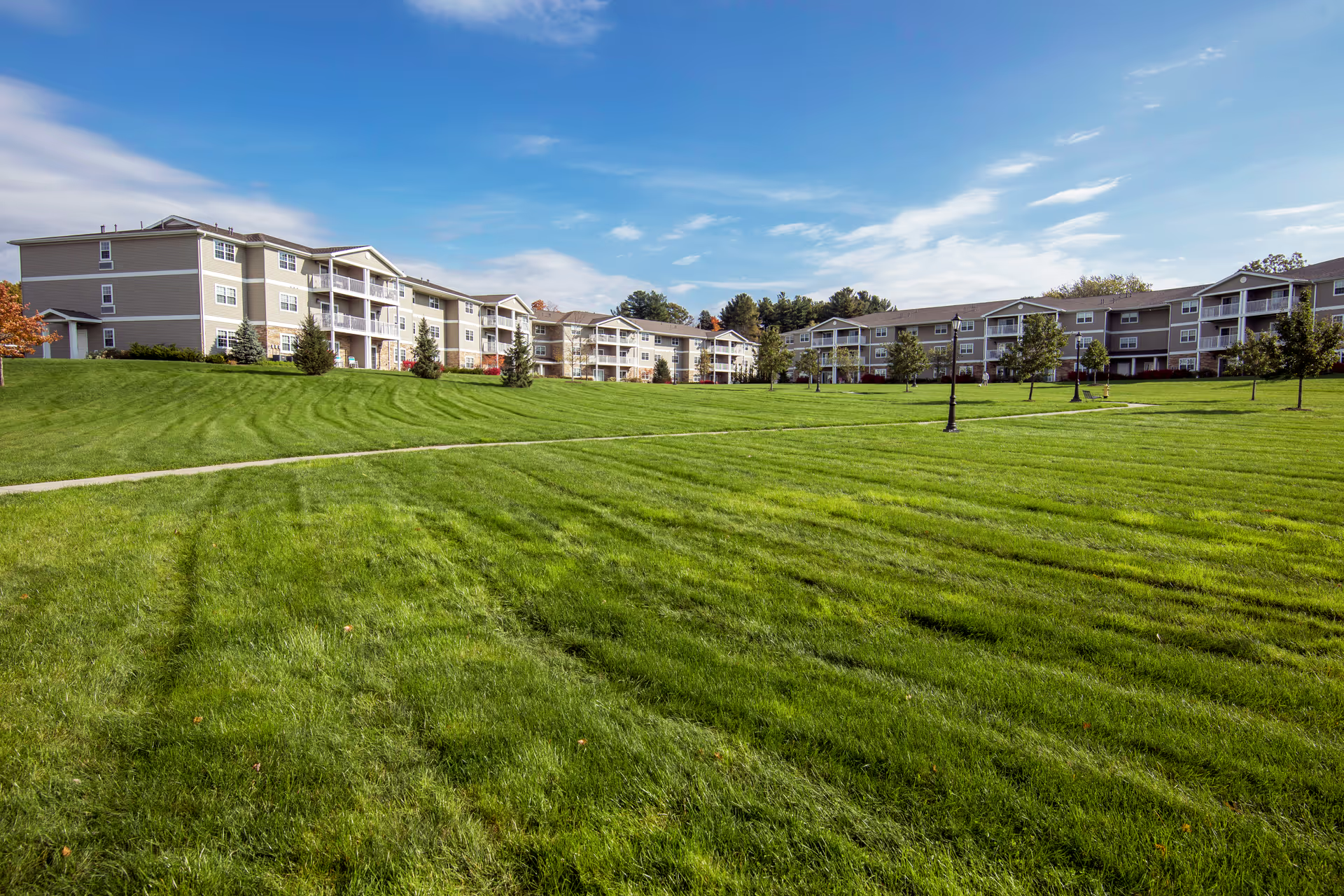
Comments about the physical environment are mixed but generally include positive observations about cleanliness and maintenance. One family praised a spacious private room, while another found rooms small and awkwardly arranged. That reviewer also noted that the elevator appeared to serve both residents and food or laundry carts. Dining receives little direct evaluation: families mention sharing holiday meals and describe meal-delivery staff positively, but the reviews provide limited information about menu variety or food quality.
The overall pattern is strongly positive, but it is not uniform. One family raised serious concerns about a therapy-related fall, lack of notification and documentation, bathing and repositioning support, subsequent skin breakdown, and discharge and payment communication. Another reviewer was unable to obtain assistance with information about a resident during a late-night call. These accounts point to potential weaknesses in care routines, incident communication, and after-hours access, but they contrast with many accounts of attentive care and effective family support. Prospective residents and families may wish to ask about personal-care schedules, incident-notification procedures, after-hours contacts, room configurations, and discharge arrangements.