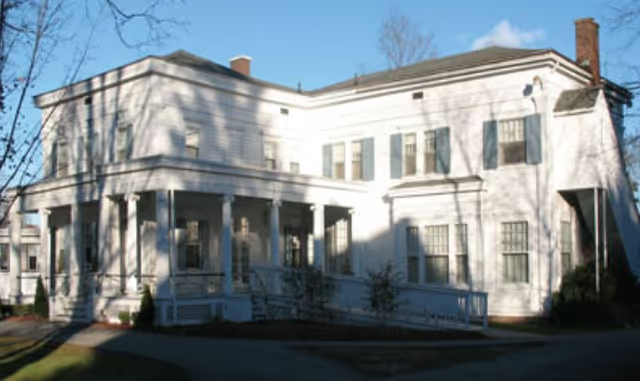
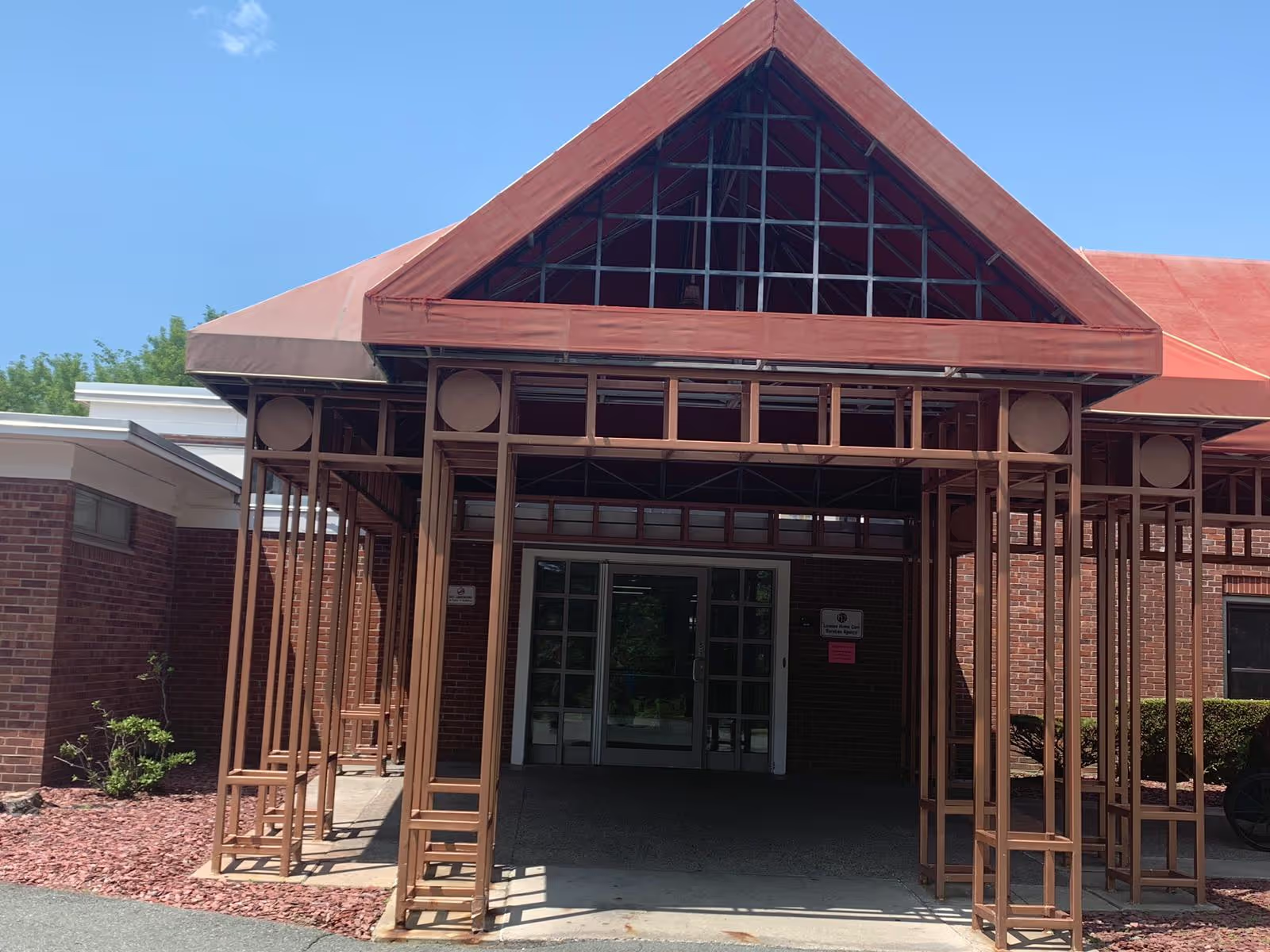
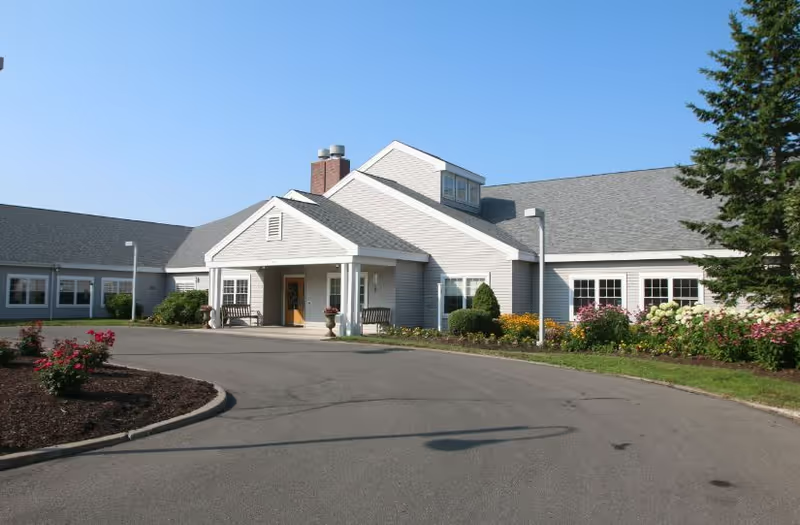
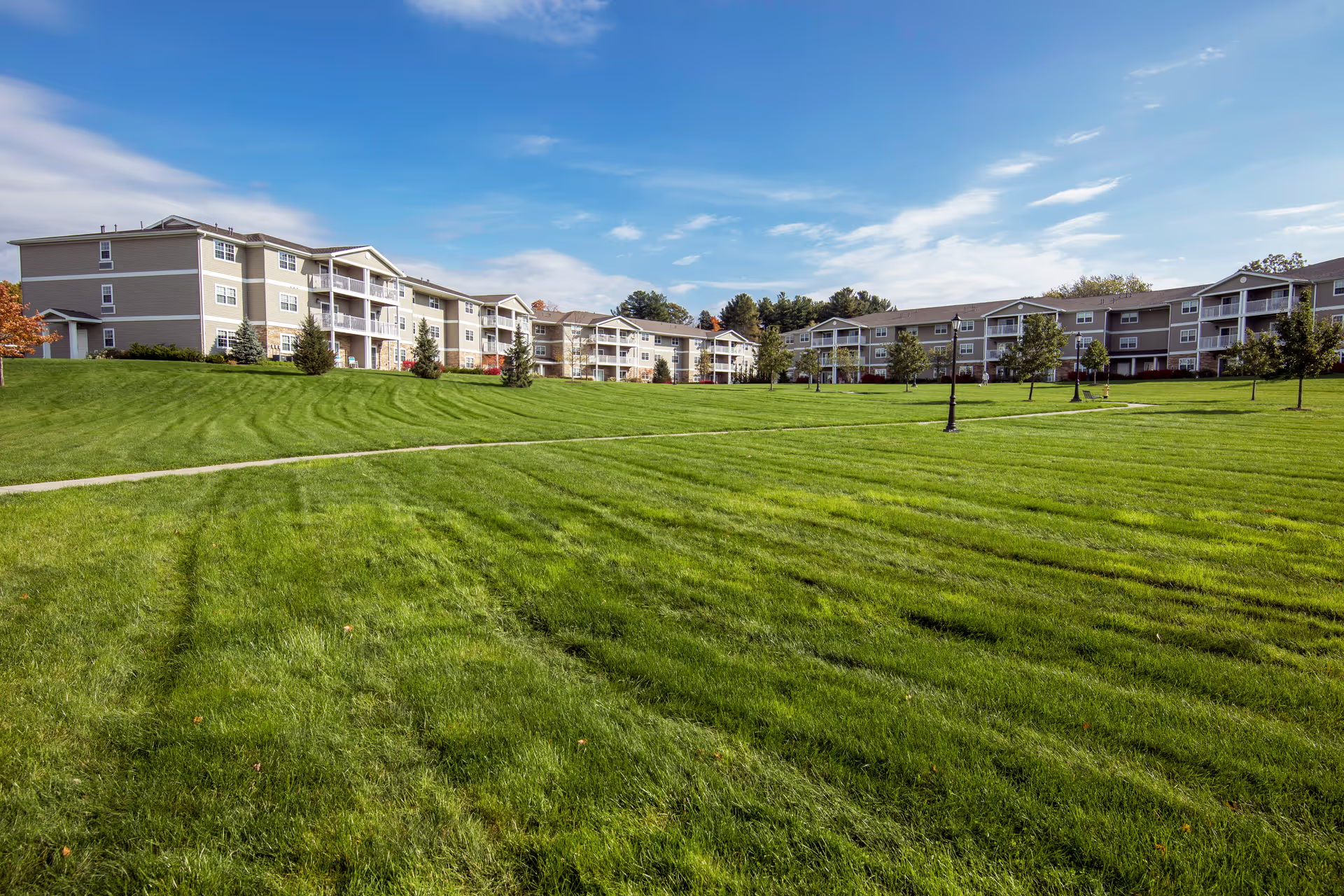
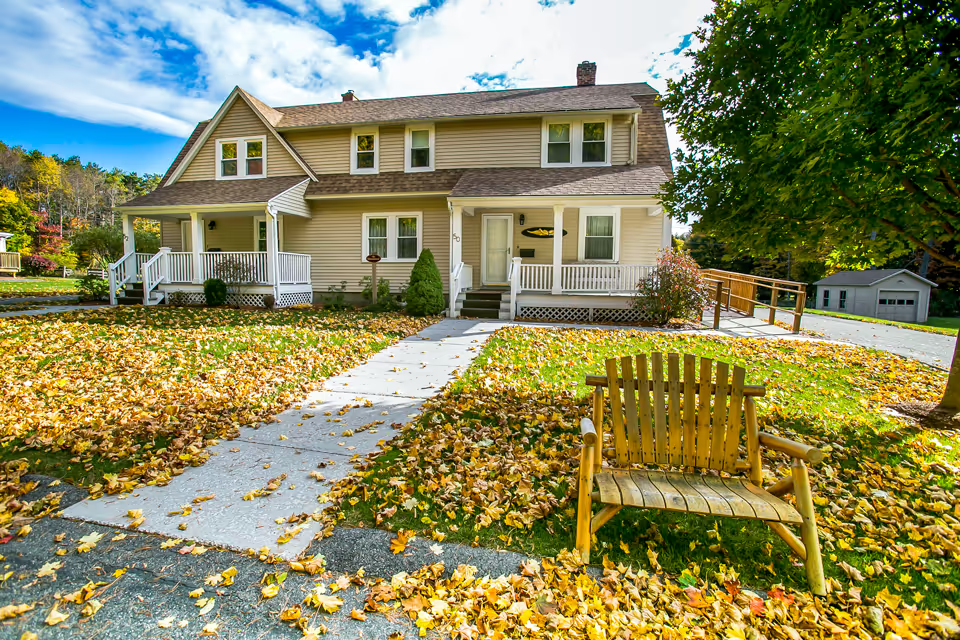
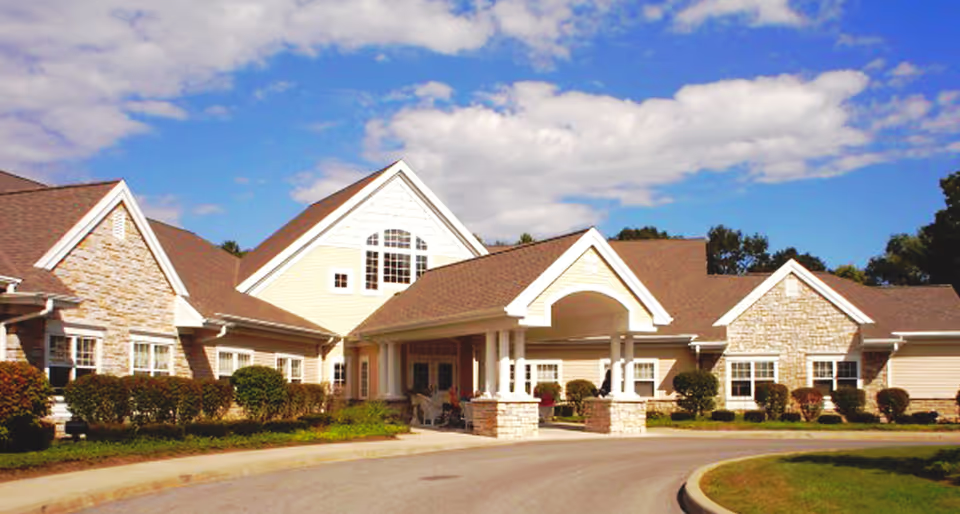
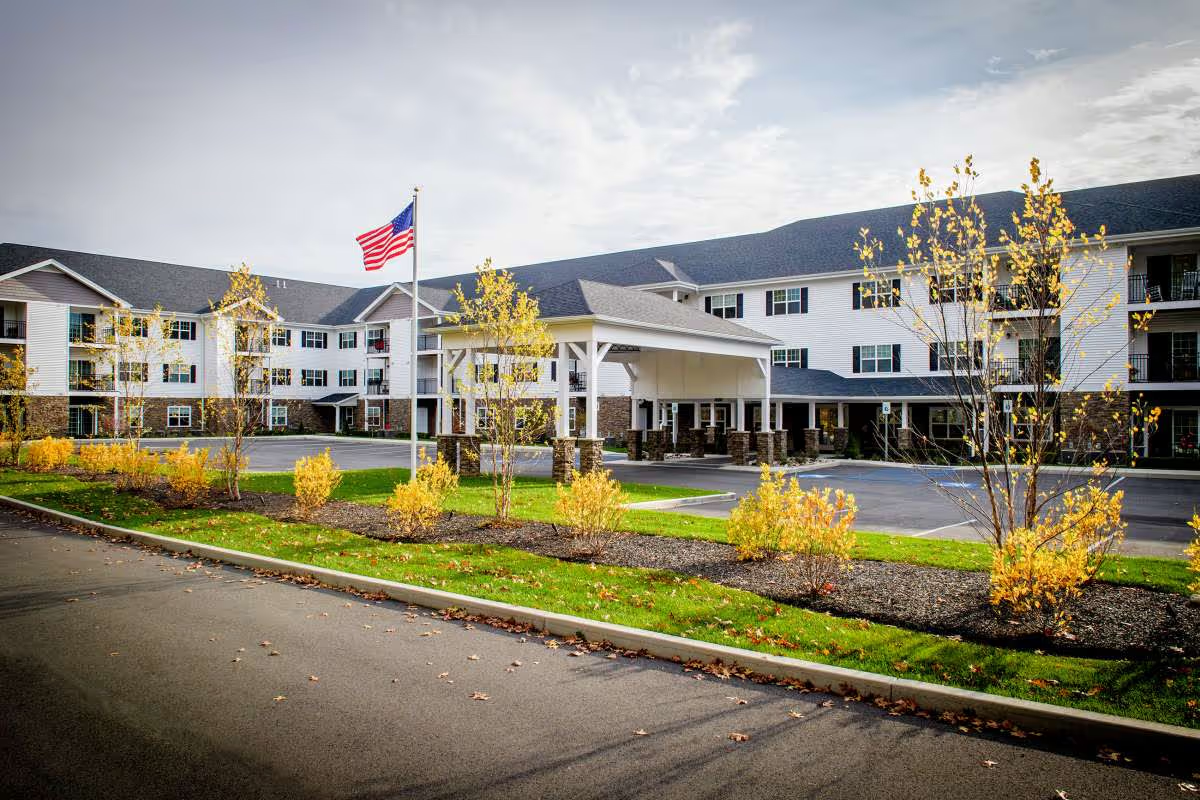
Overall impression: Brookdale Fillmore Pond presents as an attractive, well-kept community with consistently positive remarks about its physical environment and many front-line staff. Reviewers frequently highlight pleasant grounds, bright interiors, comfortable apartments (including some units with full kitchens and laundry hookups), and easy access to outdoor space. For families seeking a community with visible cleanliness, a pastoral setting, and accessible parking, the facility is often described favorably.
Care and staff: The dominant theme across reviews is that staff are caring, polite, and helpful; numerous accounts describe attentive, compassionate employees who aided transitions and engaged residents. Medication-management received positive comments in several accounts. At the same time, there are operational concerns about clinical staffing depth and licensure: reviewers reported variable presence of licensed nurses and uneven caregiver skill levels. This translates into an operational risk of inconsistent care responsiveness and some families perceiving limitations in clinical oversight, particularly for residents with advancing needs.
Dining: Dining is generally viewed as a strength, with many reviewers noting better-than-expected food quality, a variety of lunch/dinner choices, and accommodating meal service. That said, there are recurring notes about inconsistent meal nutrition and seasoning, and isolated comments about portion size. Prospective residents should consider dietary needs and, if important, sample meals and discuss menu planning and special-diet accommodations during the tour.
Activities and social programming: The community offers a range of group activities—exercise classes, music sessions, games, and social programs—and some reviewers praised active calendars and resident engagement. However, several reviewers described a mismatch between advertised events and delivery, limited personalization of activities, and minimal one-on-one engagement for residents who need more social stimulation. For individuals who require highly individualized programming or a robust memory-care social model, activity fit should be discussed specifically with staff.
Facilities and memory care: Facility-level strengths include bright, well-maintained common areas and a tidy, non-institutional aesthetic. Memory care is available, but there are mixed impressions: while some families found the memory unit appropriate, others cited odor concerns in that area and felt it was not the right social fit for residents with particular needs. Prospective residents with memory-care requirements should arrange a focused tour of that unit and ask about sanitation protocols, staffing ratios, and daily engagement routines.
Management, communication, and continuity: Admissions and customer-relations staff often receive positive feedback for responsiveness and smooth move-ins. Conversely, some reviewers described inconsistent follow-up from management, concerns about administrative responsiveness, and anxiety about a pending or recent merger creating uncertainty about continuity and funding. These operational and communication inconsistencies are not universal but are notable patterns to probe during decision-making: ask for written communication protocols, escalation pathways, and details about staff licensure and post-merger plans.
Notable patterns and guidance: Brookdale Fillmore Pond tends to score well on environment, general hospitality, and food, with many families expressing overall satisfaction and willingness to recommend. The main operational caveats are variability in clinical staffing/licensure, occasional cleanliness/odor concerns in memory care, and inconsistent activity personalization and management follow-up. Families should prioritize an in-person visit that includes sampling meals, touring the memory unit, reviewing staffing rosters and licensure, and clarifying activity schedules and communication expectations before committing.