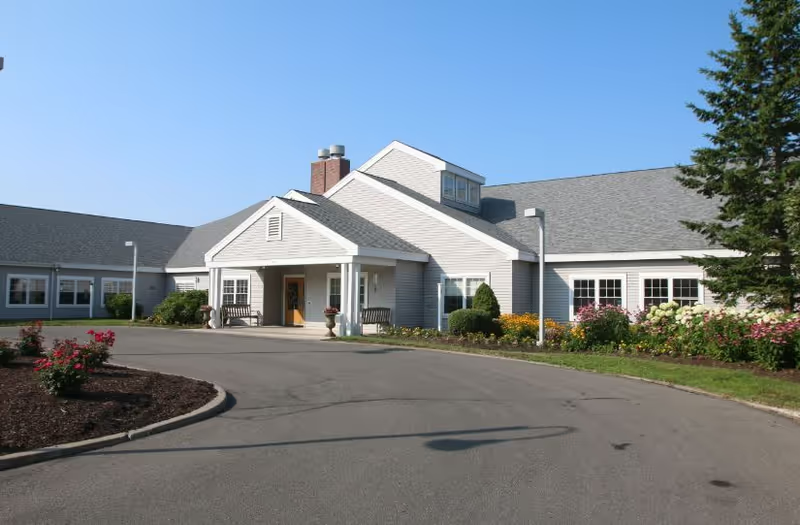
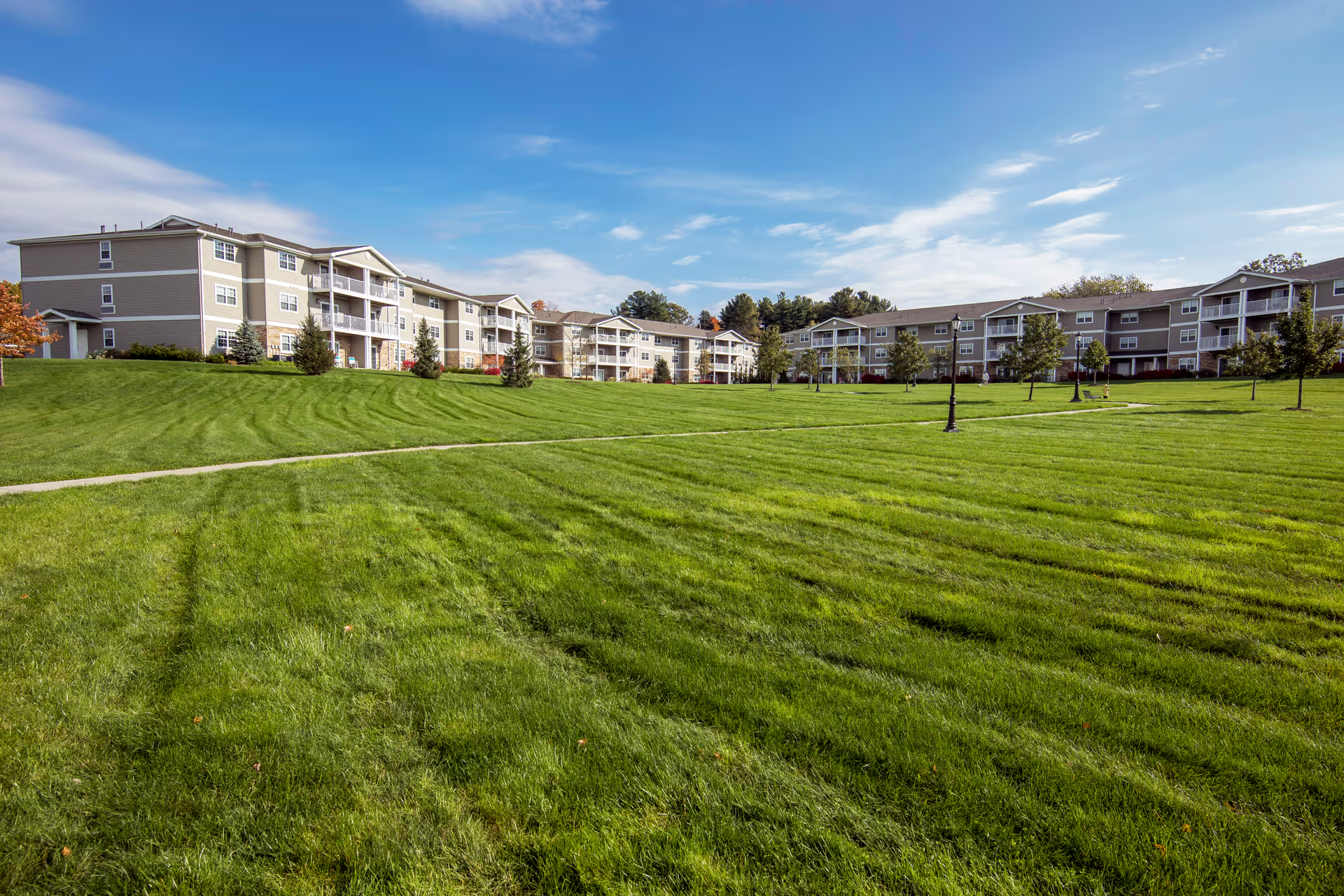
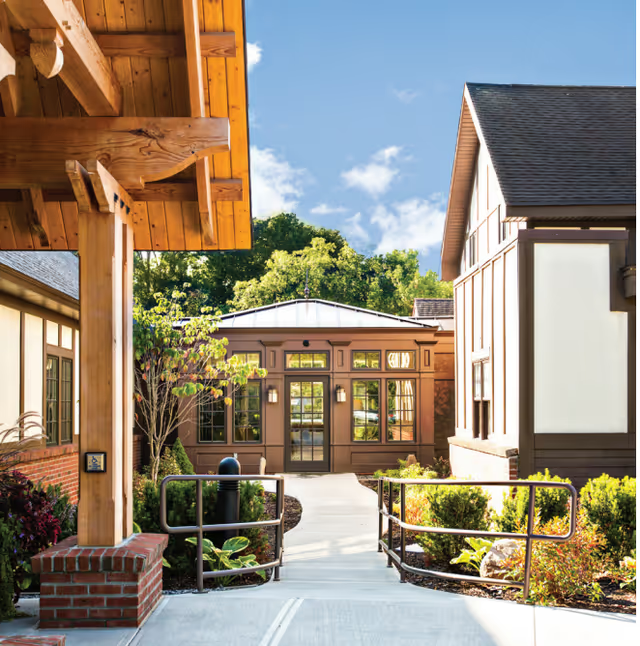
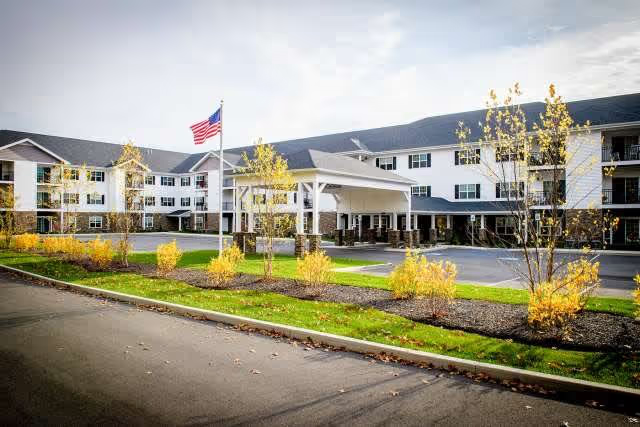
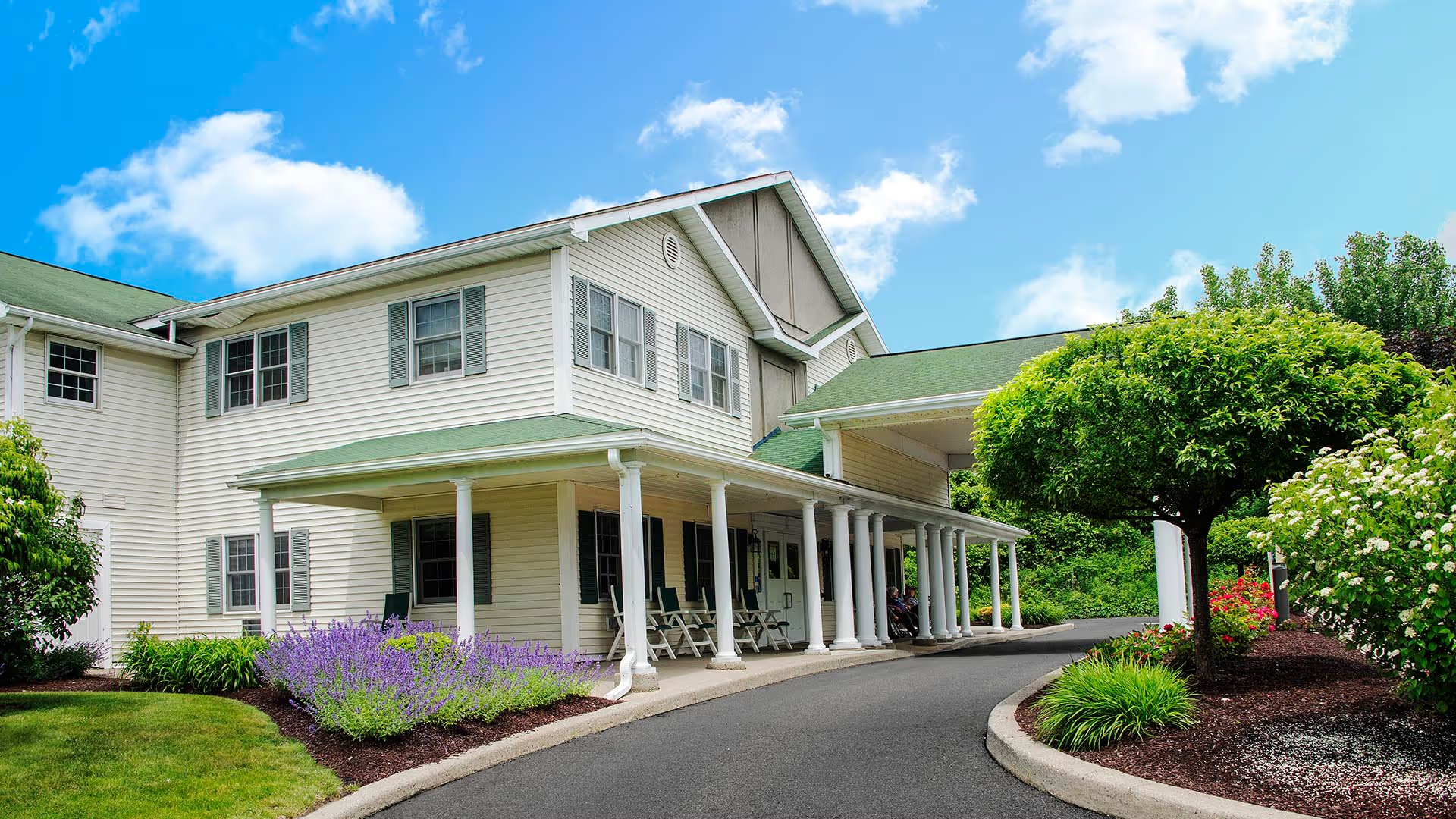
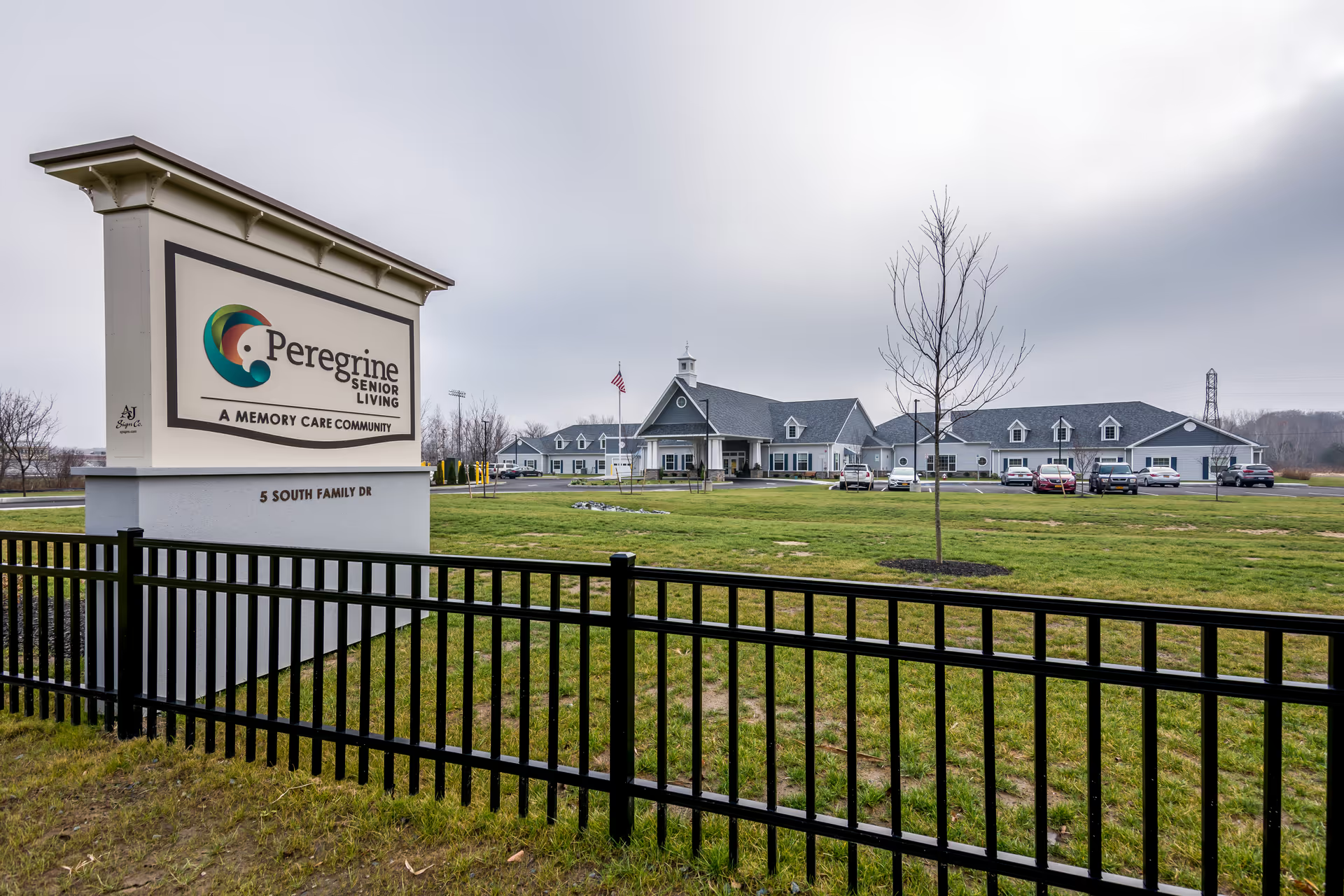
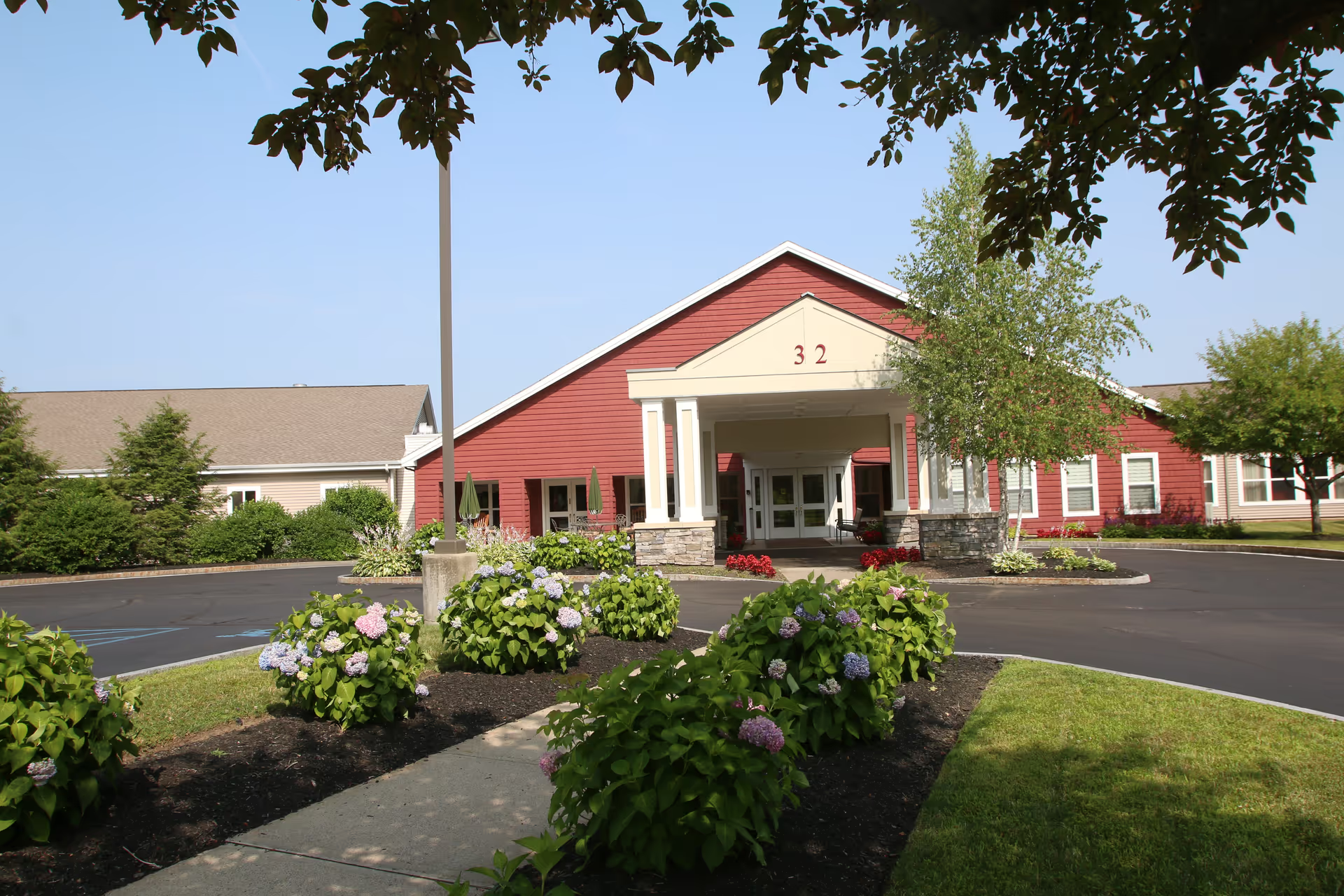
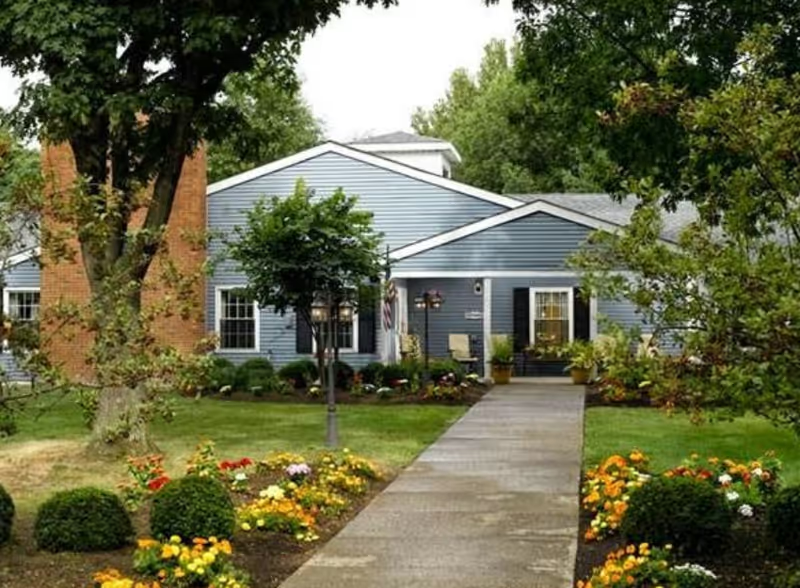
The reviews describe a facility with a notable caregiving culture and active efforts at improvement, alongside persistent operational weaknesses. Many families and visitors praised individual staff members, the admissions team, and visible administrative leadership; these strengths are credited with creating a warm, family-like atmosphere and making transitions smoother for residents. Several accounts highlight positive clinical oversight by nursing staff and cases where staff provided attentive, compassionate care. The community also offers engaging activities, occasional special events, outdoor grounds, and areas that have been newly renovated or are in the process of renovation.
At the same time, there are recurring concerns about core operational consistency. Staffing levels and on-shift supervision are described as uneven, and reviewers identified gaps in clinical training and medication-management controls that were associated with acute-care transfers and other adverse outcomes. Related issues include inconsistent personal-care delivery (for example, bathing schedules) and lapses in monitoring and alarm response. High staff turnover and distractions on shift (such as staff device use) were cited as factors that undermine consistent care.
Dining and activity programs show mixed performance. Some families praised meal quality and staff who go above and beyond, but others described inconsistent food quality, delayed or incomplete meal service, and inadequate portioning. Activity programming receives positive comments for special events and engagement, yet several reviewers noted an under-resourced activities budget that limits frequency and variety.
Facility condition and housekeeping were another mixed area. While parts of the building have been refreshed and some reviewers described the facility as clean and well maintained, others described sanitation and odor concerns in resident rooms and common areas, stained carpeting and unclean window treatments, plumbing and temperature-control issues, shared bathroom configurations, and evidence of pest-control issues in some units. These maintenance and cleanliness matters were raised as ongoing operational items rather than isolated incidents.
Management and communication show a trend of recent improvement but with outstanding governance questions. Multiple reviewers credited new leadership with tangible improvements to care quality, staff morale, and renovation progress. At the same time, there are concerns about inconsistent front-desk coverage, delays in administrative responsiveness, and limited transparency around certain financial and administrative matters. Prospective families expressed appreciation for admissions staff who provide clear information and support, while also advising caution and verification on administrative and financial practices.
In summary, Eliot at Troy presents as a community with genuine caregiving strengths and active efforts to improve clinical and environmental conditions. Those considering the facility should weigh the positive culture, responsive admissions process, visible leadership, and engagement opportunities against documented operational challenges: inconsistent staffing and supervision, medication-management and clinical-training gaps, variable dining consistency, cleanliness and maintenance shortfalls, and questions about administrative transparency. A recommended approach for prospective residents and families is an in-person tour that assesses staffing ratios on the units of interest, reviews medication-safety protocols, inspects room and bathroom condition, asks about pest-control and housekeeping schedules, requests recent improvement metrics, and confirms financial documentation and communication policies.