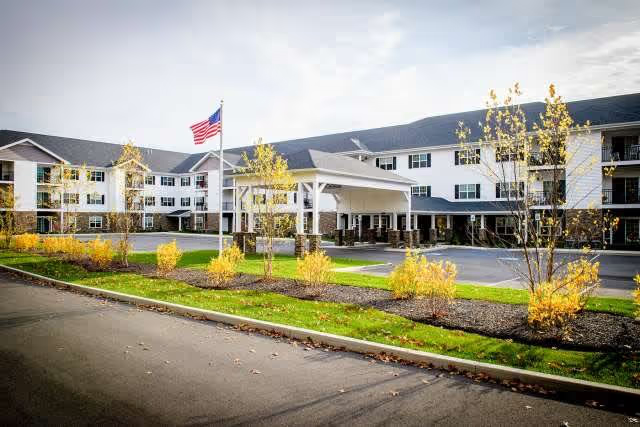
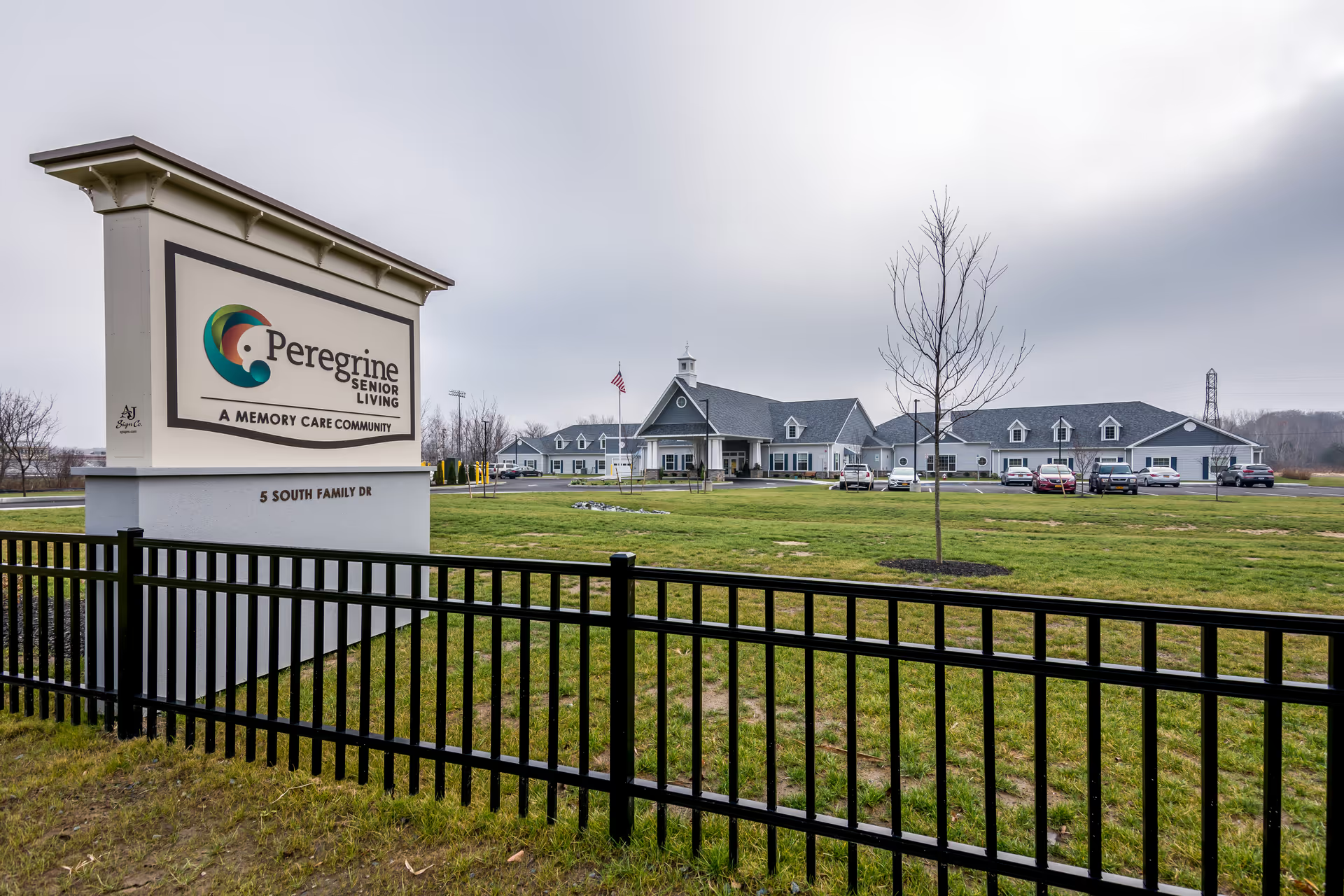
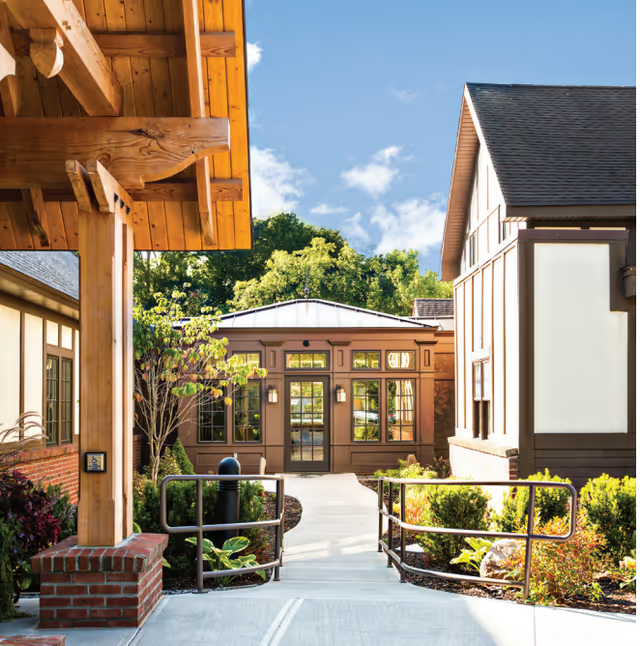
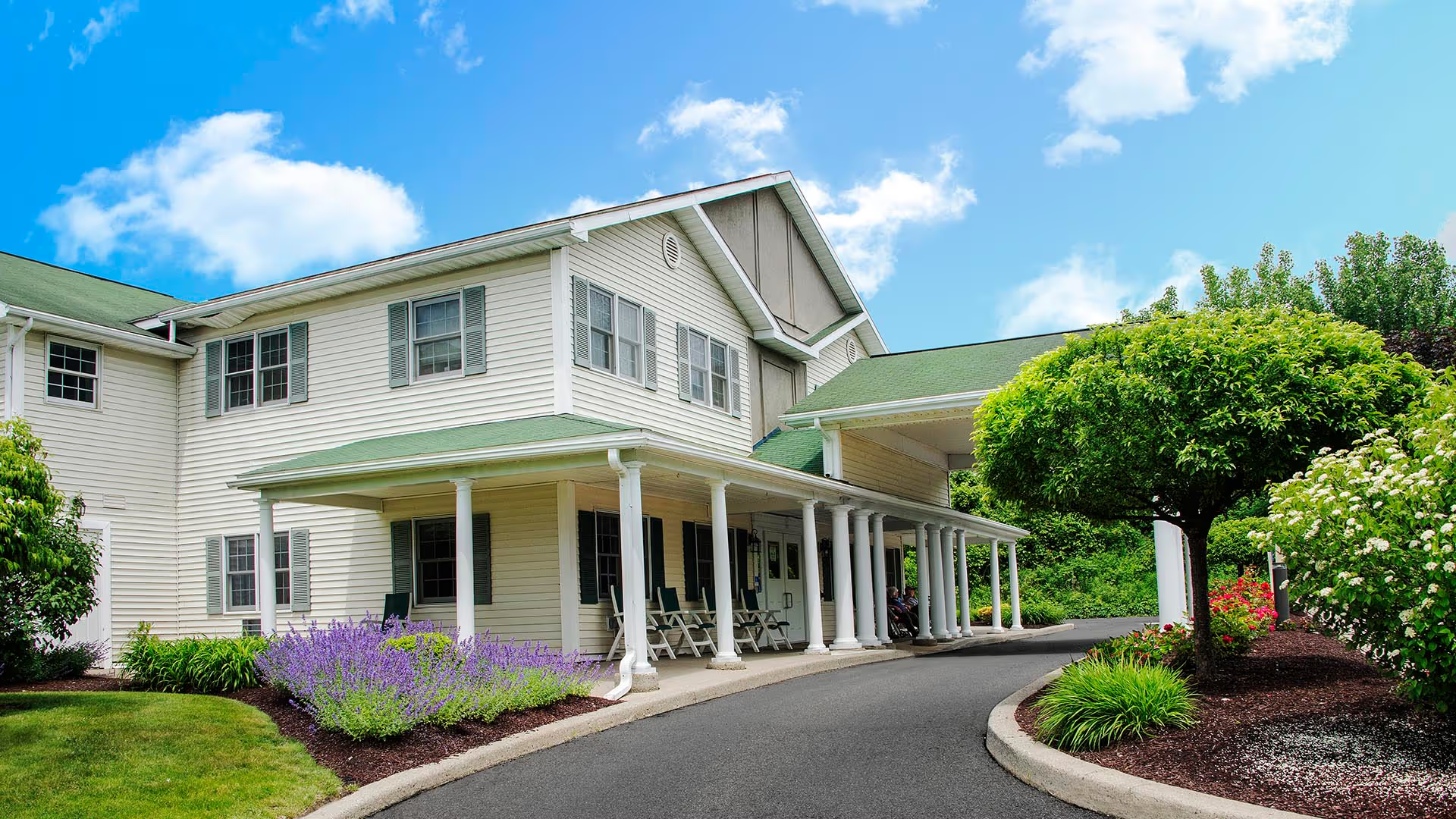
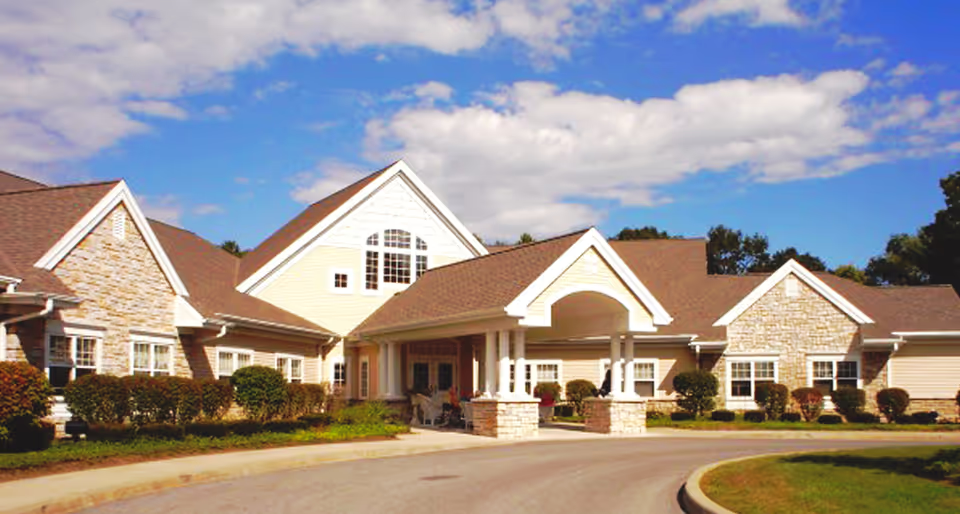
Marjorie Doyle Rockwell Center is frequently described as a well-run, home-like memory-care community with strengths in staffing, cleanliness, and facility design. Families consistently highlight compassionate, attentive staff across clinical and support roles, including nursing, housekeeping, food service, maintenance, and front-desk personnel. The facility's three-house design with separate pods, on-site kitchens, living rooms and outdoor patios is viewed as residential rather than institutional and supports a strong sense of community for residents.
Care quality is portrayed as a central strength. Reviewers report specialized dementia training, individualized attention, and proactive clinical oversight that address physical, mental and spiritual needs. High staff presence and responsive family communication are repeatedly noted; families describe being kept informed about status changes and infection-control measures. The community also emphasizes strong COVID-19 protocols and general infection prevention, which contributed to a sense of safety and peace of mind.
Dining and activity programming receive mixed but generally positive feedback. Many reviewers praise well-prepared meals, visitor meal availability, and a packed activity calendar with outings and dementia-specific programming that supports resident engagement and mood. However, there is variability in meal quality and in activity-program strength noted by some families, indicating opportunities to standardize or broaden menu options and program content to meet diverse preferences.
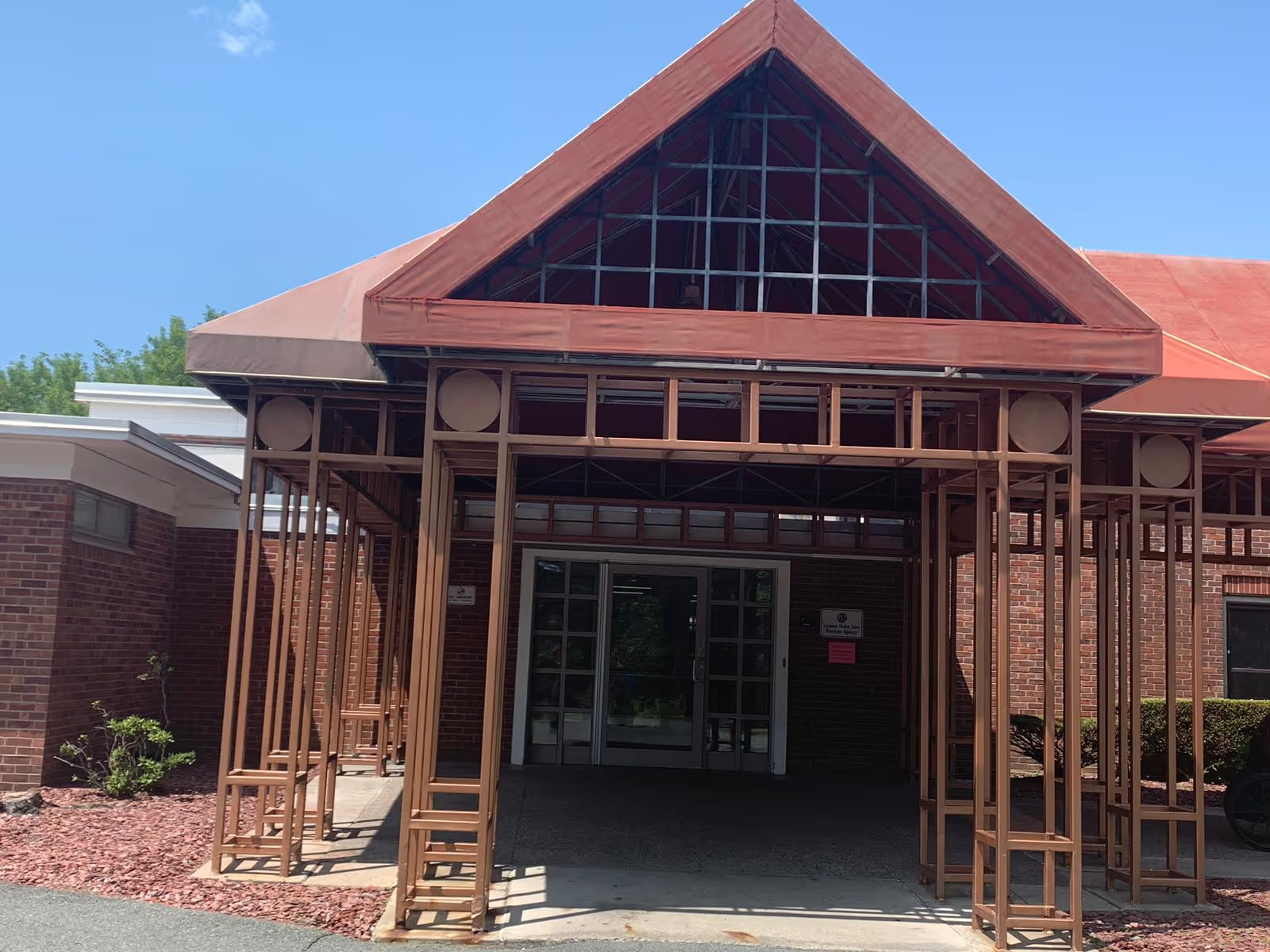
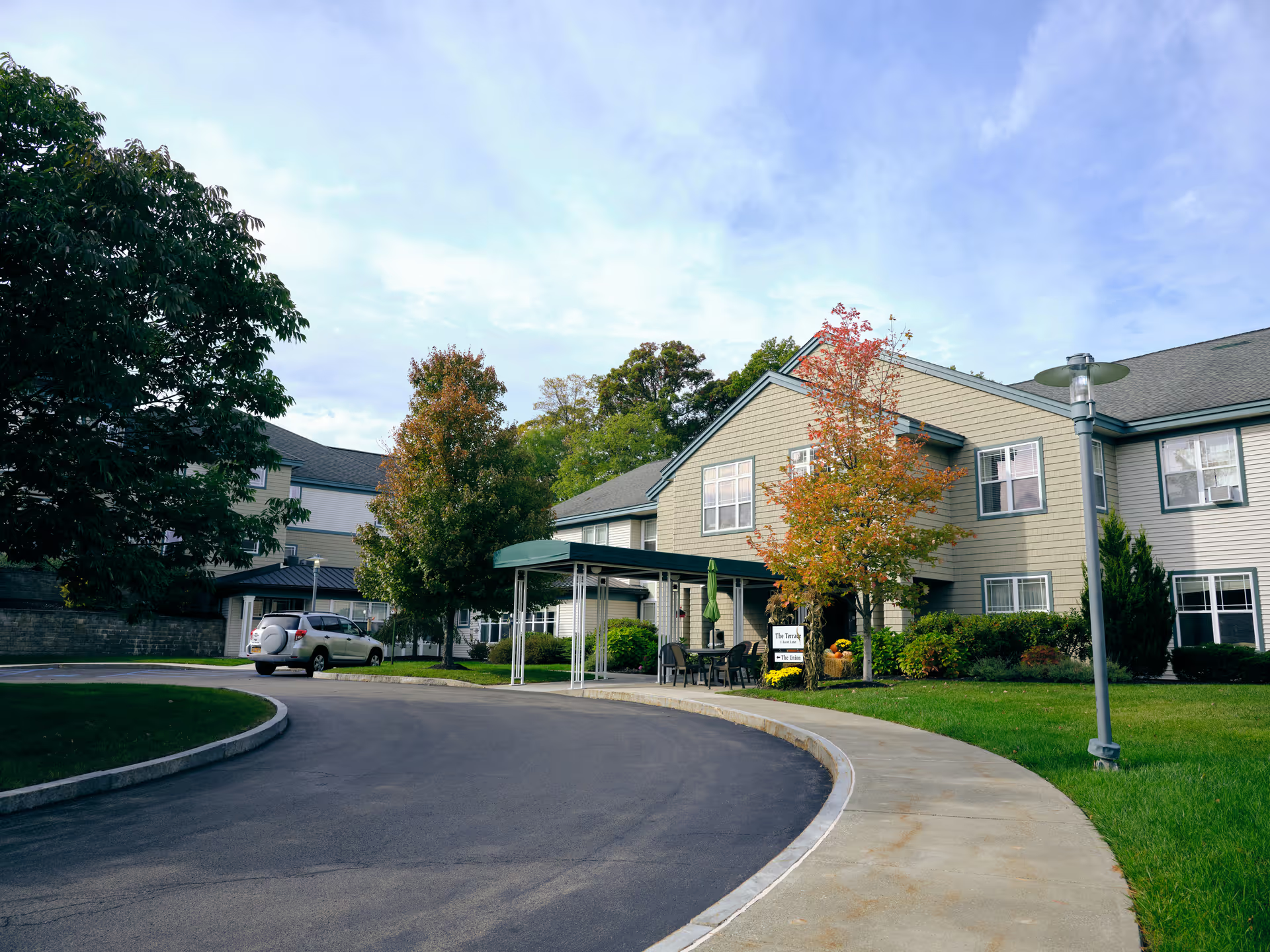
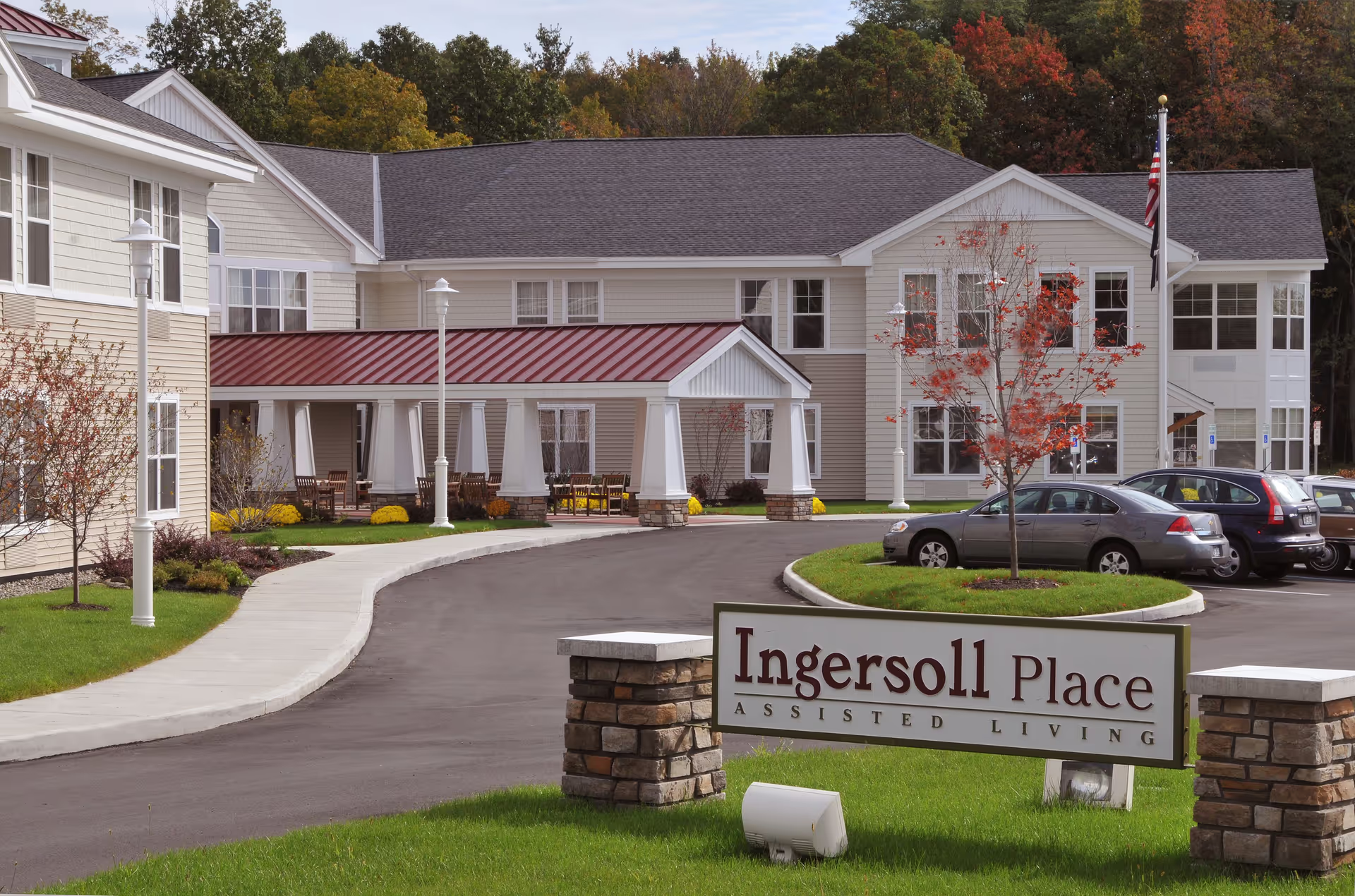
The facility and grounds are consistently described as clean, bright and well-maintained. Rooms are noted for good natural light and reasonable size; common areas and landscaping provide space for walking and social interaction. Operational features such as trial respite stays, virtual tours and accessible online materials make the community approachable for initial visits.
A few operational concerns recur across comments. Some families experienced restrictive visitation and reception procedures and variability in how reception/visitation interactions are handled, which can create discomfort during visits. There is also a pattern of ambiguity around admissions practices for different stages of cognitive impairment; several accounts suggest limits on admitting residents with more advanced Alzheimer’s-type dementia, so prospective families should clarify admission criteria up front. Other practical issues mentioned include occasional inconsistencies in meal and activity quality, the potential for multiple transfers between care levels as needs change, and a higher price point compared with some alternatives.
Overall, Marjorie Doyle Rockwell Center presents as a well-maintained, staff-focused memory-care community with strong infection control, attentive caregiving, and a residential atmosphere. Prospective residents and families will likely find strengths in clinical attentiveness, cleanliness, and activity offerings; they should, however, confirm current admissions criteria, visitation policies, and service-level expectations (especially dining and program specifics) during the tour and admission discussions to ensure alignment with the resident's needs and family preferences.