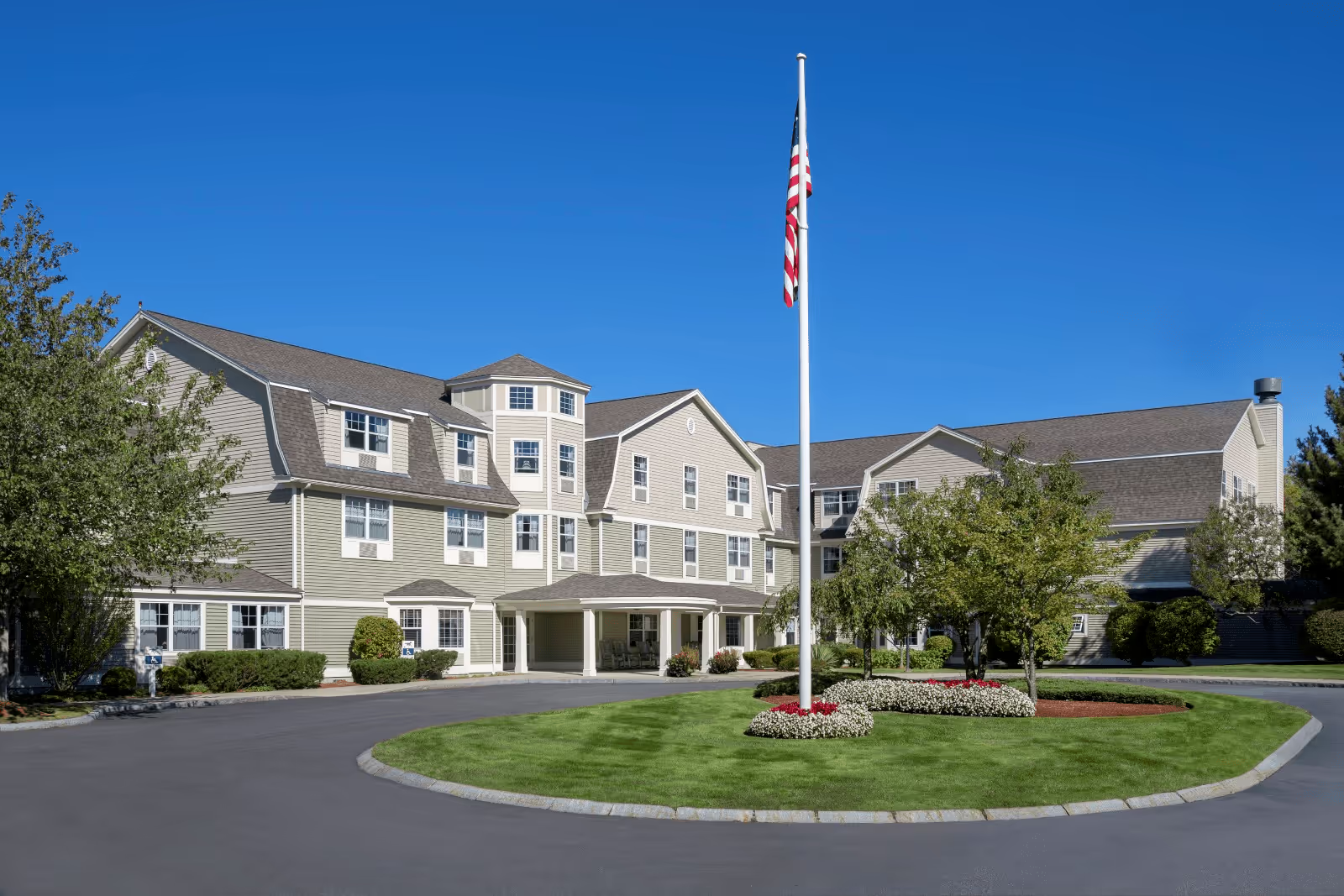
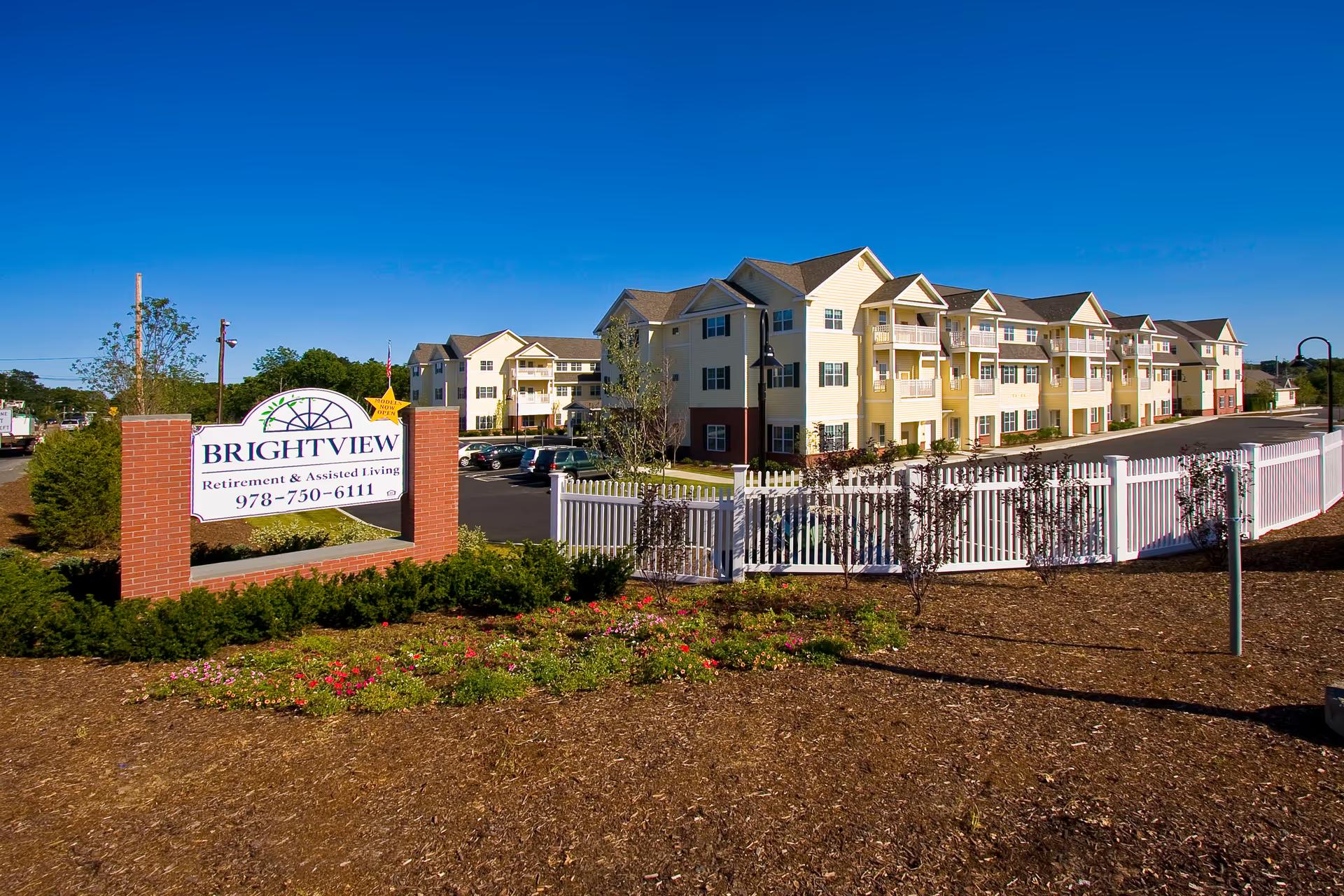
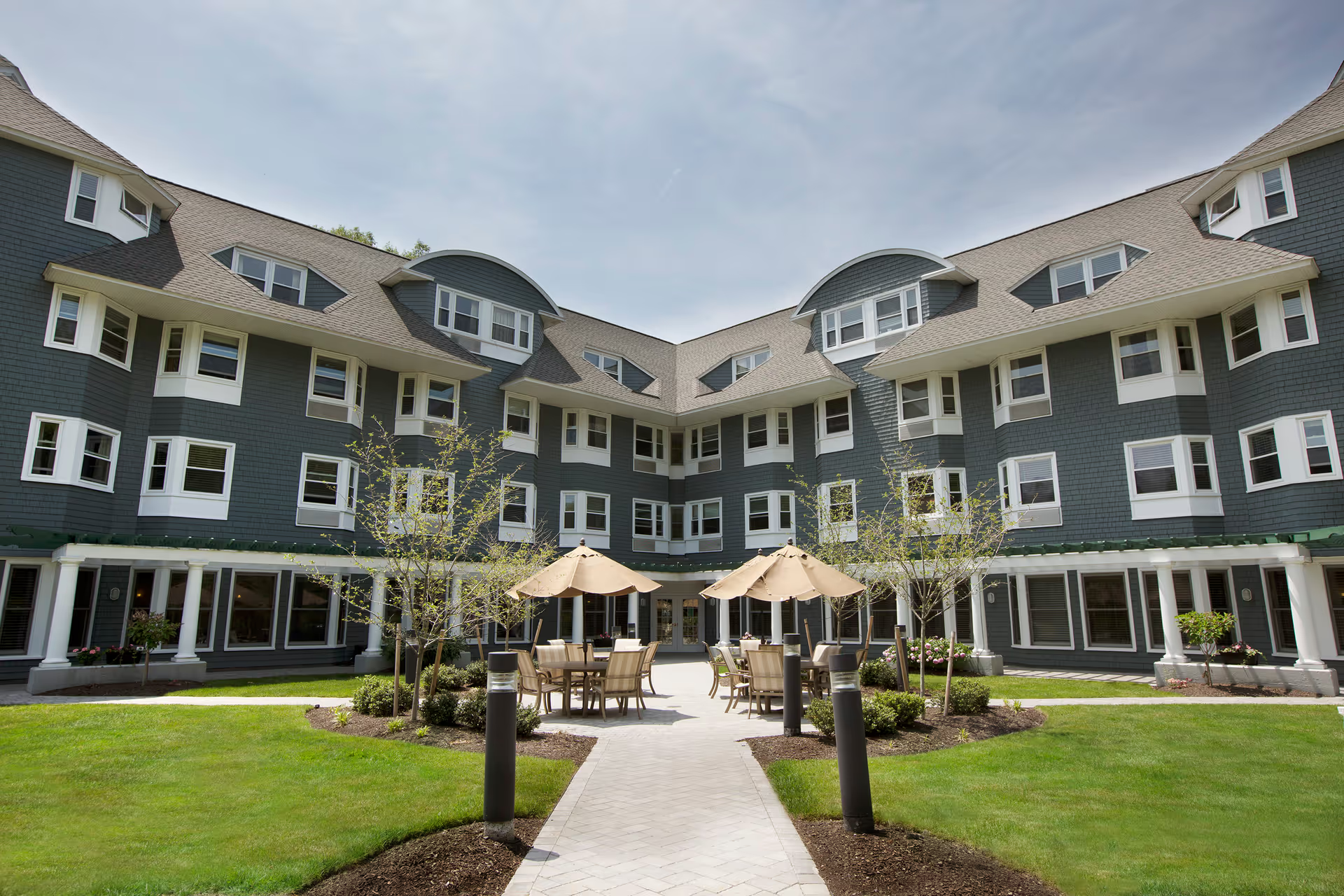
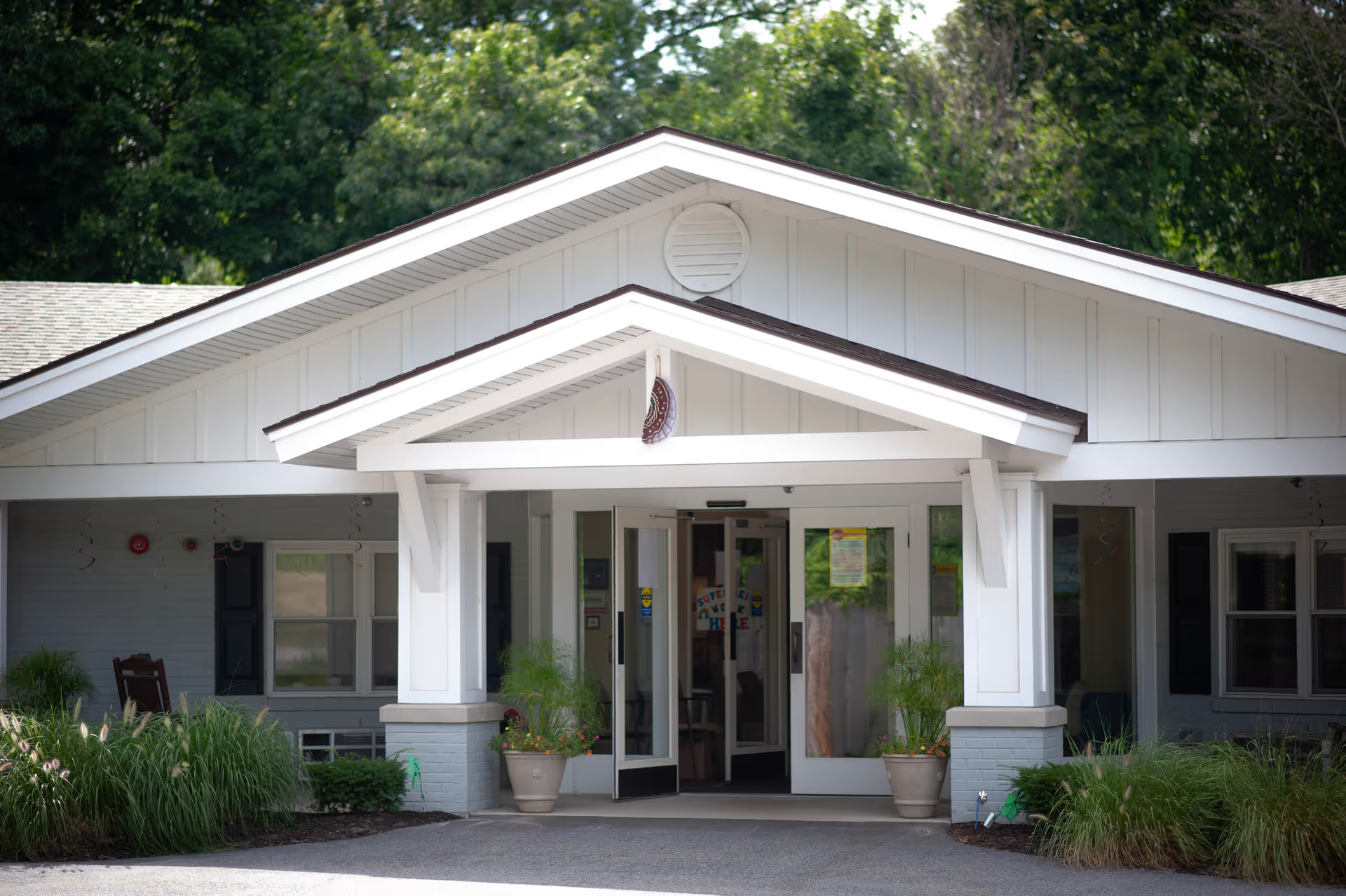
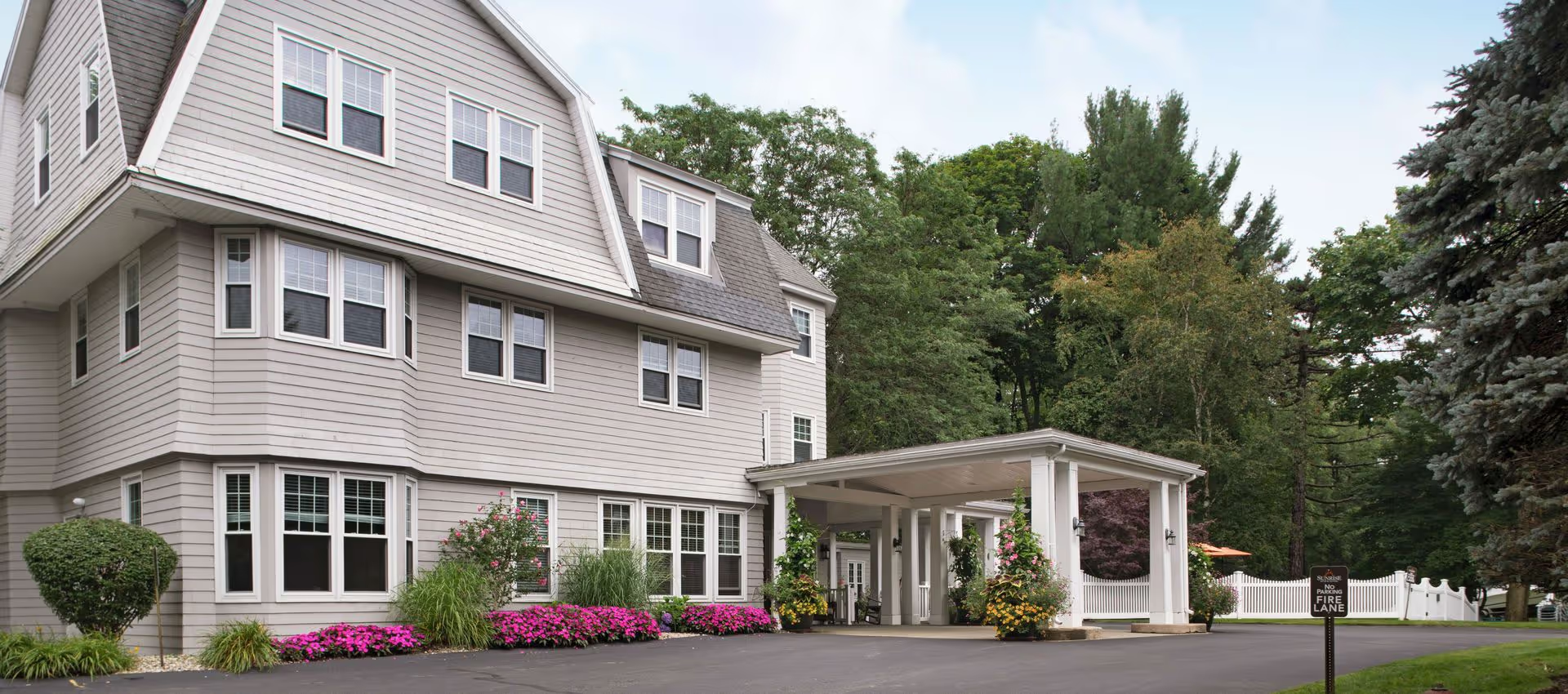
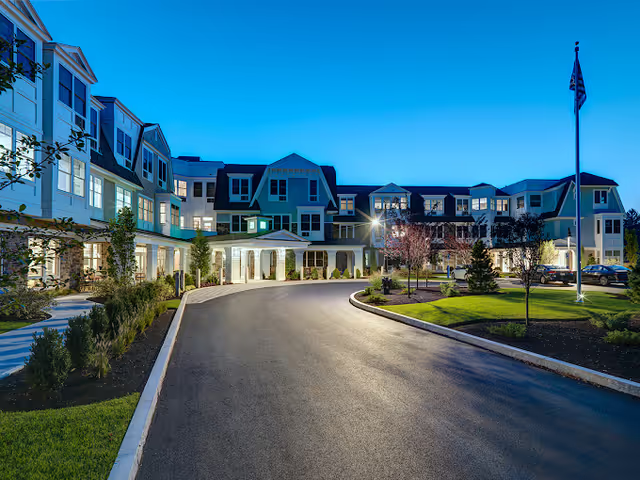
Charter Senior Living of Danvers elicits strongly mixed impressions across reviewers. Many comments highlight strengths that make the community attractive to prospective residents and families: a warm, family-like culture, visible caregiving staff who develop personal relationships with residents, an active events calendar, and a renovated, home-like physical environment with accessible outdoor spaces. The dining program is frequently described as restaurant-style with broad menu choices, and reviewers also note practical conveniences such as on-site laundry, 24-hour staffing, and responsive maintenance support. Several families praised the community’s transition support and the presence of a memory-care unit with its own programming.
At the same time, recurring operational concerns appear in a substantial subset of accounts. Cleanliness and sanitation inconsistencies are a repeated theme, described at both the apartment and common-area level. Related operational weaknesses include variability in housekeeping and laundry schedules, and delays in personal-care tasks such as bathing. Clinical-care consistency is another area of concern: reviewers cited uneven implementation of individualized care plans and inconsistent nursing practices, which in some cases manifested as delays in response or uncertainty about clinical assessments.
Dining and mealtime practices generate mixed feedback. While the menu variety and dining-room atmosphere are often praised, there are also consistent reports of inconsistencies in meal service and handling that affect resident dining experience. Activity programming is generally strong and a central positive for resident socialization, but availability and frequency have been subject to change during pandemic-related restrictions and staffing fluctuations.
Management and staffing patterns show a split picture. Several families described professional, responsive leadership and smooth transitions when moving in; others pointed to frequent administrative turnover and variable communication around admissions, pricing, and care expectations. Staffing shortages and caregiver continuity were cited as drivers of many operational lapses, particularly around housekeeping turnaround times, timely responses to call bells, and consistency of assigned caregivers.
For prospective residents and families considering this community, key due-diligence priorities would include an in-person inspection of cleanliness levels, direct questions about current staffing ratios and caregiver continuity, clarification of how individualized care plans are developed and reviewed, a walk-through of the dining service at mealtime, and explicit discussion of pricing transparency and housekeeping/laundry schedules. Observing a meal service, meeting the nursing leadership, and asking for recent staffing and turnover data can help reconcile the divergent experiences reflected in these reviews.