Overall impression: The facility elicits a strong and recurring appreciation for frontline caregiving and rehabilitation services alongside mixed impressions of the physical environment and operational consistency. Families and residents frequently describe nursing and direct-care staff as compassionate, professional, and attentive; many accounts highlight personalized care, respectful hygiene assistance, and supportive end-of-life care. Rehabilitation services (physical and occupational therapy) are consistently praised for achieving functional gains and successful transitions home.
Staff and admissions: Admissions and case-management processes are generally described as smooth and helpful, with several staff members singled out for effective communication and family support. Front-desk and administrative staff are often characterized as approachable. At the same time, there are recurring concerns about staffing consistency — reviewers describe periods of understaffing or slow response times to calls for assistance. Those operational gaps affect perceptions of reliability even when the care delivered is competent and compassionate.
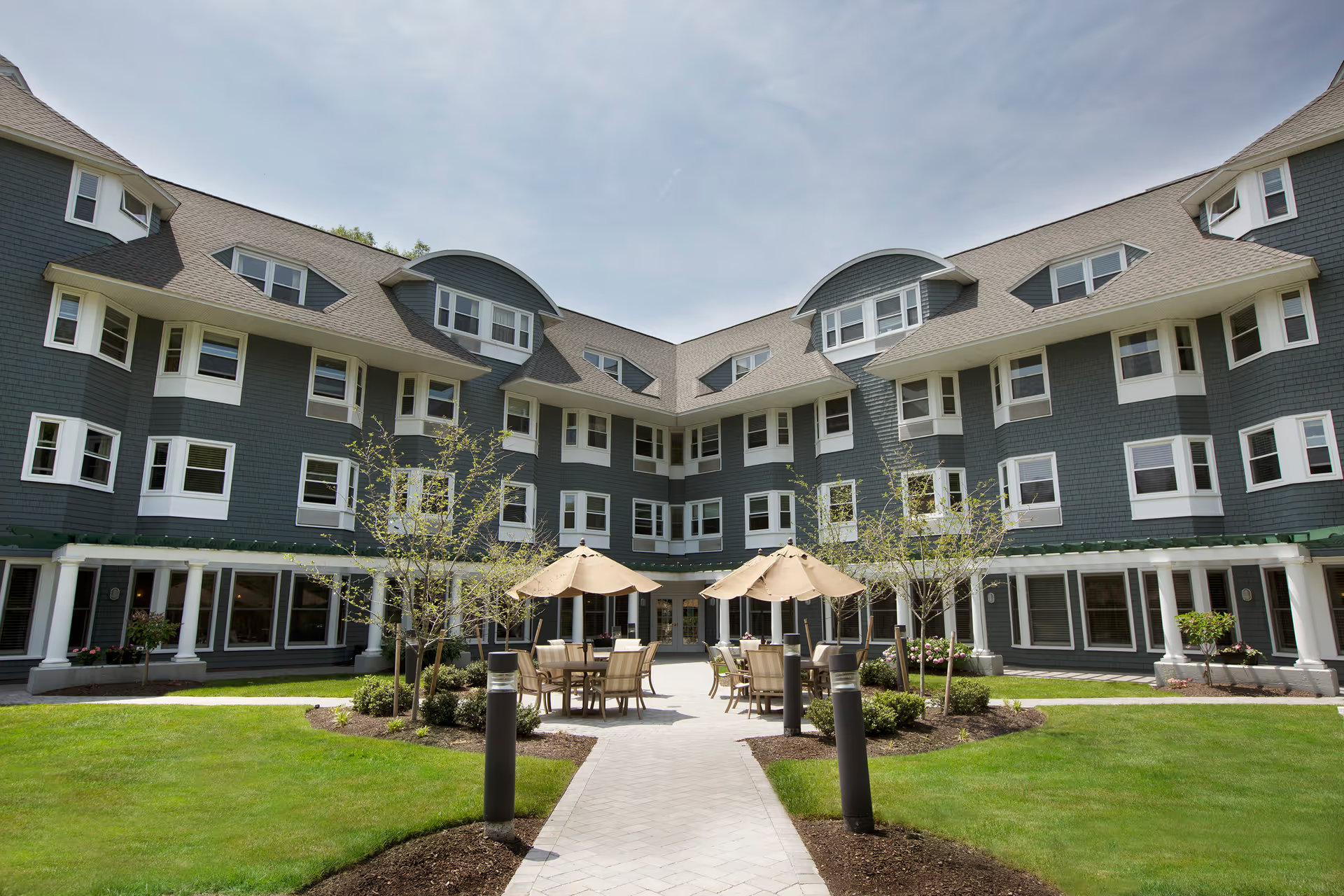
Dining and activities: Activity offerings are a clear strength. The facility appears to provide a broad roster of daily programming (music, literature, games, bingo, specialized memory-care activities) and on-site amenities such as a garden and recreation room that support engagement and community integration. Dining feedback is mixed: some families report nutritious meals that supported weight gain and recovery, while others raise concerns about meal quality and consistency. Prospective residents may wish to sample meals and ask about therapeutic and texture-modified dining options.
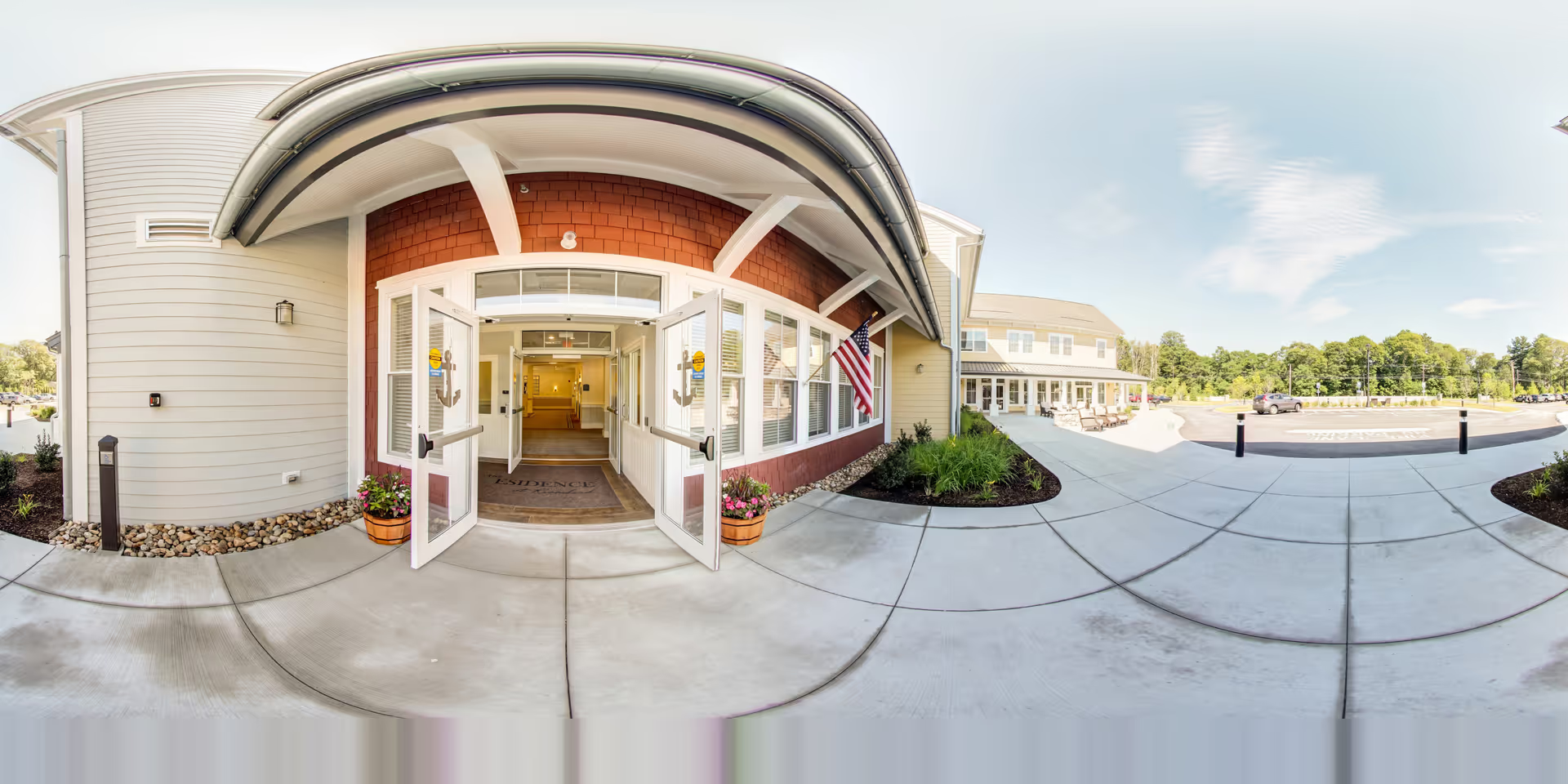
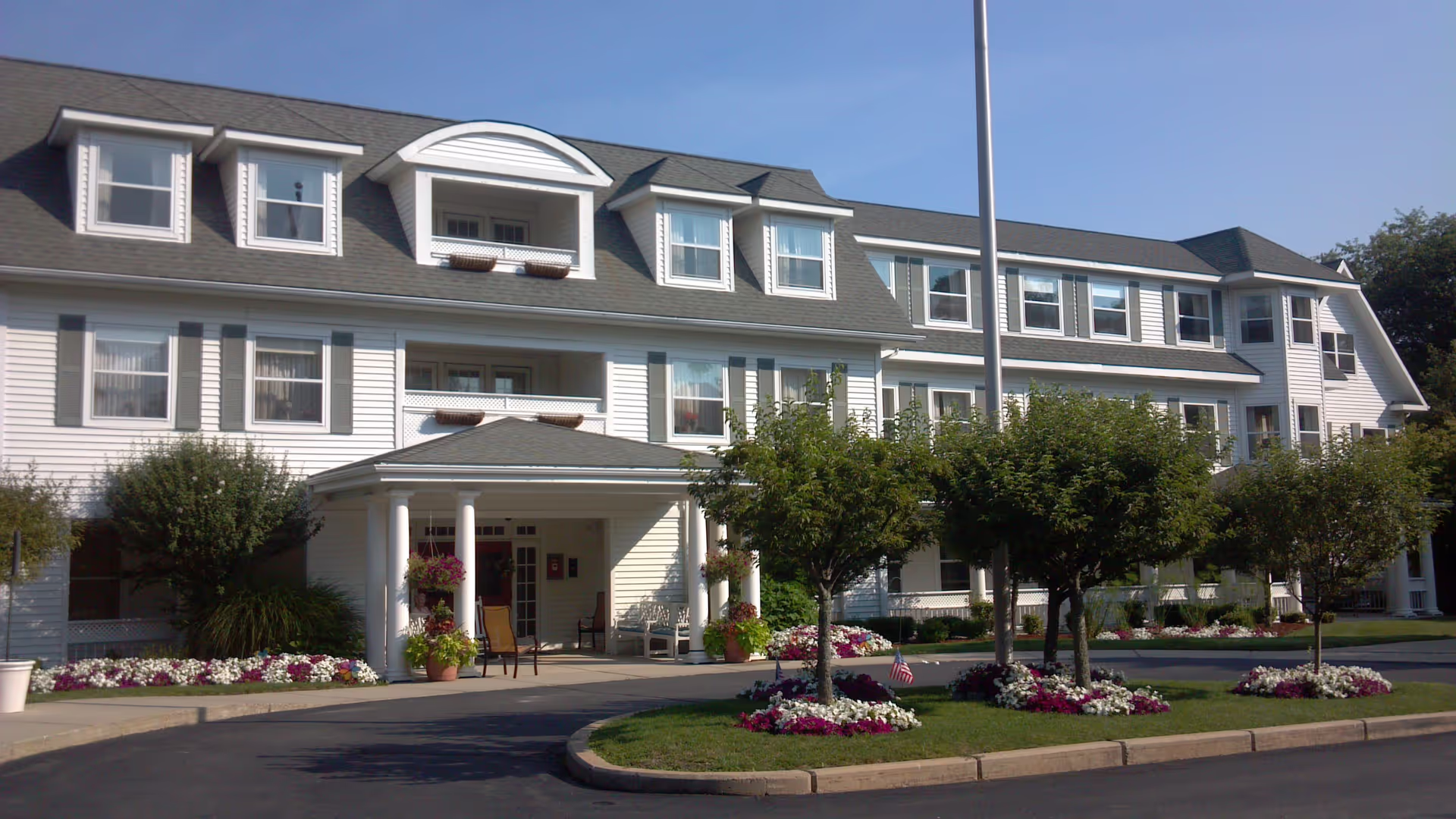
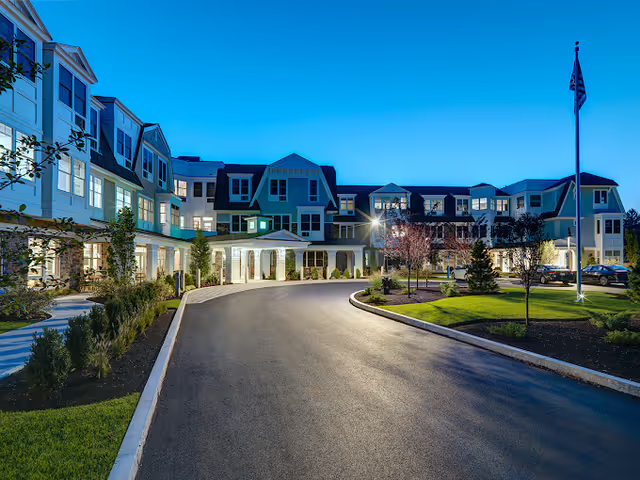
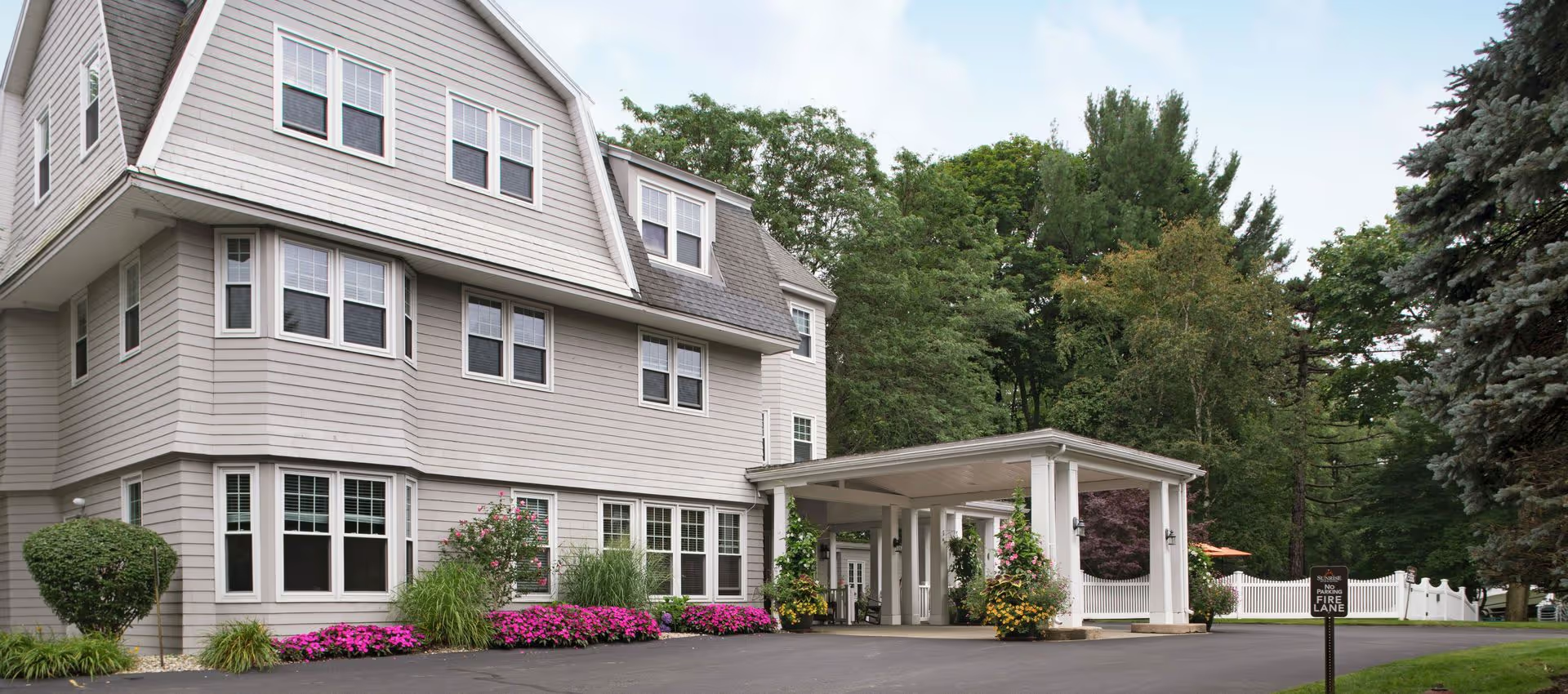
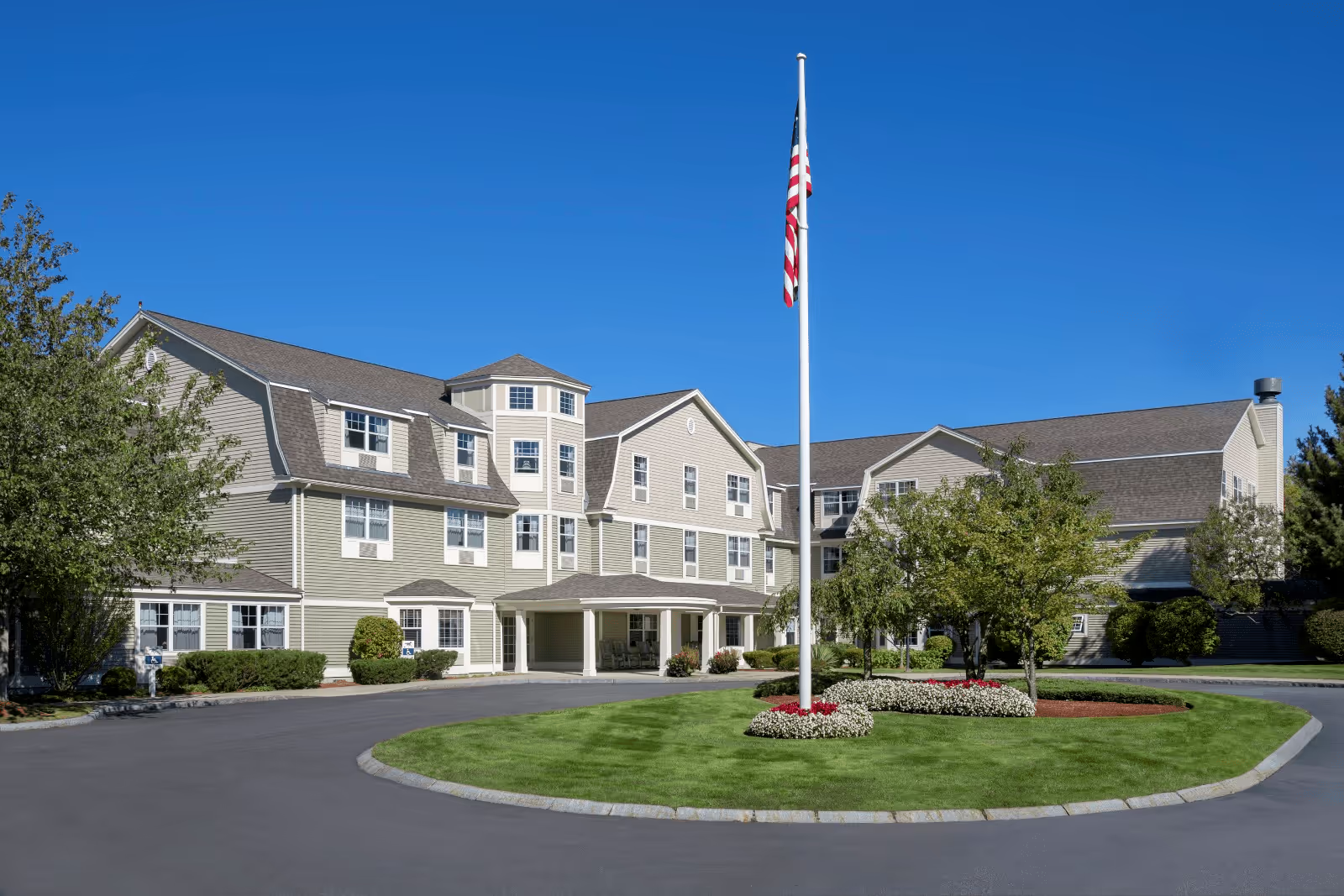
Facilities and maintenance: Reports about the physical plant are inconsistent. Numerous accounts praise a clean, orderly atmosphere and well-maintained communal spaces, whereas others identify sanitation and maintenance issues in particular areas (fixtures, doors, elevator reliability, unfinished painting). Taken together, these observations suggest variability in upkeep and infrastructure reliability across units and time. Security and access practices are generally viewed as adequate, but there are isolated concerns about door and entry maintenance that merit clarification during an in-person visit.
Management and communication: Management and administrative responsiveness receive mixed assessments. Some families describe clear, proactive communication from case managers and clinical staff; others report frustration with billing explanations and perceived attribution of problems to staffing rather than providing remedies. This pattern points to uneven administrative follow-through and a need for clearer billing and complaint-resolution processes.
Notable patterns and advice for families: A dominant theme is strong, compassionate direct care and effective rehabilitation, particularly for short-term stays and memory-care residents, yielding meaningful clinical improvements. Counterbalancing that strength are recurring operational challenges: inconsistent cleanliness and dining, intermittent maintenance issues, and variability in staffing responsiveness. Prospective residents and families should consider an in-person tour focused on cleanliness standards, recent maintenance records, staffing ratios/shift coverage, sample meals, and how the facility supports participation for residents with limited mobility. Asking for recent inspection or maintenance logs and speaking with the unit’s case manager about activity inclusion and billing practices can help clarify fit and expectations.