Reviews describe a facility with a clear pattern of strong clinical and interpersonal strengths but persistent operational and facility-level weaknesses. Care strengths are most apparent in the short-term rehabilitation unit: families and former residents frequently describe measurable progress under the PT/OT teams, hands-on therapists, and wound-care nurses. Many accounts emphasize compassionate, attentive aides and nurses who create a home-like, family atmosphere and provide individualized, one-on-one attention when needed. Social services and discharge-planning staff are also singled out for helping secure benefits and enabling smooth transitions back to home.
At the same time, reviewers identify inconsistent care experience across the facility. Staffing instability — including high turnover and periods of shortage — is the most common operational concern and is linked to variable competence and responsiveness. Where staff are present and engaged, outcomes and satisfaction are high; where staffing is thin or rotating, families describe delays in care and communication difficulties. This pattern produces a mixed overall picture: strong pockets of clinical performance alongside intermittent lapses in day-to-day responsiveness.
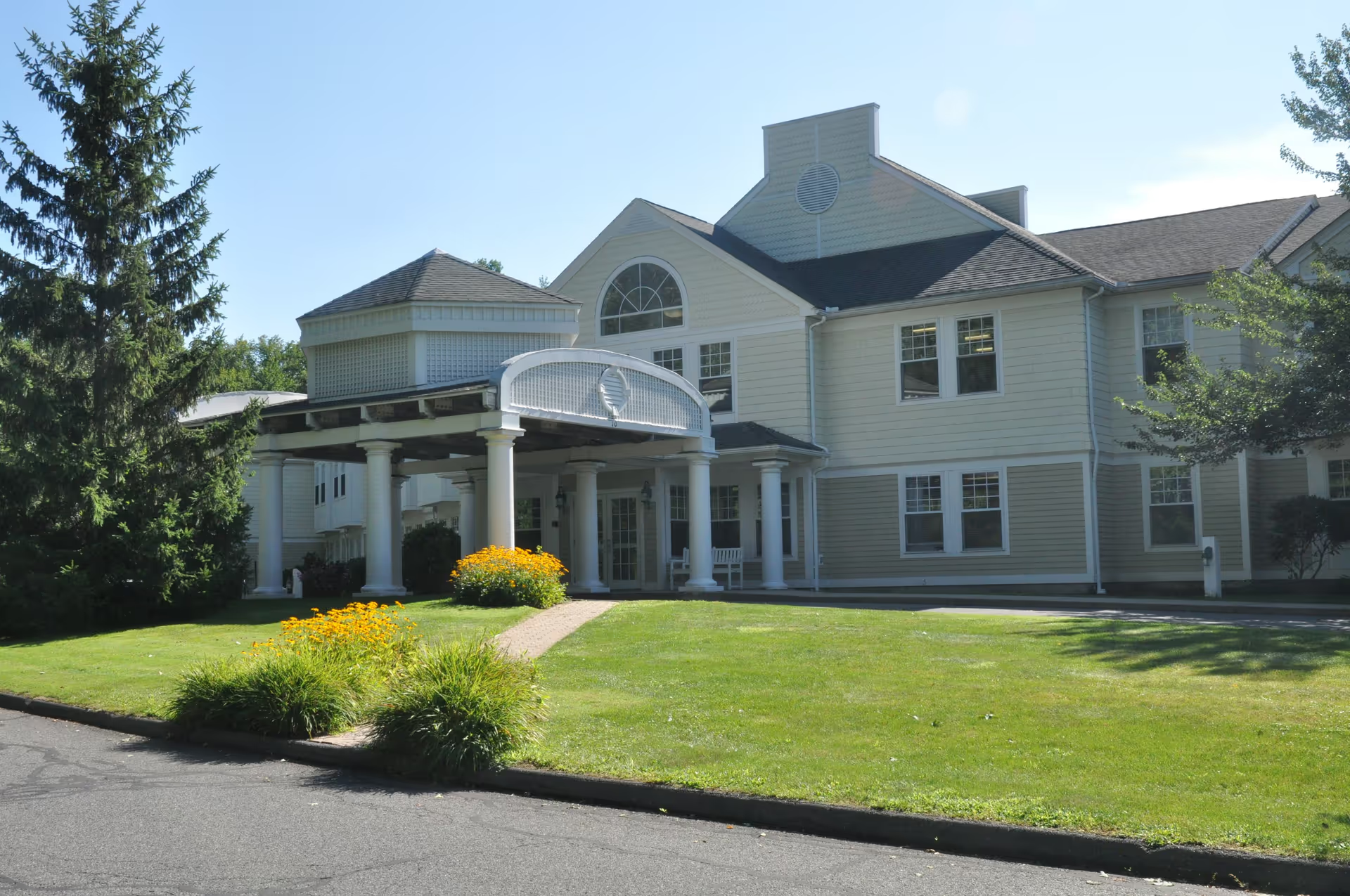
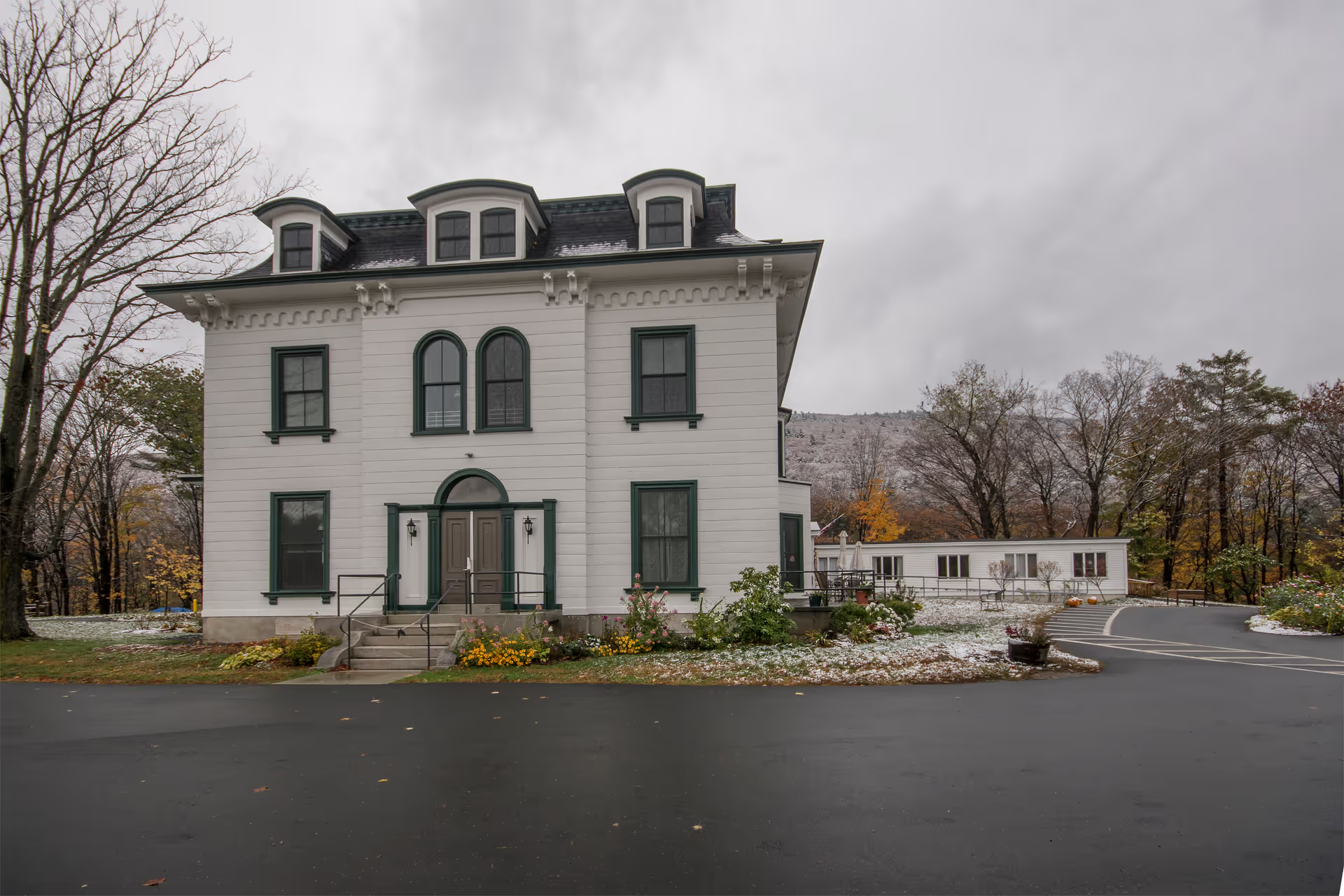
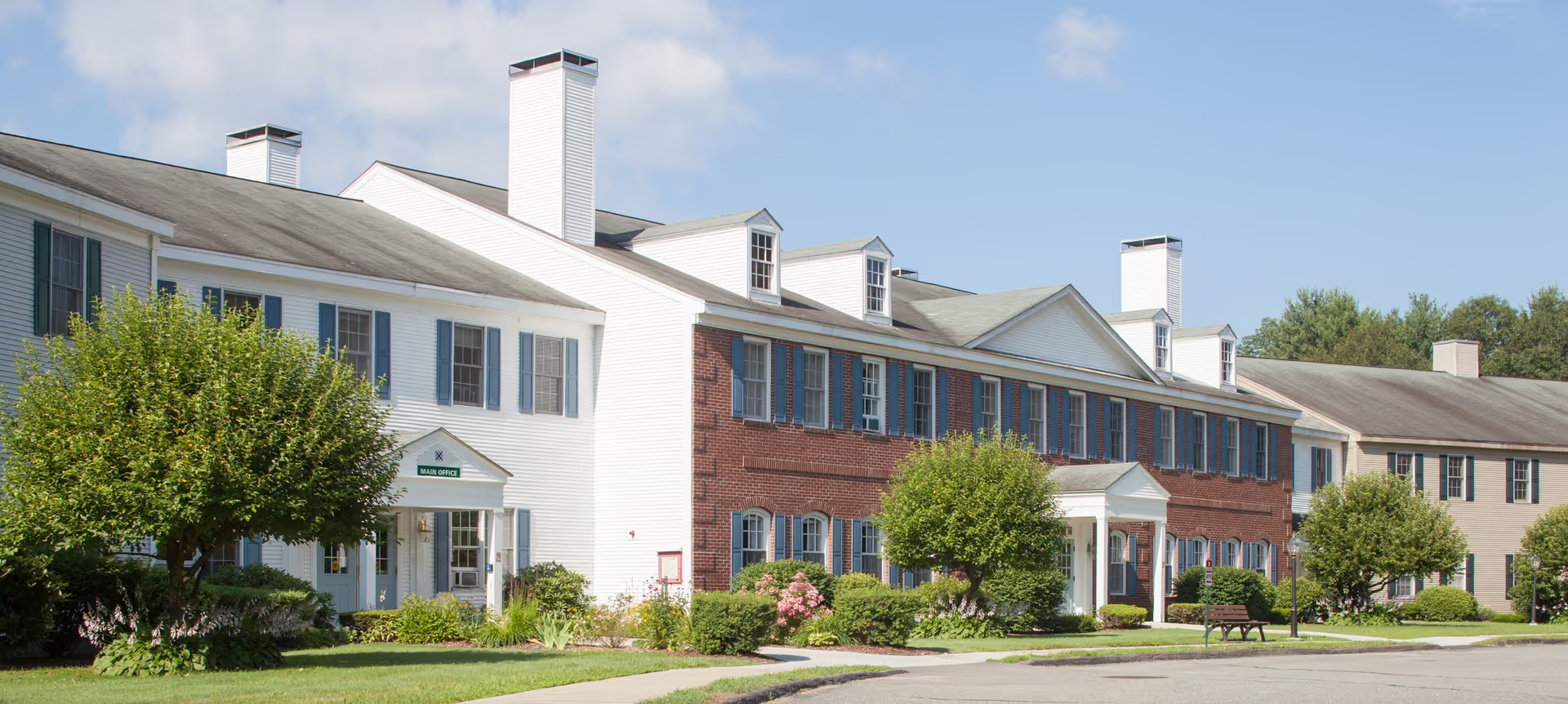
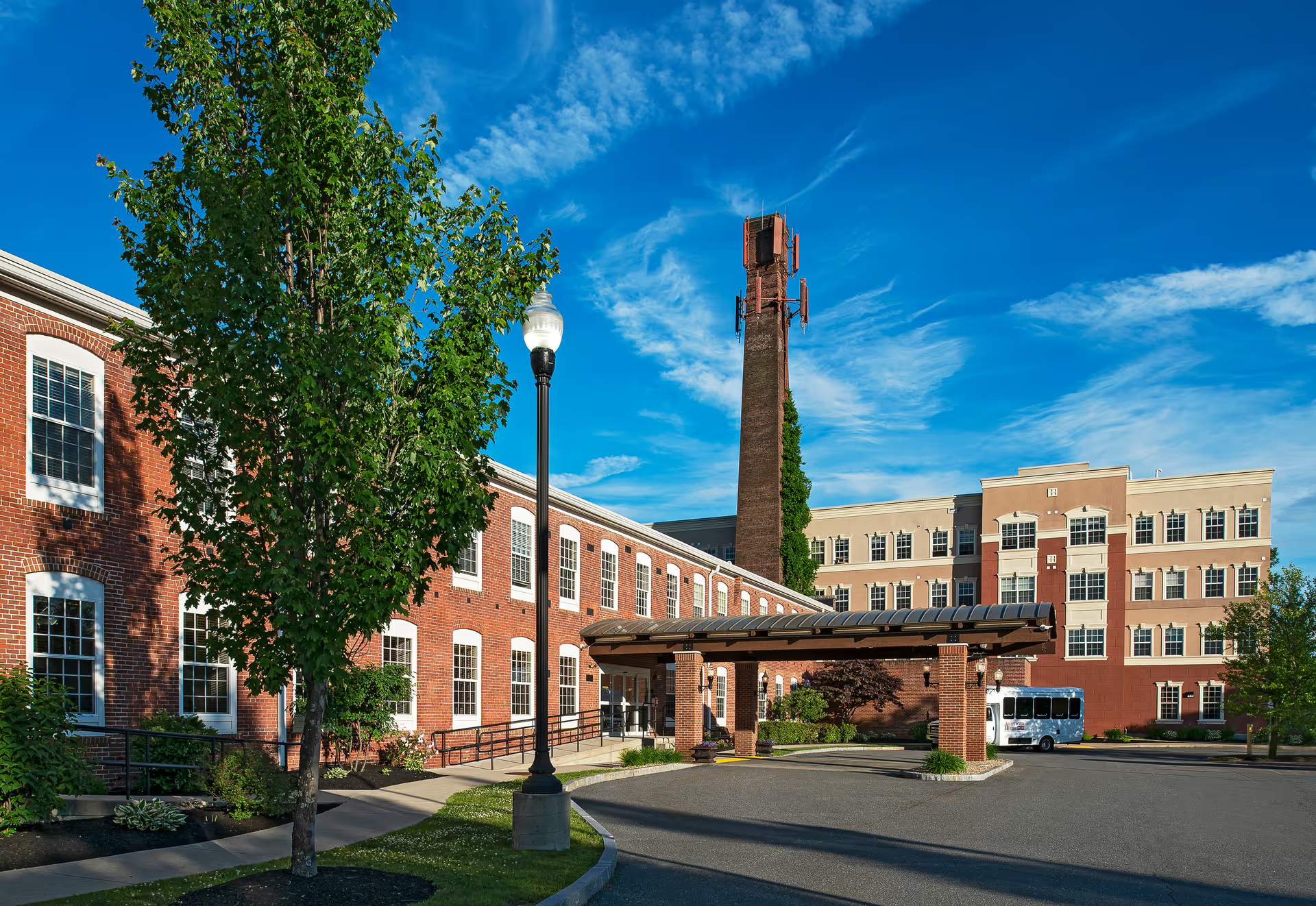
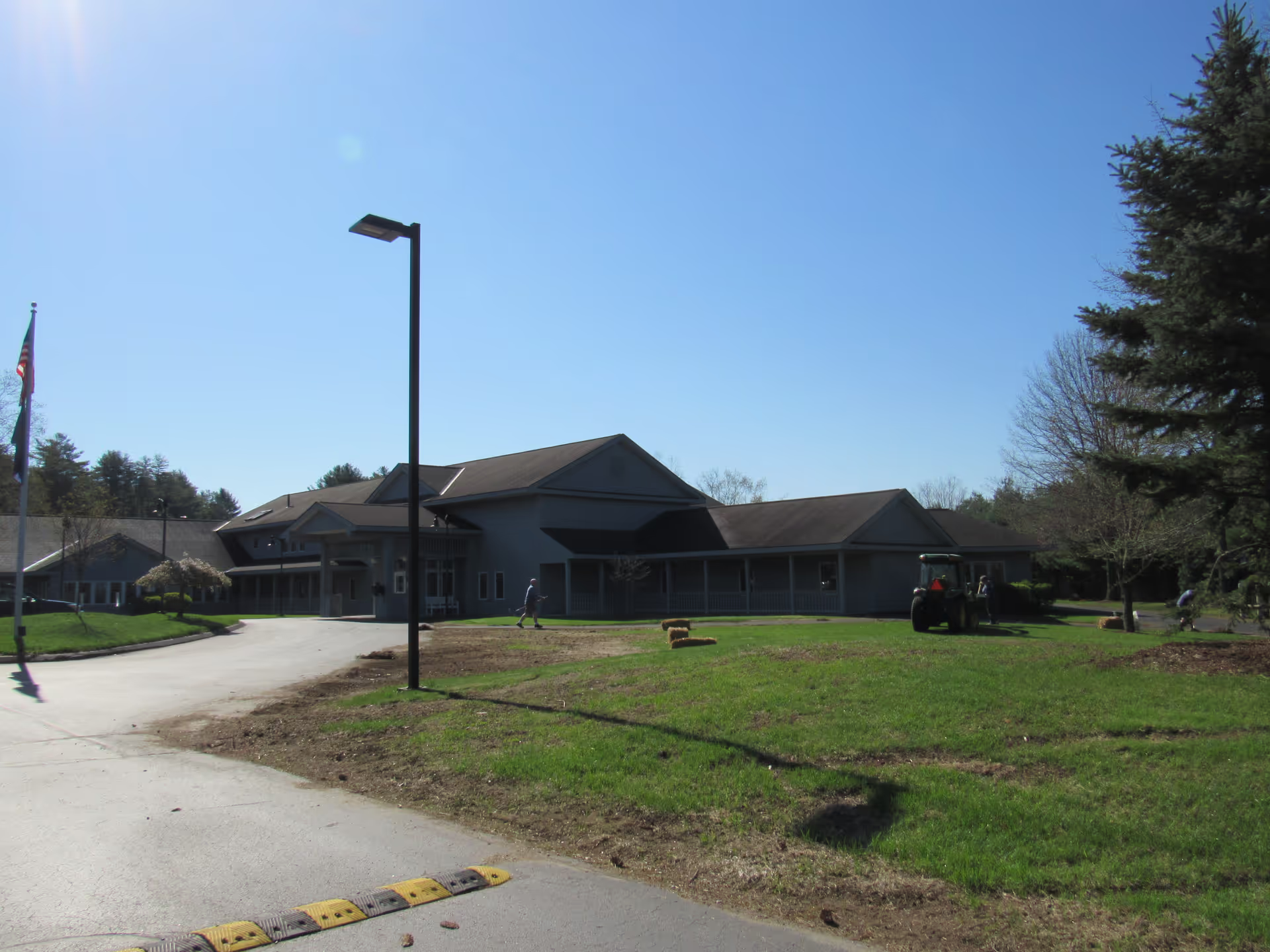
Facility and safety issues are recurring themes. Multiple comments point to an aging, dated building with maintenance needs, temperature-control problems, and sanitation concerns in some areas. Safety- and emergency-readiness gaps are described as signage and egress issues and obstructed pathways, which are operational risks that warrant attention. Reviewers also raise concerns about handling of residents' personal belongings and note strict billing practices and extra fees, which affect family trust and satisfaction.
Management and leadership receive polarized feedback. Some reviews praise specific leaders and the medical director for being involved and communicative; others criticize management for being profit-driven, poorly coordinated, or overwhelmed. There are serious, recurring claims regarding billing and financial practices — including allegations of financial exploitation — and complaints about pay and administrative responsiveness. The facility has undergone ownership and leadership changes; some families hope these transitions will address systemic issues.
Dining and activities are consistently noted as strengths. Food quality is frequently described as good and varied, and the recreation program (bingo, trivia, socials, and useable outdoor porch space) is valued for promoting resident engagement. These elements contribute substantially to a home-like environment that many long-term residents and families appreciate.
Overall, prospective residents and families should weigh the facility's demonstrated clinical and relational strengths — particularly for short-term rehabilitation — against operational risks tied to staffing, facility maintenance, safety practices, and management consistency. When considering placement, ask specific questions about current staffing levels and turnover, emergency-readiness audits, personal-property policies, billing practices, and recent corrective actions following leadership changes. Visiting during different shifts and speaking directly with therapy, nursing, and social services staff can help clarify whether the positive aspects highlighted in many accounts are present for your loved one.