Overall impression: Reviewer feedback for this facility is mixed, with repeated praise for individual caregivers and therapy staff alongside consistent operational concerns. Many reviewers described compassionate, attentive bedside care from nurses, CNAs and specific named caregivers; rehabilitation therapists and social work/admissions personnel were also frequently cited as helpful. At the same time, recurring systemic issues—particularly staffing, medication control, cleanliness, and coordination of services—appear to affect the consistency of day-to-day care.
Care quality and staff: Strengths include clear examples of committed clinical staff and standout CNAs who provided attentive bedside care and family communication. Rehabilitation services (PT/OT) and respiratory therapy were described as effective in helping residents regain function. The social work and admissions teams were noted as supportive in care planning and financial coordination. Offsetting these positives, reviewers described staffing shortfalls that led to missed or delayed care tasks, delayed alarm responses, inconsistent bathing and personal-care schedules, and constraints on therapy availability. Several reviewers described medication-administration problems, including timing errors and at least one serious medication event; these comments point to a need for stronger medication-safety protocols and oversight.
Dining and nutrition: Meal feedback is mixed. Some families praised particular menu items and noted helpful input from nutrition staff (including assistance obtaining appropriate formula). Other comments flagged inconsistent meal quality and instances of cold or budget-driven meals. These patterns suggest variability in kitchen execution and meal-service continuity.
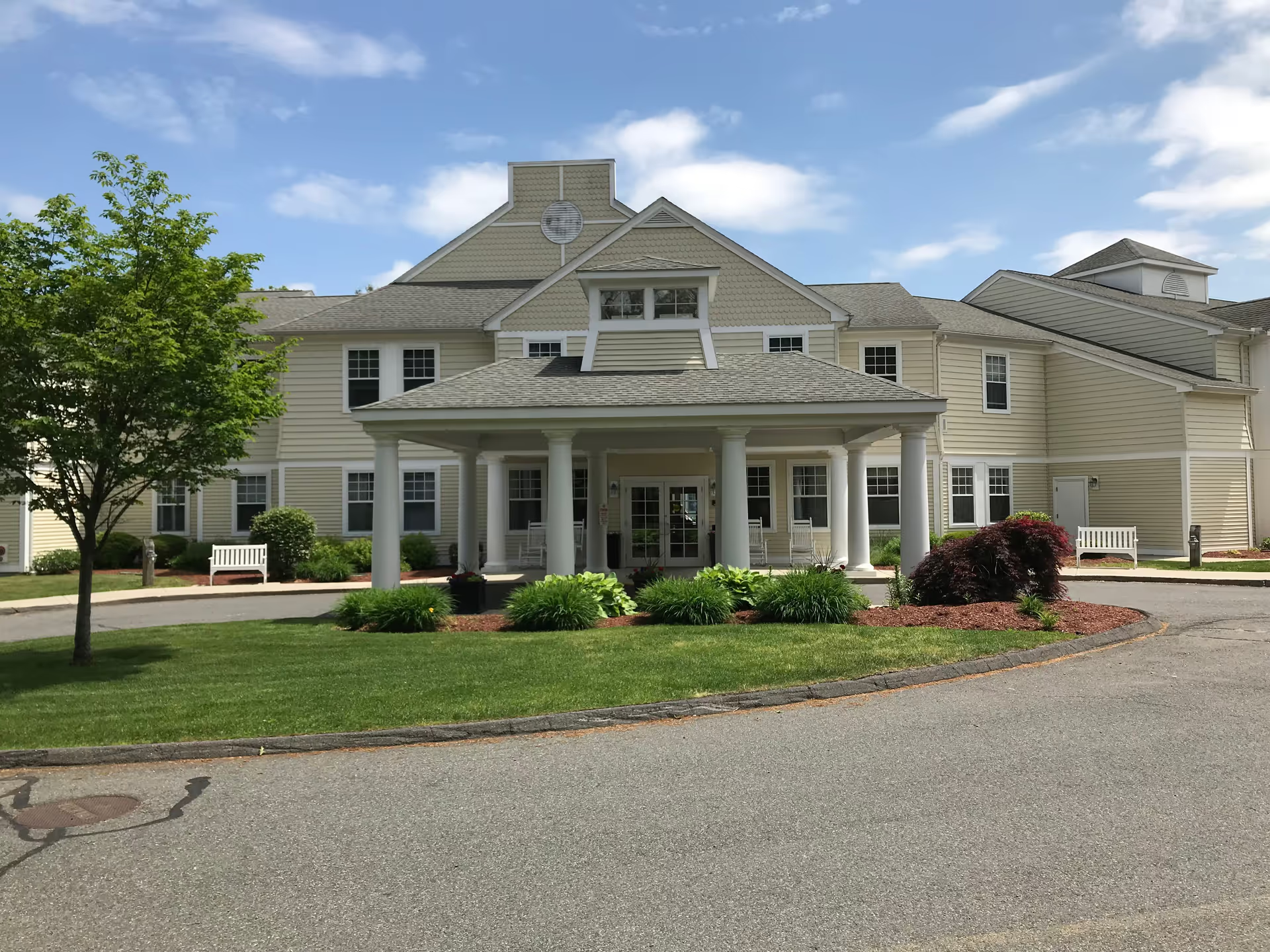
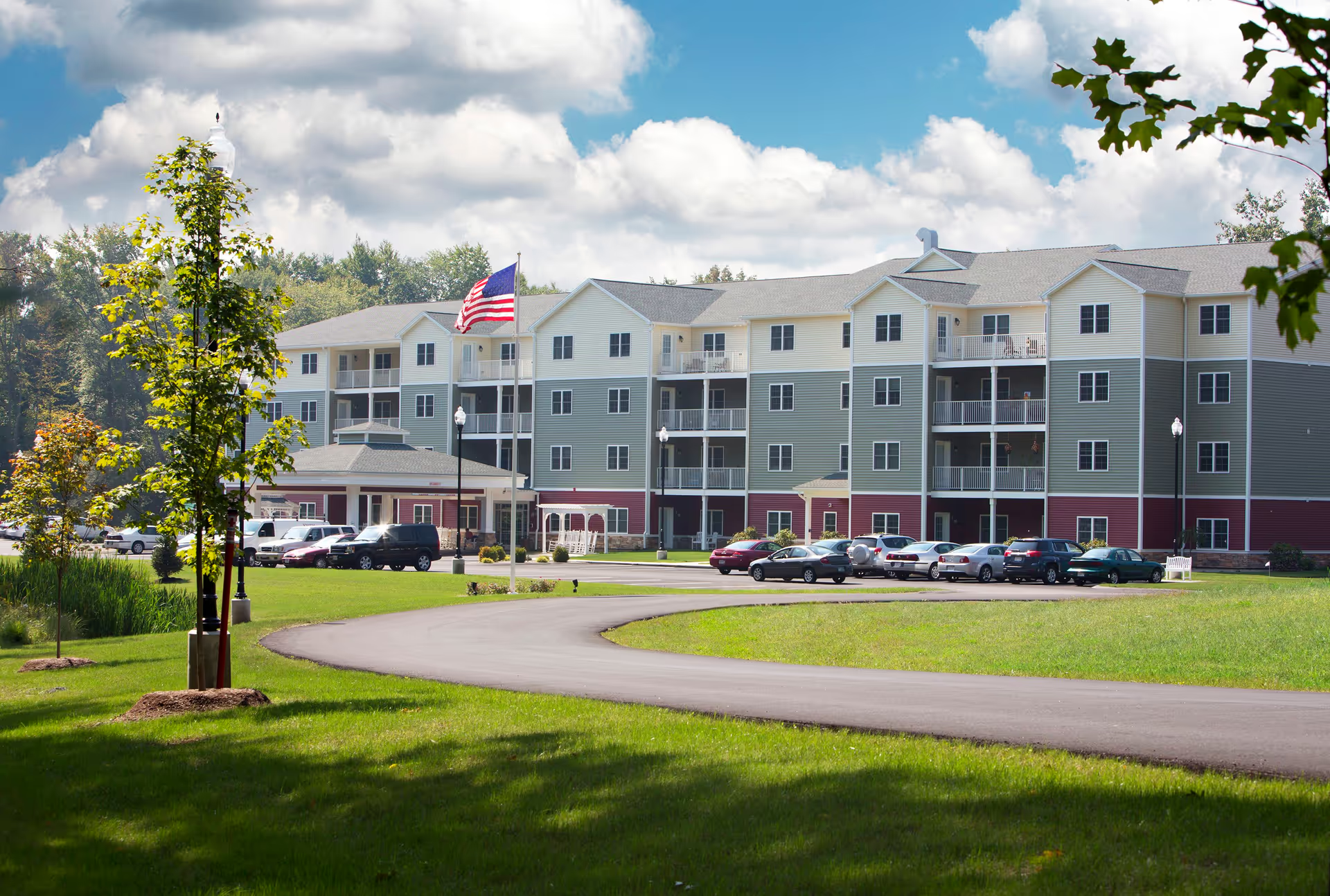
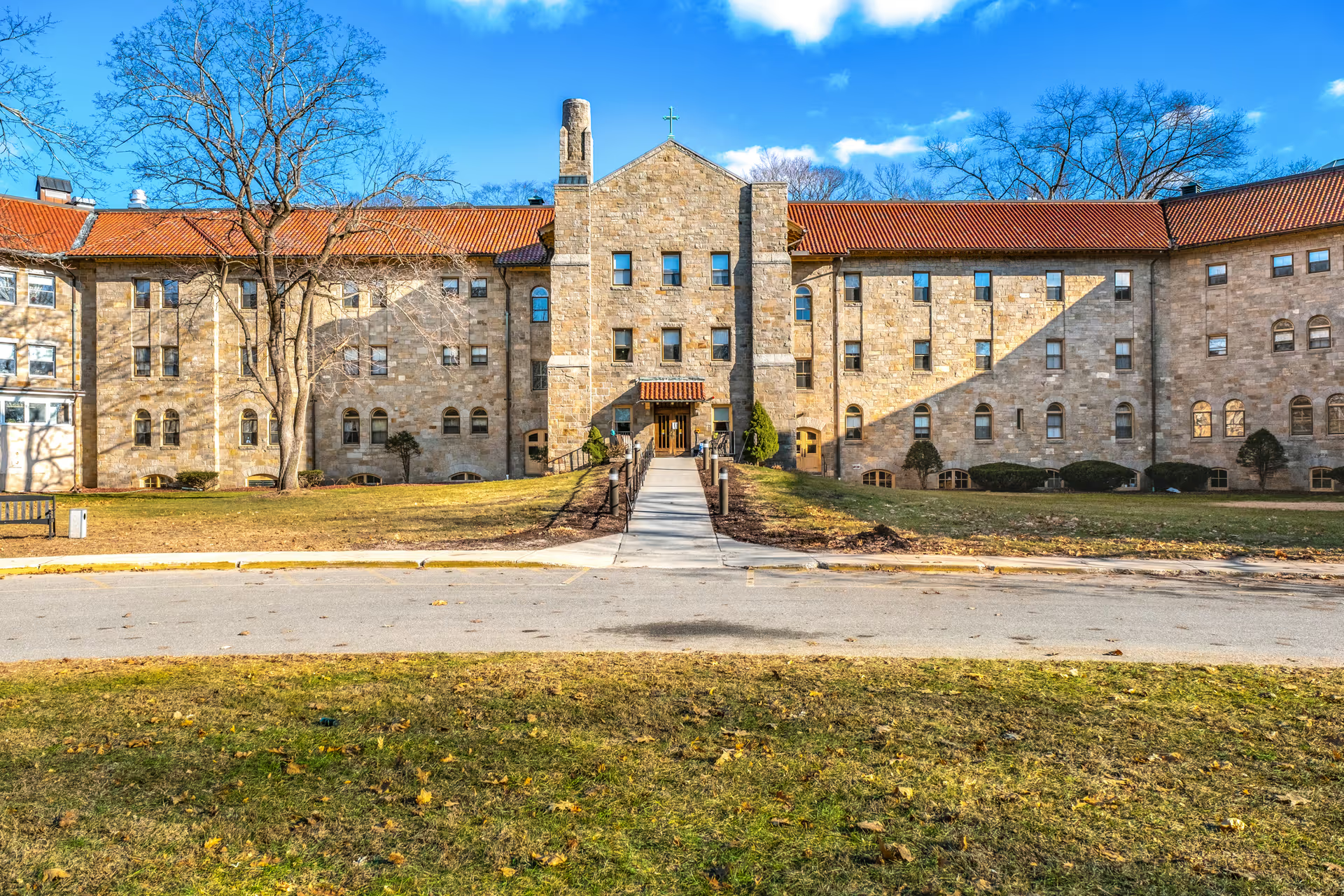
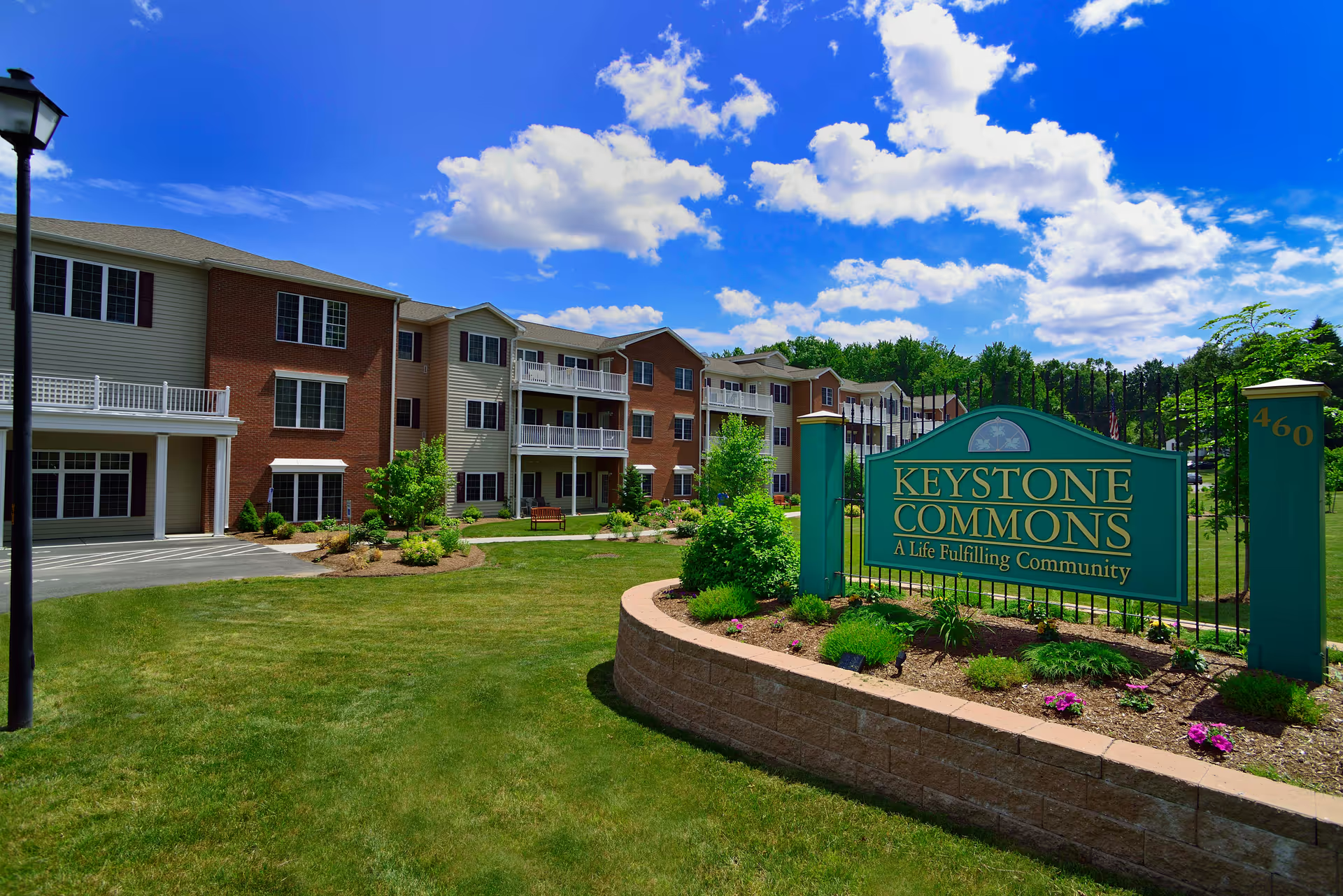
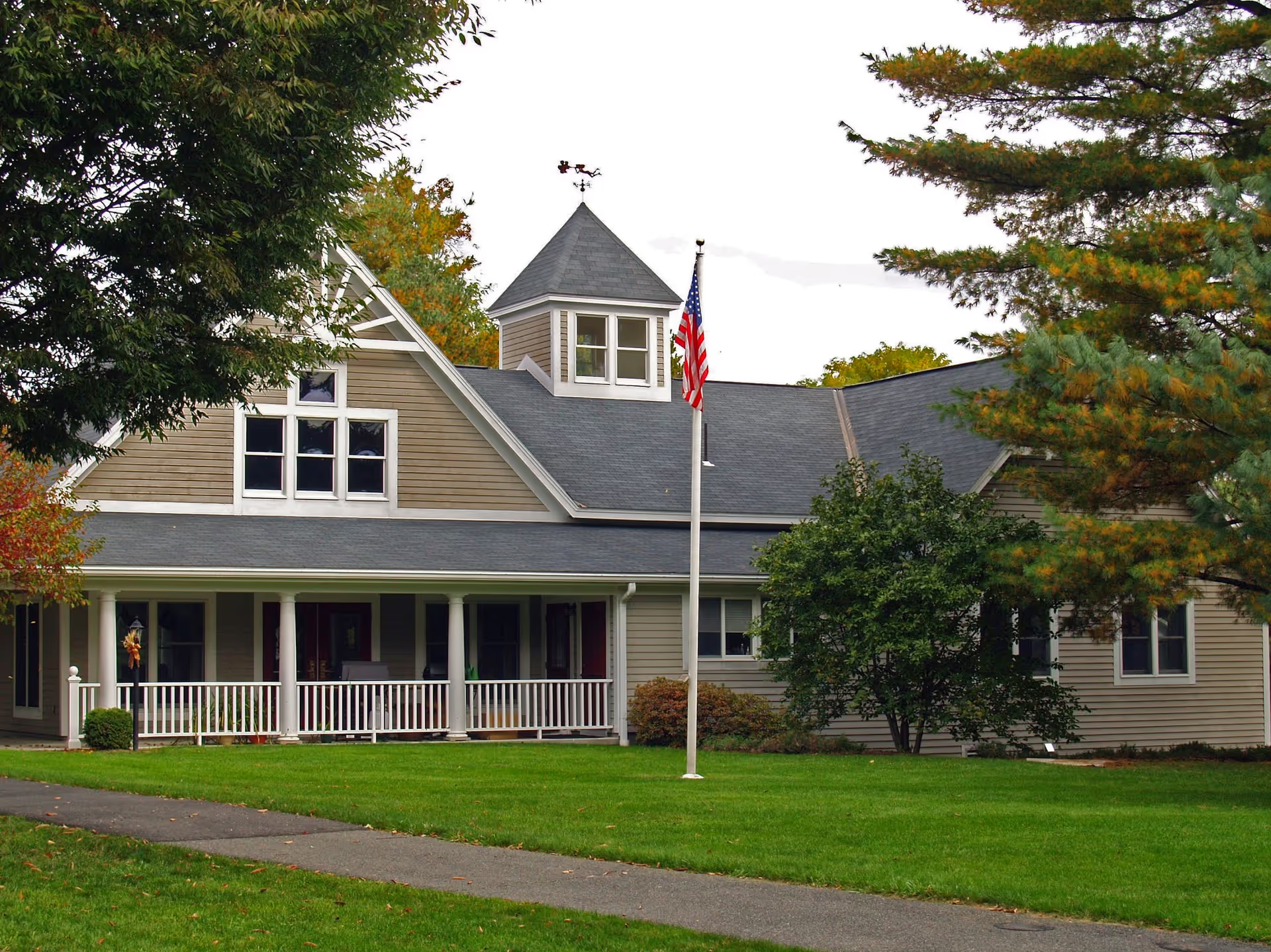
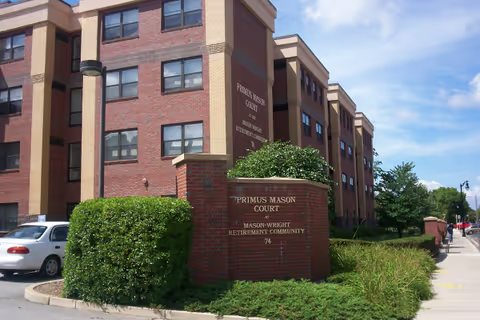
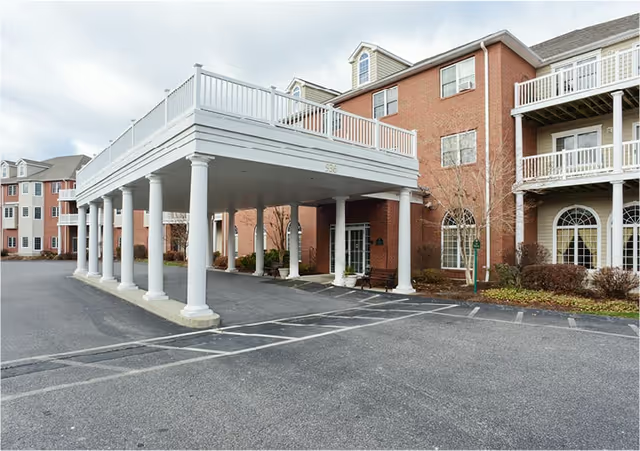
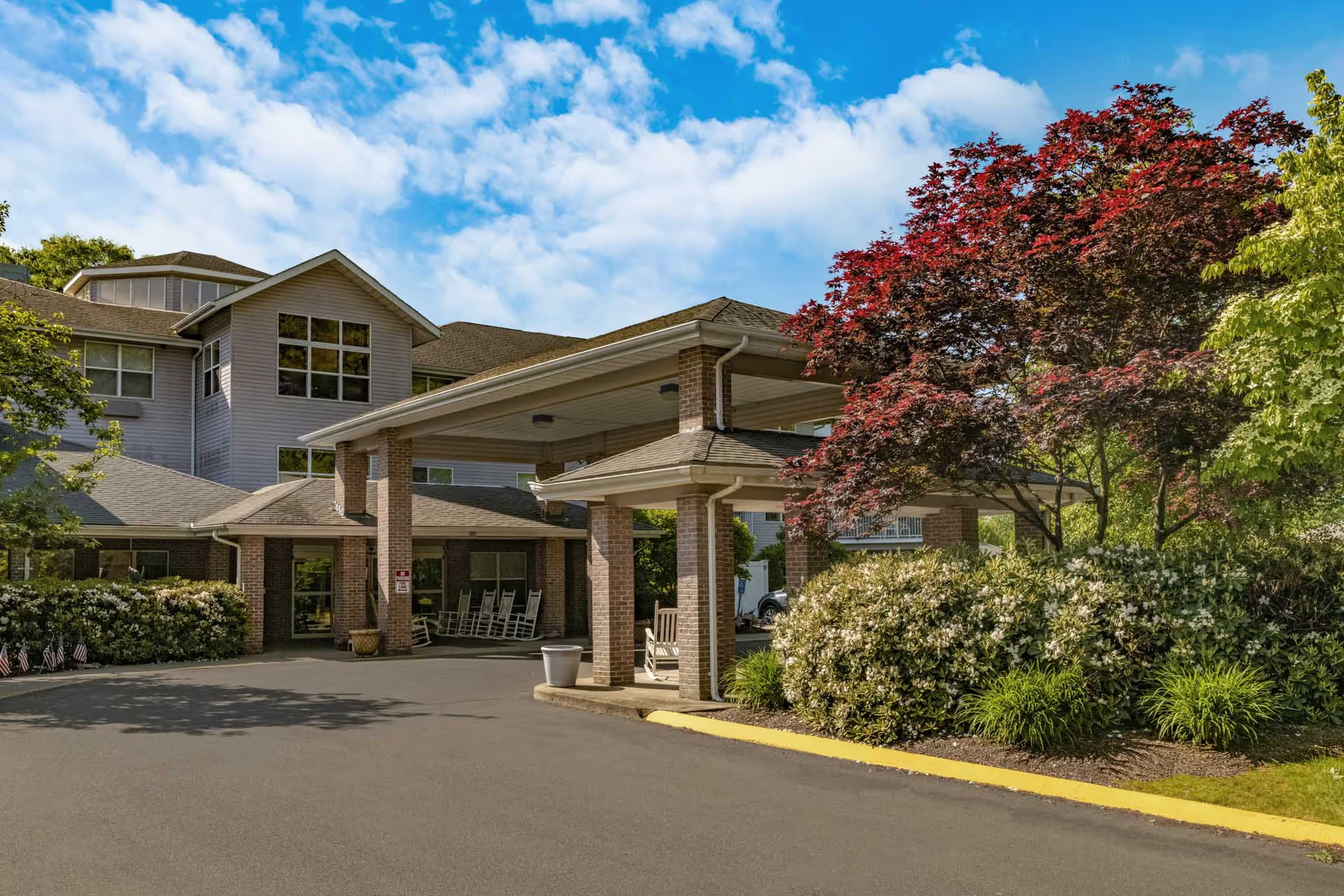
Facilities and housekeeping: The facility’s building and common areas were frequently described as attractive, but the physical plant appears to be aging in places and in need of maintenance. Reviewers described delays in repairing room amenities (phones, TVs, beds) and noted sanitation-related concerns such as inconsistent linen changes, odors in areas, and food-storage/serving practices that warrant review. Maintenance staff received positive mention in a number of accounts, indicating capacity to address issues when prioritized.
Management, communication and care coordination: Admissions and financial staff and certain managers earned praise for responsiveness and advocacy. However, reviewers also described gaps in leadership accountability, uneven staff teamwork, phone/unanswered calls and poor incident communication with families. Discharge planning had successes for some, but repeated examples of transportation failures and coordination breakdowns were described. There are also isolated, serious concerns following a resident’s death that reviewers flagged; these underscore the importance of transparent incident review and family communication processes.
Notable patterns and considerations for families: The strongest consistent positives are the people—individual nurses, CNAs, therapists and social workers who provide caring, competent interactions. The most important operational weaknesses are staffing consistency, medication-safety controls, cleanliness protocols, and reliable discharge/transport coordination. Prospective residents and families should consider touring the building, asking about current staffing ratios and agency staffing use, requesting the facility’s medication-safety and incident-communication policies, and discussing housekeeping and maintenance response times. The facility demonstrates clear caregiving strengths but would benefit from targeted operational improvements to ensure those strengths are delivered reliably across all shifts and services.