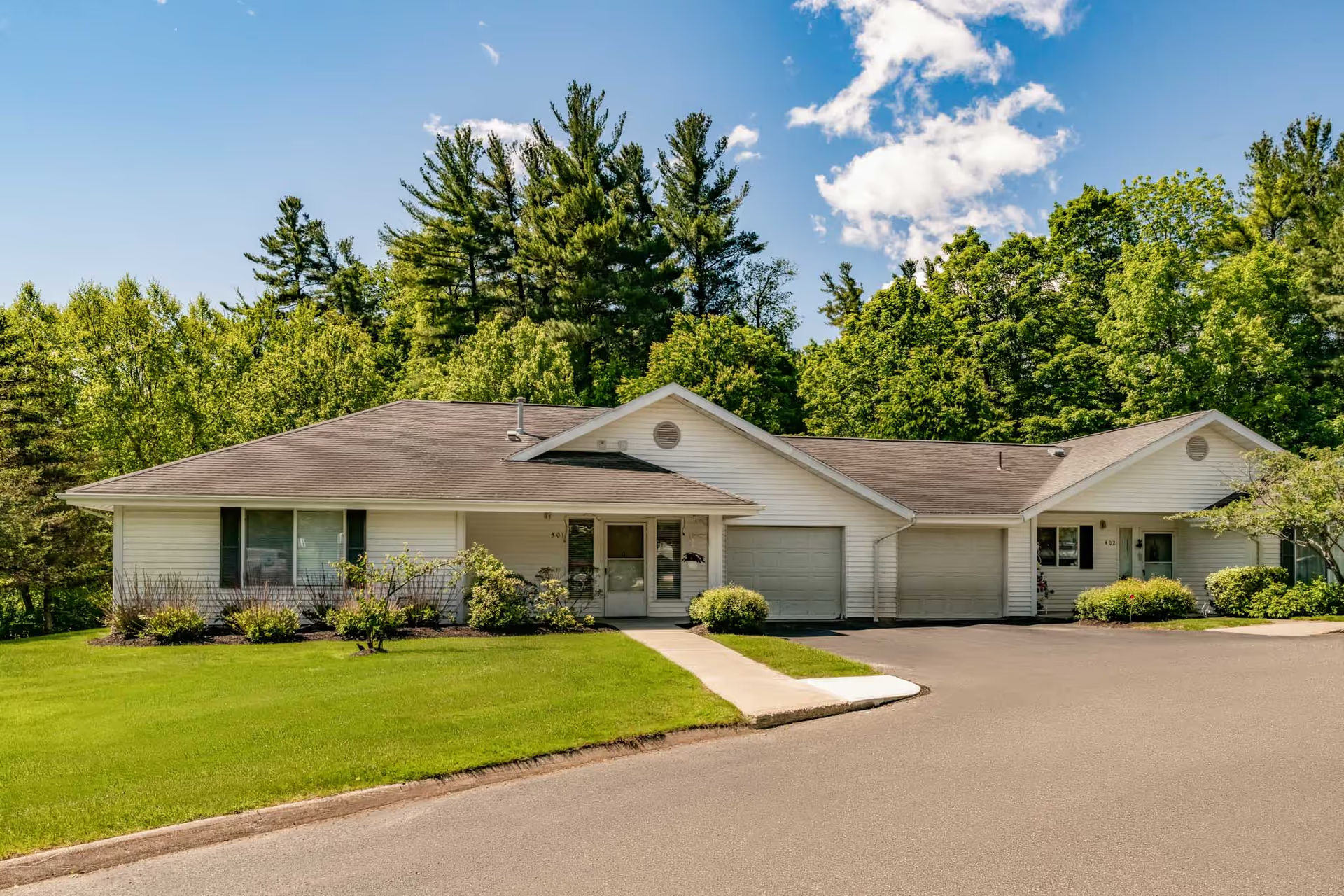
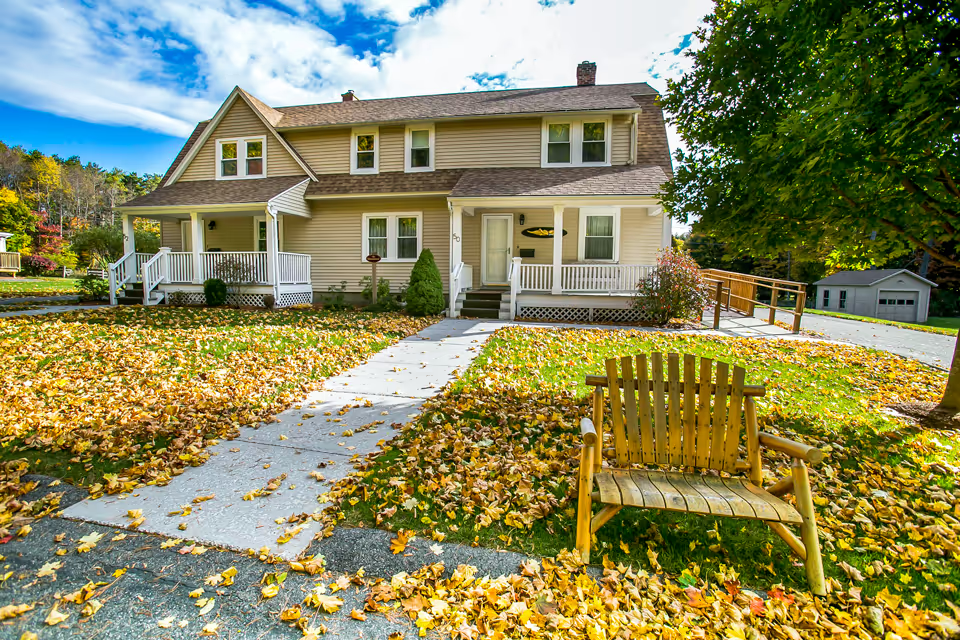
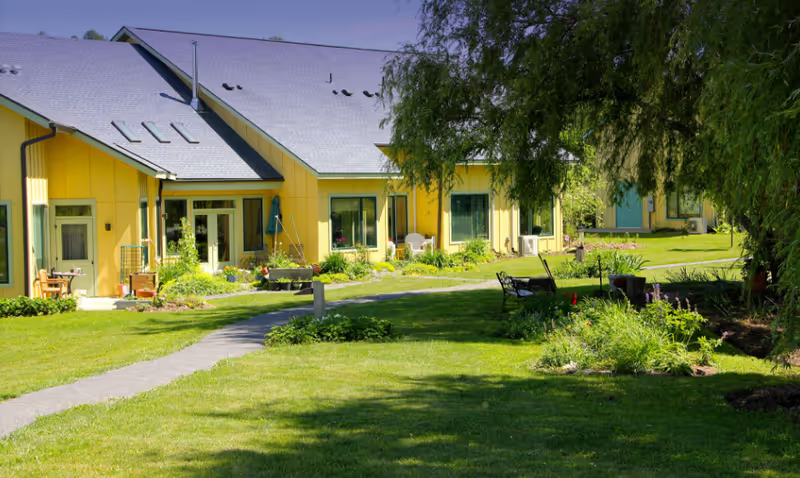
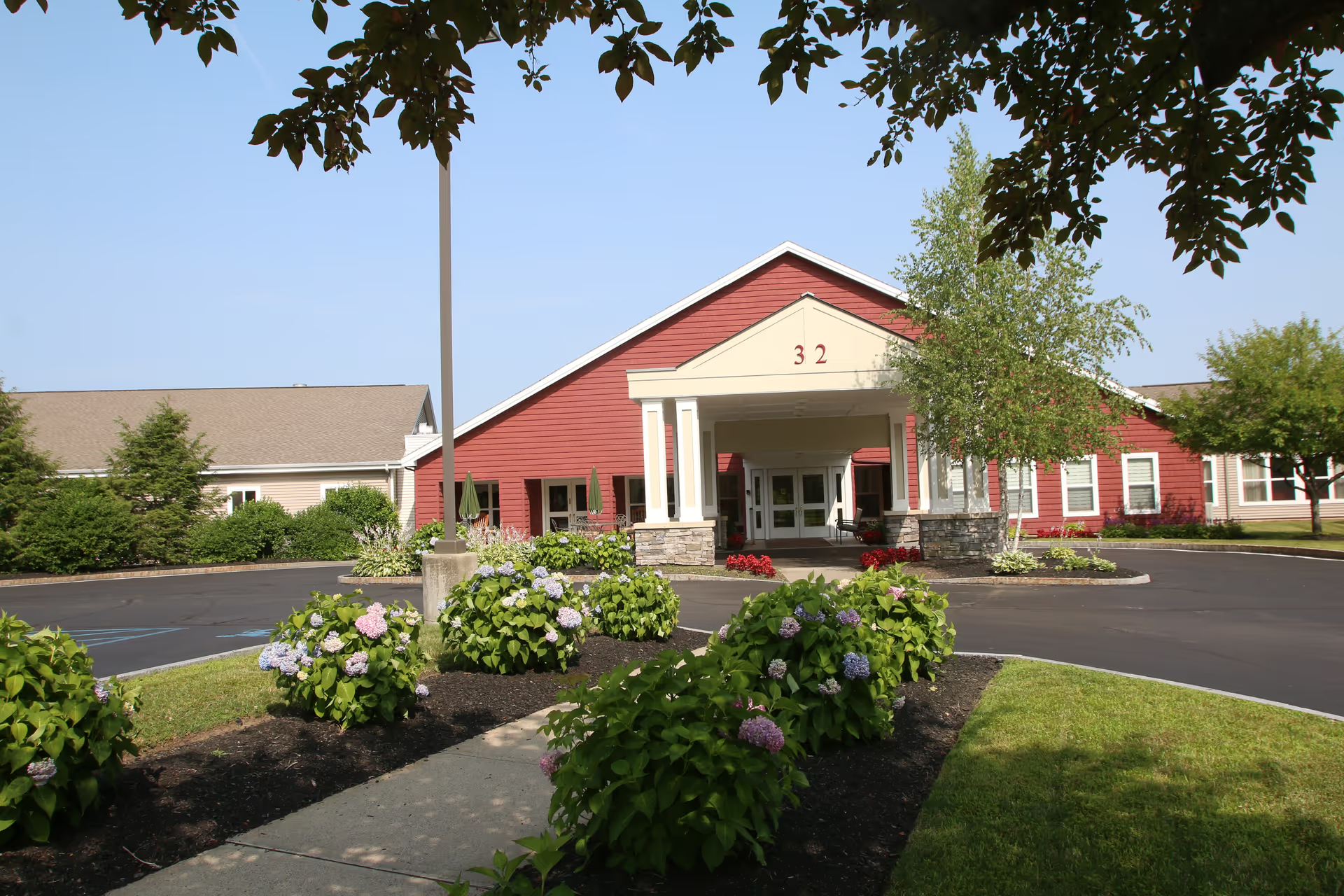
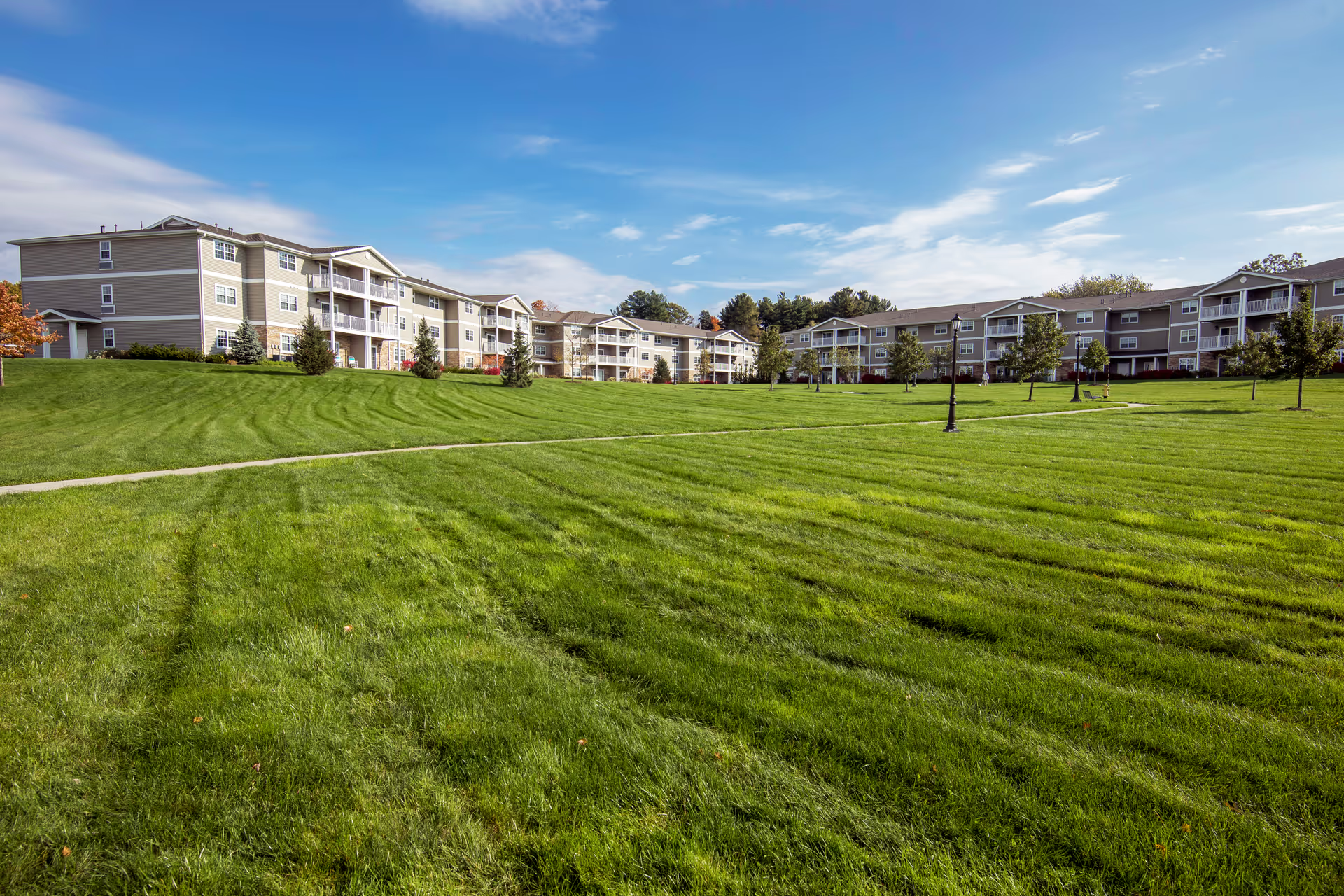
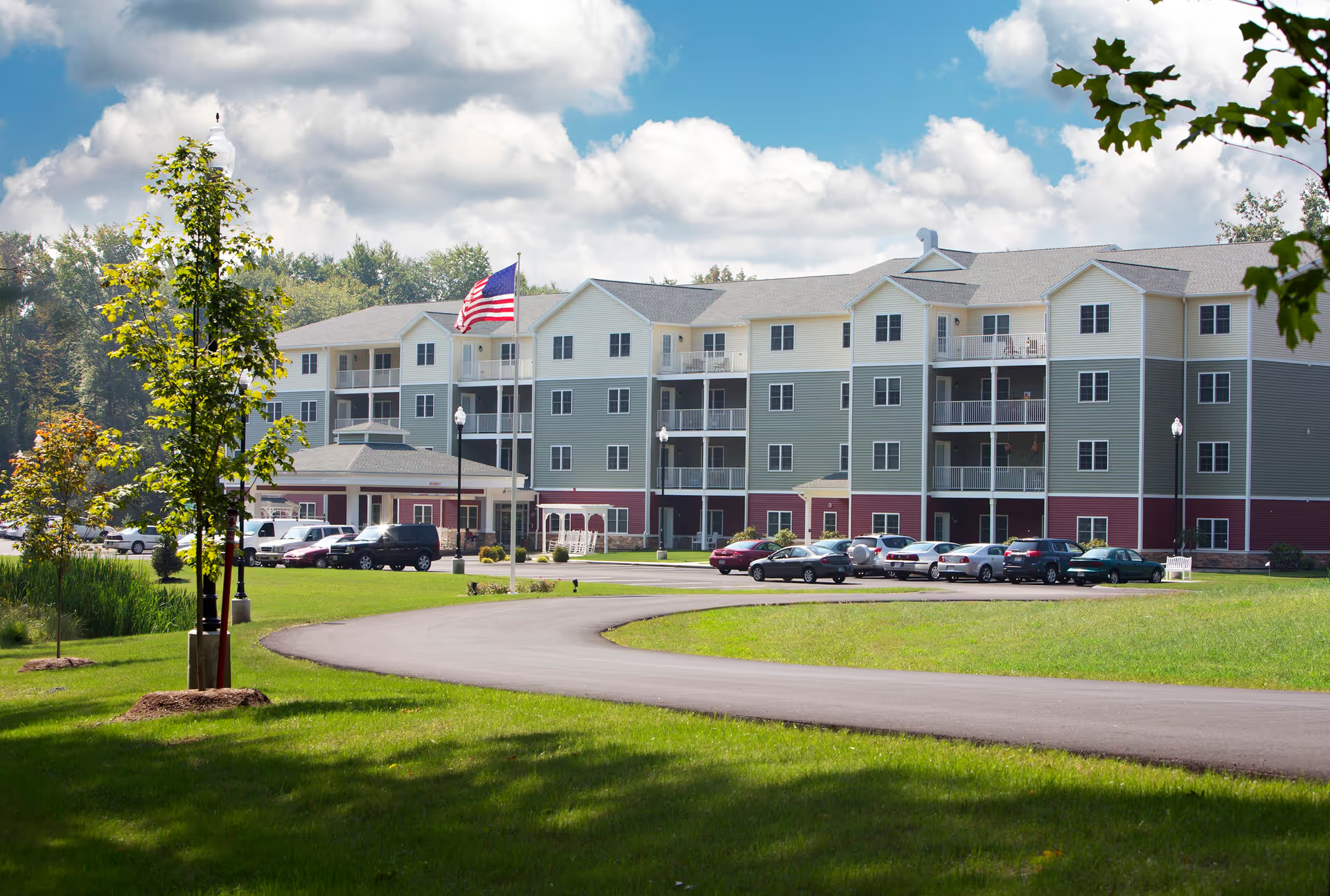
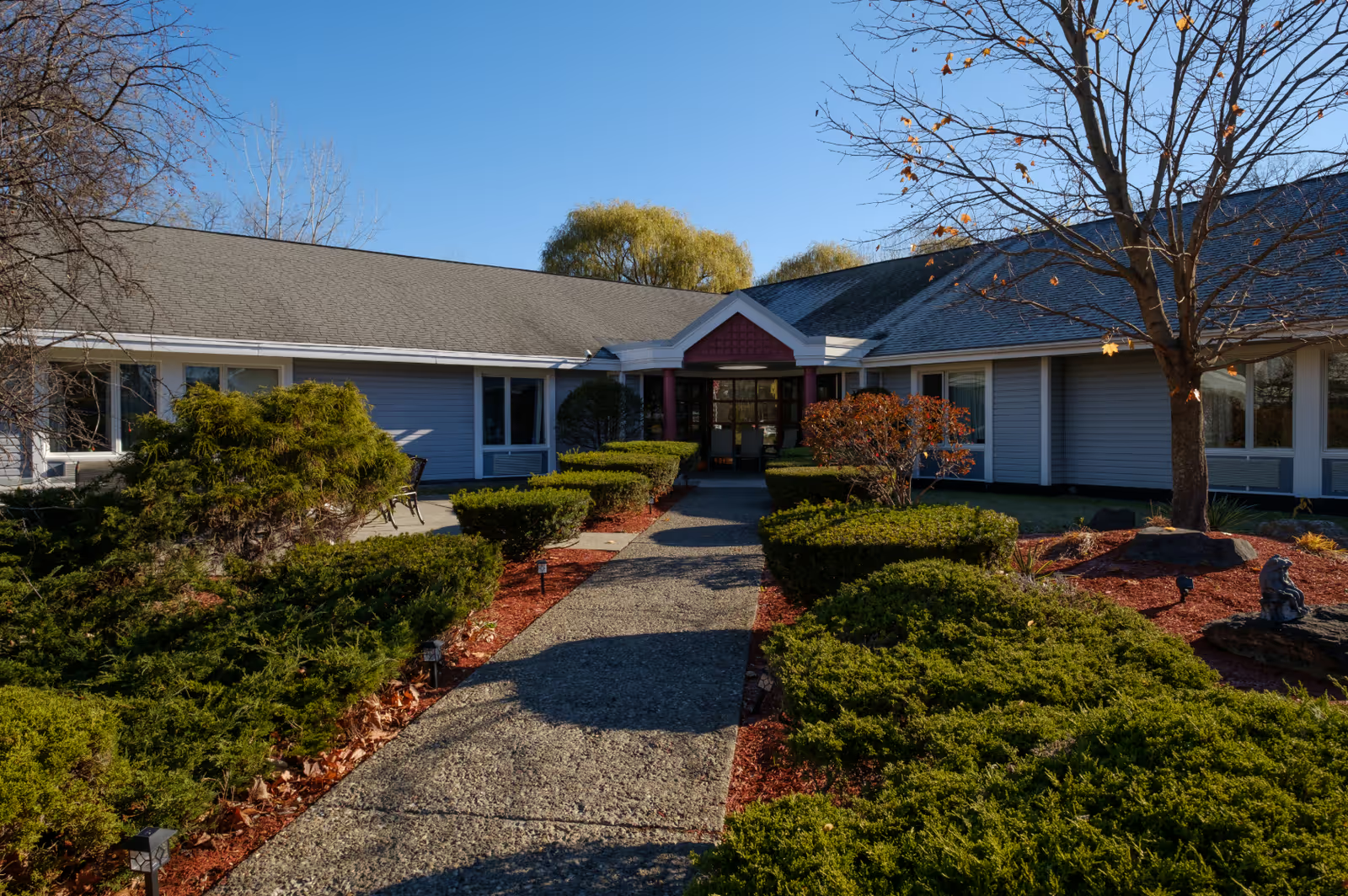
Overall impression: The facility is frequently described as a well-maintained, hotel-like nursing center with a pleasant campus and a quiet Lenox location. Many families highlight the building’s cleanliness, tidy grounds, and private-room features (private bathrooms and bedside LCDs), which contribute to a homelike, comfortable environment. The facility’s small size is experienced positively by many as a more personal atmosphere, though that same scale creates operational limits.
Care and staff: Care quality is characterized largely by compassionate, attentive caregivers. Nursing staff and aides are commonly described as caring, courteous, and willing to engage with residents and families; reviewers emphasize that staff often go the extra mile and develop personal relationships with patients. At the same time, there are consistent observations of variability in staffing: periods of minimal staffing and a workforce that may include less-experienced or younger personnel. Those patterns are associated with delays in basic assistance (for example toileting assistance) and occasional concerns about staff conduct or communication tone. Overall clinical leadership and family engagement are viewed positively, but operational staffing stability appears to be an area of vulnerability.
Rehabilitation services: Rehabilitation (PT/OT) is a clear strength. Reviewers repeatedly praise the skill and effectiveness of the physical and occupational therapy teams and describe excellent rehab outcomes. However, the facility’s limited footprint and communal space can sometimes constrain therapy logistics or make certain rehabilitation sessions more difficult than expected.
Dining and kitchen operations: Dining is a mixed area. The dining rooms and presentation are frequently praised—several reviewers describe an appealing dining environment and multiple meal options—yet there are consistent comments about variability in food quality, late service, and occasional food-safety concerns. Reviewers also reference instability in kitchen management, which appears linked to the inconsistent meal experience. For families who prioritize dining continuity and consistent meal service, this is a point to probe during a visit.
Activities and amenities: The activity program offers a range of daily options, including crafts and fitness, which residents and families find engaging. Outdoor access and pleasant grounds support socialization and fresh-air opportunities. Amenities such as in-room entertainment and private bathrooms are notable strengths. The small size supports individualized attention but also results in limited communal seating and fewer comfortable common-area options than larger facilities.
Management and notable patterns: Taken together, the reviews describe a facility with strong environmental and relational strengths—cleanliness, attractive spaces, empathic caregivers, and high-quality rehab—paired with operational weaknesses tied to staffing levels, food-service consistency, and constrained physical space. Prospective residents and families should weigh the personal attention and rehabilitation strengths against potential delays in routine care, variability in clinical experience among staff, and intermittent kitchen/food-service disruptions. During a tour, it would be advisable to ask about current staffing ratios, kitchen leadership stability, restroom and common-area availability, and how therapy space and schedules are managed to mitigate the facility’s size-related constraints.