The reviews for Devereux Skilled Nursing and Rehabilitation Center present a mixed picture: many families and visitors praise hands-on caregiving, rehabilitative engagement, and certain administrative and dining strengths, while other accounts identify significant operational and clinical weaknesses. Positive comments emphasize staff members who are warm, attentive, and engaged with residents; effective rehabilitation experiences; clean rooms and a homelike atmosphere; and a kitchen team able to accommodate specialized dietary needs. Several reviewers also described compassionate hospice and end-of-life support.
Care and staffing present a clear pattern of variability. Numerous comments describe nurses and aides who are kind, helpful, and proactive in daily care and therapy; these staff contribute to positive rehab outcomes and social engagement through activities such as music. At the same time, other accounts describe inconsistent responsiveness to clinical concerns and delays in escalation during urgent events. This variability appears to reflect uneven staff competency and professionalism across shifts or units rather than a uniform staffing model.
Clinical processes and outcomes surfaced as recurring areas of concern. Reviewers raised issues consistent with weaknesses in pain-management protocols, gaps in infection prevention and clinical monitoring, and pressure‑injury prevention shortcomings. Some families reported notable weight loss and infections that required outside intervention, which points to opportunities for stronger nutrition oversight, earlier clinical escalation, and tighter infection-control practices.
Dining and activities are relative strengths for many residents. The facility’s food-service leadership was singled out for accommodating special diets (for example, gluten‑free meals), and activity programming such as music and social engagement receives positive mention. These elements contribute to the facility’s homelike feel and support resident quality of life when they are functioning well.
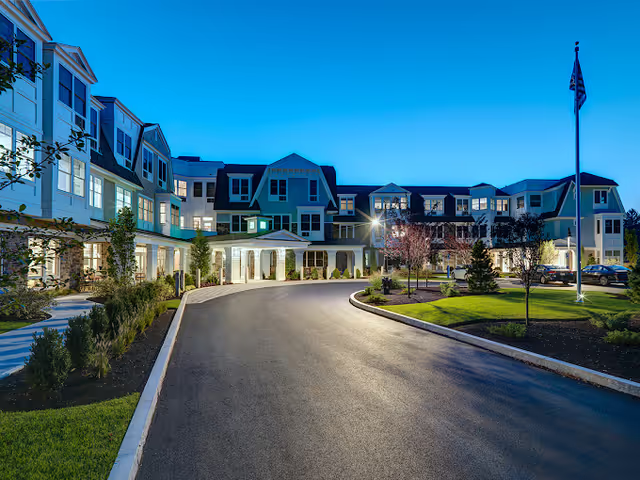
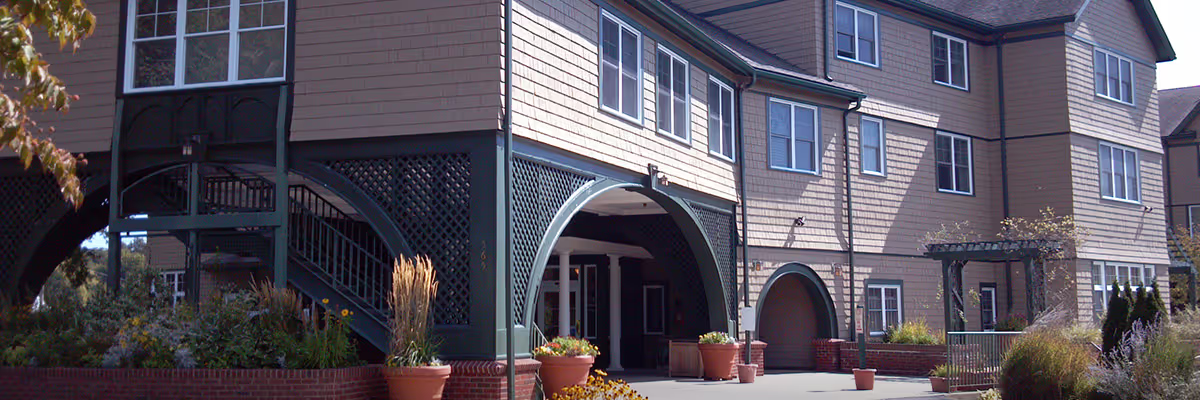
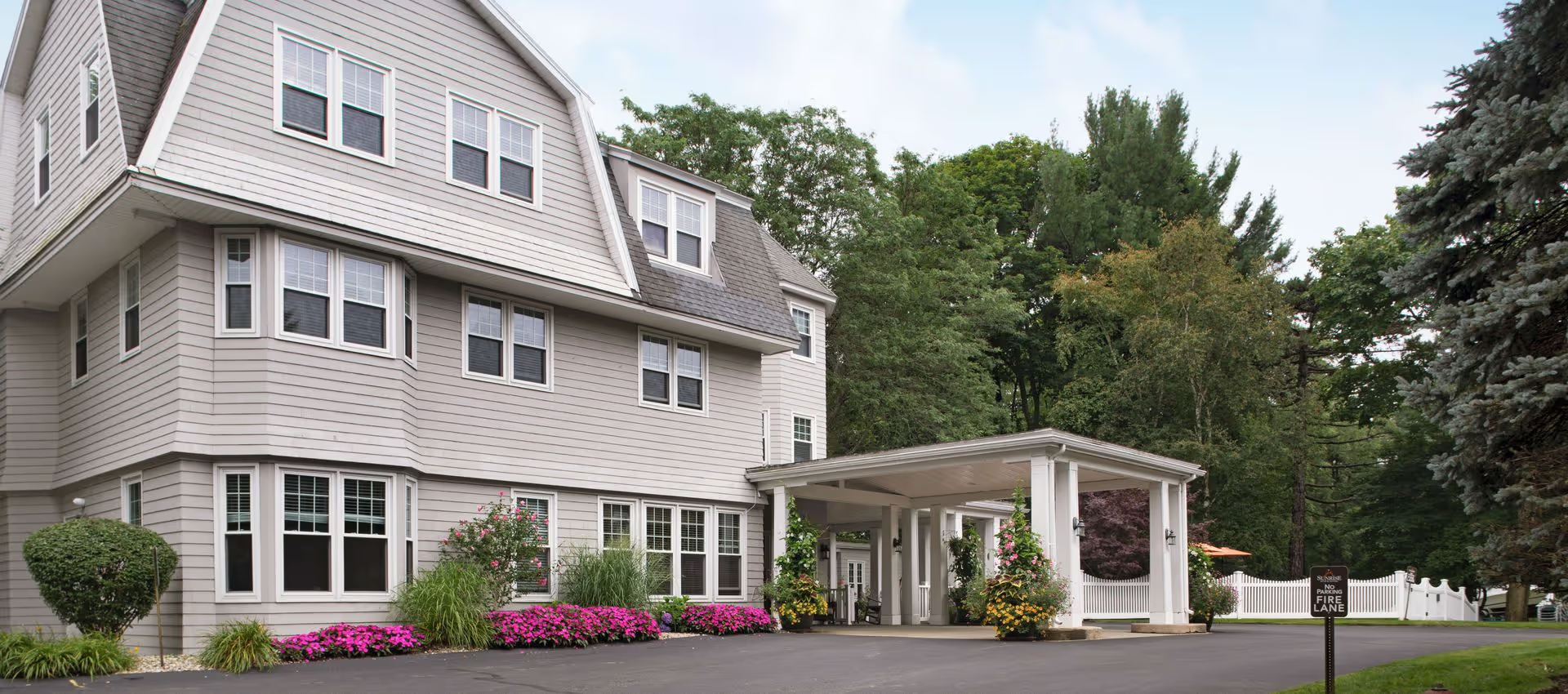
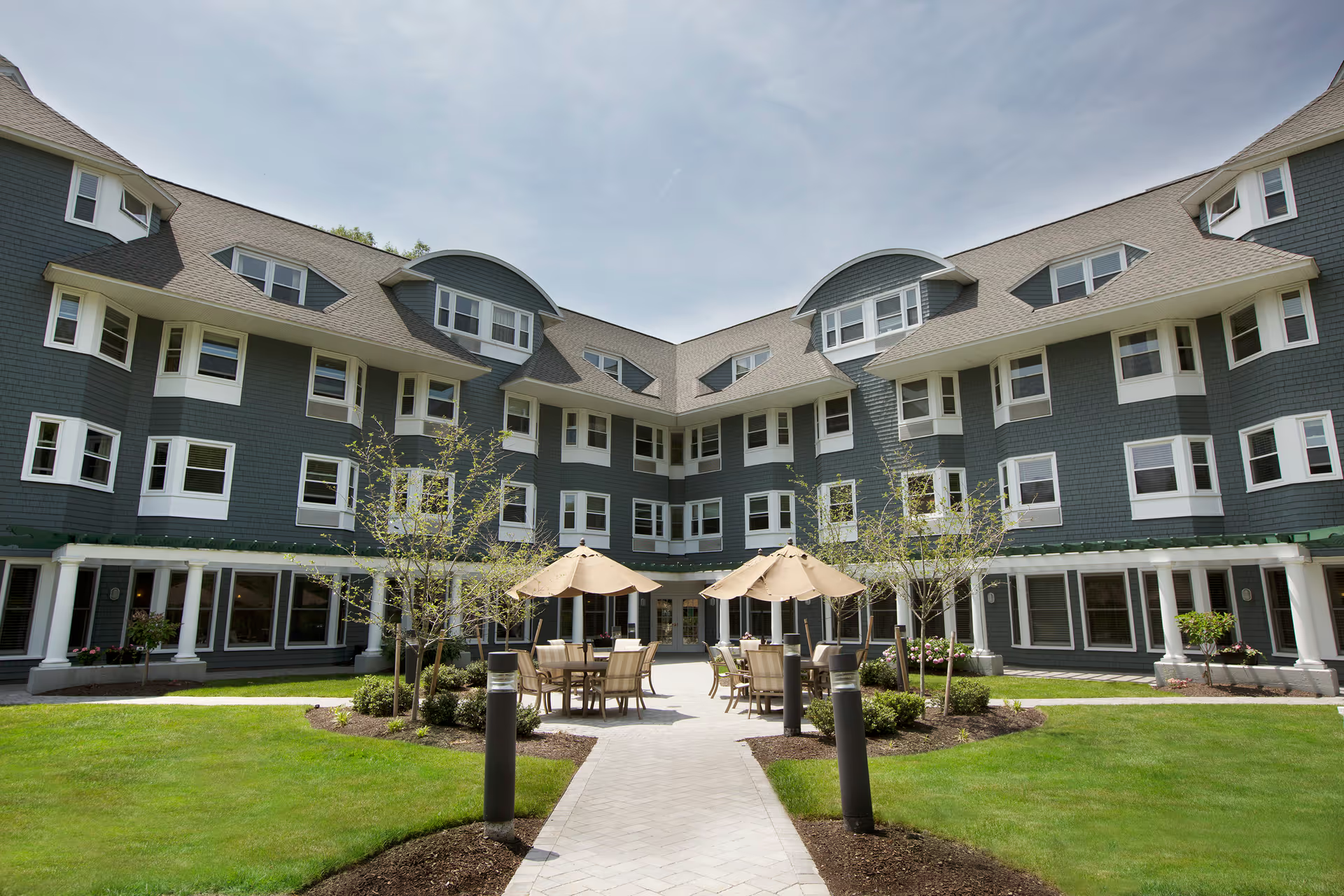
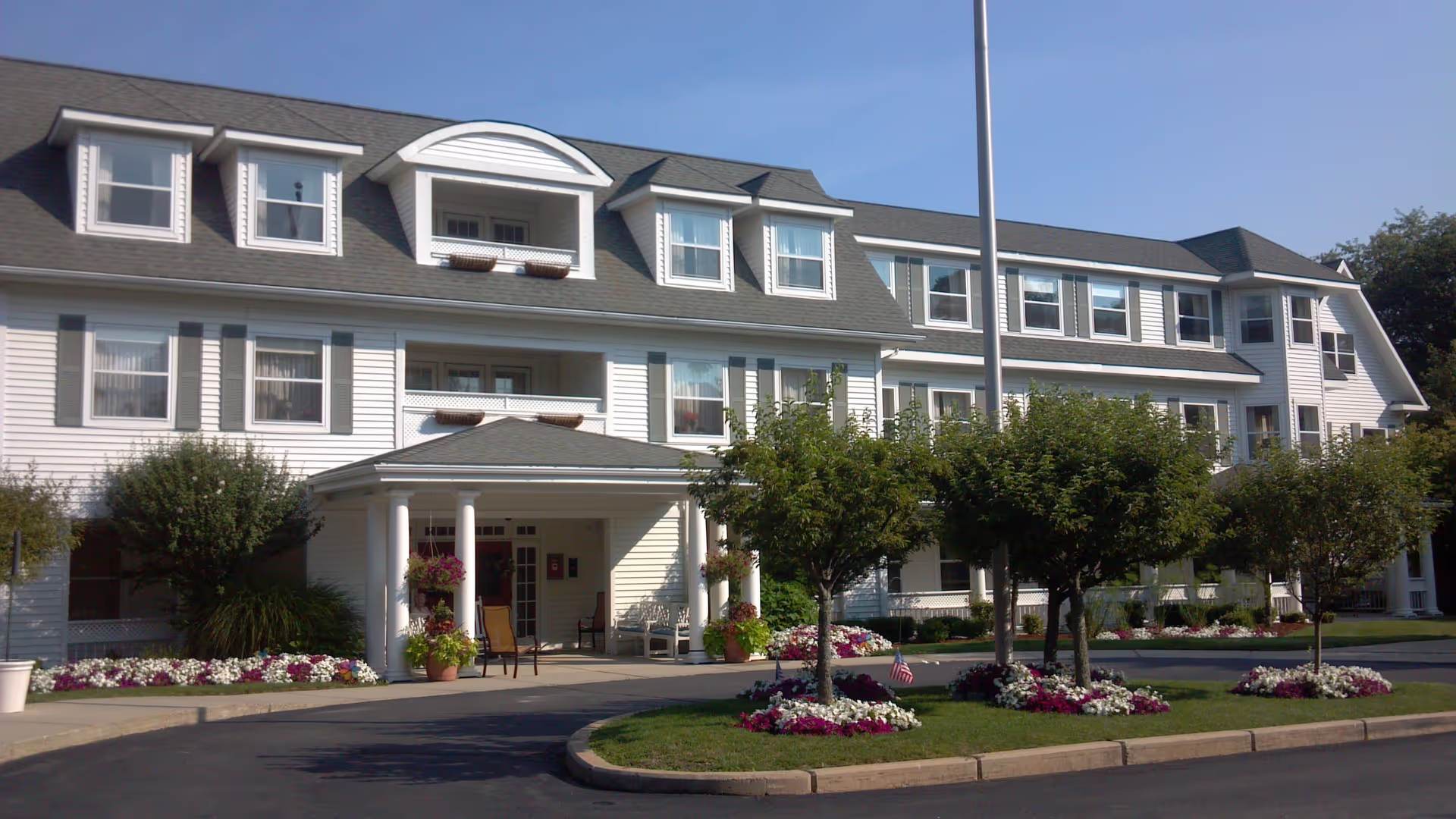
Facilities and environment comments are mixed. Clean, well-kept rooms and made beds were noted positively, but other reviewers described environmental comfort problems — harsh lighting, noise at night, and drafty windows or doors — along with maintenance issues such as broken bathroom fixtures. These conditions can affect residents’ comfort and sleep, and they point to the need for more consistent facility upkeep and noise/lighting controls.
Management and communication emerge as important themes. Several reviewers described helpful, caring administrative staff; however, others cited inconsistent care planning, miscommunication about clinical status, and discrepancies between documented progress and family perceptions. Strengthening documentation practices, standardizing family communication protocols, and ensuring transparent clinical updates would likely address several of the concerns raised.
In summary, Devereux shows notable strengths in compassionate caregiving, rehabilitation engagement, dietary accommodations, and some aspects of facility cleanliness and programming. Concurrently, persistent operational issues — inconsistent responsiveness, variable staff competency, gaps in clinical monitoring and infection control, pressure‑injury prevention, and facility maintenance — recur in critiques and merit attention. Prospective residents and families should weigh the facility’s rehabilitative and social strengths against these operational and clinical risks, and discuss specific safeguards (staffing levels, care-planning processes, infection-control measures, and maintenance responsiveness) with administrators during any tour or admission conversations.