Lafayette Rehabilitation appears to be a small, home-like facility whose principal strengths are its caregiving staff and therapy program. Reviewers repeatedly emphasize skilled therapists, attentive nurses and CNAs, and an environment described as respectful and supportive for recovery. Families and discharge summaries include positive comments about rehabilitation progress, staff dedication, and a clean, well-kept atmosphere that many found comforting.
Care quality and staff conduct are the facility's most consistently praised elements. Multiple accounts highlight engaged, compassionate caregivers and a cohesive care team; administration is described as helpful and proactive in admissions and communication. At the same time, there are recurring concerns about clinical responsiveness. Several reviewers described significant delays when residents sought assistance (one description cited a wait on the order of 30 minutes), and these delays were characterized as creating potential safety and comfort risks. This pattern suggests a gap between staff competence and response-time reliability that prospective families should clarify during visits.
Activities are a clear strength: activity coordinators and programming drew positive remarks for being engaging and respectful of residents' needs. Dining and meal quality receive little consistent comment in the available summaries; there is insufficient information to draw conclusions, so families should ask for sample menus and meal-service routines during a tour.
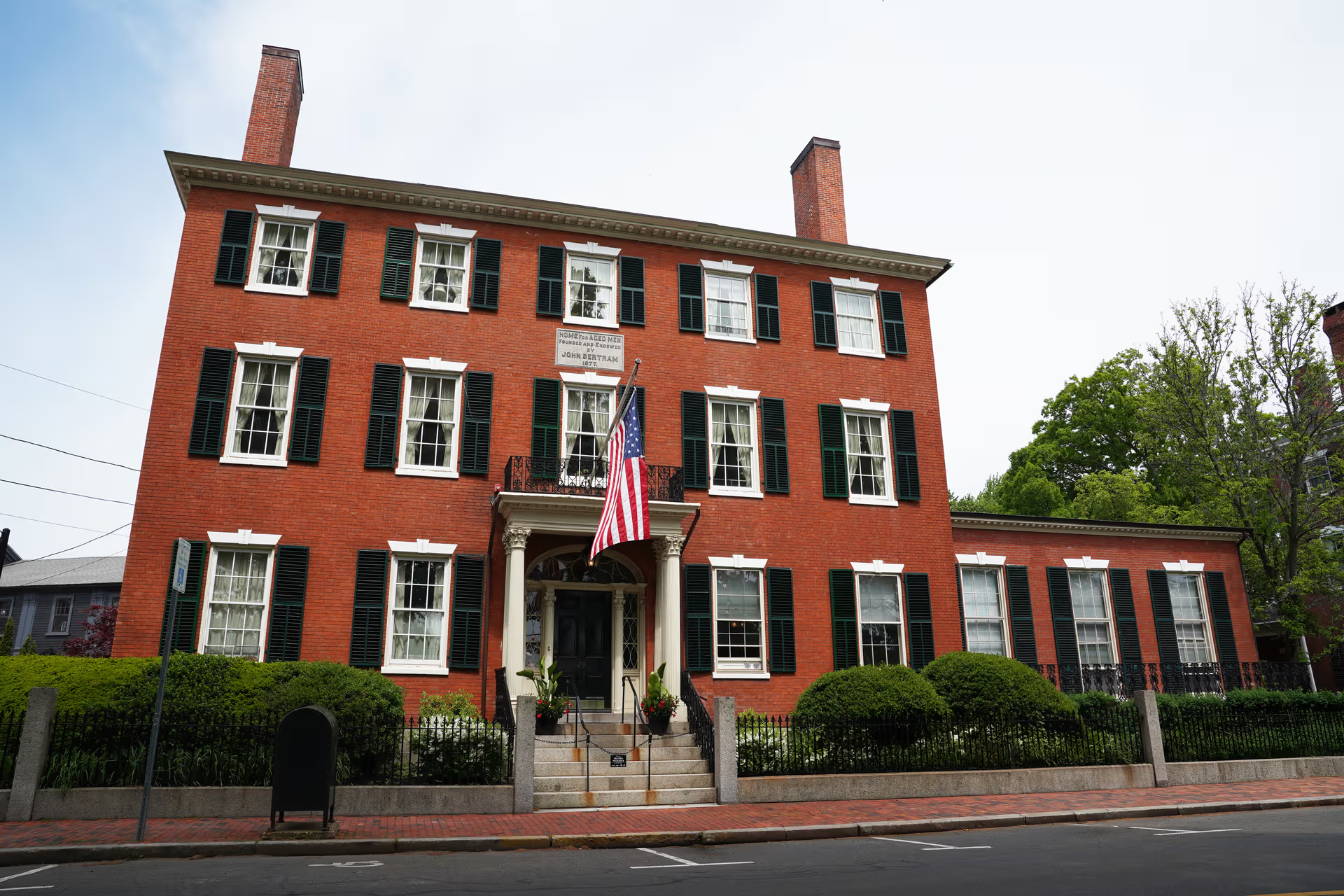
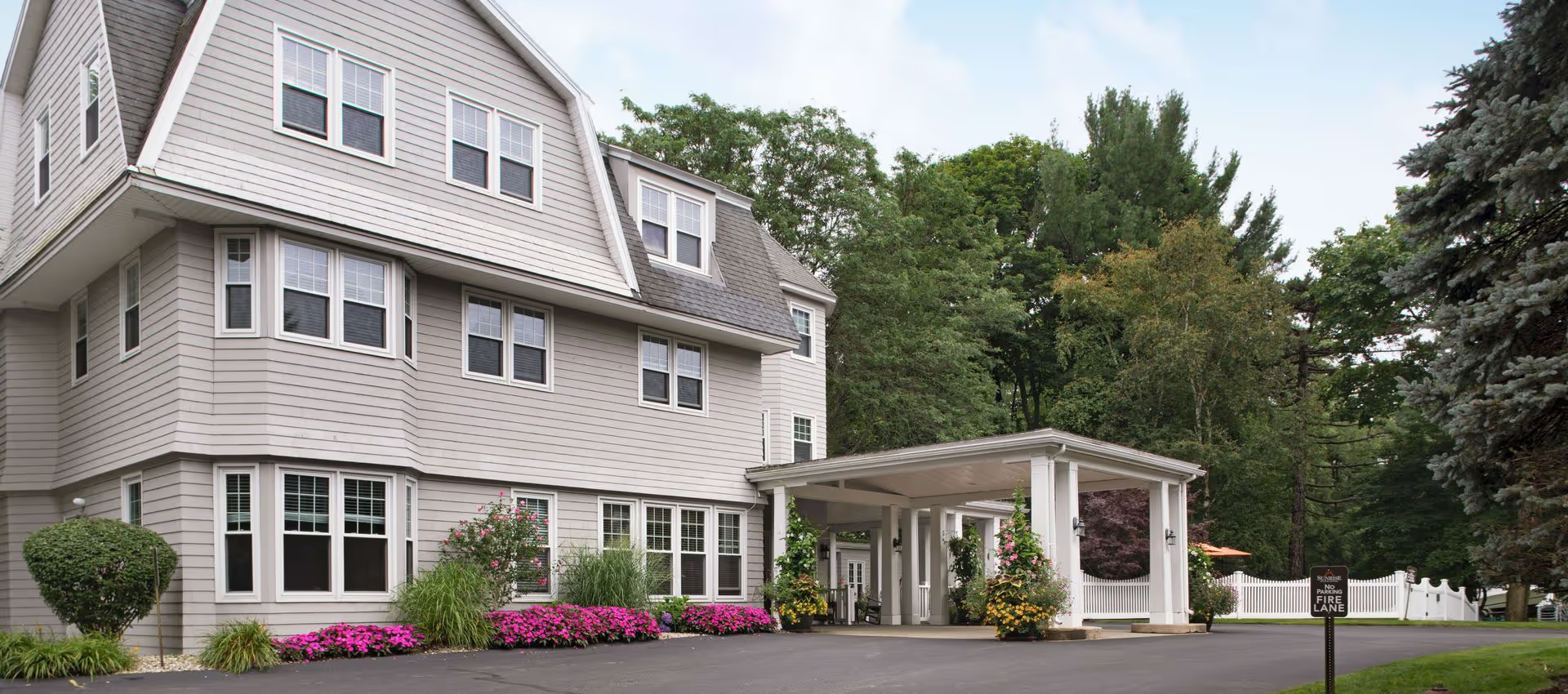
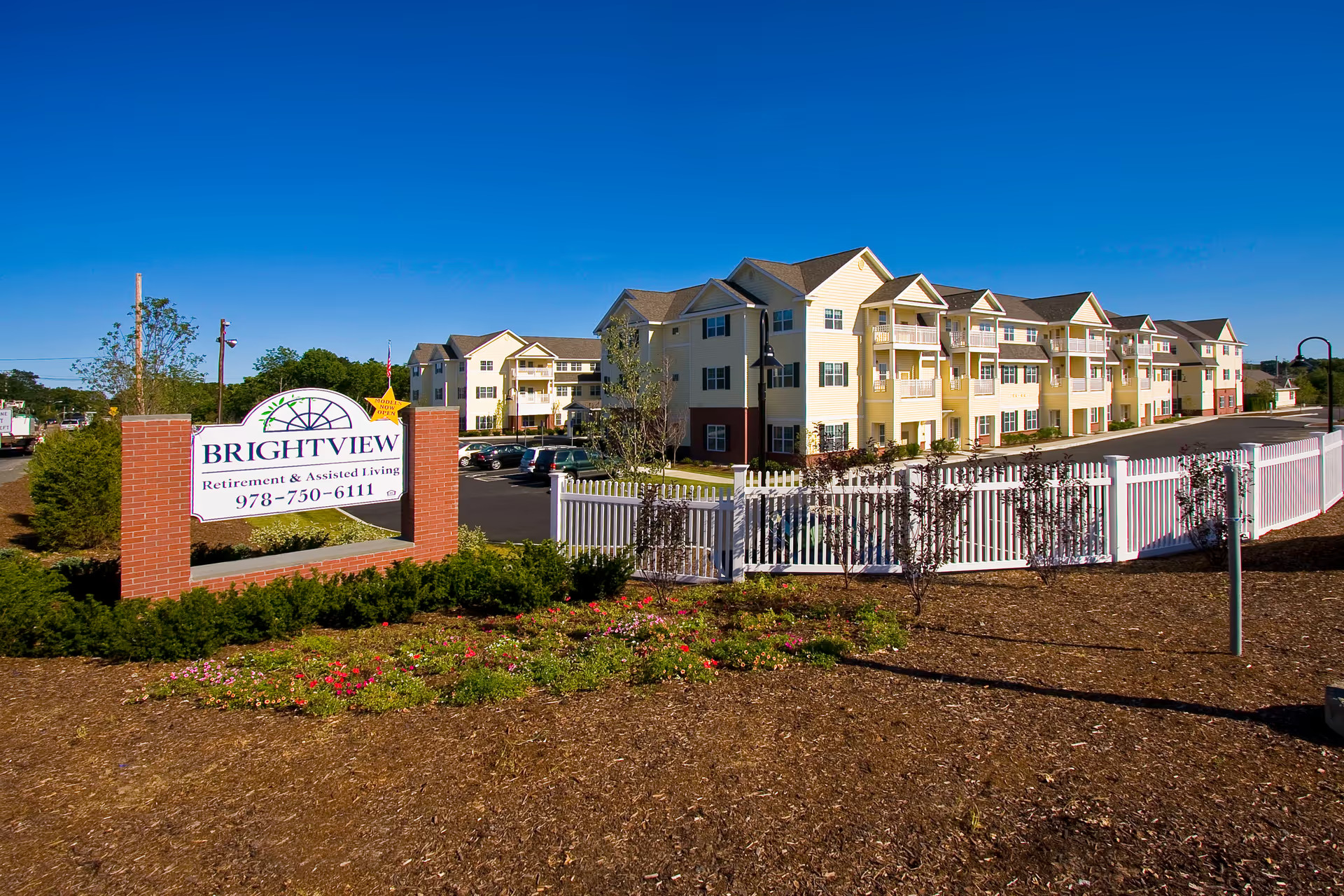
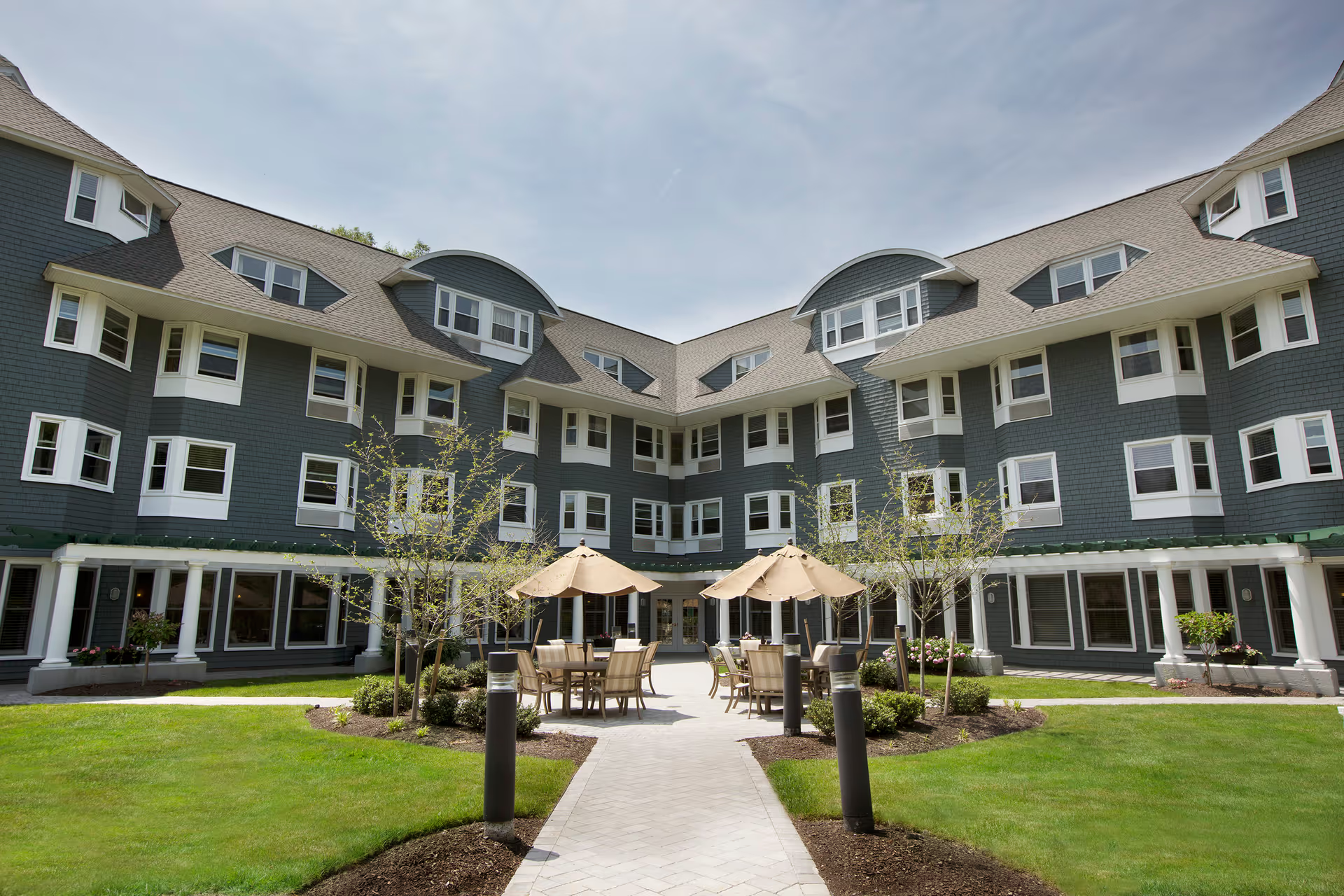
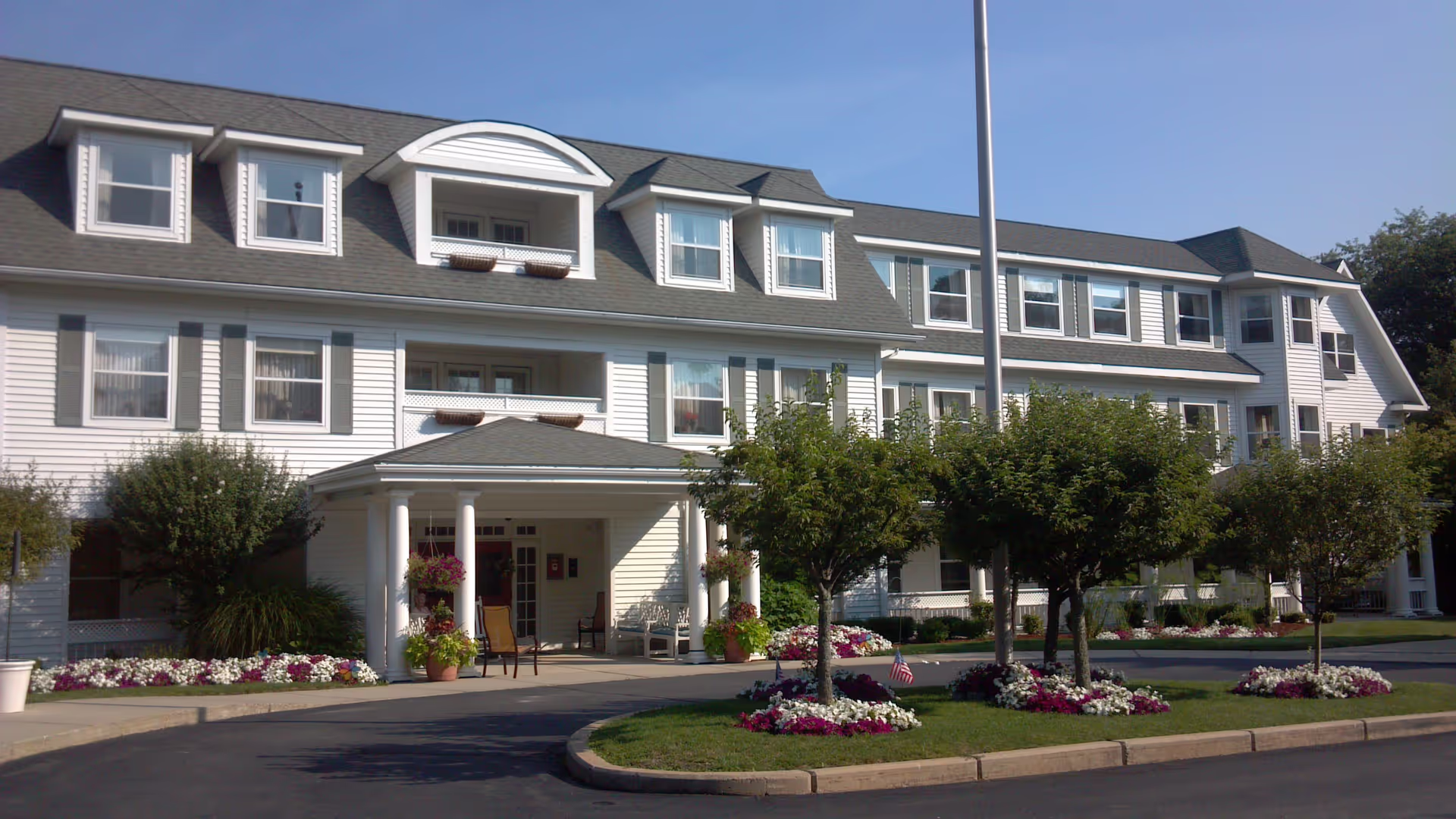
The facility's physical plant is a mixed picture. Many reviewers praised the cleanliness and homey maintenance of the building, but the structure is repeatedly described as older, with dated furnishings and decor that some find comforting while others see as in need of renovation. Practical issues called out include a confusing interior layout, tight walkways, and an older elevator—factors that can affect mobility, traffic flow, and emergency operations. Modernization of common areas and upgrades to circulation and mechanical systems were suggested implicitly across comments.
Management practices receive generally favorable notes for admissions responsiveness and administrative help, but operational improvements appear warranted. The most notable pattern is a contrast between strong clinical skill and occasional operational lapses in responsiveness and physical infrastructure. Prospective residents and families should weigh the facility's strong caregiving culture and therapy outcomes against the limitations of the building and inquire specifically about staffing ratios, average response times for call lights, and planned capital improvements before making a placement decision.