The reviews present a mixed but consistent set of themes: Marlborough Hills demonstrates clear strengths in rehabilitation, activities, and individual staff relationships, while also showing operational inconsistencies that affect the long‑term care experience. Outpatient and inpatient therapy services (physical and occupational therapy) receive frequent, specific praise for professionalism and measurable functional improvement. Activity and spiritual programming are highlighted as a major strength; reviewers cited robust schedules, theme nights, offsite outings and church involvement that support resident engagement and morale.
Care staffing elicits polarized feedback. Many families and residents praised CNAs, nurses, social workers and certain named staff for compassionate, individualized attention and effective counseling. Wound care and some aspects of nursing practice are described as focused and effective. At the same time, reviewers note recurrent issues with staffing levels, delayed responses to call bells, inconsistent assistance with routine tasks and variable communication tone from staff. Medication-management problems and intermittent pharmacy/supply shortages are described in multiple accounts, creating a pattern-level concern about clinical reliability and oversight.
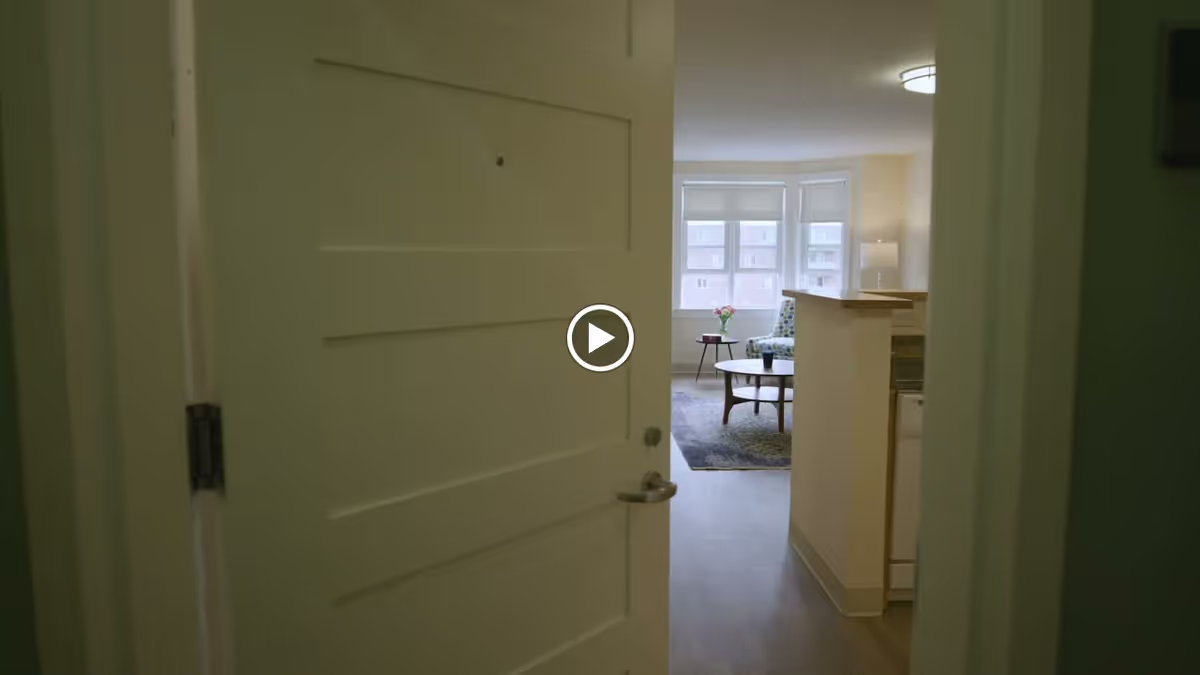
Dining and housekeeping perceptions are mixed. Several reviewers praised menu variety, specific favorite entrees, and a weekly menu-review process, while others described inconsistent meal quality and problems with dietary management for residents with medical needs. Housekeeping and room cleanliness were praised by many visitors, but other reviewers raised sanitation and odor concerns in particular areas and shifts. Laundry handling and loss of personal clothing are recurring operational complaints that families report as frustrating and disruptive.
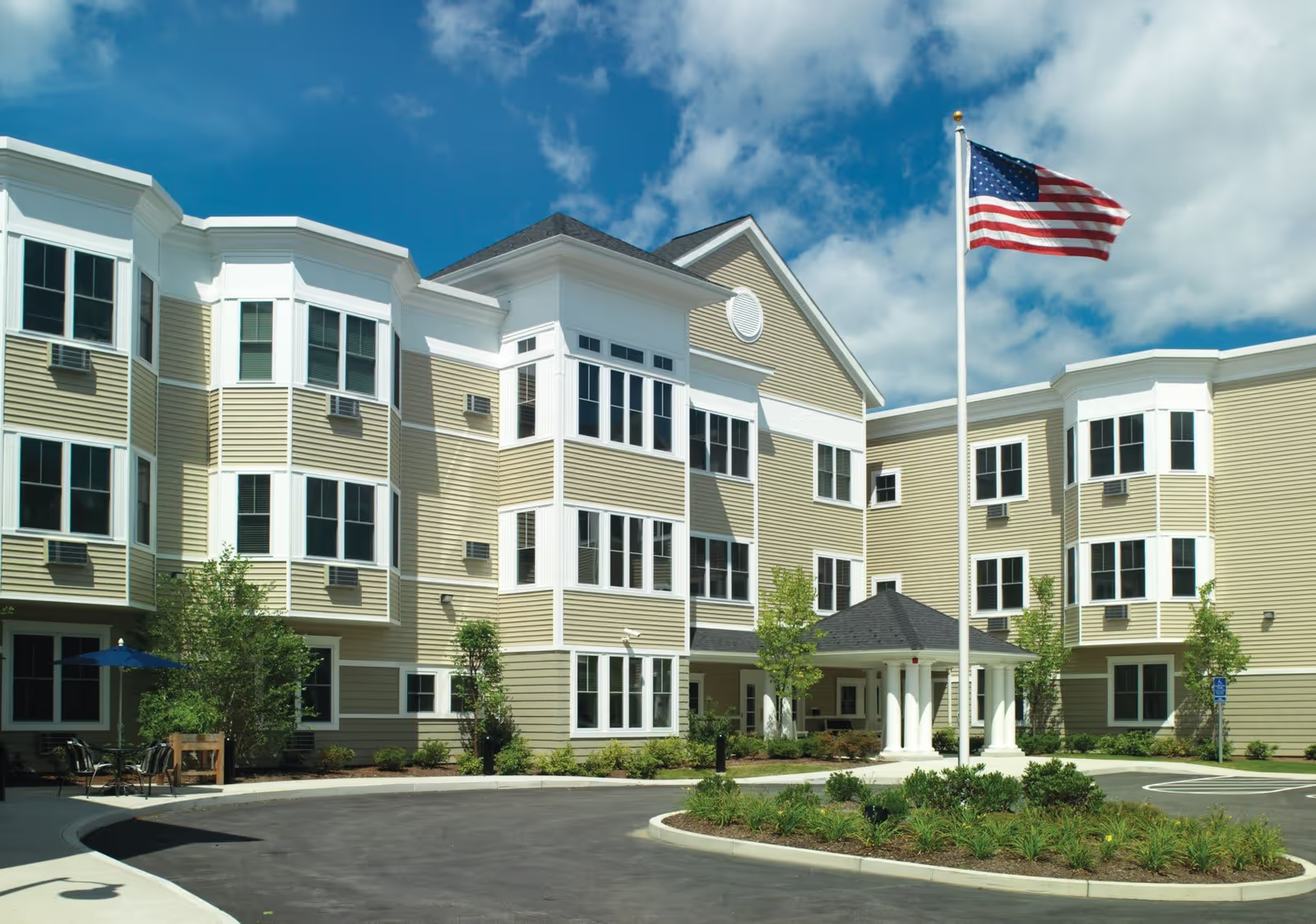
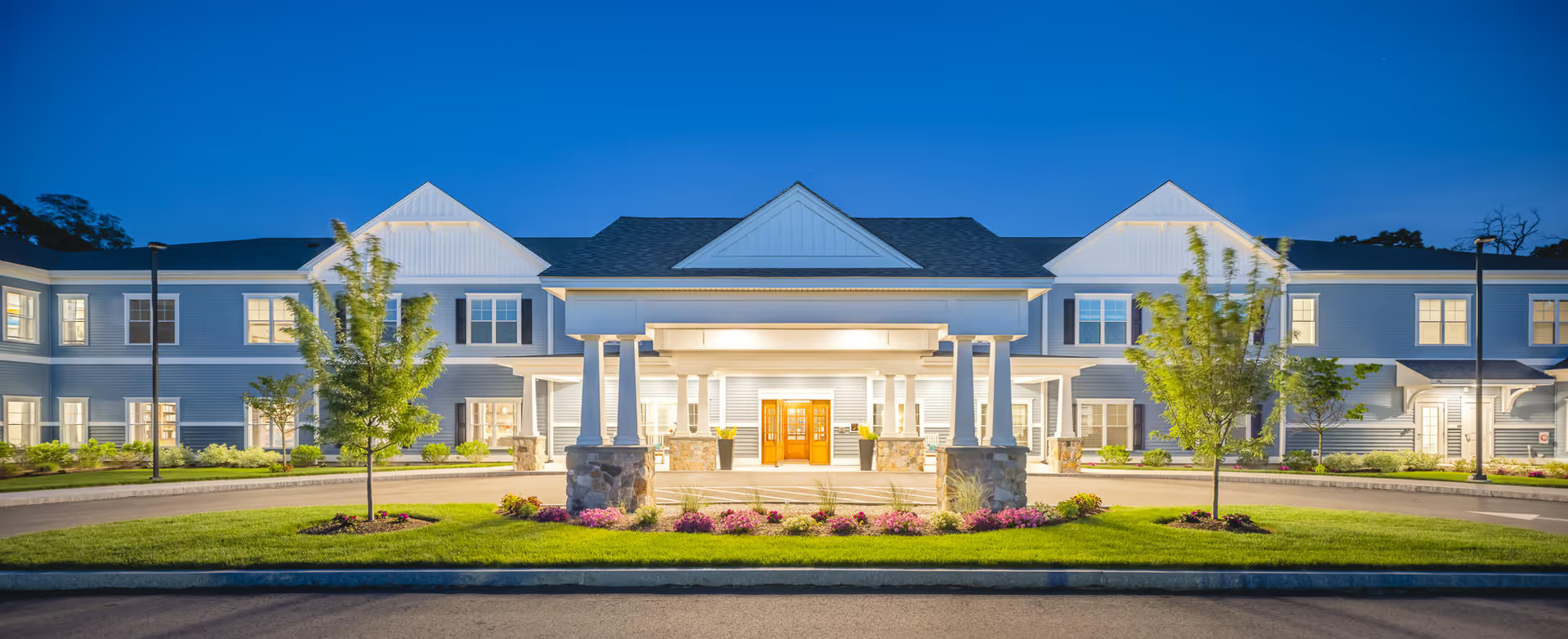
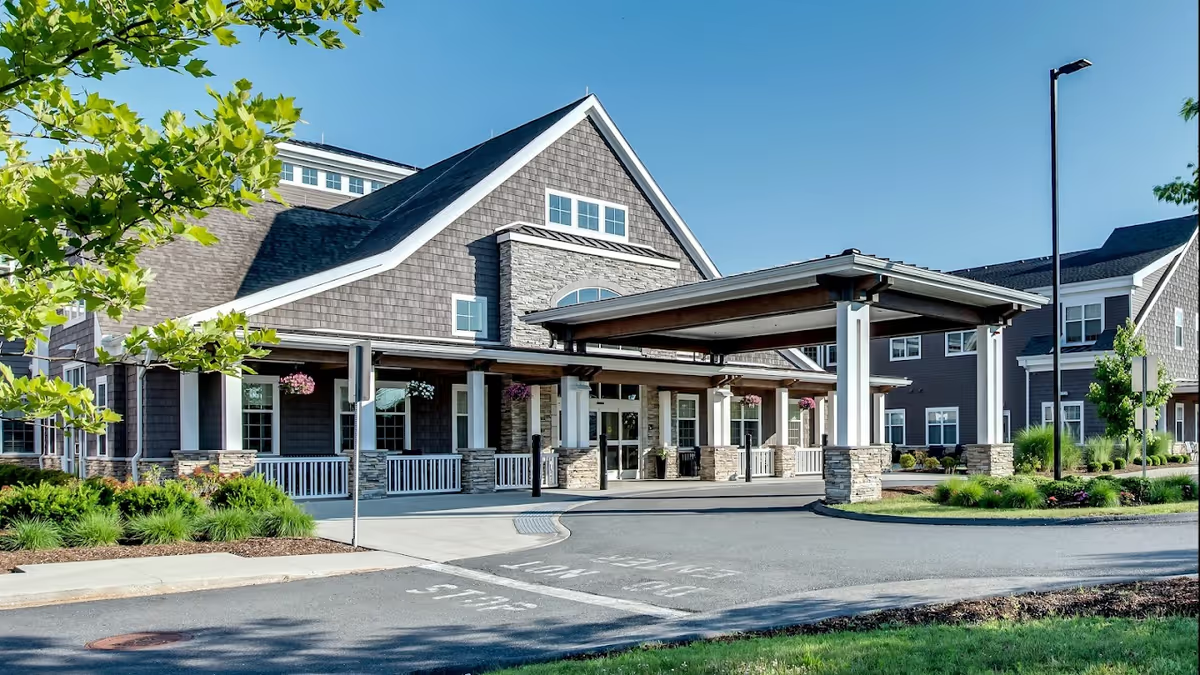
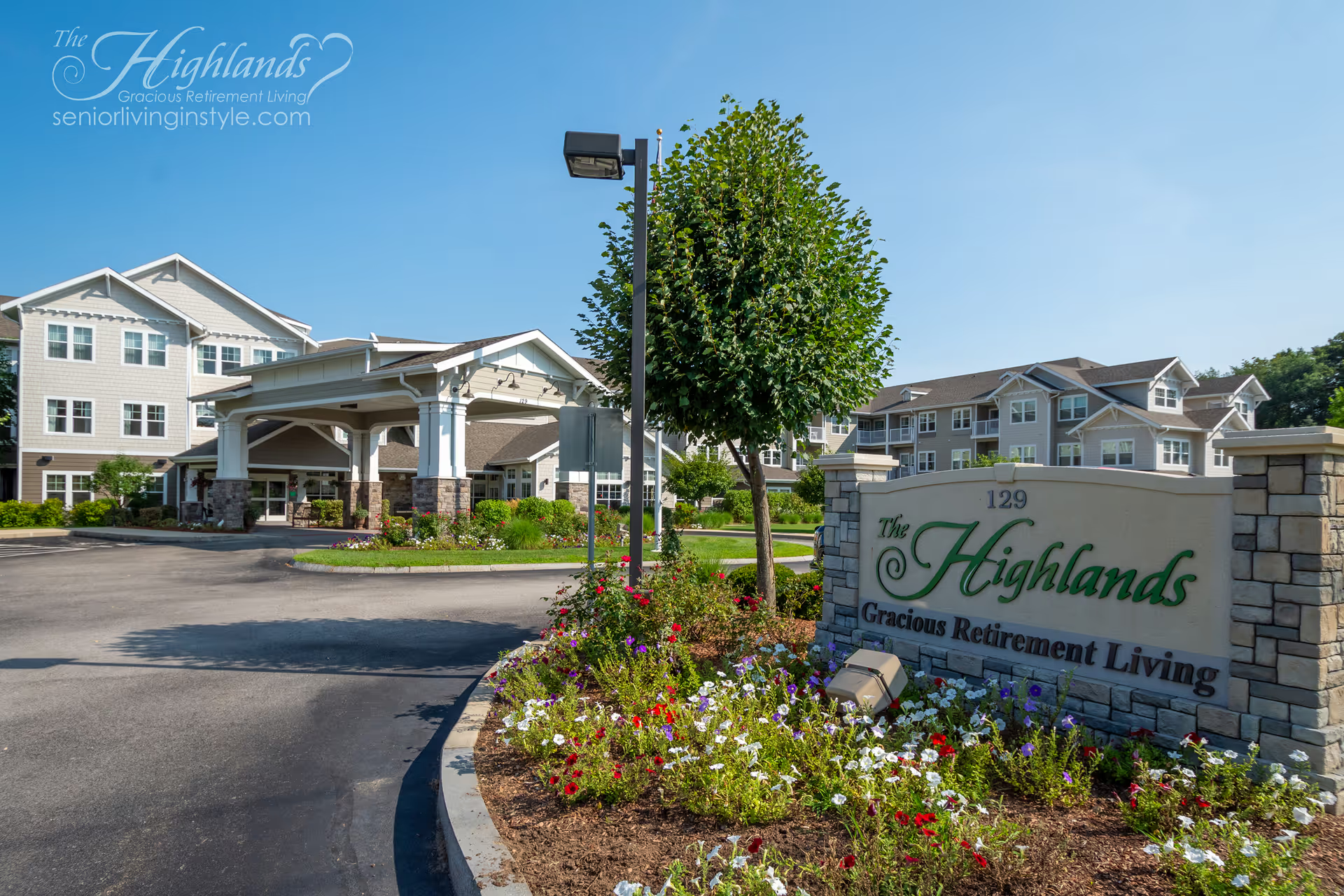
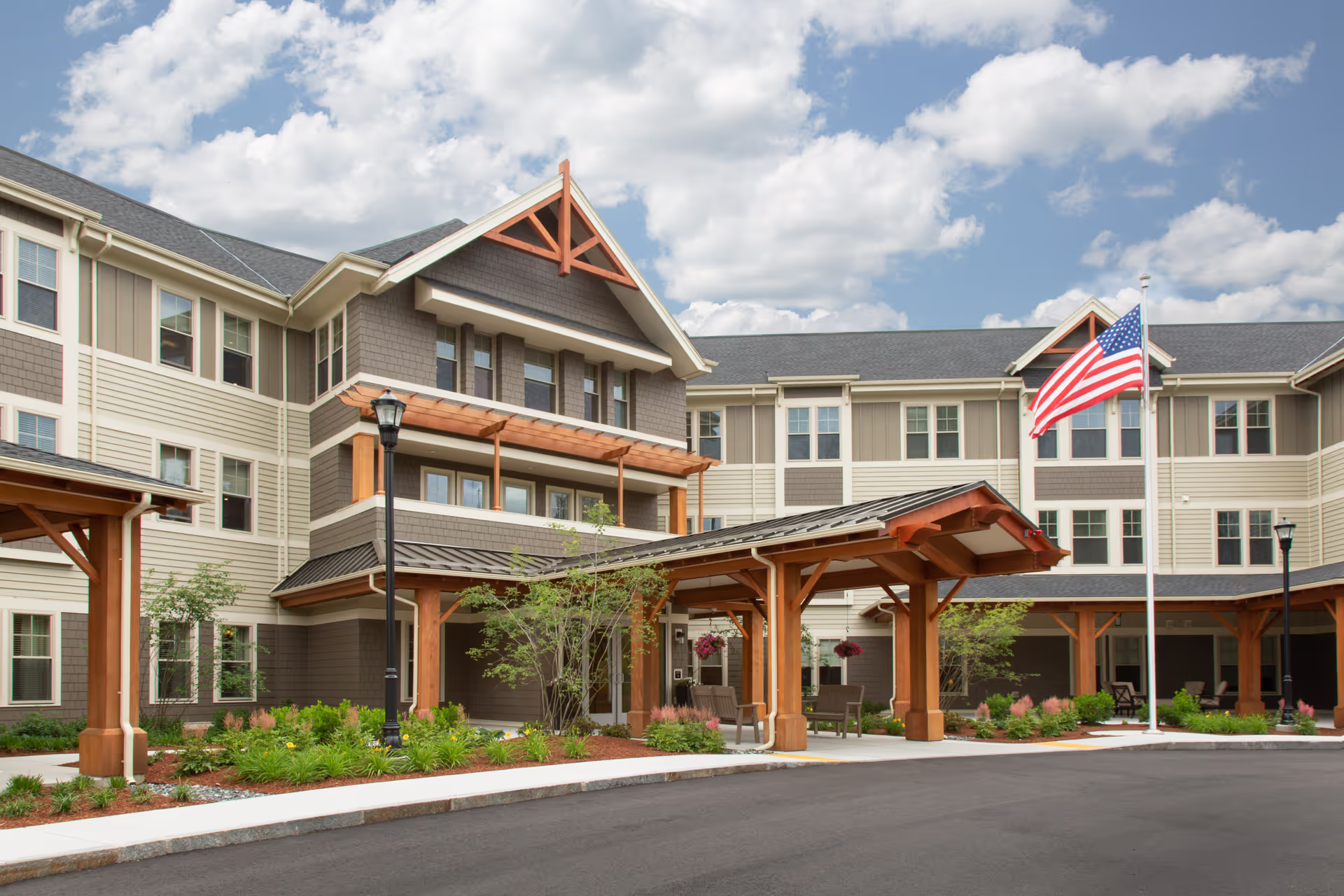
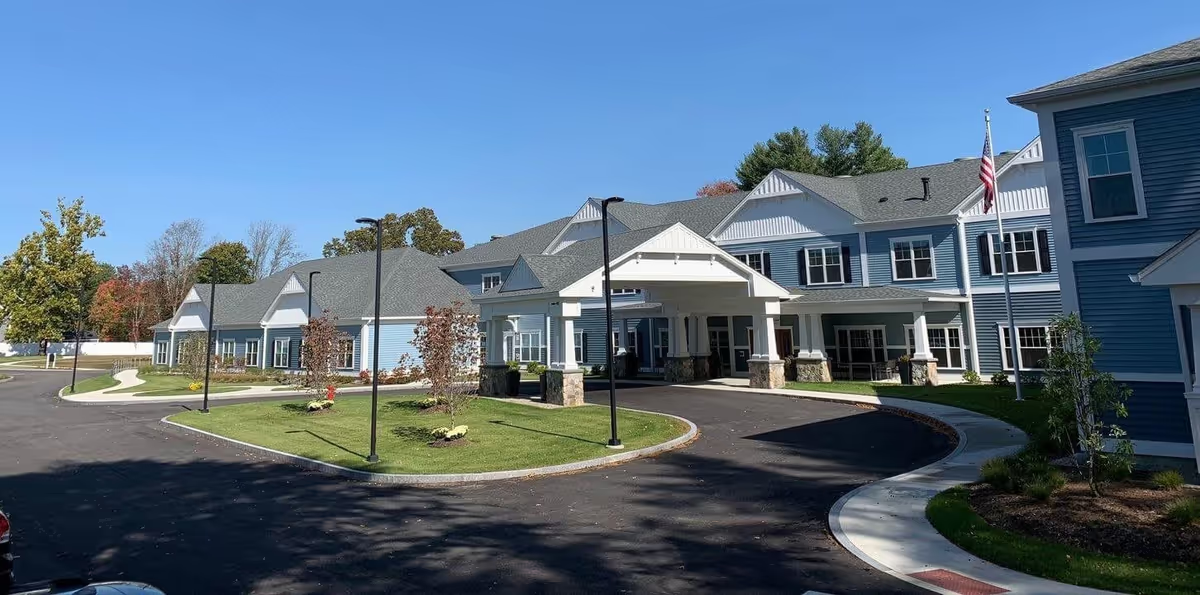
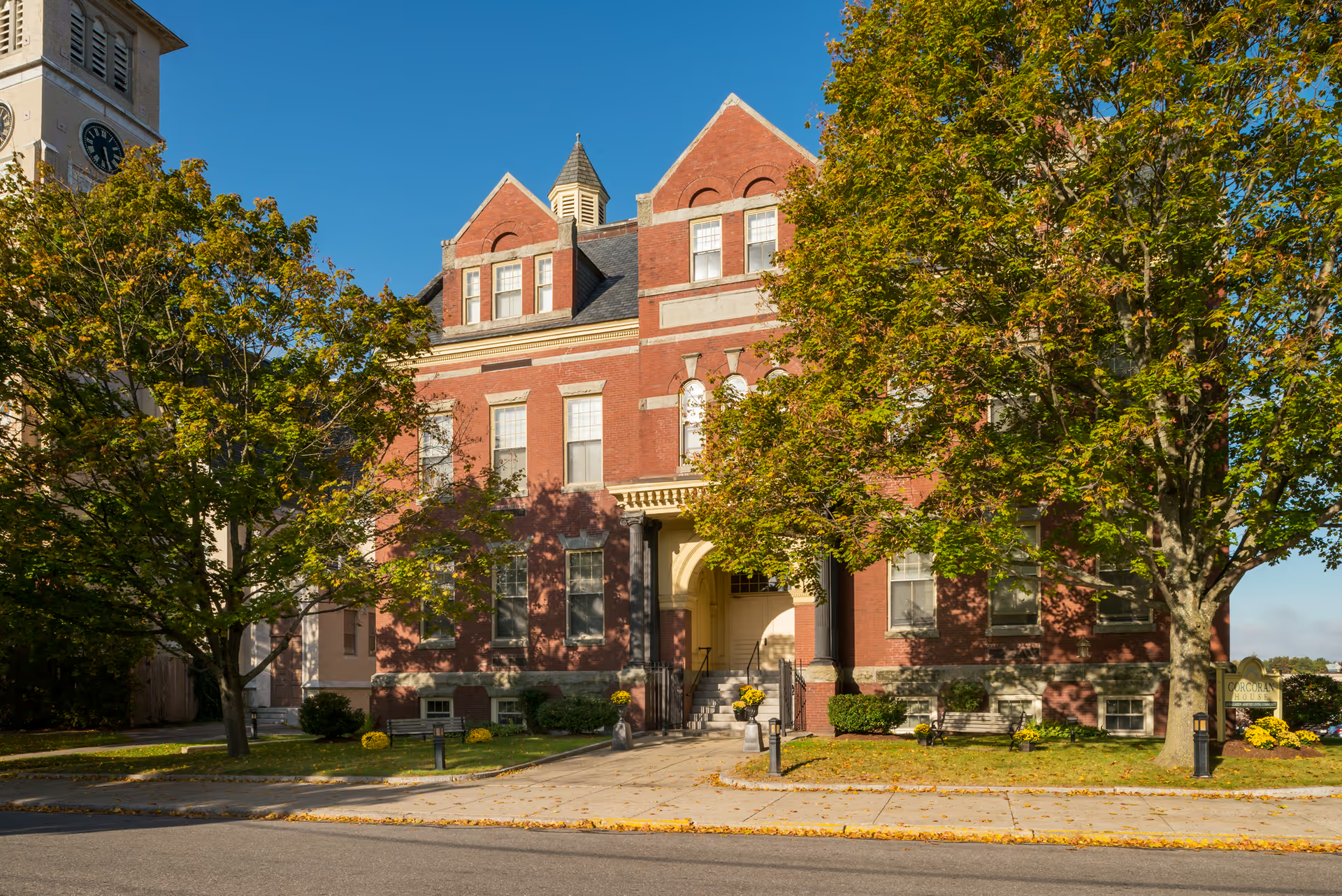
Facility condition and operations reflect an older building with uneven resourcing. The exterior and some interior spaces draw positive remarks, and maintenance staff receive commendation for responsiveness. Simultaneously, reports cite insufficient equipment and supplies, long waits for assistive devices, and variability in cleanliness by unit. Security and property-safeguarding weaknesses—including allegations of missing belongings—are serious concerns for families and warrant specific inquiry during any tour. Noise and roommate‑management issues (including sleep disturbances and disruptive roommate behavior) are also described as affecting resident comfort.
Management and communication show signs of improvement in some accounts but inconsistency overall. A change in management is credited with better staff professionalism in certain reviews, while other families experienced poor phone access, slow administrative responsiveness and the need to escalate concerns externally. Given the variation in experience between units and shifts, prospective residents and family members should prioritize direct questions about staffing ratios, medication-safety protocols, laundry/property safeguards, unit-level activity schedules and roommate/noise-management practices when evaluating the facility. For those prioritizing strong rehabilitation and active programming, Marlborough Hills has clear strengths; for long‑term custodial needs that require consistently timely bedside care and strict property/accountability controls, the operational inconsistencies noted by reviewers should be explored further.