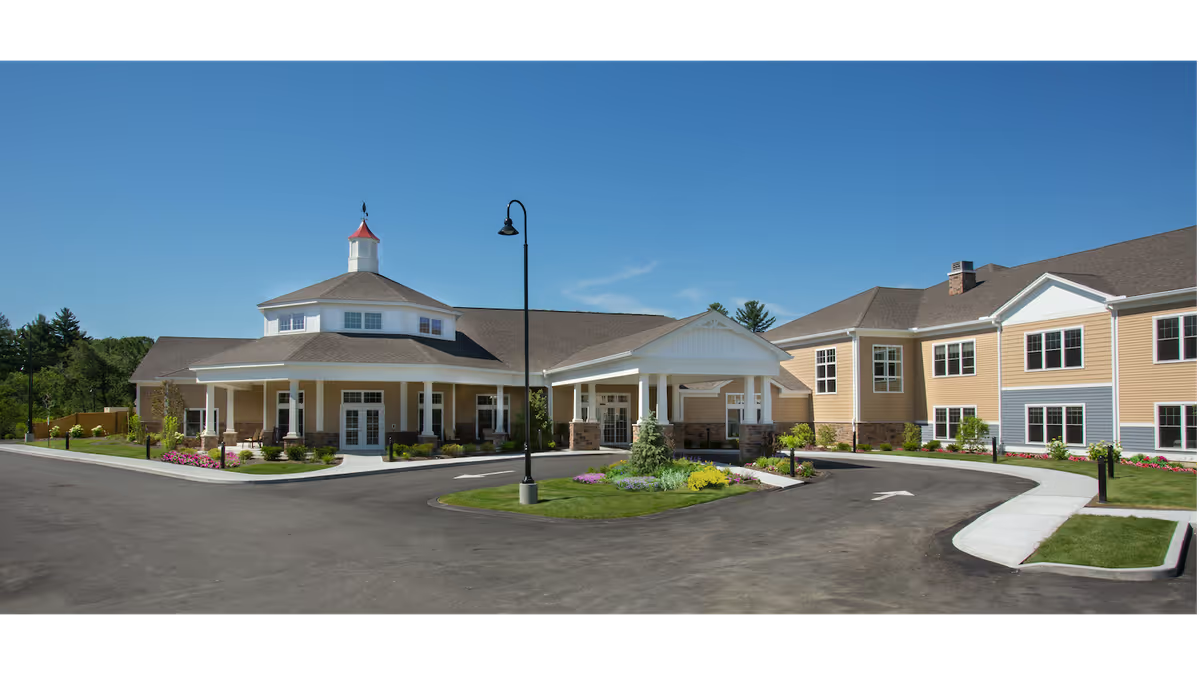
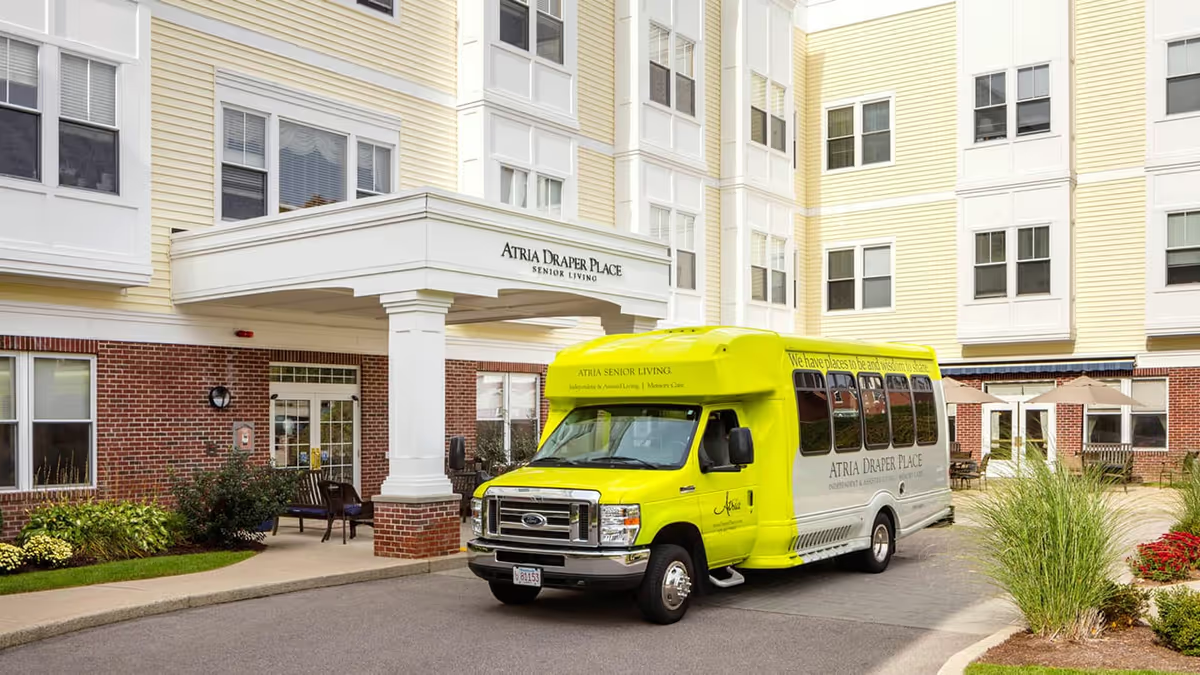
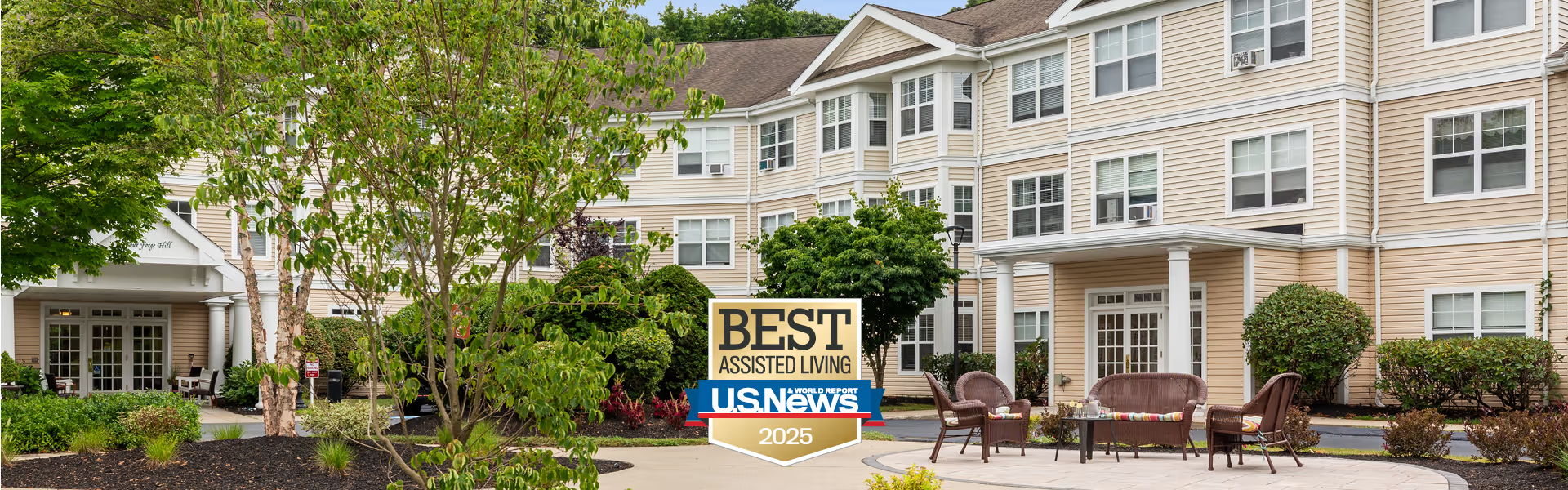
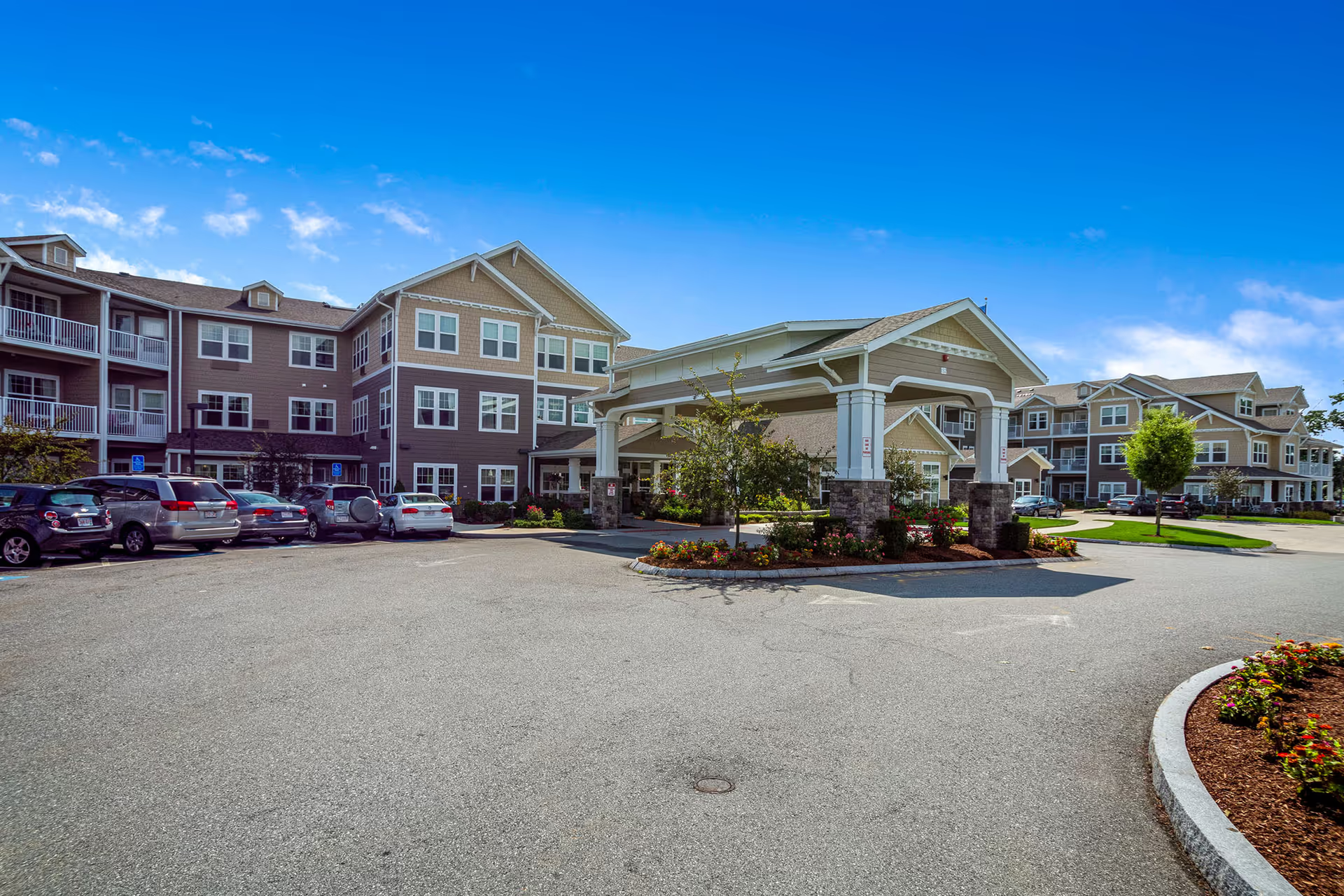
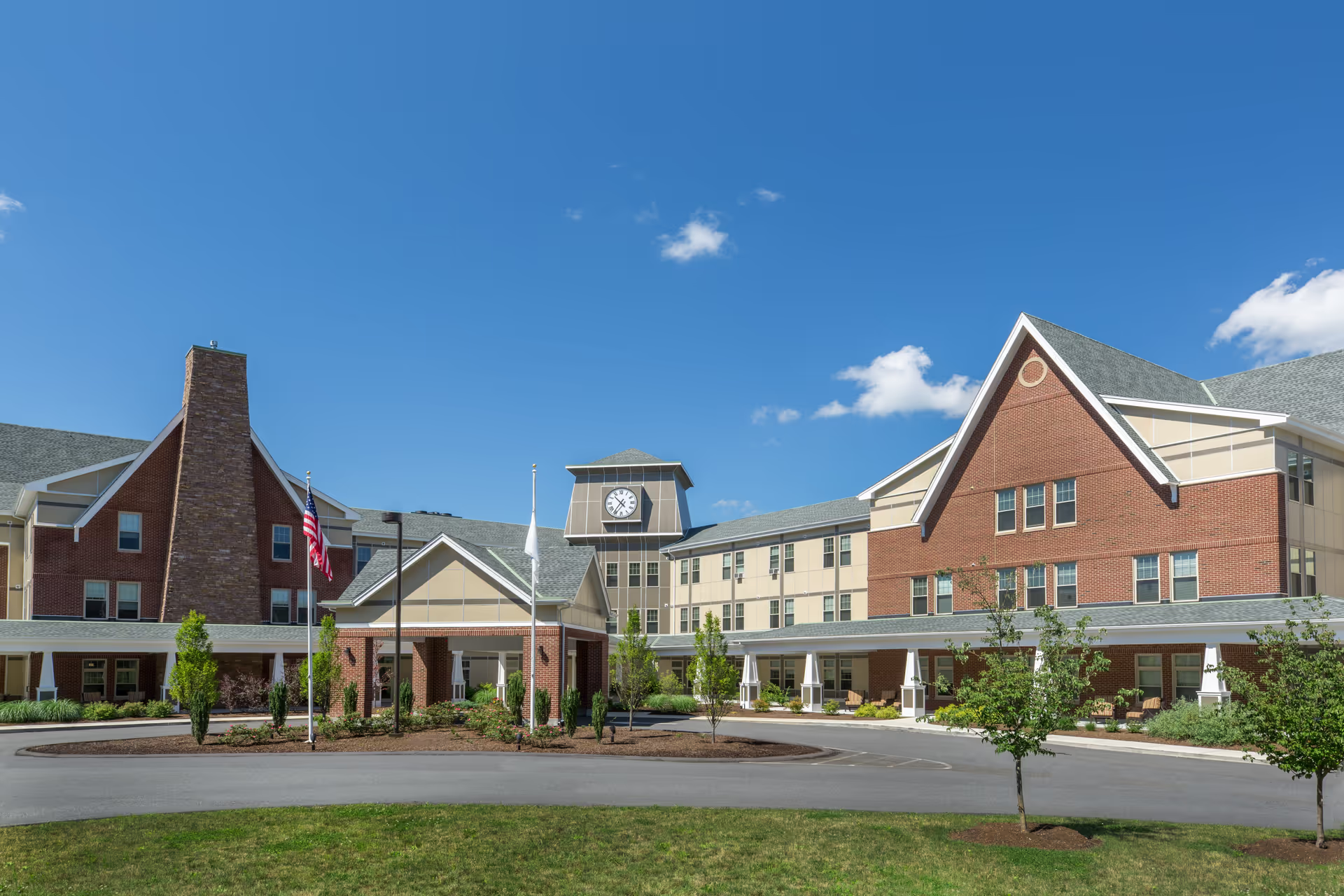
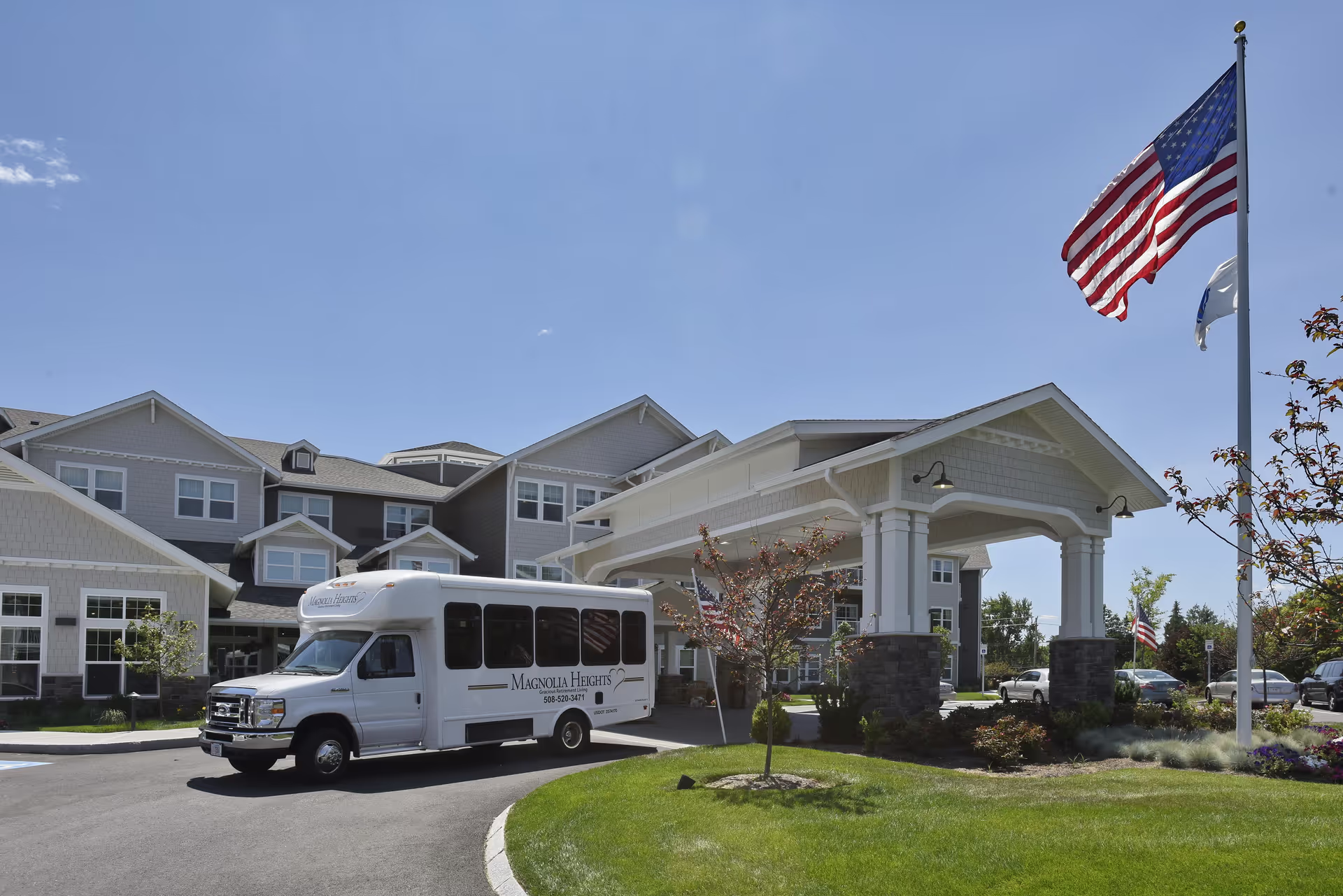
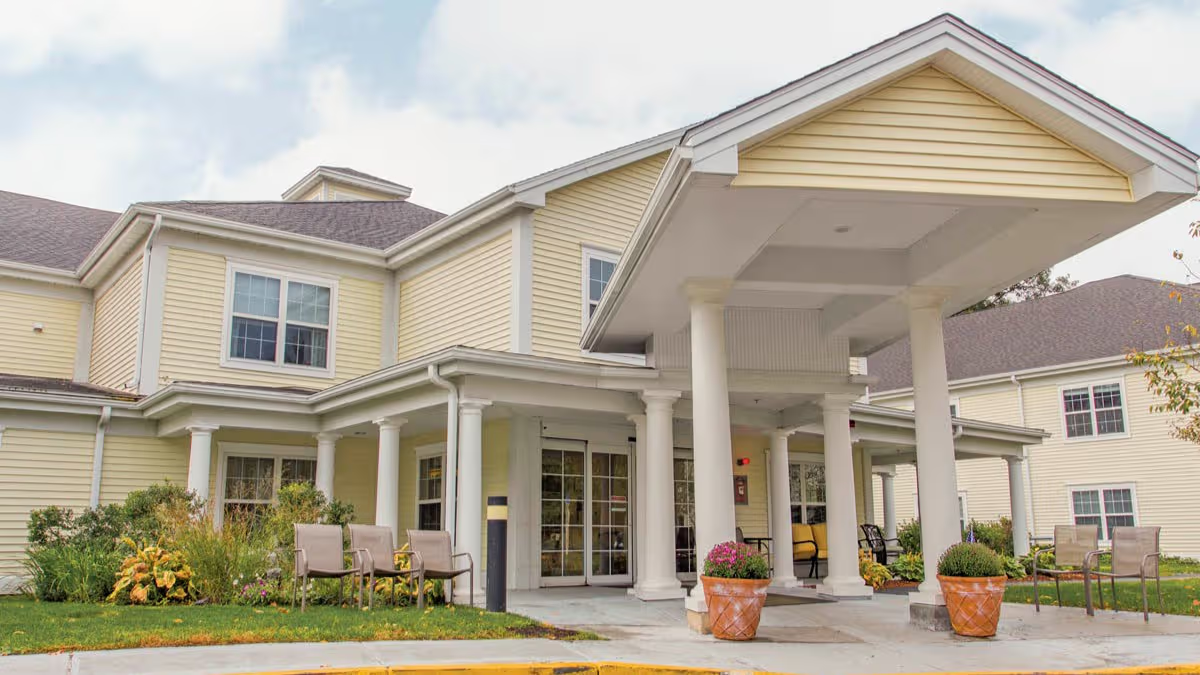
The reviews describe a facility with a mix of clear strengths and substantial operational weaknesses. Consistently positive feedback centers on the rehabilitation program—physical and occupational therapy are repeatedly praised for helping residents regain function—and on many individual staff members who are described as compassionate, attentive, and personable. Admissions, social-services staff, and certain nurses or therapists receive frequent commendation for clear communication, responsiveness, and creating a welcoming environment. The site-level amenities and activities program (exercise spaces, organized events, religious services) are viewed as beneficial to socialization and recovery, and common areas and parking are often described as clean and accessible.
At the same time, there is a pattern of inconsistent clinical care and operational reliability. Families describe delays in medication delivery, slow response to pain-management requests, and gaps in implementing discharge orders. Several accounts indicate weak physician engagement and uneven clinical oversight, which can produce uncertainty about follow-up plans and prolong hospital transitions. These clinical concerns are frequently linked to staffing challenges: understaffing, frequent staff turnover, and variable training appear to undermine continuity of care and contribute to inconsistent performance across shifts.
Dining and daily-support services present mixed signals. Some families found meals satisfactory and adaptive, while others described inconsistent meal service and unmet dietary preferences. Housekeeping and sanitation are generally acceptable in common areas, but a number of reviewers reported cleanliness lapses and missed room-care tasks. Infection-control issues, including concerns about transmission of resistant organisms and antibiotic management, were raised in some accounts and merit attention when evaluating clinical safety practices.
The facility’s culture and management practices are a recurrent theme. Positive experiences emphasize helpful admissions staff and proactive family communication (including scheduled updates), whereas negative experiences point to poor communication, reluctance to involve family caregivers, and instances of confrontational staff conduct. There are also serious individual claims concerning billing irregularities and identity/impersonation practices; these warrant independent verification and, if true, represent governance-level issues.
Taken together, the pattern suggests that prospective residents and families may experience very different outcomes depending on timing, staffing, and the extent of family advocacy. For someone prioritizing strong, active rehabilitation and who can engage regularly with staff and care planning, the facility can provide effective therapy and supportive staff. For those who need consistent clinical oversight, strict medication reliability, or seamless discharge coordination without intensive family advocacy, the facility shows recurrent operational gaps. Visitors and decision-makers should verify physician involvement, medication-process safeguards, infection-control policies, billing practices, and staffing levels before placement, and consider developing a clear communication plan with the care team on admission.