Overall impression: Mary Ann Morse Healthcare Center is frequently described as a competent, rehabilitation-focused facility with many strengths in clinical care, multidisciplinary coordination, and environment. Reviewers commonly praise the facility’s intensive therapy options (PT/OT/Speech), on-site dialysis services, and instances of substantial functional recovery. The center’s cleanliness, welcoming atmosphere, outdoor common areas, and presentation of meals contribute to a broadly positive resident experience. Quality indicators cited by reviewers—such as a recent Deficiency-Free survey and a 5-Star CMS rating—align with many of the favorable accounts.
Care and staff: Many accounts highlight compassionate, attentive nurses, CNAs, and therapists who provide patient-focused care and timely responses to concerns. Interdisciplinary coordination between therapy, nursing, and ancillary services is often described as strong, with clear communication during therapy sessions and attention to discharge planning. That said, reviewers also describe variability in conduct and responsiveness across staff; some experienced helpful, patient interactions while others described communication tone or handling that felt brusque. Prospective families should therefore expect generally high-quality, empathetic staff but verify day-to-day staffing patterns and preferred caregiver assignments where possible.
Rehabilitation and clinical management: The facility’s rehab program is a clear strength—several reviewers credited frequent therapy (including six-day schedules) and engaged therapists with meaningful recovery progress. Conversely, there are recurring comments about inconsistent therapy frequency for some residents and occasional variations in clinical practices such as oxygen management. There are also concerns about fall-risk and transfer-safety practices; these reflect operational gaps rather than single events and suggest that families should discuss individualized safety plans and transfer protocols with clinical leadership.
Dining and dietary services: Food quality is frequently noted positively—meals are described as flavorful, well-presented, and accommodating on many occasions. The facility appears willing to arrange meal needs during visits. At the same time, long-stay dining variety is described as limited in some accounts, and there are examples of inadequate handling of allergies or special-diet requests. Individuals with strict dietary restrictions should confirm allergy-management procedures and menu flexibility before admission.
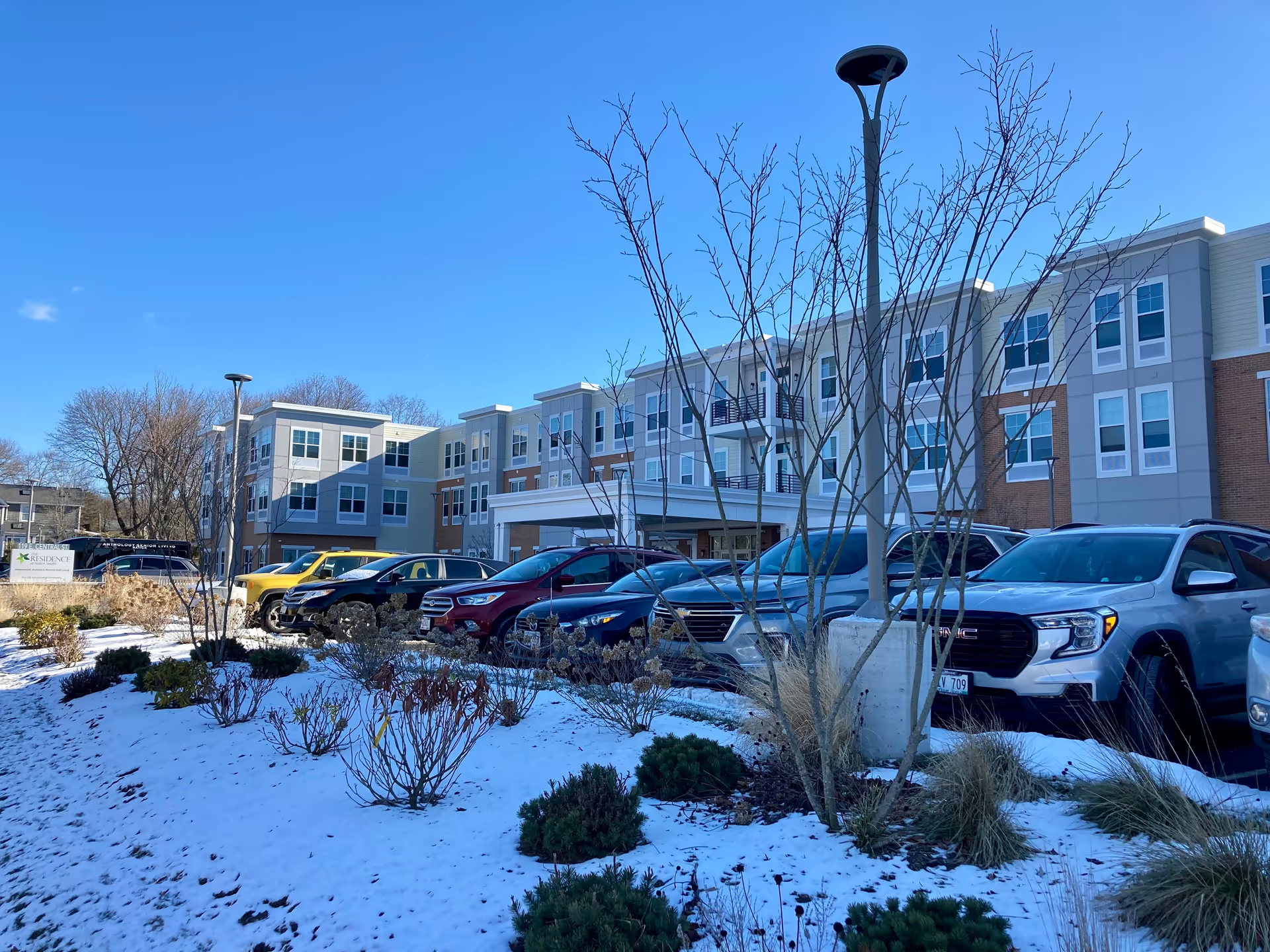
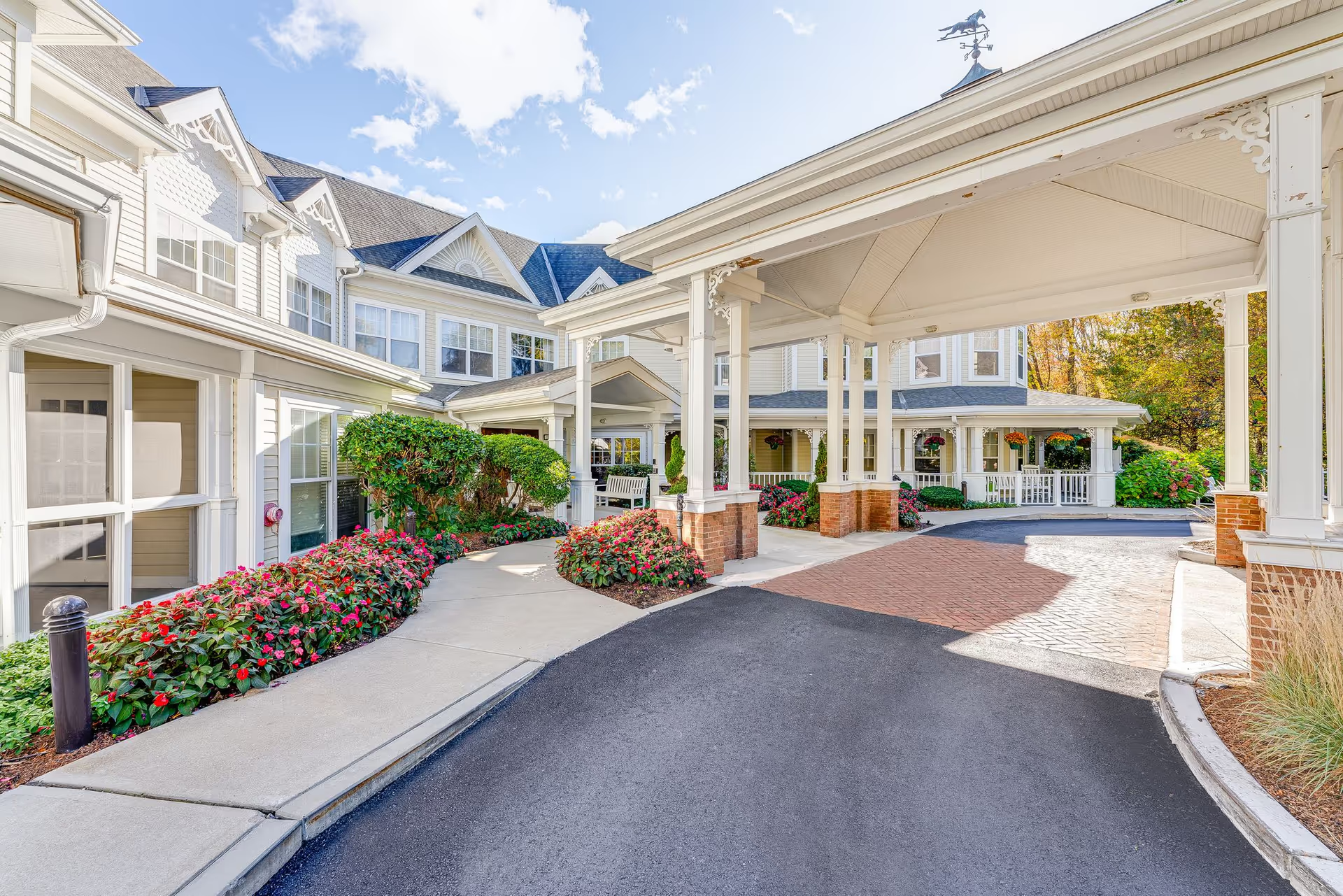
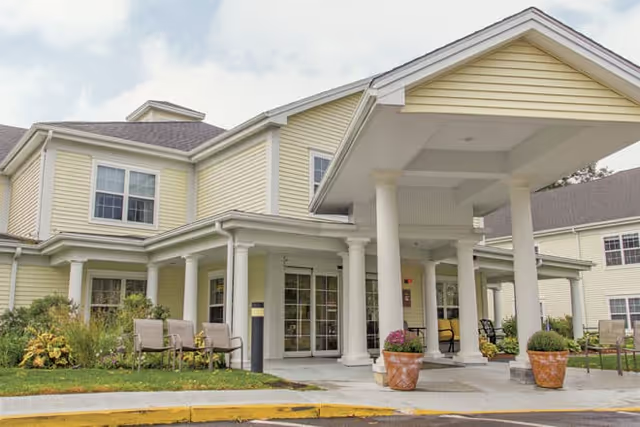
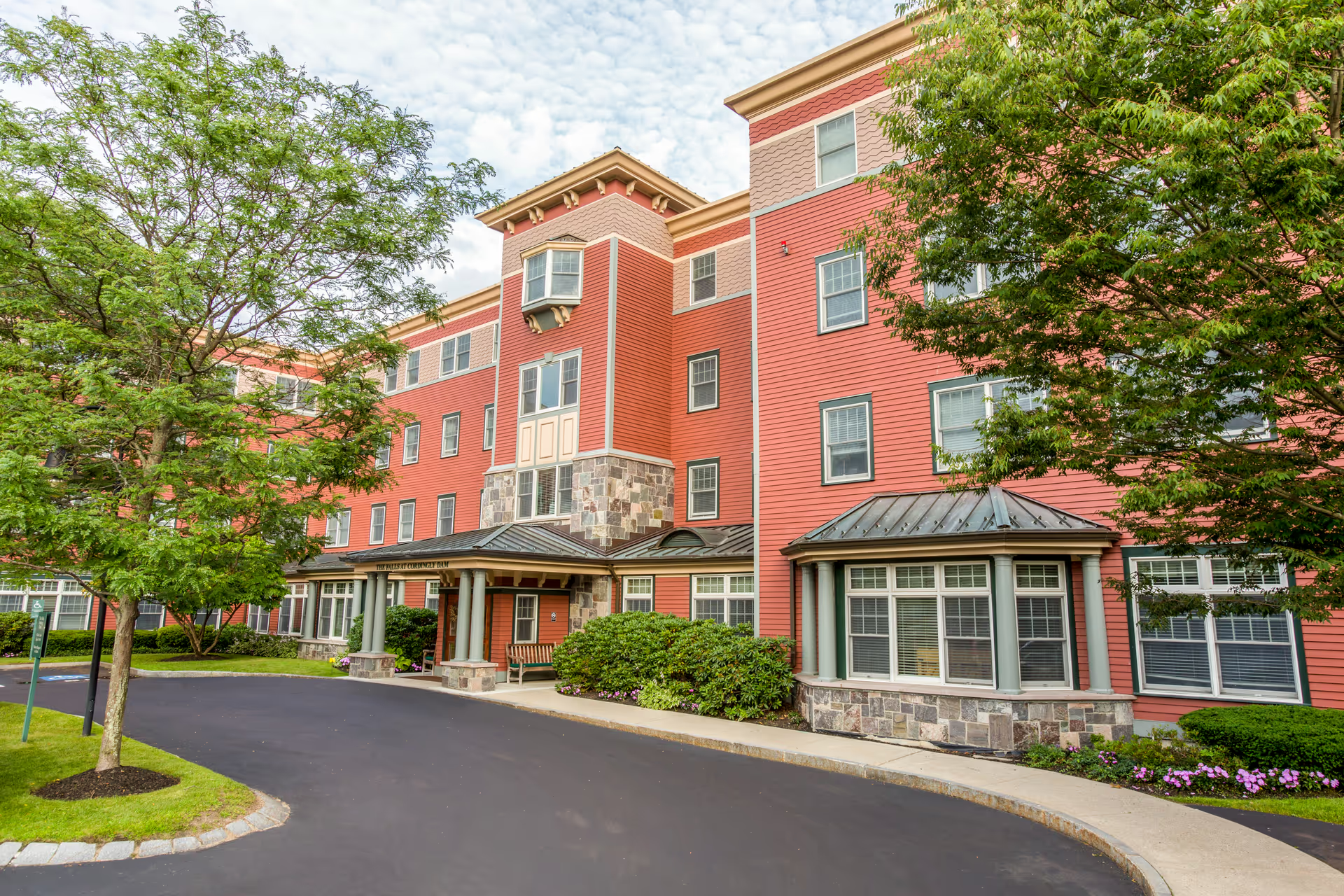
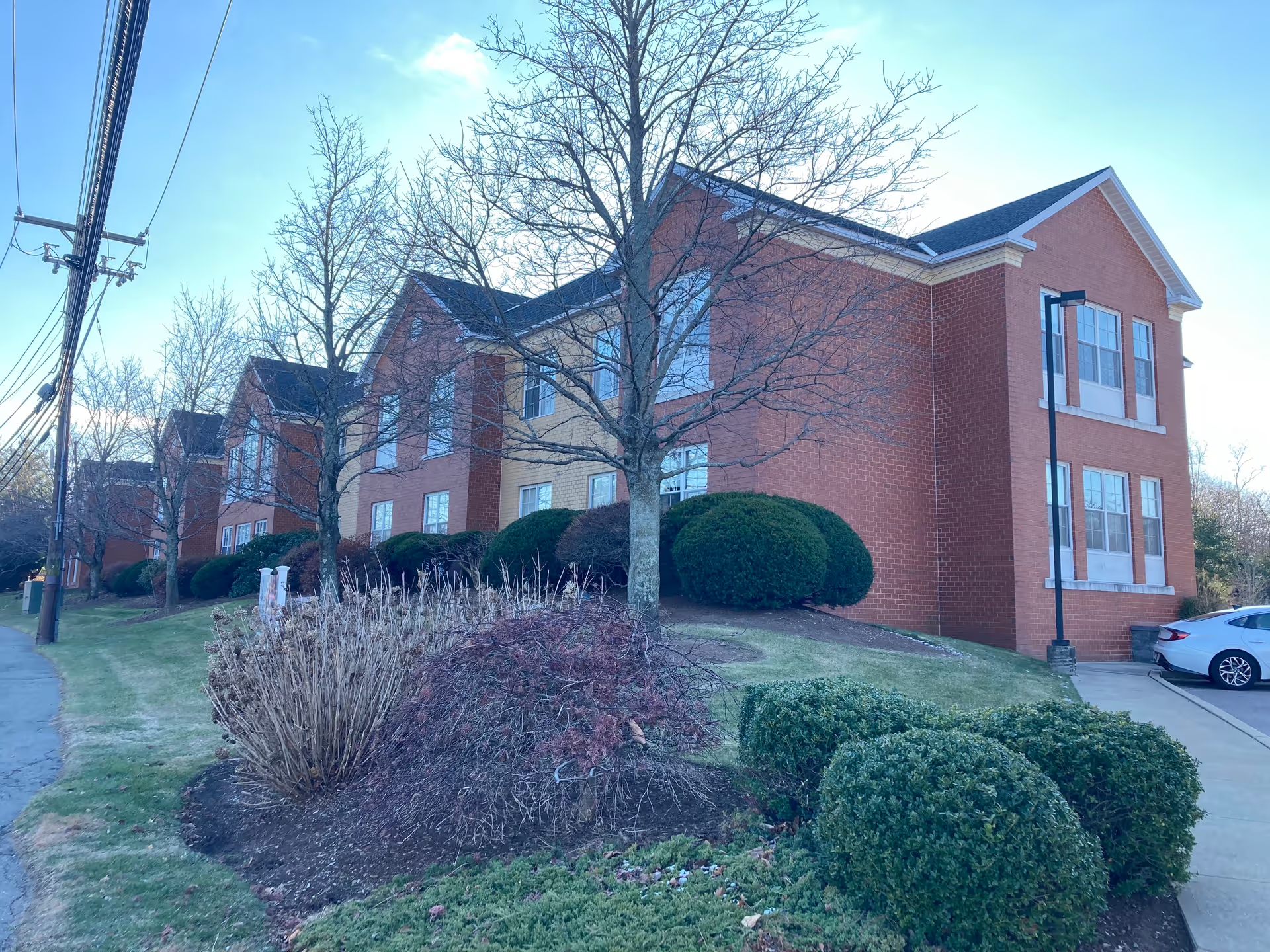
Activities and environment: The facility offers a robust activities calendar and social programming, contributing to a home-like environment that many residents and families appreciate. Common areas, patios, and courtyards are viewed as pleasant and supportive of resident well-being. Physical layout and size, however, are a double-edged aspect: while the facility is attractive and well-maintained, some reviewers describe busy, congested areas and smaller unit footprints that can feel crowded during peak times.
Management, transparency, and cost: Coordination of care and discharge planning are often cited positively, and some families report smooth transitions to home care and transportation arrangements. There are, however, repeated concerns about billing transparency and perceived value relative to cost. A number of comments also emphasize restricted visitation during infection-control periods and the practical limits that can place on family access. Prospective residents should ask about expected length of stay, billing practices, and visitation policies during pre-admission discussions.
Notable patterns and cautionary notes: While the preponderance of feedback is positive—highlighting strong rehab, compassionate staff, and a clean, pleasant facility—a minority of accounts raise serious safety and communication concerns, including concerns following a resident’s death and other safety-related incidents. These accounts contrast with many favorable reviews and indicate the importance of direct, specific inquiries about fall-prevention protocols, staff training, incident response, and family communication practices.
Bottom line: Mary Ann Morse Healthcare Center appears well-suited for patients who need intensive rehabilitation, dialysis access, and a supportive, home-like environment, and it holds favorable regulatory ratings. Before admission, families should confirm current staffing levels, therapy schedules, individualized safety plans (including fall-prevention and oxygen management), dietary/allergy procedures, billing transparency, and visitation policies to ensure the facility’s operational practices match the resident’s clinical and personal needs.