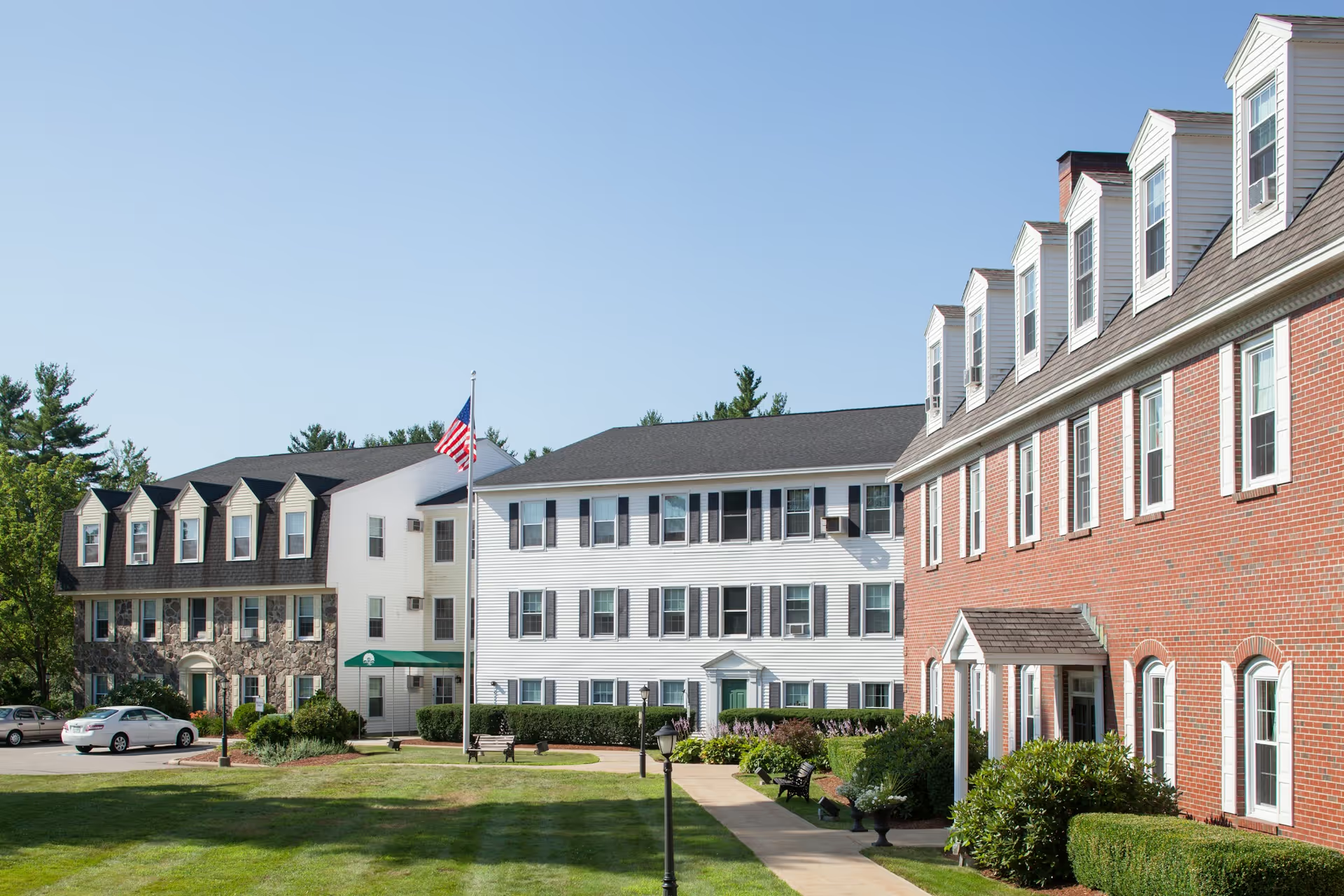
Reviews for AdviniaCare Newburyport present a mixed but distinct pattern: many families and residents describe strong, compassionate hands-on care—especially for short-term rehabilitation—while others raise operational concerns that affect longer stays and complex clinical needs. Rehabilitation and therapy (PT/OT) are frequently highlighted as strengths; reviewers report measurable gains, attentive therapy teams, and successful transitions home. Direct caregivers, including nurses, CNAs, and activity staff, receive repeated praise for empathy, individualized attention, and efforts to include families in care.
At the same time, a number of persistent operational weaknesses appear across feedback. Staffing inconsistency and frequent use of agency or travel nurses are associated with variability in clinical oversight and with gaps in RN coverage at times. That variability correlates with reports of delays in responding to call bells and toileting assistance (incontinence-care delays), concerns about medication administration practices, and examples of inconsistent discharge planning or premature discharge for some residents. Several reviews also describe problems with management communication and care coordination, including slow or inadequate responses to family concerns and paperwork delays.
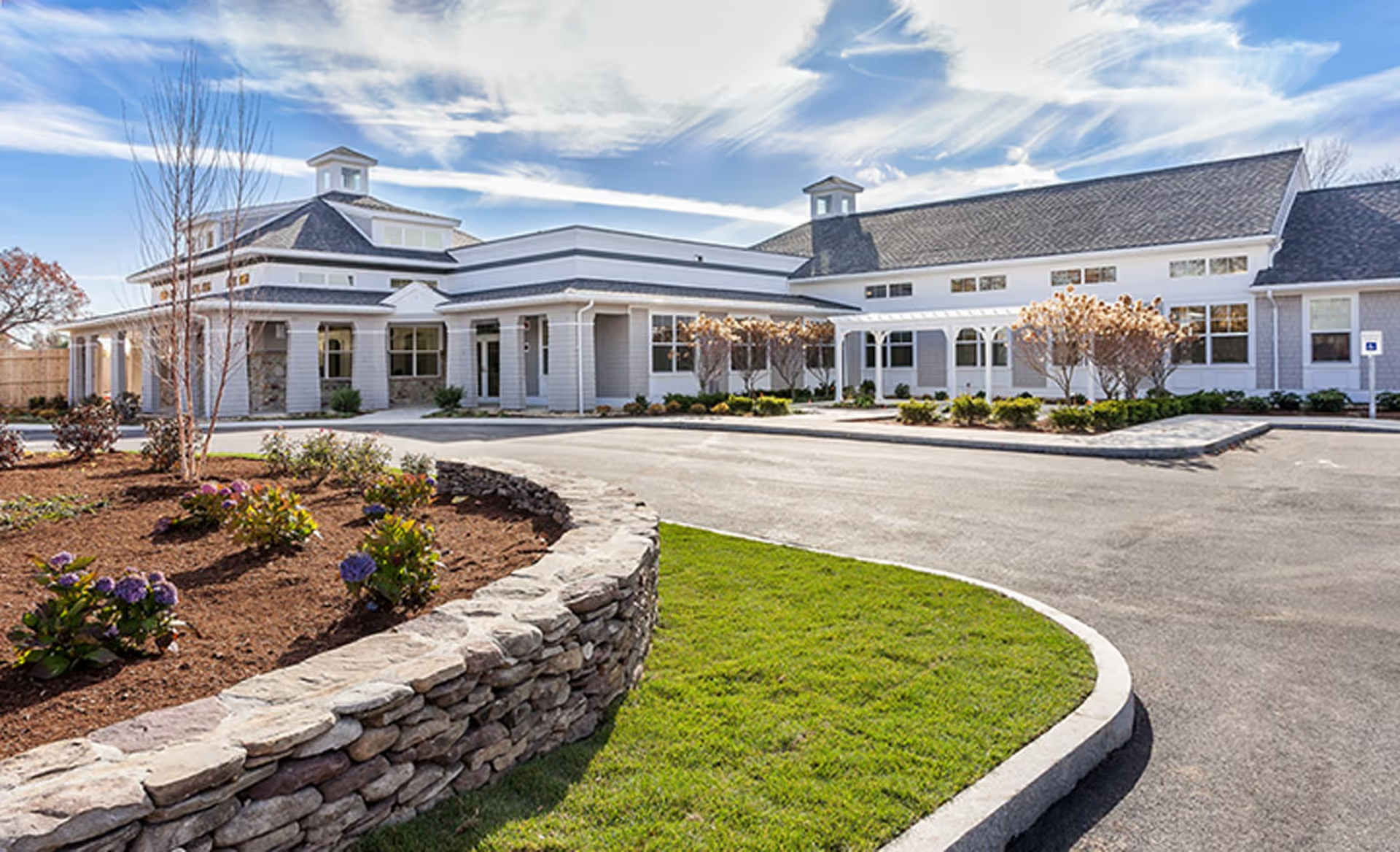
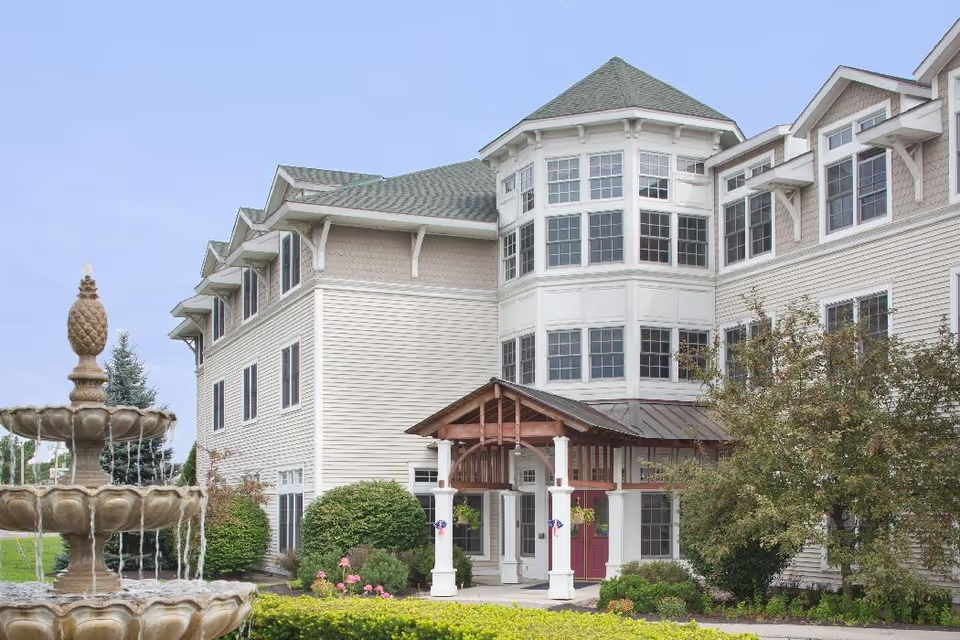
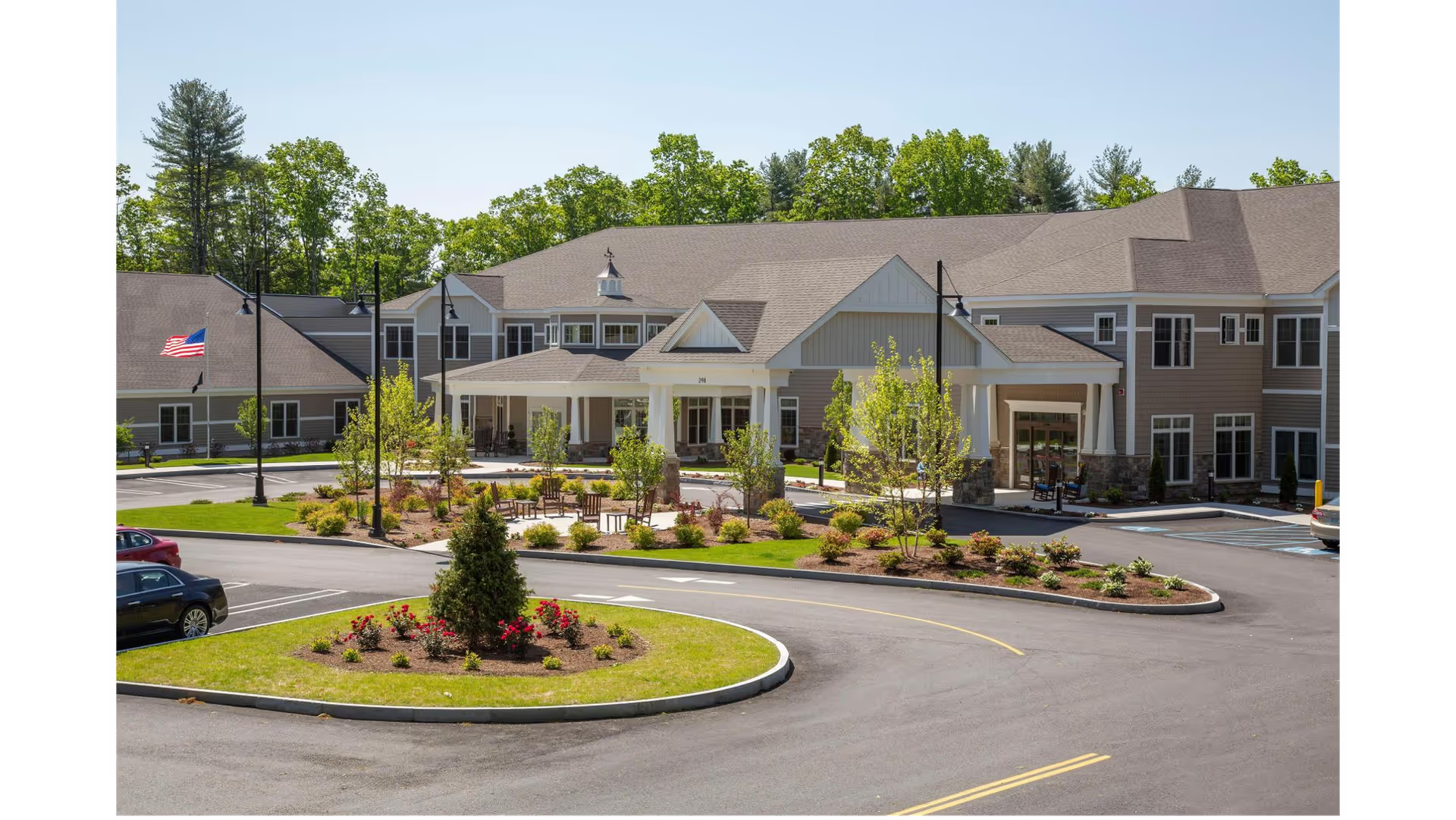
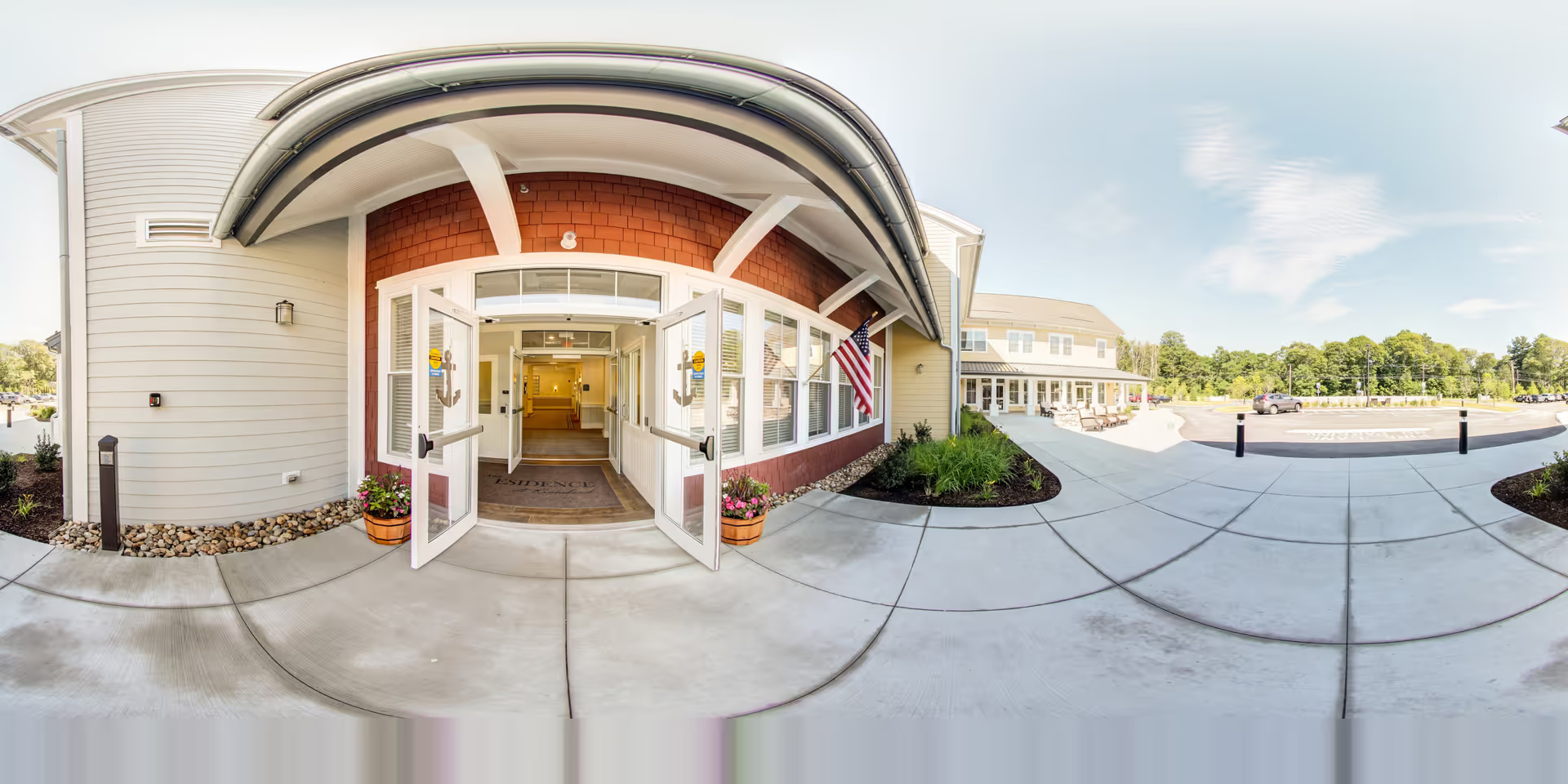
Dining and environment earn both praise and criticism. Many reviewers commend the meals, note weight gain, and describe enjoyable dining experiences and special events. Conversely, others describe inconsistent meal quality and challenges with dietary accommodations (including an instance of an avoided allergen or dietary trigger). Facility amenities and decor are generally described as attractive and well-maintained, with private and semi-private rooms, an inviting common area, and a home-like atmosphere. However, there are intermittent sanitation concerns and odor issues noted in some areas, which contrast with other accounts of a spotless environment.
Activities and social programming are clear strengths: recreational therapy and engagement offerings are described as varied and uplifting, contributing positively to residents’ quality of life. Families frequently single out activities staff for keeping residents engaged and supported.
Several reviews raise serious personal-safety and property concerns, including allegations of theft and incidents that prompted some families to file complaints with regulators. There are also accounts pointing to problematic staff conduct and communication tone in particular interactions; these are framed here as concerns about staff conduct rather than characterizations of systemic abuse. Given the mix of high points and worrisome patterns, prospective residents and families should weigh the facility’s strong rehabilitation outcomes and compassionate caregivers against the documented operational risks: staffing variability, inconsistent clinical oversight, and management/communication shortcomings. Asking targeted questions during tours—about RN coverage, staffing ratios, medication-safety protocols, dietary accommodation processes, property safeguards, and how complaints are handled—will help clarify whether the current operational model matches a prospective resident’s clinical and safety needs.