Overall impression is mixed, with clear strengths alongside recurring operational concerns. Families and prospective residents frequently cite the facility’s convenience — private rooms, a smaller community-style environment, and proximity to a hospital and visiting physicians are commonly noted strengths. The provider also maintains explicit infection-control protocols, including entry testing for COVID-19, which several observers found reassuring. Some accounts describe clinicians and aides delivering high-quality, attentive nursing care.
Care quality and staffing show variability. While there are descriptions of exceptional caregiving and positive, welcoming staff interactions, other accounts describe inconsistent performance among aides and nurses, and periods of understaffing. These patterns translate into concerns about responsiveness and continuity of care, and several reviewers referenced gaps in communication and clinical oversight. The facility advertises the ability to transition residents to higher-level nursing care, which can be an important continuity advantage for families who anticipate escalating needs.
Dining and daily services are generally adequate but inconsistent. Meals are described as acceptable in content, though there are repeated observations about service issues such as meals served cold or not consistently delivered at appropriate temperatures. Prospective residents should confirm current meal-service routines and monitoring for temperature and timing.
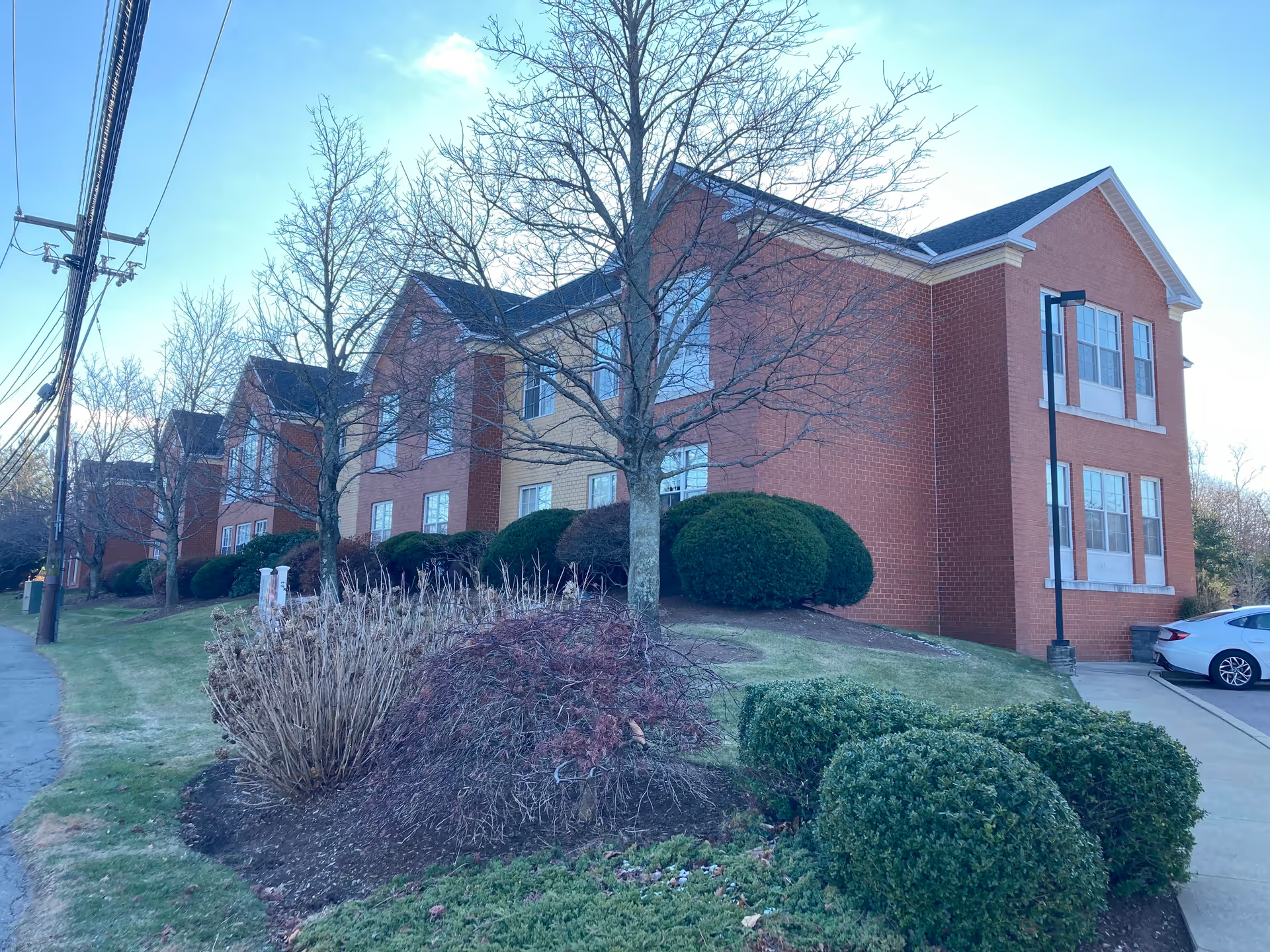
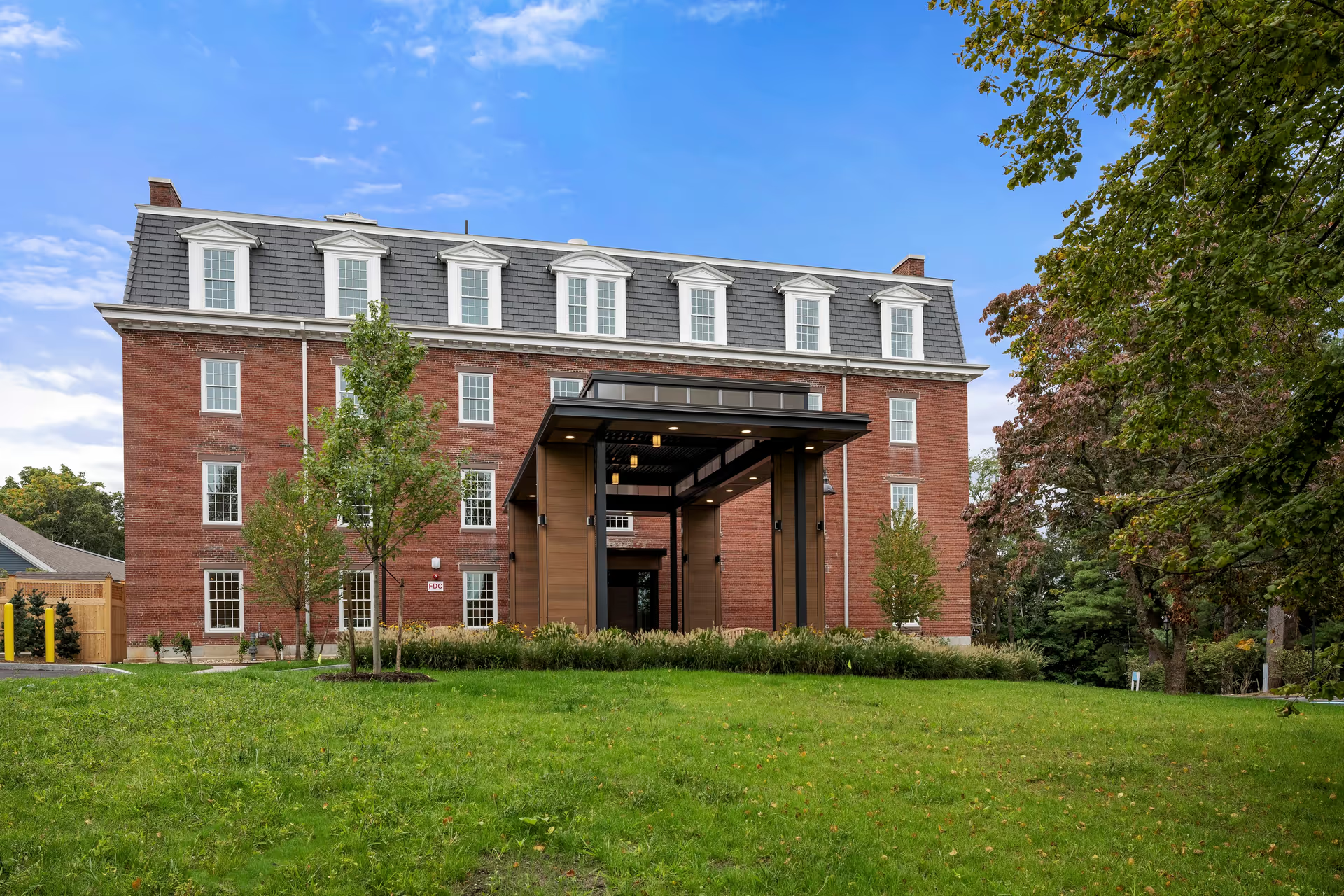
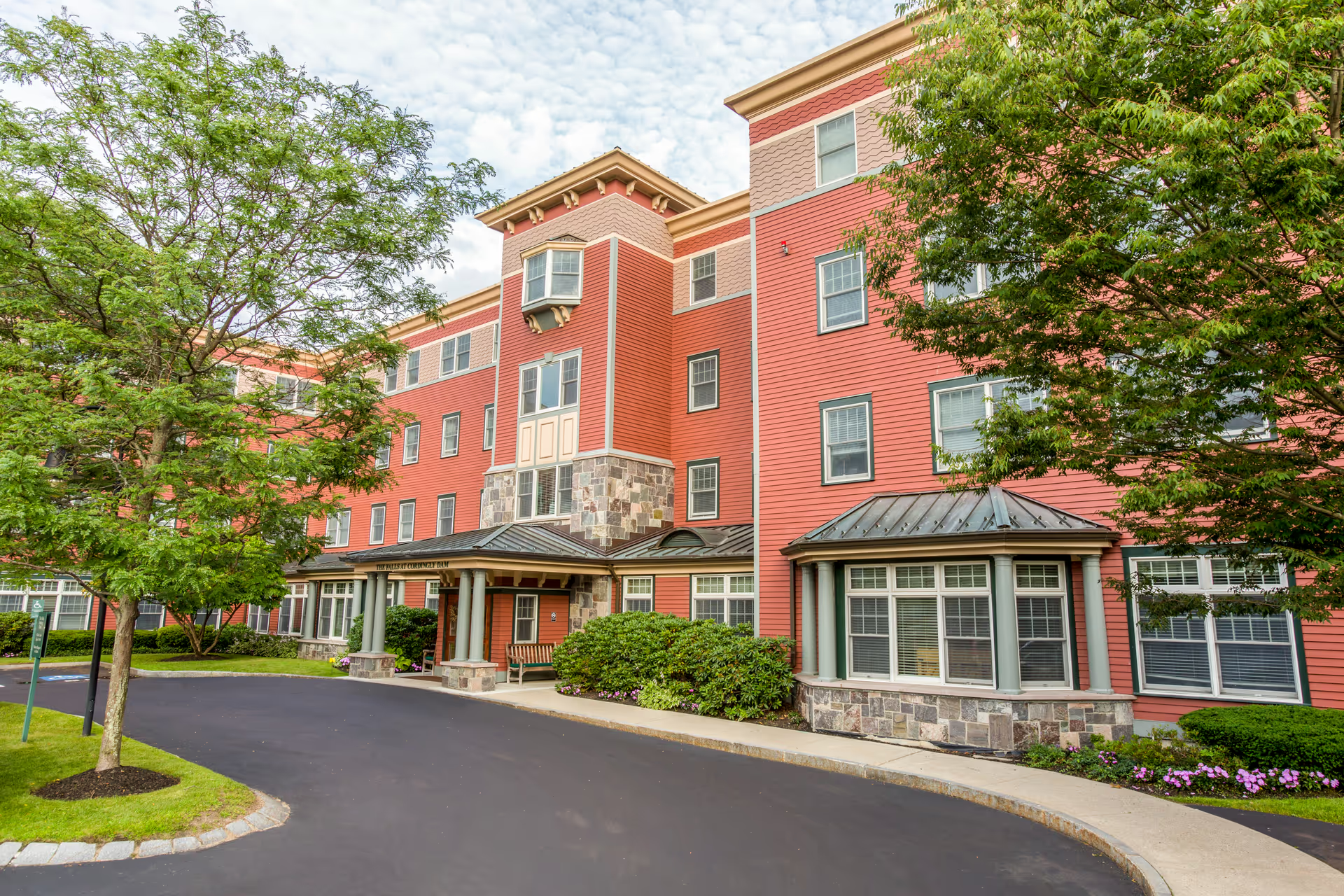
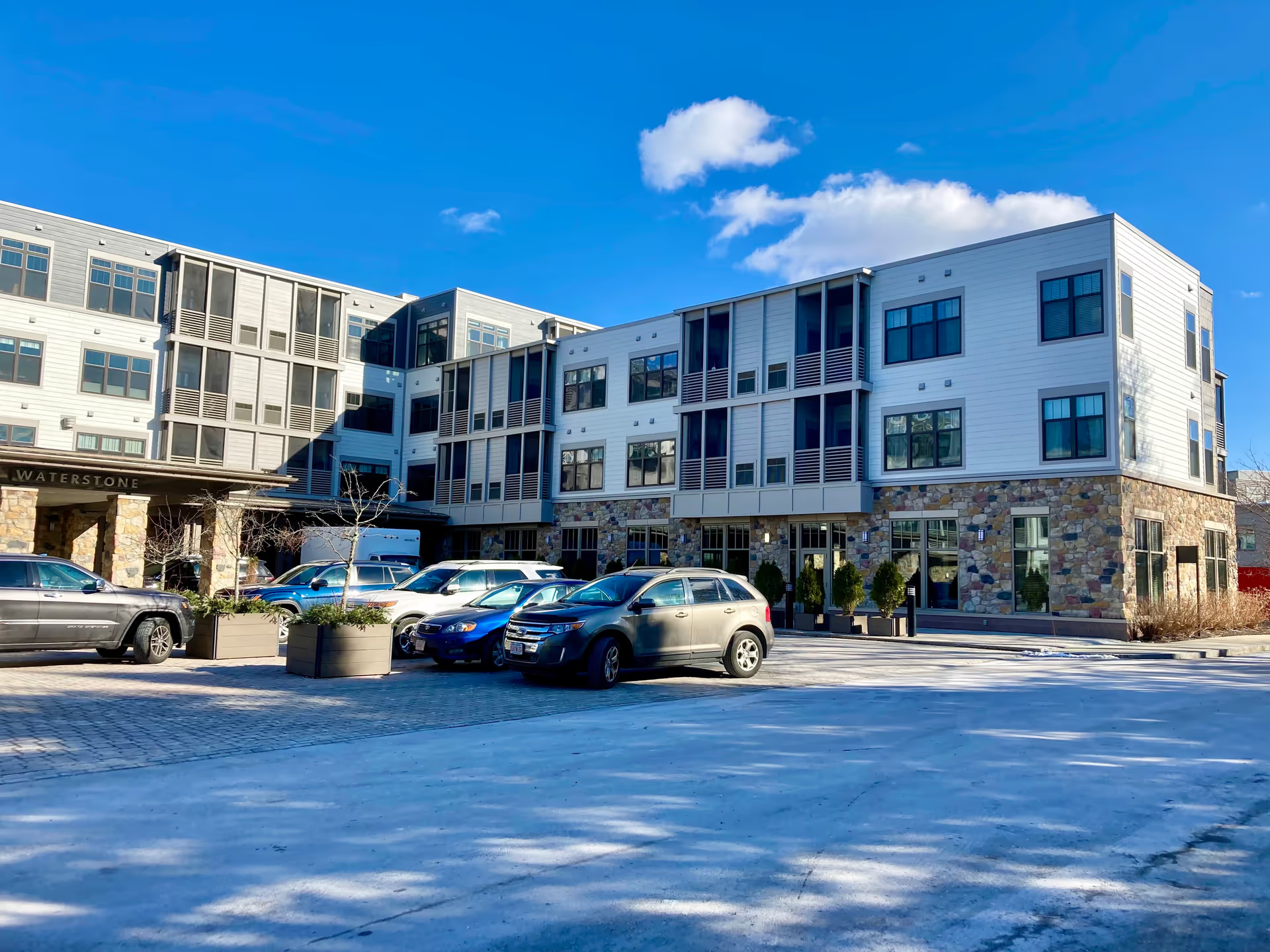
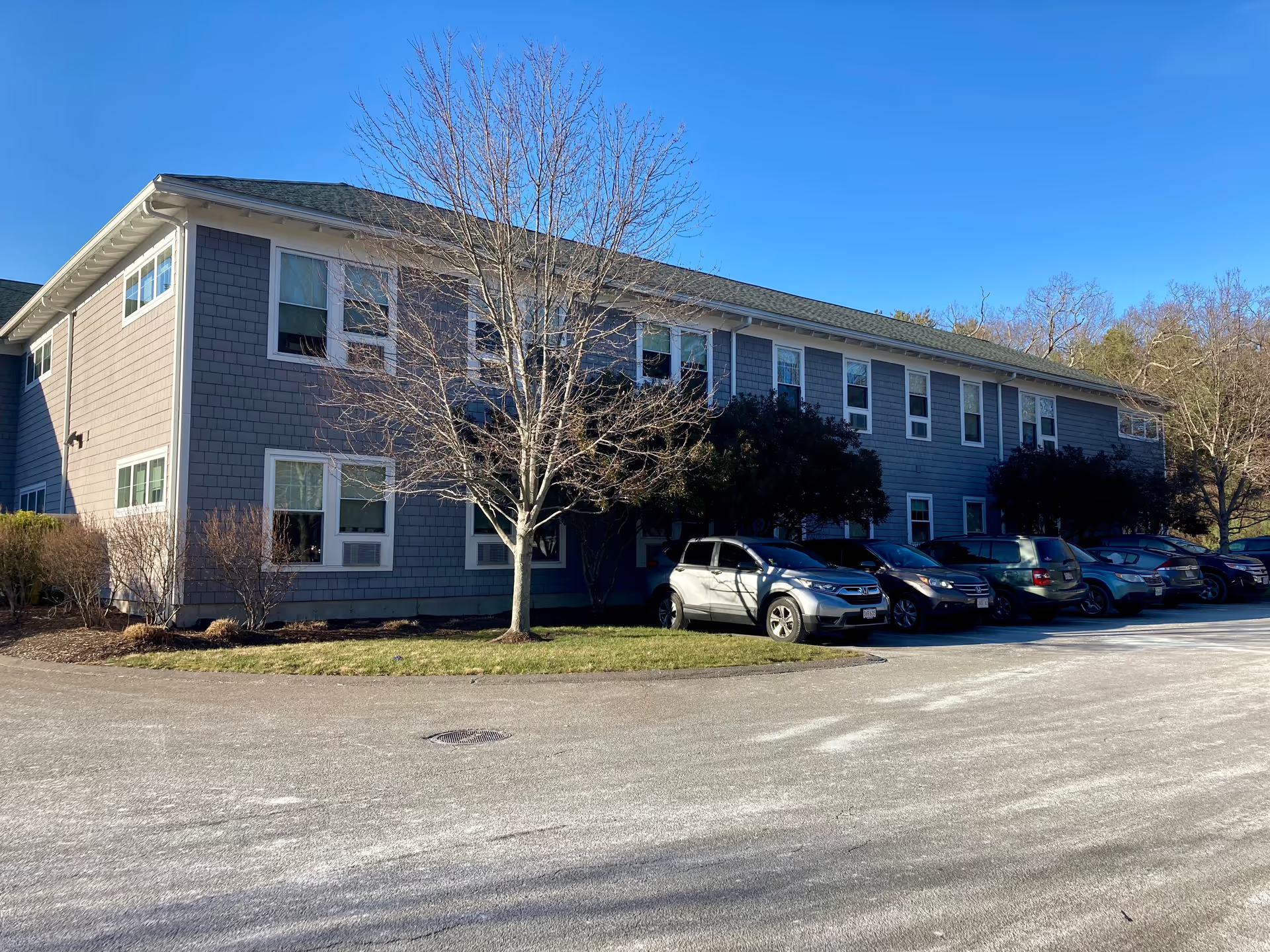
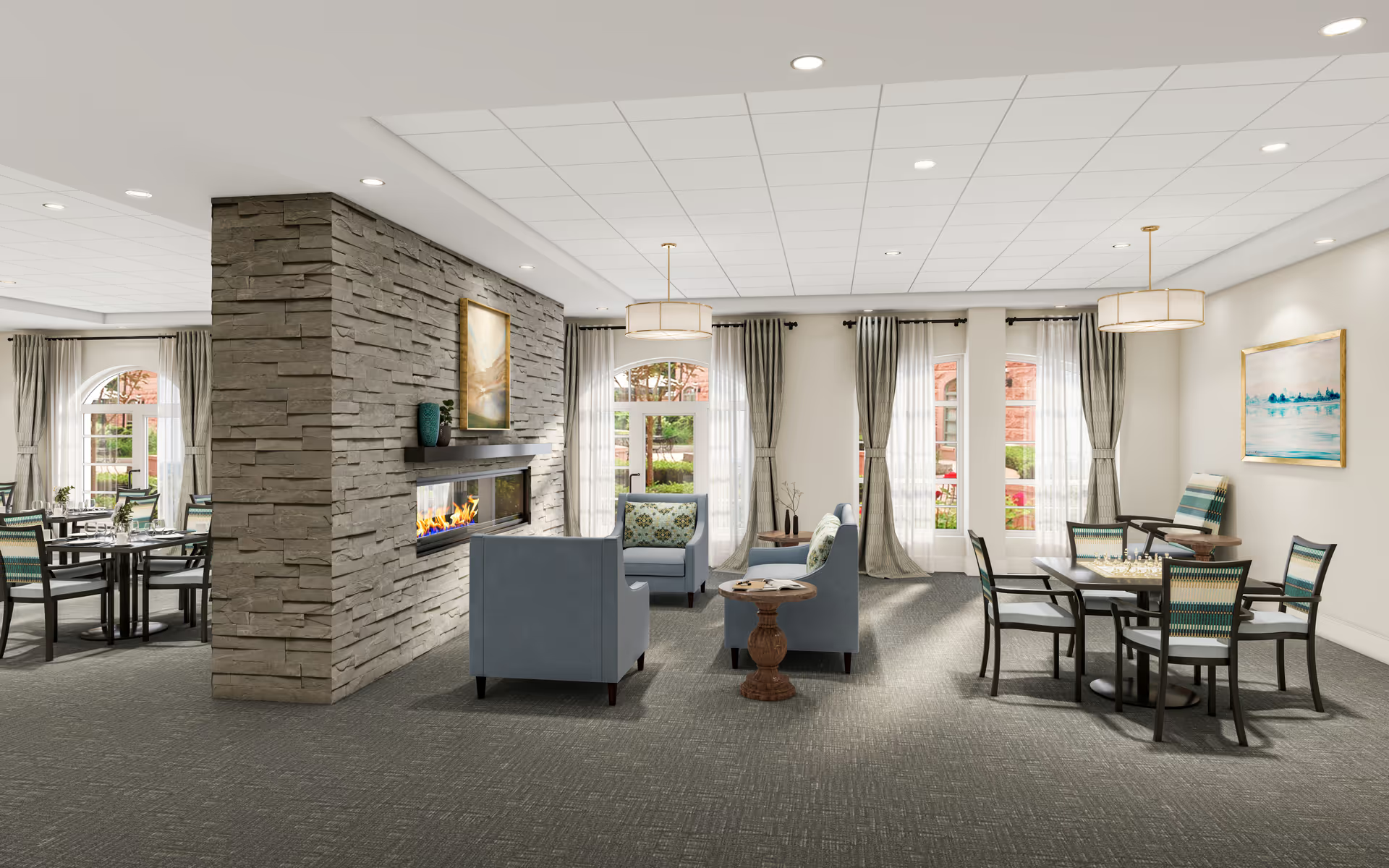
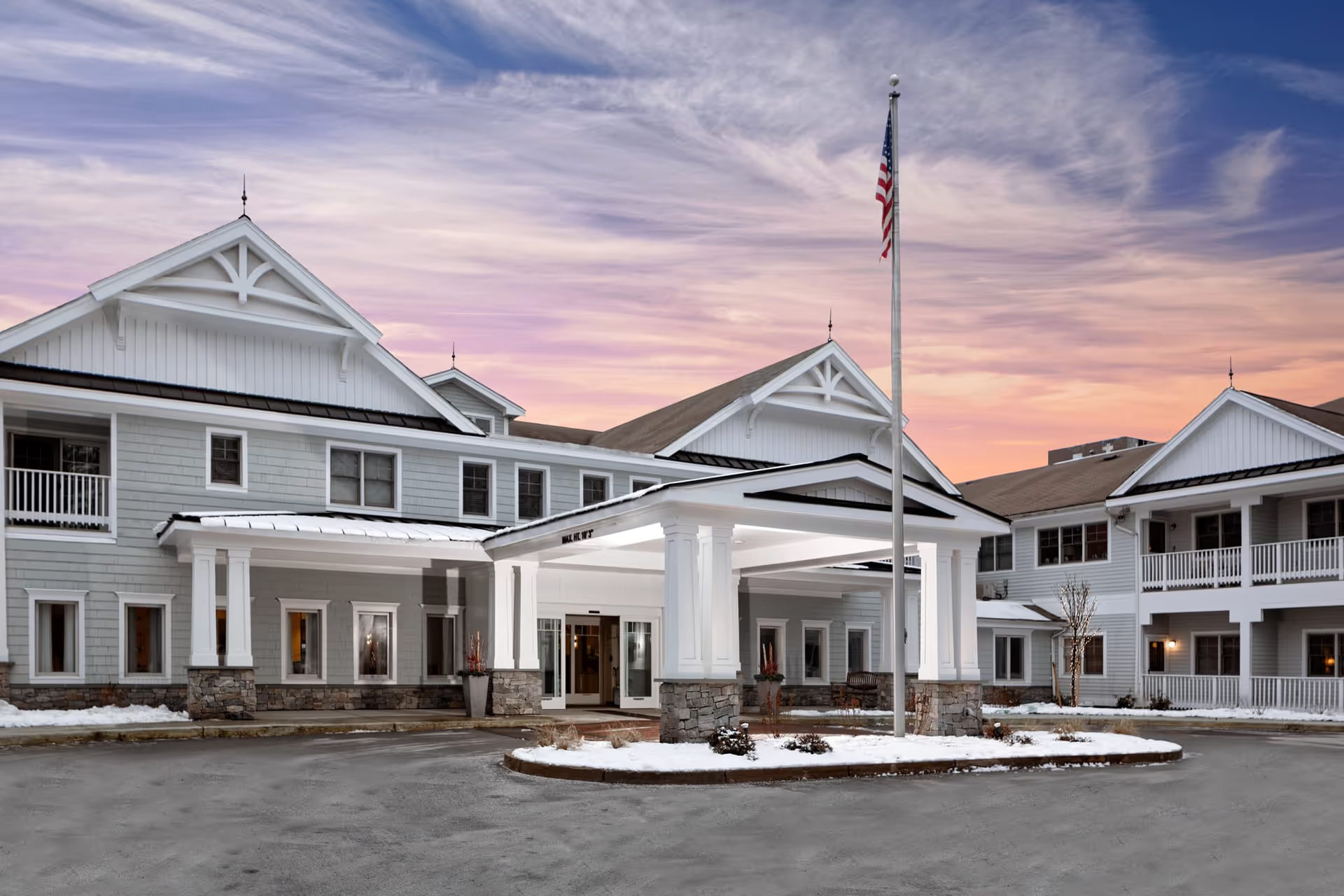
The physical environment is a mixed picture. Some areas are described as clean and well-maintained, but there are recurring comments about an institutional interior (fluorescent lighting and bland décor), ventilation and temperature-control problems that can lead to overheating, restricted window access that limits fresh-air options, and odor concerns in certain spaces. Maintenance shortfalls in lower-level or auxiliary areas were also noted. These are operational issues that impact comfort and atmosphere rather than clinical care directly, but they affect resident quality of life.
Management and policies warrant specific questions during a tour. Observers highlighted strengths in infection control and admissions welcome procedures, but they also pointed to inconsistent oversight and communication between staff and families. Policy-level items include the facility’s limited needs-based financial assistance for residents whose care requirements increase; families should clarify cost implications for escalating services. Information about activities was not prominent in the summaries provided; prospective families should ask about daily programming, social opportunities, and how those are maintained during staffing shortages.
In summary, Stone Rehabilitation and Senior Living presents several practical advantages — private rooms, medical access, and established infection-control protocols — alongside operational challenges in staffing consistency, facility comfort, and some maintenance areas. A focused tour that asks about staffing ratios, communication processes, meal-service controls, environmental systems (HVAC and window access), and financial policies for higher-level care will help determine whether the facility’s strengths align with an individual resident’s needs.