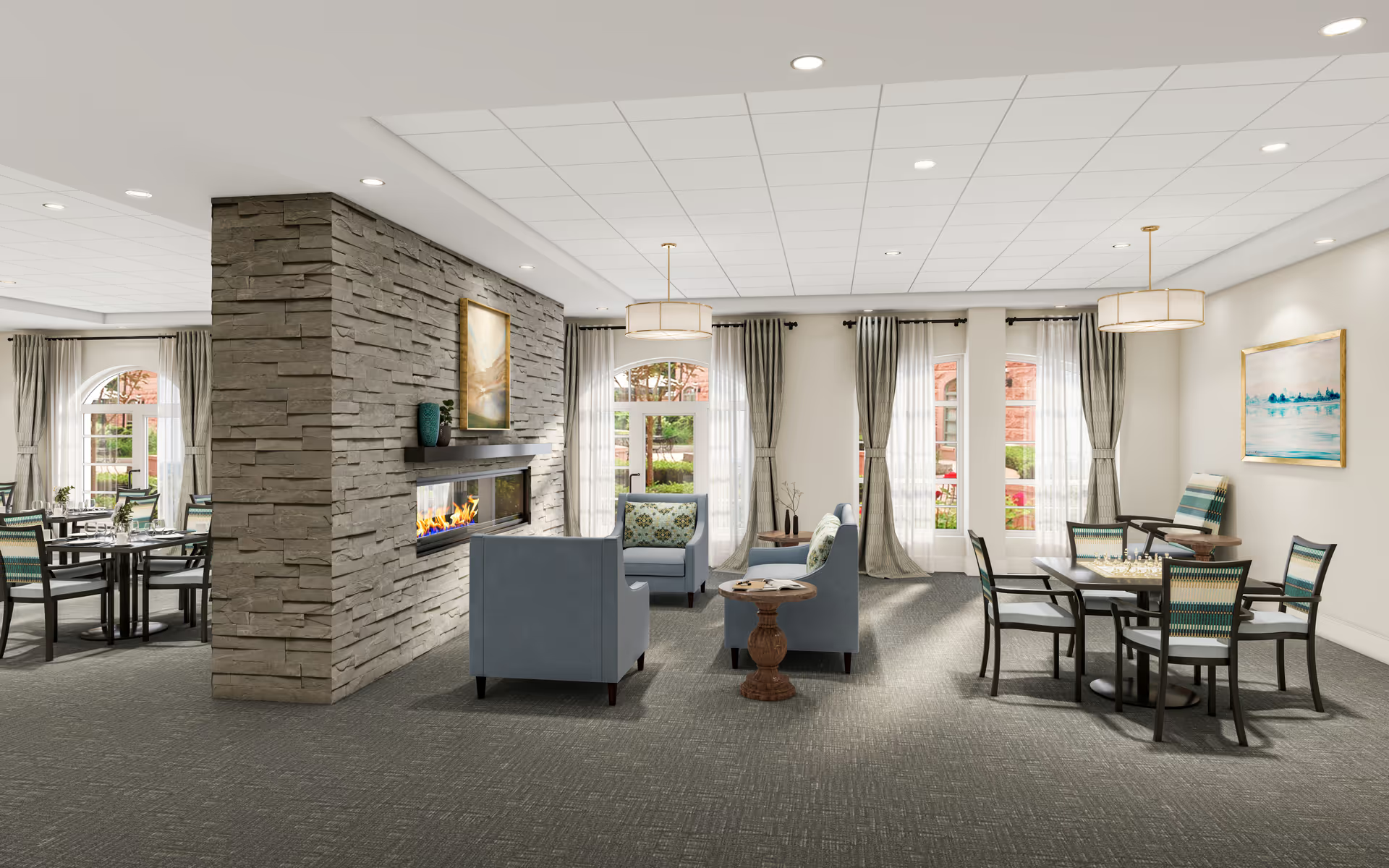
Overall impression: Adelaide of Newton Centre – Memory Care is consistently described as a high-end, memory-care–focused community with strong strengths in staff attention, facility design, cleanliness, and programming. Many families highlight compassionate, professional caregivers and an environment intentionally designed for people living with dementia: bright, airy common areas, private rooms, secure outdoor courtyards, and internal walking loops. The facility emphasizes memory-care programming, which reviewers cite as central to resident well-being.
Care and staff: Reviewers commonly praise the caregiving team and nursing staff as kind, patient, and engaged. Families report proactive nursing and a visible family-liaison role that supports regular updates and coordinated care planning. While staffing consistency and compassionate day-shift caregivers are strengths, reviewers also flagged instances where continuity was disrupted by the use of temporary or agency staff. A small number of reviews described serious family concerns about incident response and staff conduct; these items point to potential gaps in supervisory oversight and in how clinical incidents are investigated and documented.
Dining and clinical services: Dining receives favorable comments for fresh, adaptable menus and a responsive chef who accommodates dietary needs. The social dining model — escorted meals, dinner companions — is frequently cited as improving appetite and social engagement. The community provides on-site medical and specialist services (physician, psychiatry, dental, podiatry) that support routine and specialty care; nevertheless, the site is not positioned as a full acute-care facility, so families with high, complex medical needs should confirm clinical capabilities and transfer protocols.
Activities and programming: Activity offerings are broad and varied, spanning fitness classes, chair yoga, arts and crafts, live music, scenic outings, word games, bingo, and cognitive tech such as virtual reality. These programs are credited with improving resident mood, grooming, and social participation. Programming was affected during public-health restrictions (COVID), and reviewers note variability in activity intensity depending on staffing and infection-control circumstances; activity schedules appear to be strengthening as visitation and class offerings resume.
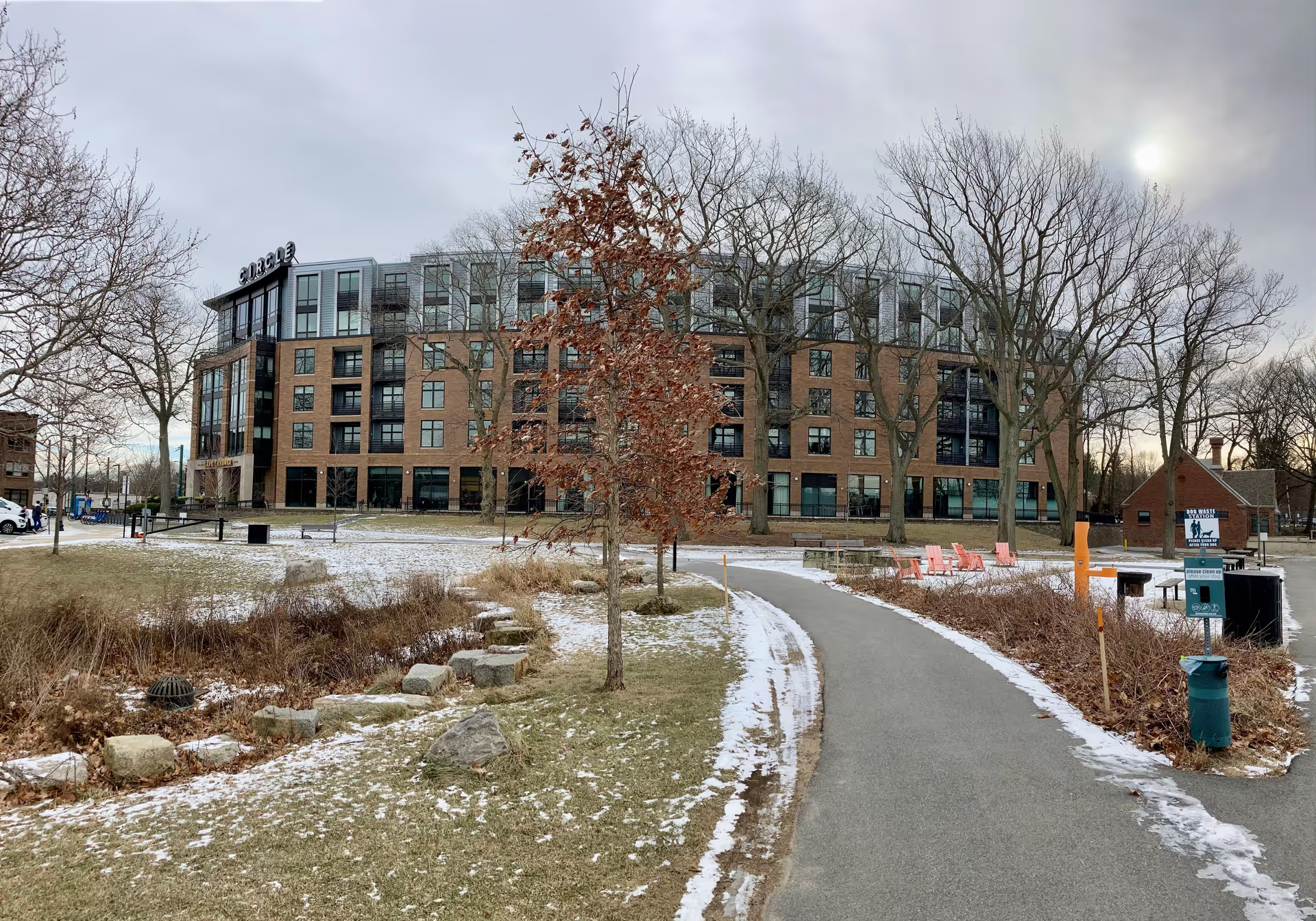
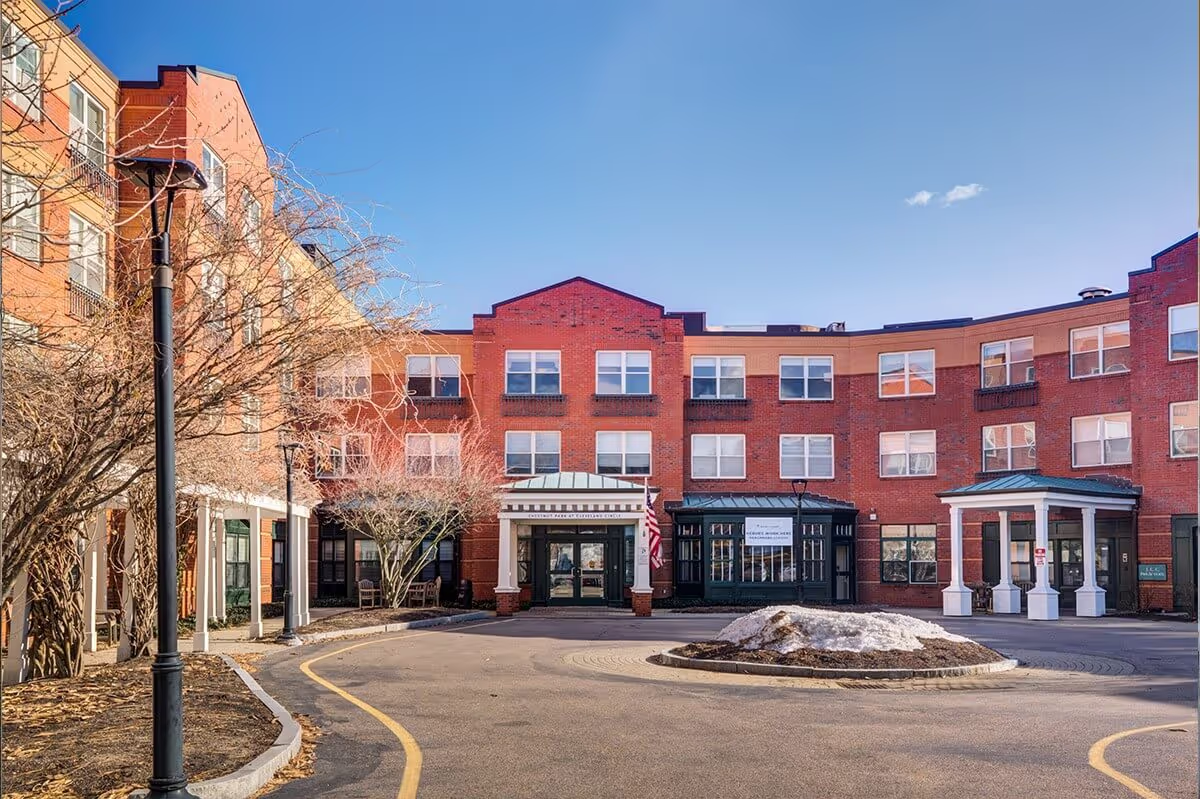
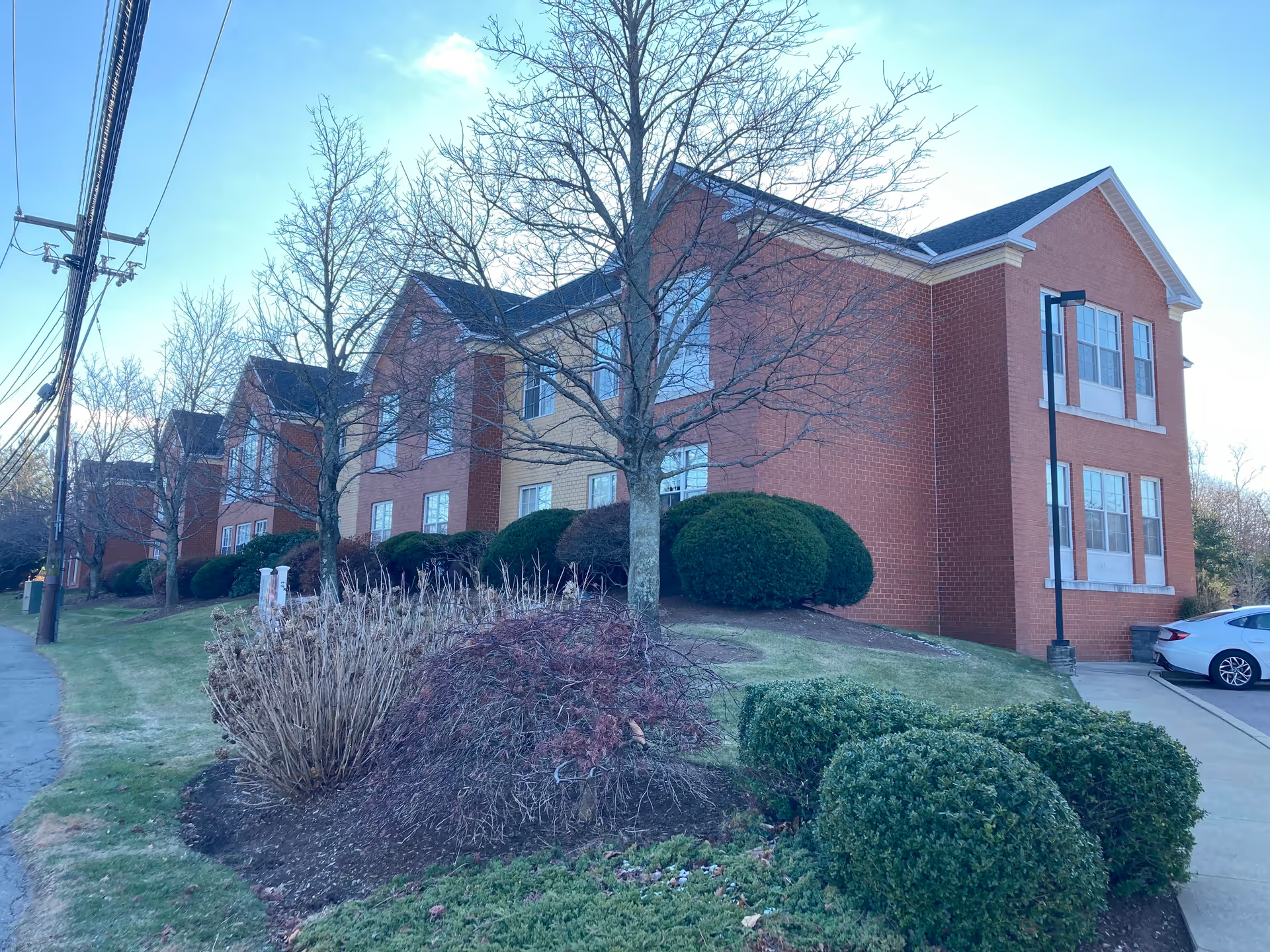
Facilities and management: The building and interiors draw strong positive reaction for thoughtful architecture, natural light, and cleanliness. Operationally, reviewers commend attentive intake, clear communication about pricing and extra benefits, and an overall welcoming admission process. Conversely, a subset of reviews indicates occasional organizational disorganization and uneven supervisory communication; parking limitations and the facility’s relatively small footprint were mentioned as practical constraints.
Notable patterns and guidance: The dominant pattern is one of a well-appointed, memory-focused community that delivers compassionate everyday care, structured social dining, and a lively activities program that contributes to resident engagement. Trade-offs noted across reviews include premium pricing and episodic concerns about staffing continuity and incident oversight. Prospective residents and families should investigate staffing ratios and agency-staff usage, clarify clinical incident response protocols and documentation practices, confirm the scope of on-site medical services for higher-acuity needs, and weigh cost against the programmatic and environmental benefits described by many families.