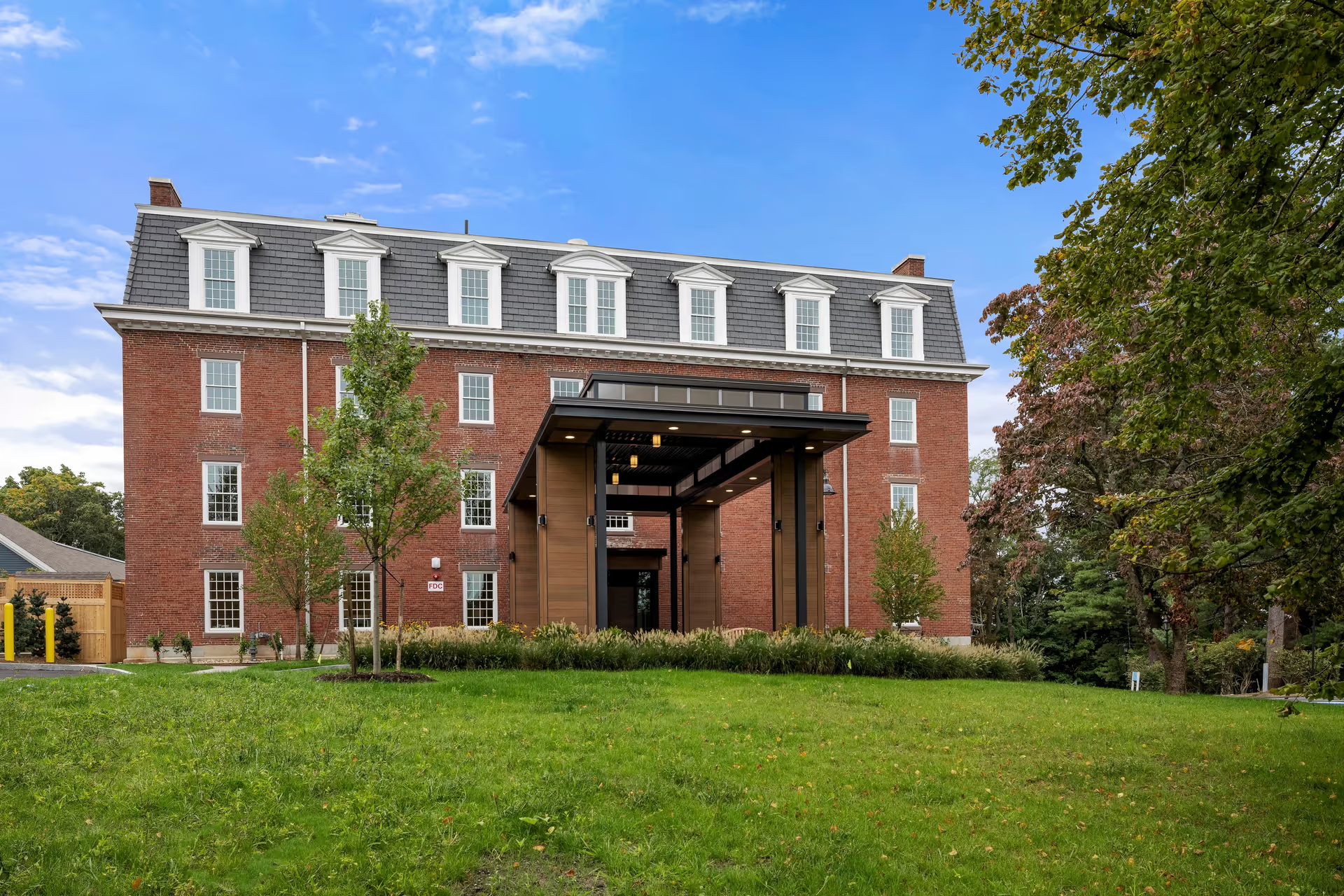
Overall impression: Chestnut Park at Cleveland Circle is frequently described as a staffed, clean, and well-appointed assisted living with a resident-centered culture. Strengths that recur across feedback include consistently praised caregiving staff, a strong memory-care unit, bright rooms and common spaces, and a range of on-site amenities. Families commonly note personal connections between staff and residents, timely communication from leadership, and compassionate support at end of life.
Care and staff: Care quality is a prominent strength. Staff are characterized as patient, respectful, and attentive; many families emphasize that employees know residents by name and respond to family requests. Memory-care programming and clinical input (including nurse-level involvement during transitions) receive favorable mention. Leadership presence and direct family communication are described as responsive in numerous accounts, and managers are noted for compassionate behavior during difficult situations.
Dining and dietary concerns: Dining impressions are mixed. Some residents and families praise the restaurant-style dining room, pleasant dining spaces, and generally good meals. However, other accounts describe inconsistent meal quality and gaps in dietary accommodation, particularly for low-sodium, customized, or special-menu needs. Operational weaknesses are noted around meal-service continuity and supervision (for example, service disruptions when dining staff are absent) and there are specific concerns about sanitation and food-safety practices in the dining operation. Prospective families should confirm current menu options, special-diet processes, and dining supervision protocols.
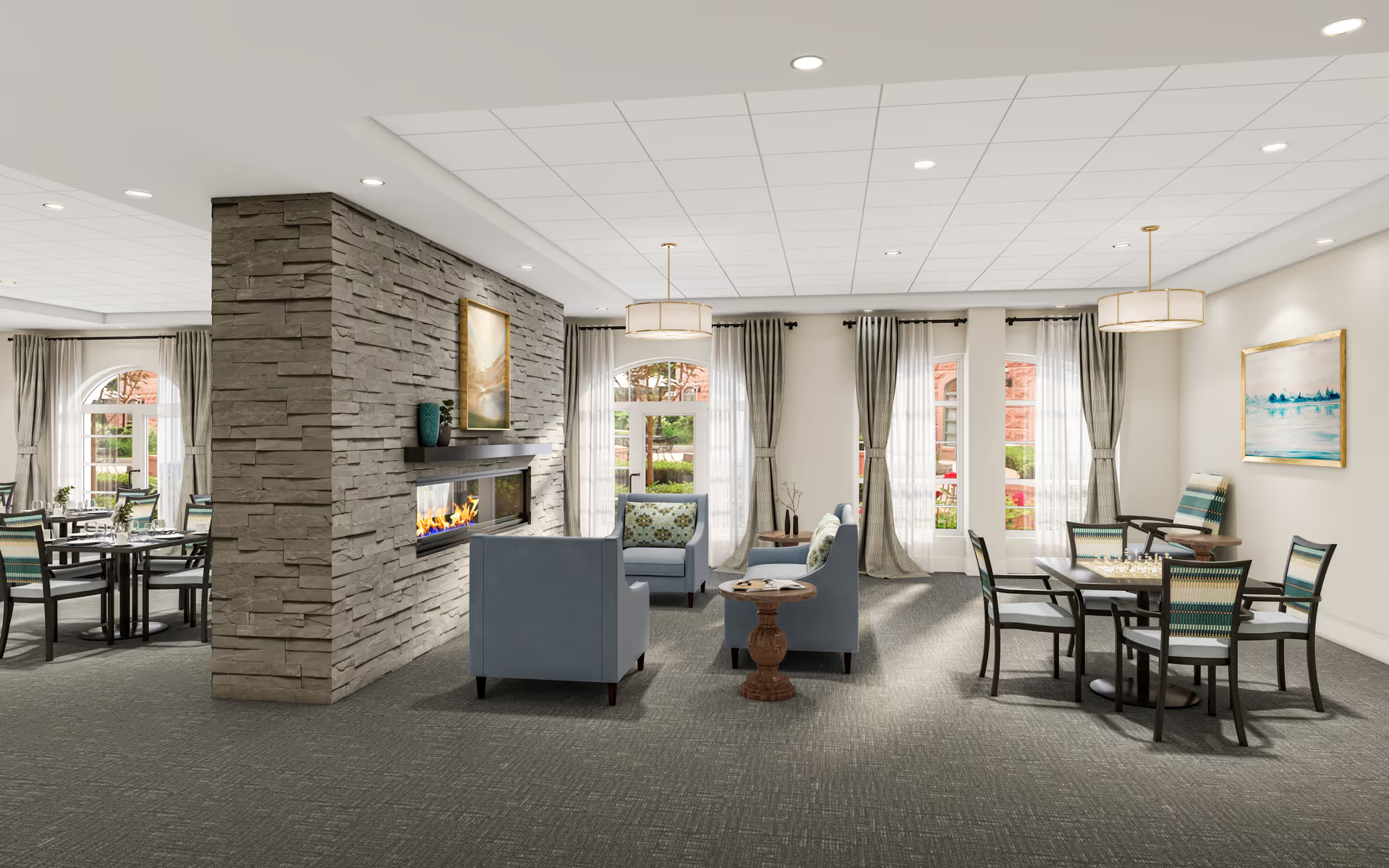
Activities and social life: Activity programming is often highlighted as varied and meaningful, including music therapy, movies, discussion groups, outings, and exercise. At the same time, some reviewers experienced variability in activity frequency or availability (examples include limited arts-and-crafts or temporary reductions in offerings). The facility offers multiple gathering nooks, a library, and outdoor spaces that support social engagement; however, activity engagement can differ by resident population and timing.
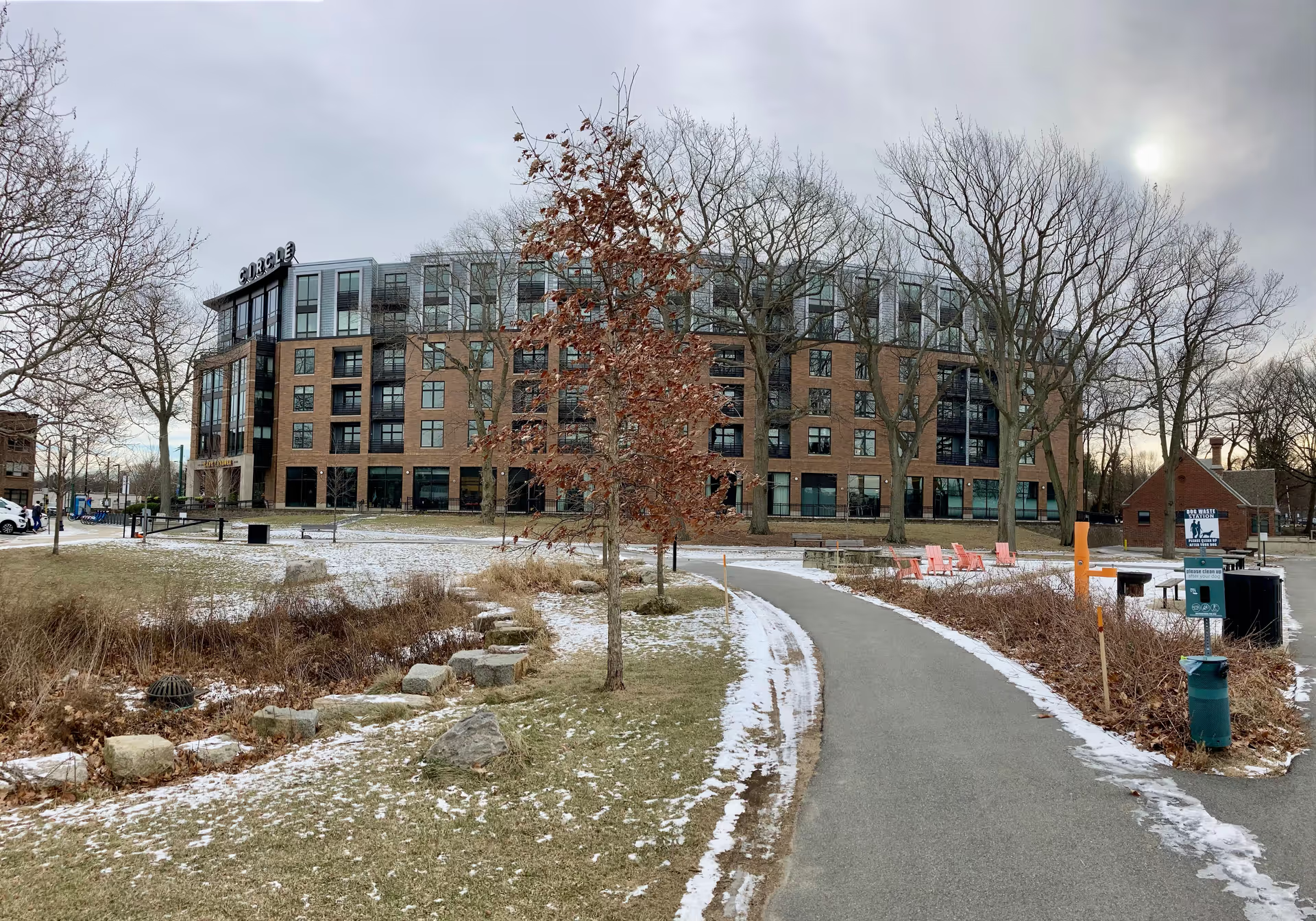
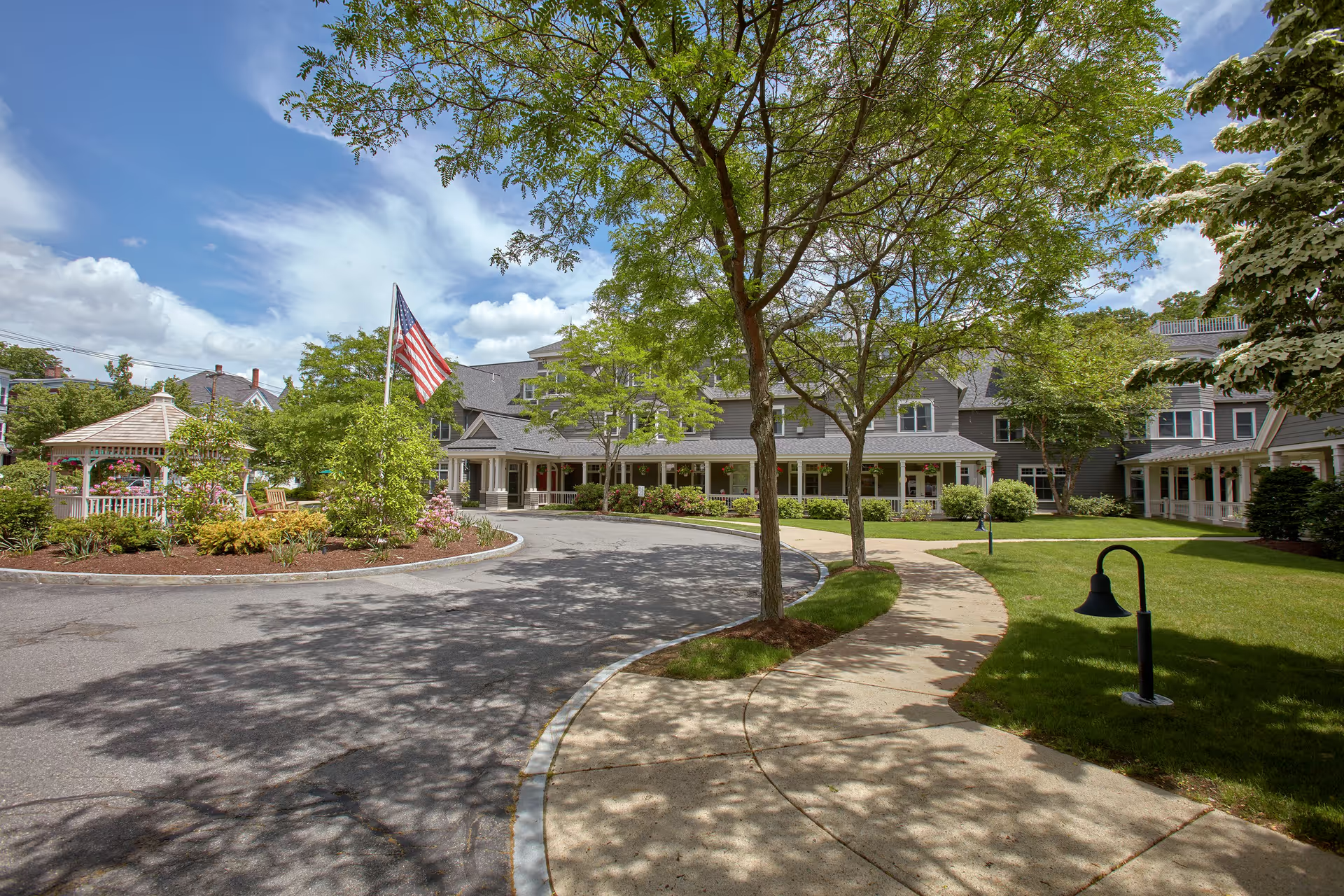
Facilities and maintenance: The community is described as clean, well-kept, and attractive, with sunlit lounges and pleasant common areas. A number of comments point to smaller apartment footprints and areas with older or uneven finishes compared with newer competitors. Maintenance responsiveness is generally positive but variable; some families noted slow repairs or responsiveness lapses. The community is pet-friendly and benefits from a convenient, hospital-affiliated location.
Management, value, and limitations: Leadership presence and family communication are strengths for many, but a subset of feedback questions management consistency or qualifications and perceives a mismatch between cost and value. The community is positioned at a higher price point; prospective residents should evaluate the aging-in-place plan and confirm on-site nursing capacity if progressive care needs are anticipated.
Notable patterns and suggestions for visitors: The most consistent positives are the quality of direct-care staff, cleanliness, and the warmth of common spaces. The clearest areas to investigate during a tour are current dining operations (menu samples, dietary accommodation process, and dining supervision), maintenance response procedures, apartment dimensions and finish levels, and the scope of on-site nursing or clinical support for higher-acuity needs. Asking for recent menus, a sample activity schedule, and references from current families can help assess whether the community’s operational practices match your priorities.