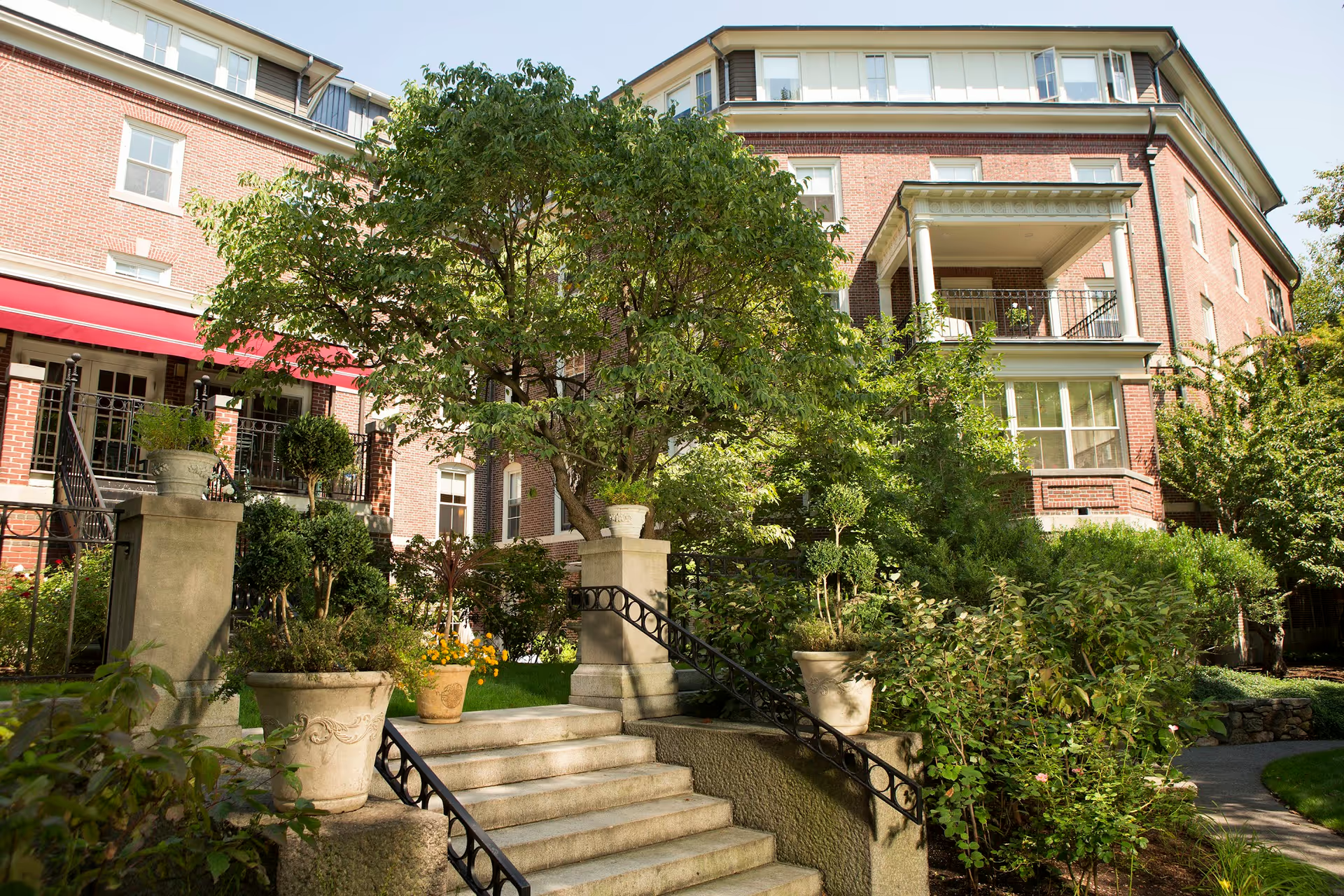
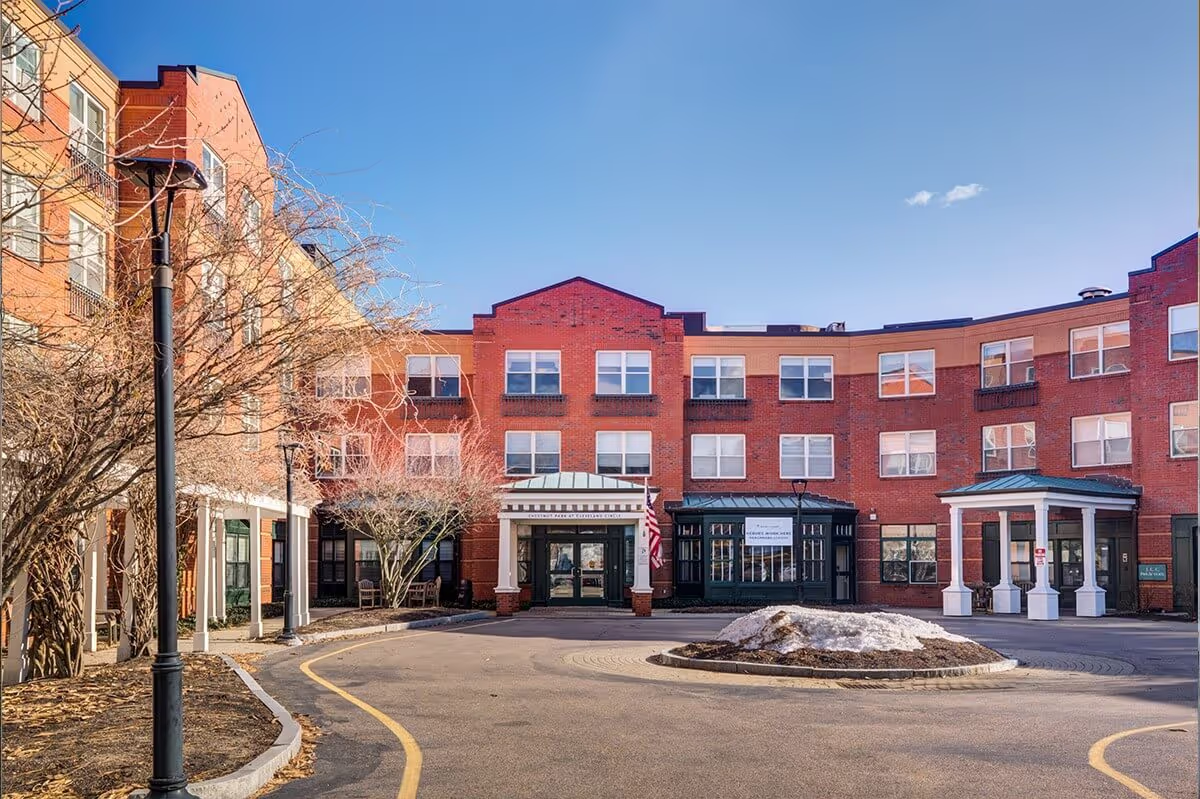
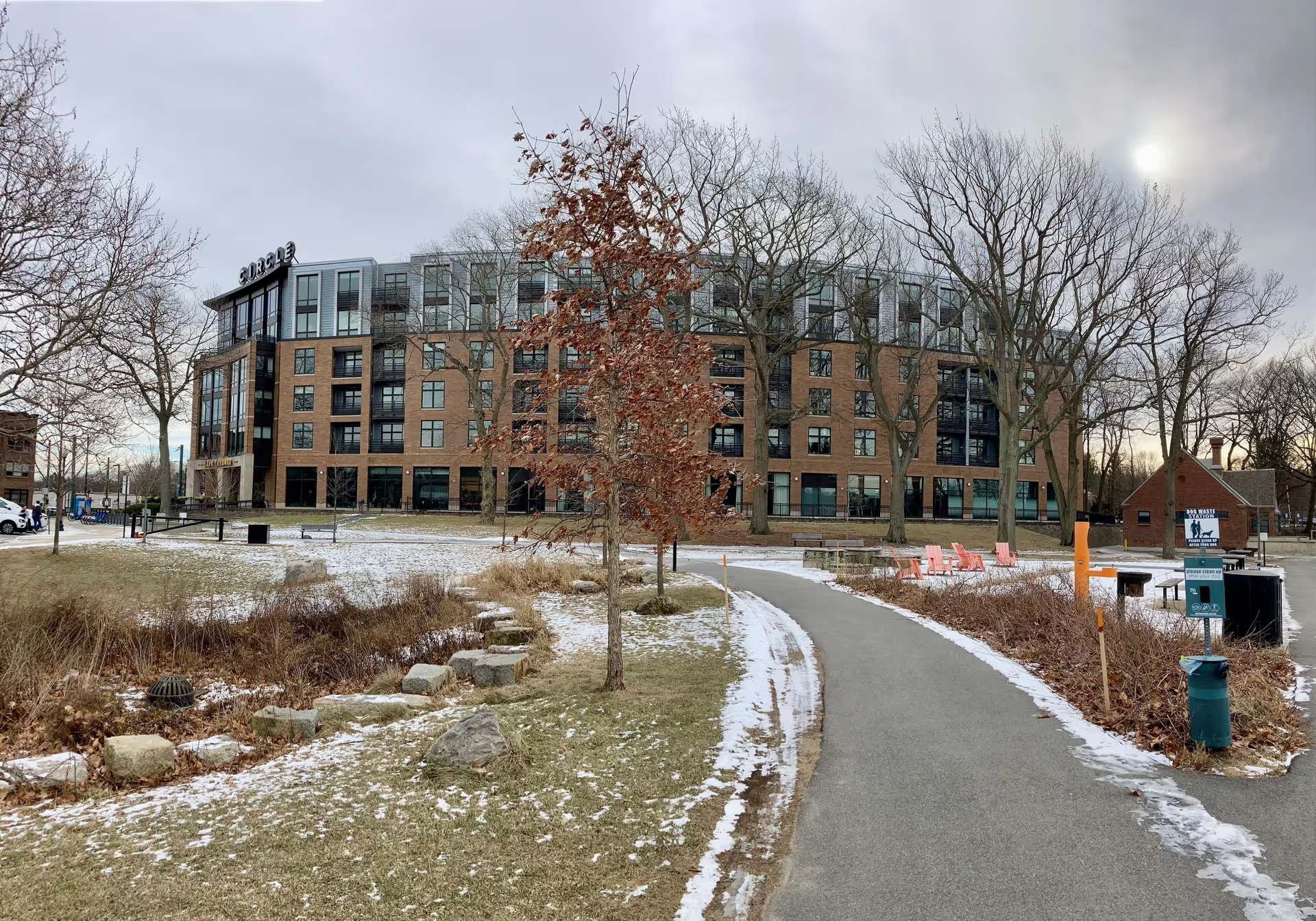
Overall impression Brigham House presents as a small, older assisted living community that has undergone selective updates. Reviewers consistently note bright, well-lit apartments with large windows and functional features such as kitchenettes and walk-in bathrooms. The building’s age is evident, but many common and private spaces have been refreshed; maintenance and general cleanliness were described positively. The community layout and nearby park and shopping make the location practical for families who visit or for residents who remain mobile.
Care quality and staff Care-related feedback is predominantly positive: families described attentive and caring staff, regular wellness checks, medication administration, assistance to meals, and routine bathing. There are examples of staff going beyond typical duties and providing after-hours support. At the same time, comments indicate variability in staff performance and occasional concerns about responsiveness or consistency. That pattern suggests a generally competent caregiving team with uneven execution at times, rather than a universal staffing failure.
Dining and housekeeping The facility provides three meals daily and has an appealing dining room that some reviewers compared favorably to a restaurant environment. However, meal quality was a recurring mixed point—several accounts describe overcooked or unappealing food and inconsistent preparation. Housekeeping and linen services are cited as reliable, with weekly sheet/towel service and room cleaning included. Laundry services and escorts to meals are available and viewed as helpful supports.
Activities and social life Activity programming is a clear strength: a full calendar of offerings (memory games, bingo, movement classes, music, movies, pet/animal visits, and outings) contributes to high engagement for residents, and staff are described as proactive in keeping residents involved. That said, infection-control measures or quarantine periods have at times limited resident participation in group activities, reducing social access during those intervals.
Facilities and accessibility Units vary in size and are described as sizable for the building type, though some studio units are compact (approx. 440 sq ft) and may be insufficient for residents who require more extensive care or equipment. The community is wheelchair-accessible and supports mobility with nearby outdoor paths and shopping. While the interior is generally clean and well maintained, the facility’s advanced age remains a contextual factor for prospective residents to weigh against recent updates.
Management, cost, and policies Cost and administrative policies are notable decision factors. There are references to high fees (including an activity buy-in) and concerns about the facility’s financial priorities, phrased by some as emphasis on cost control over resident services. Conversely, the community appears to offer income-based and reduced-rate options and includes financial support mechanisms for residents with limited resources. A long-term lease requirement is enforced, which reduces contractual flexibility for some families.
Notable patterns for prospective families Prospective residents and families will find strengths in active programming, visible staff attentiveness, and bright updated living spaces. Key considerations include variable meal quality, occasional inconsistency in staff performance, the facility’s age, and cost/contract terms such as the buy-in fee and lease length. The community tends to suit individuals seeking an engaged, small assisted-living environment who are comfortable with an older building and who value social programming and hands-on staff; those requiring more space or consistently high-acuity care should evaluate unit sizes and staffing patterns during a tour.