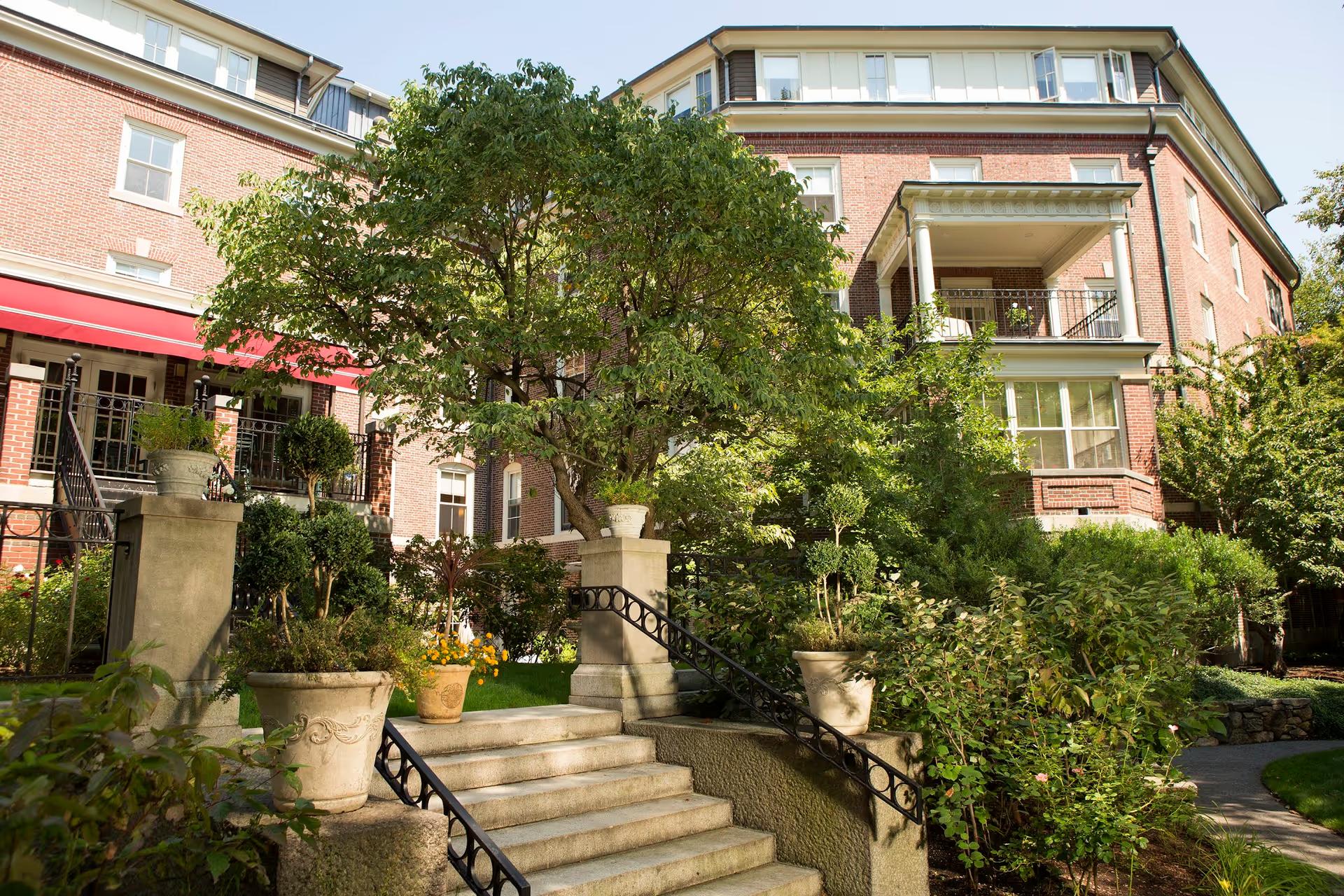
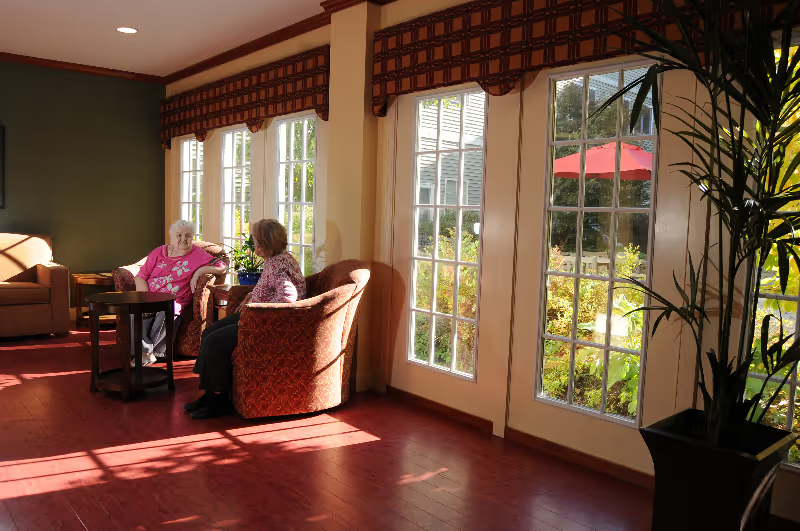
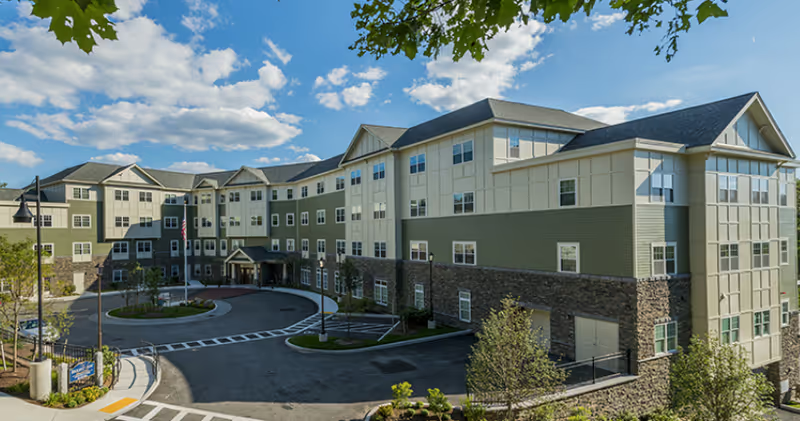
Neville Place at Fresh Pond / Compass Memory Support is consistently described as a warm, community-oriented assisted living and memory-care option in a scenic, historic setting. Reviewers frequently highlight the building’s tasteful renovation, abundant natural light, private dining areas with views of woods and water, and direct access to walking trails and green space. The facility’s location near Cambridge transit and shopping, combined with LIHTC affordability options, contributes to its appeal for families seeking an urban-adjacent residence with a neighborhood feel.
Dining and activities are recurring strengths. Many accounts praise restaurant-style meals that are healthful, attractive, and served in sun-filled rooms; there are also frequent references to a robust activities program that includes art, music, and tailored events for memory-care residents. On-site rehabilitation services (physical and occupational therapy) and a dedicated memory-care brand (Compass) are noted as valuable clinical and programmatic resources. Families also describe welcoming onboarding, personalized attention from leadership, and regular communication channels such as weekly video updates.
Staff quality is a prominent and generally positive theme: reviewers often use terms such as compassionate, attentive, long-tenured, and knowledgeable—particularly in memory-care programming. Several reviewers credit management and activity staff with creating a family-like atmosphere and effective, personalized care. That said, there are important caveats. A subset of reviews raises serious concerns about staff conduct and professionalism; some include allegations of substance use on duty and privacy breaches. In addition, there are operational complaints about inconsistent medication practices within the self-administered drug program and variability in responsiveness to call buttons and urgent requests. Prospective families should verify staffing oversight, professionalism policies, and response-time metrics during a visit.
Facility-level operational gaps emerge as recurring patterns. Reviewers indicate insufficient accommodations and staff training for residents with significant vision impairment, while mobility needs appear better supported. Cleanliness and pest-control issues are cited in some units, and there are isolated indications of lapses in environmental safety or equipment provisioning. Several reviewers also note limited meal-selection options at times, and some caution that the community has boundaries on the level of clinical acuity it can support—meaning residents with escalating medical needs may require a subsequent move to a higher-acuity setting. A few comments reference infection-control and vaccination communication gaps and an explicit religious-affiliation policy that may affect some families’ preferences.
In sum, Neville Place offers many of the hallmarks families seek in assisted living and memory support: a strong sense of community, attractive dining and programming, skilled memory-care services, and an appealing campus adjacent to natural open space. The most important areas to evaluate in person are staff oversight and conduct policies, medication administration procedures, response times for call systems, visual-impairment accommodations, and any sanitation or pest-control assurances. Asking for documentation of staffing training, infection-control protocols, medication-administration policies, and examples of how visual and higher-acuity needs are managed will help determine whether the facility’s operational practices align with a prospective resident’s needs.