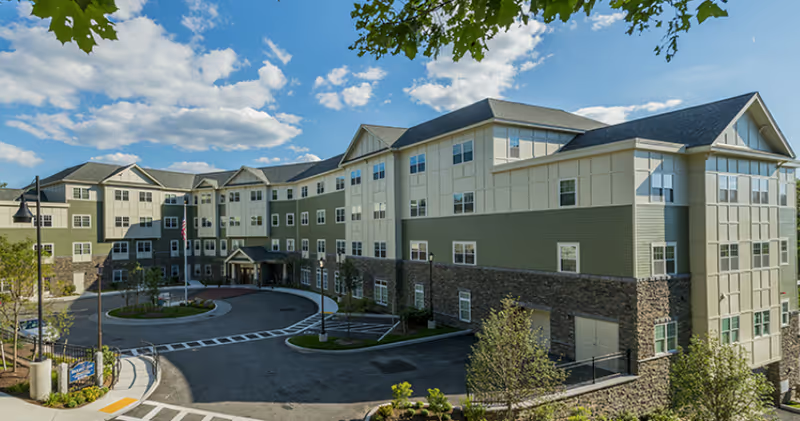
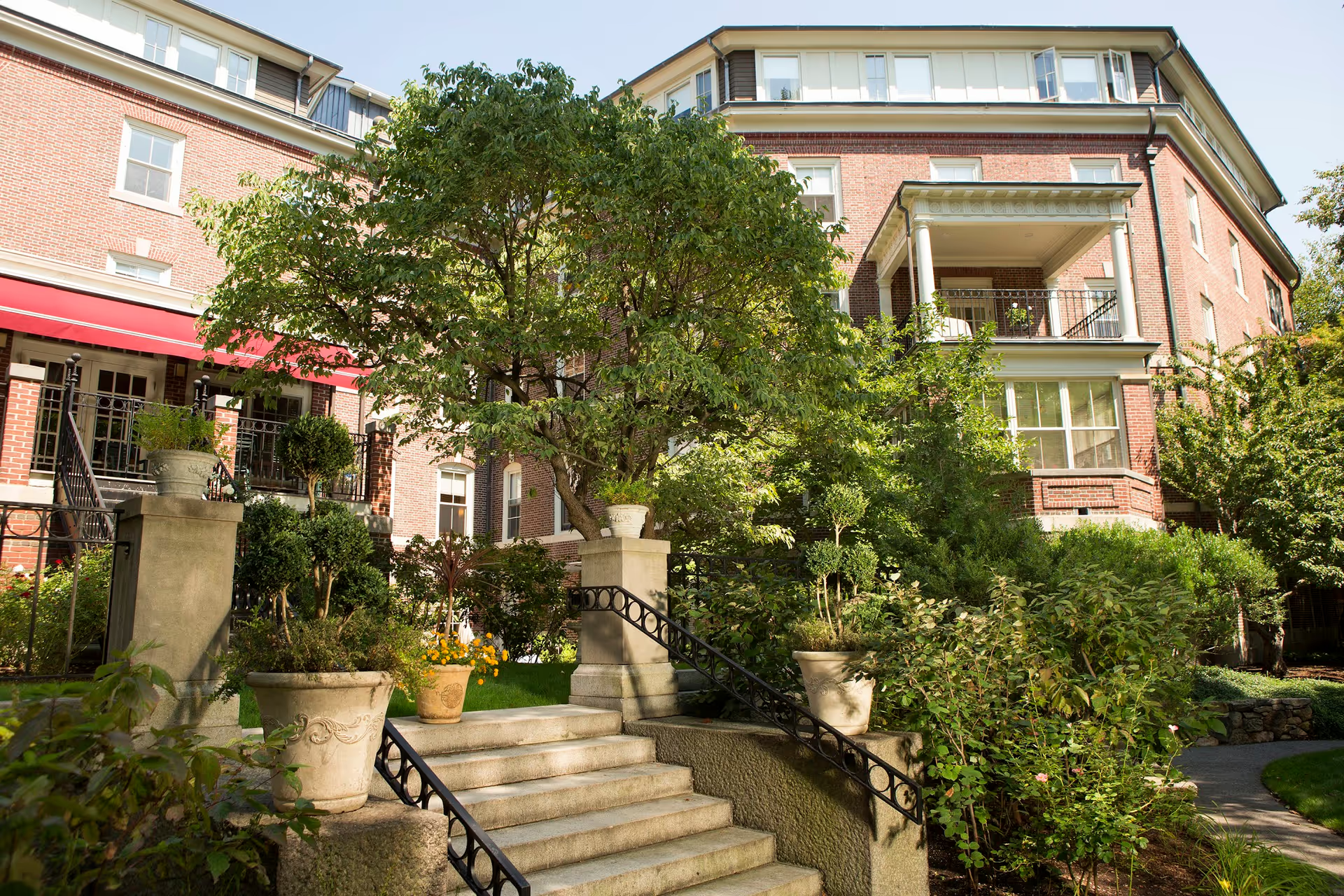
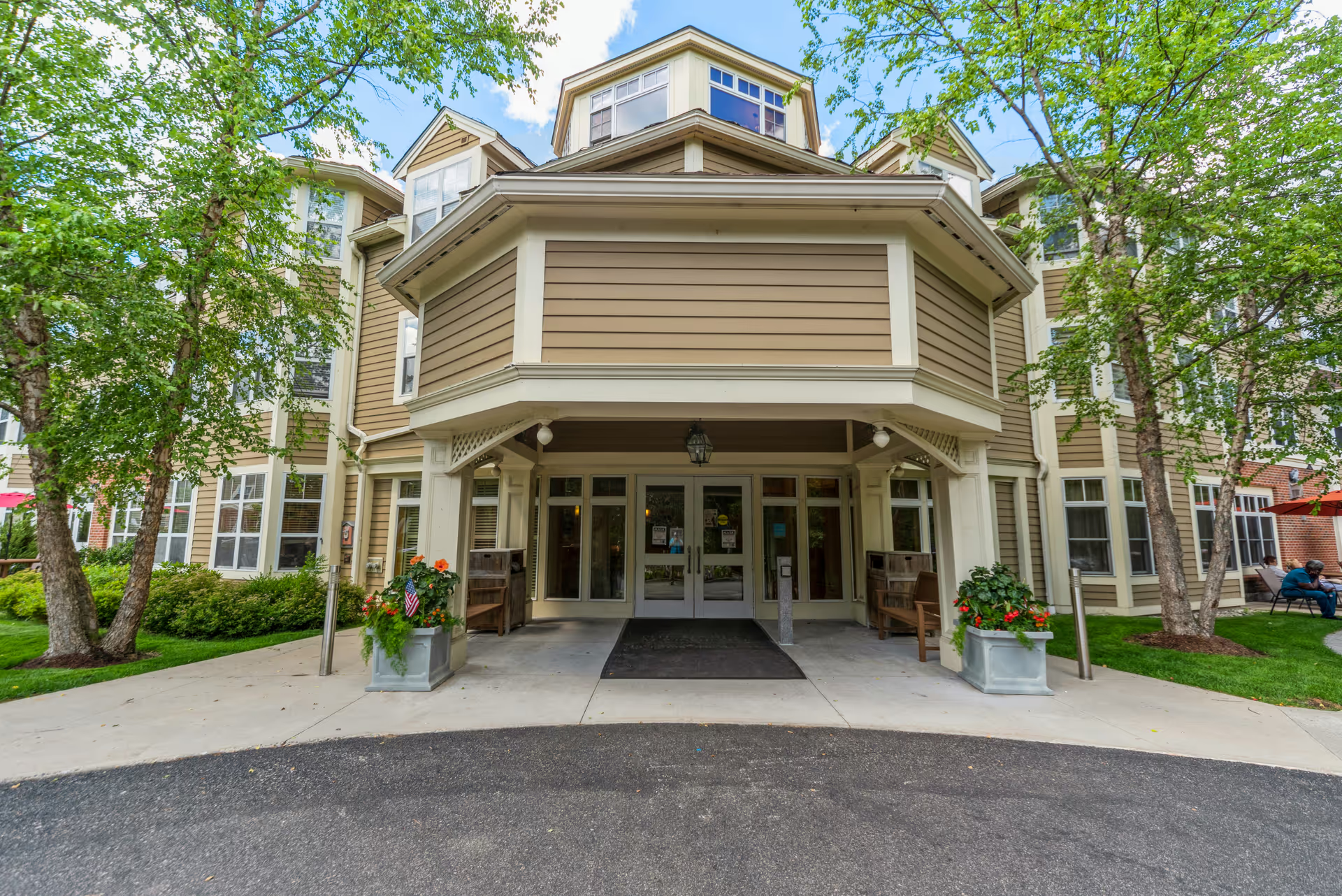
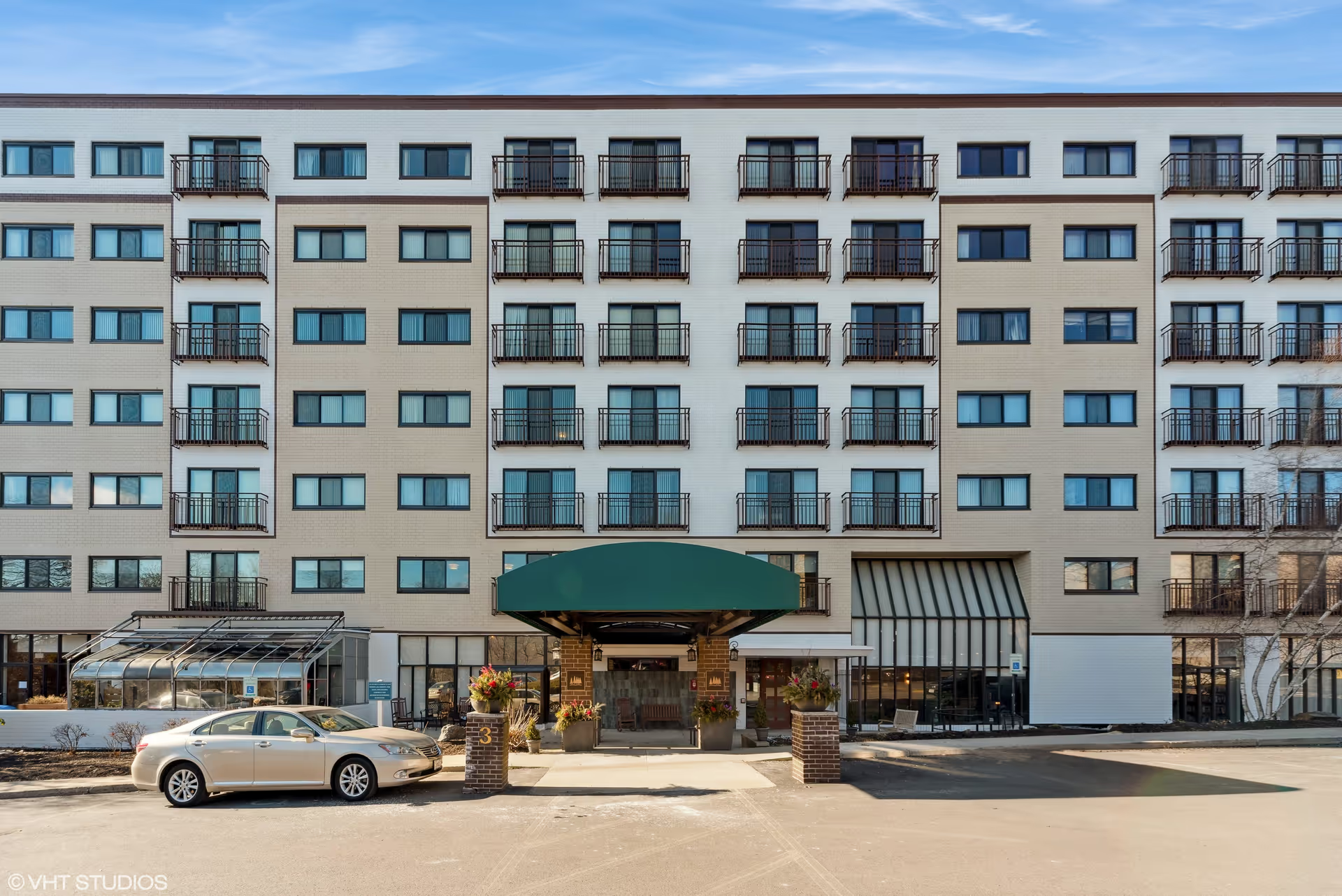
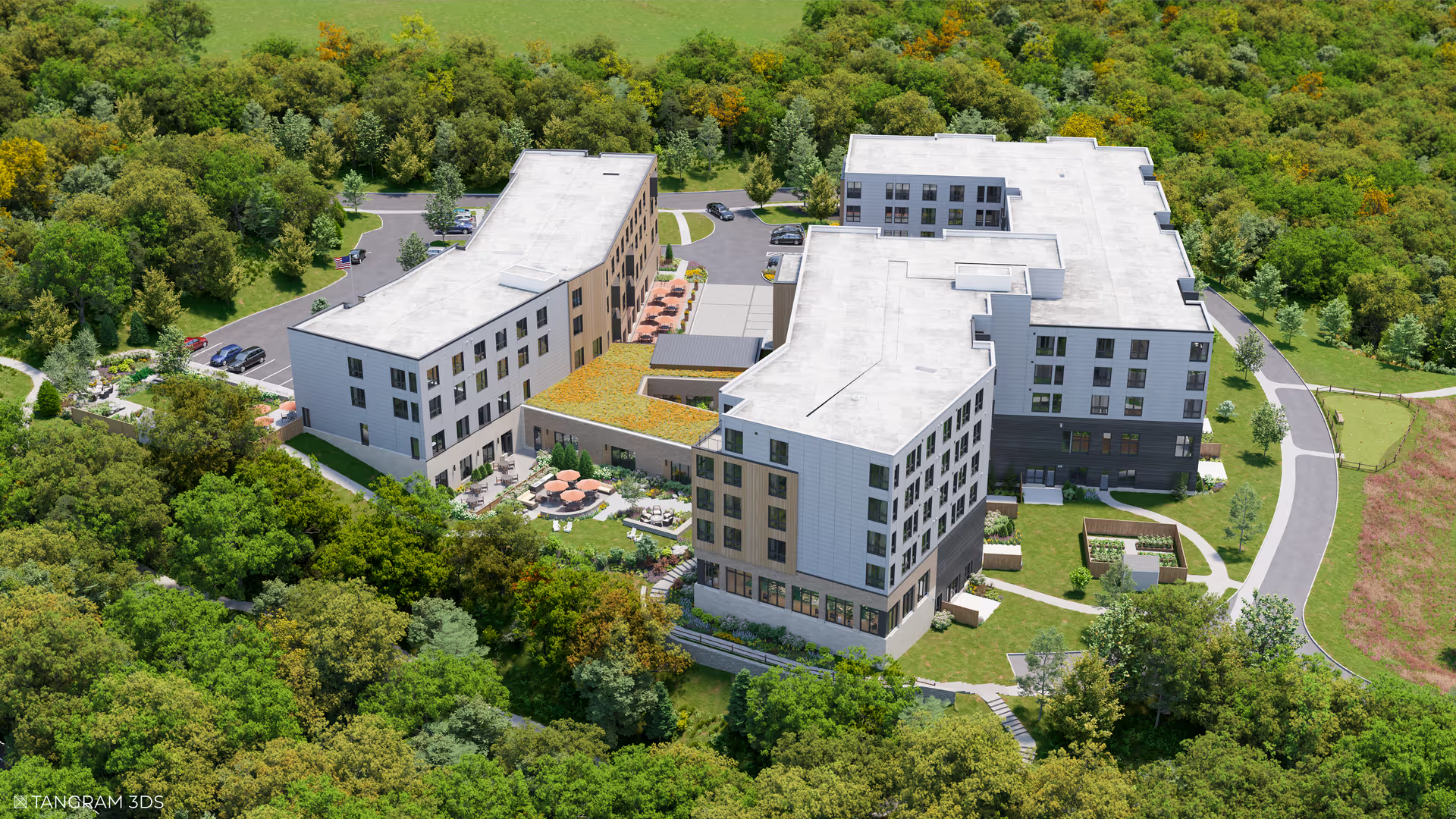
Overall impression: VNA Senior Living presents a mixed but generally positive profile with several clear strengths in amenities, social programming, and aspects of clinical support. Many accounts highlight clean, well-maintained buildings, attractive outdoor spaces, and a range of apartment configurations from smaller studios with kitchenettes to larger units with separate bedrooms. The community’s location near parks and a river is noted as an additional lifestyle benefit.
Care and staff: There is a consistent theme of compassionate, caring nursing and support staff, and reviewers frequently describe helpful interactions with clinical personnel including named nurses and visiting nurse services. On-site rehabilitative services and visiting nurse support are strengths that support continuity of care for many residents. At the same time, several reviewers raised concerns about variability in clinical responsiveness during acute events; this suggests that escalation protocols and staffing consistency may differ by shift or unit. Prospective residents should ask about staffing levels, response times, and emergency escalation procedures when touring.
Dining and activities: Dining is often described positively, with a restaurant-like experience and many families reporting enjoyable meals. However, there are also references to inconsistent dining quality, indicating meal experience may vary by time or location. Social programming is a clear strength — reviewers mention frequent activities, group meals, card games, and an engaged residential community that supports social connection. These offerings appear to be meaningful for resident quality of life.
Facilities and operations: Physical facilities are frequently praised: new construction options, clean interiors, spacious apartments, accessible bathrooms, and pleasant outdoor amenities including a courtyard with a water feature. Operational concerns raised by some reviewers include inconsistent communications or unmet promises from management, variability in front-office professionalism, unreliable Wi‑Fi, and limited transportation services (no dedicated shuttle). A number of comments also point to limits in the facility’s ability to manage higher-acuity care needs, prompting some residents to transition elsewhere when needs escalated.
Notable patterns and recommendations: The reviews suggest a broadly positive environment for independent and assisted living residents who require routine clinical support, social engagement, and well‑maintained living spaces. However, there is a detectable pattern of operational inconsistency — both in care responsiveness and administrative follow-through — that prospective residents and families should investigate. Recommended questions for tours include: current staffing levels and shift coverage, documented emergency and escalation procedures, written agreements for promised services, internet reliability, transportation options, and how the community handles transitions to higher levels of care. Checking recent inspection reports and speaking with current residents and families can help clarify whether the community’s strengths align with an individual’s priorities and clinical needs.