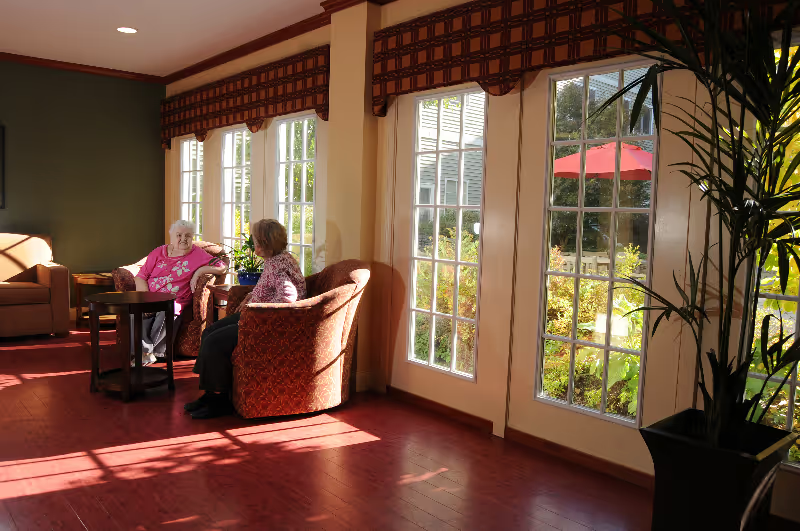
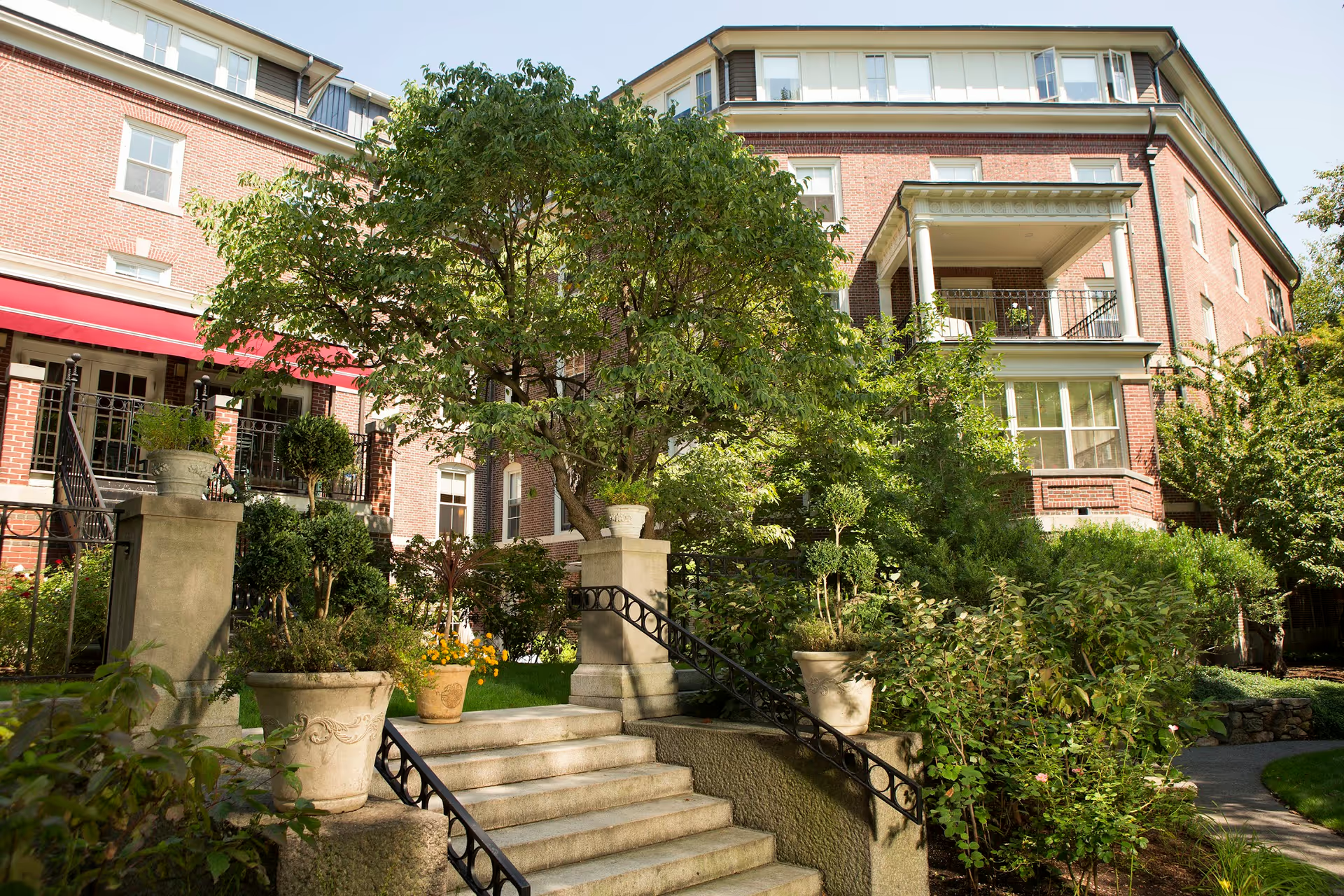
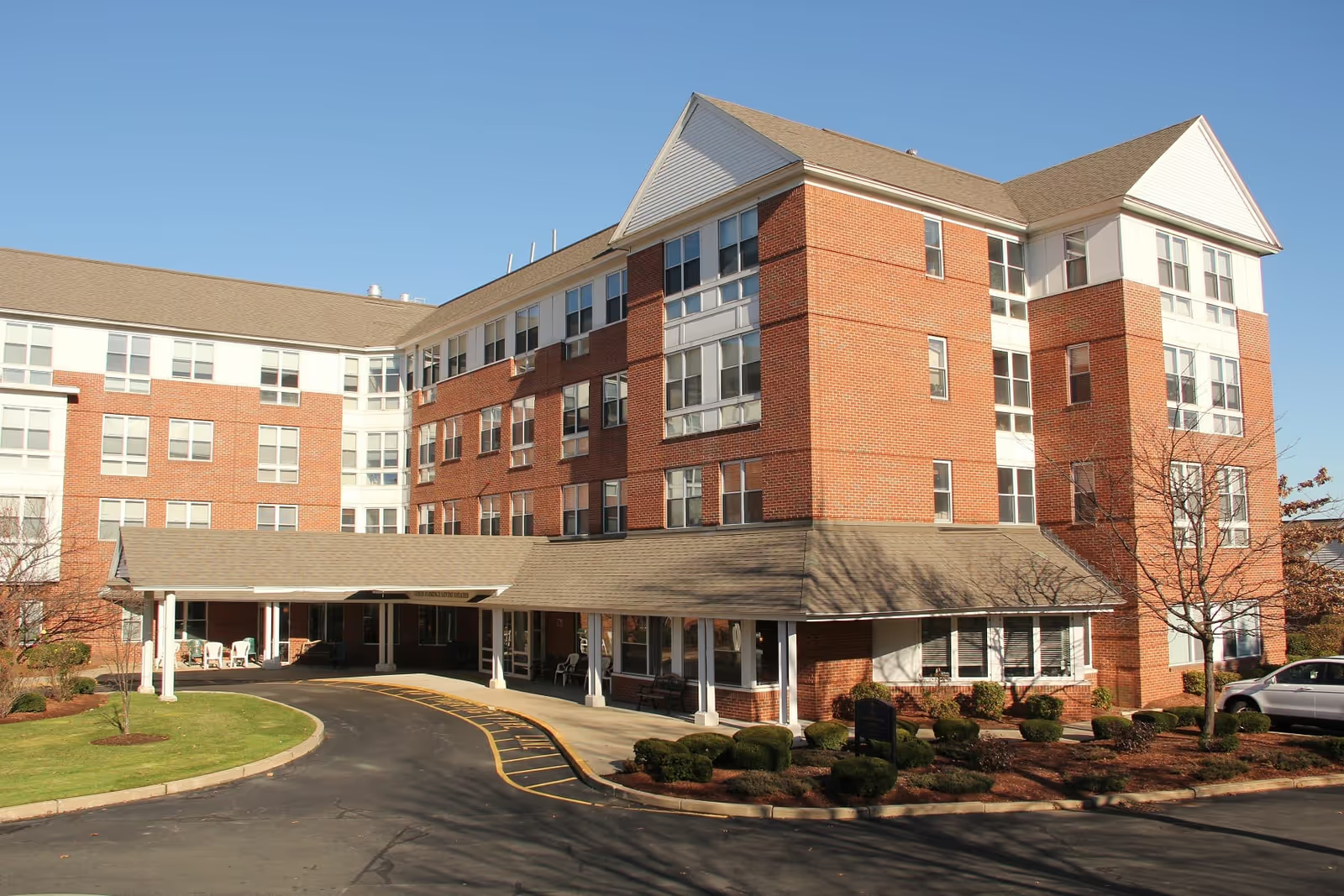
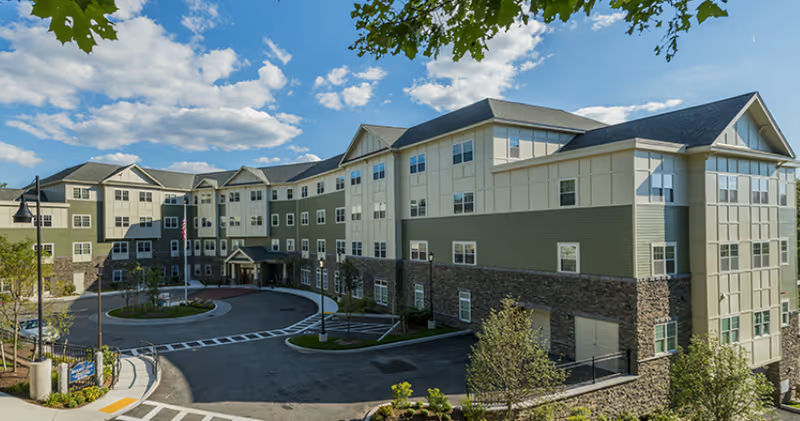
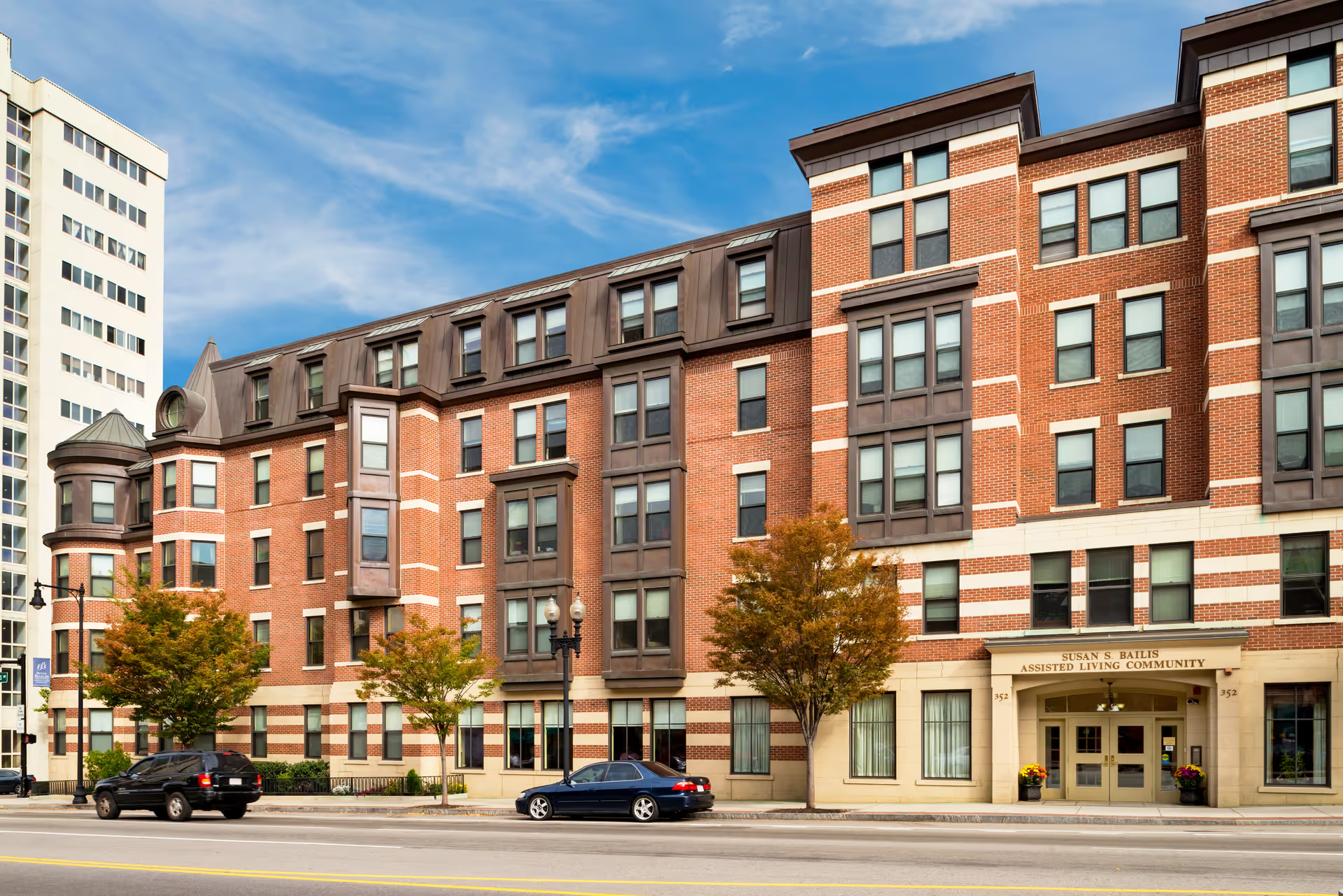
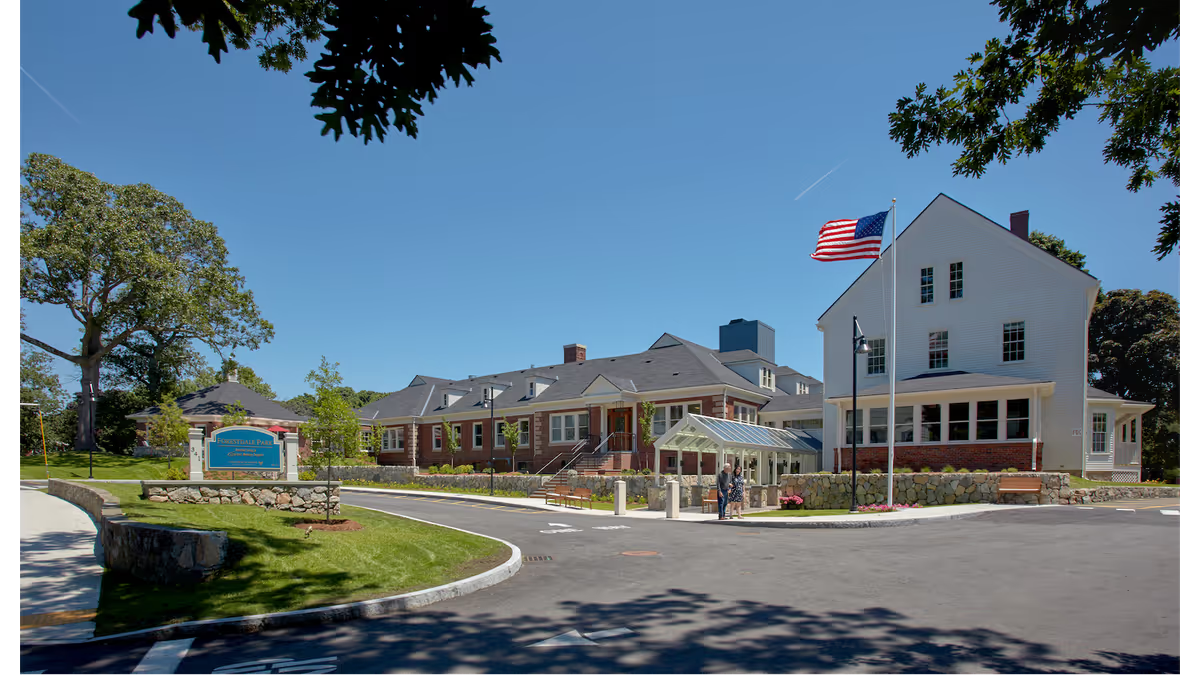
Overall impression: Visiting Nurse Assisted Living receives consistent praise for compassionate, hands-on caregiving and a homelike environment led by an engaged executive team. Many families described staff who are attentive, kind, and proactive; the community is noted for offering thoughtful end-of-life support and accommodations for family members. Facilities and common areas are frequently described as clean and well maintained, with pleasant grounds and a calm atmosphere.
Care and clinical services: Clinical care elements earn mixed-but-leaning-positive assessments. Reviewers highlight attentive nursing, patient medication and transportation assistance, in-house physical therapy, and an established exercise program that some described as award-winning. End-of-life care and family inclusion during that period are consistently portrayed as compassionate. However, there are operational concerns about consistency: training and staffing levels appear uneven, and there are indications of gaps in resident-safety monitoring and fall-prevention practices that families should review during a visit.
Staff and management: Staffing culture is a clear strength when present — many reviewers emphasize staff kindness, proactive communication, and leadership that knows residents by name. The executive director and leadership presence are repeatedly cited as contributing to a home-like culture. At the same time, reviewers describe variability in staff conduct and responsiveness between shifts (notably weekends) and occasional frontline performance lapses. Prospective families should ask about staff-to-resident ratios, weekend coverage, and orientation/training programs when evaluating the community.
Dining and activities: Dining is generally praised for meal quality, variety, and the availability of private dining options. On-site conveniences such as a hair salon, boutique store, and convenience shop add to day-to-day comfort. Activity programming includes structured exercise, in-house therapy, musical entertainment, and social opportunities that many residents enjoy. That said, activity engagement may be uneven for residents with higher-level cognitive or mobility needs; some reviewers described wandering or insufficient stimulation for those residents, suggesting a need to confirm activity suitability for specific care levels.
Facilities and amenities: The physical plant is commonly described as attractive and well cared for. Apartment options include furnished units and some that are noted as spacious, though impressions of room size vary. Amenities such as sleeper couches for families, private dining, and salon services support both short- and long-term stays. Cleanliness and pleasant common areas are recurring positives.
Financial and admission practices: Several reviewers expressed concern about cost, describing the community as expensive and raising questions about fee transparency. There are also comments characterizing admission or placement conversations as high-pressure. Families should request a complete, written fee schedule and clarify financial and move-in policies before committing.
Notable patterns and recommendation guidance: The dominant pattern is a community that provides compassionate, personalized care with strong amenities and management engagement. The most important caveats are inconsistency: variability in staffing, weekend conduct, training, and safety-monitoring practices that can affect individual experiences. For prospective residents, recommended next steps include touring during weekday and weekend hours, speaking directly with nursing leadership about staffing and fall-prevention protocols, reviewing recent training and turnover information, and obtaining detailed fee disclosures. These steps will help determine whether the facility’s strengths align with an individual’s clinical needs and expectations.