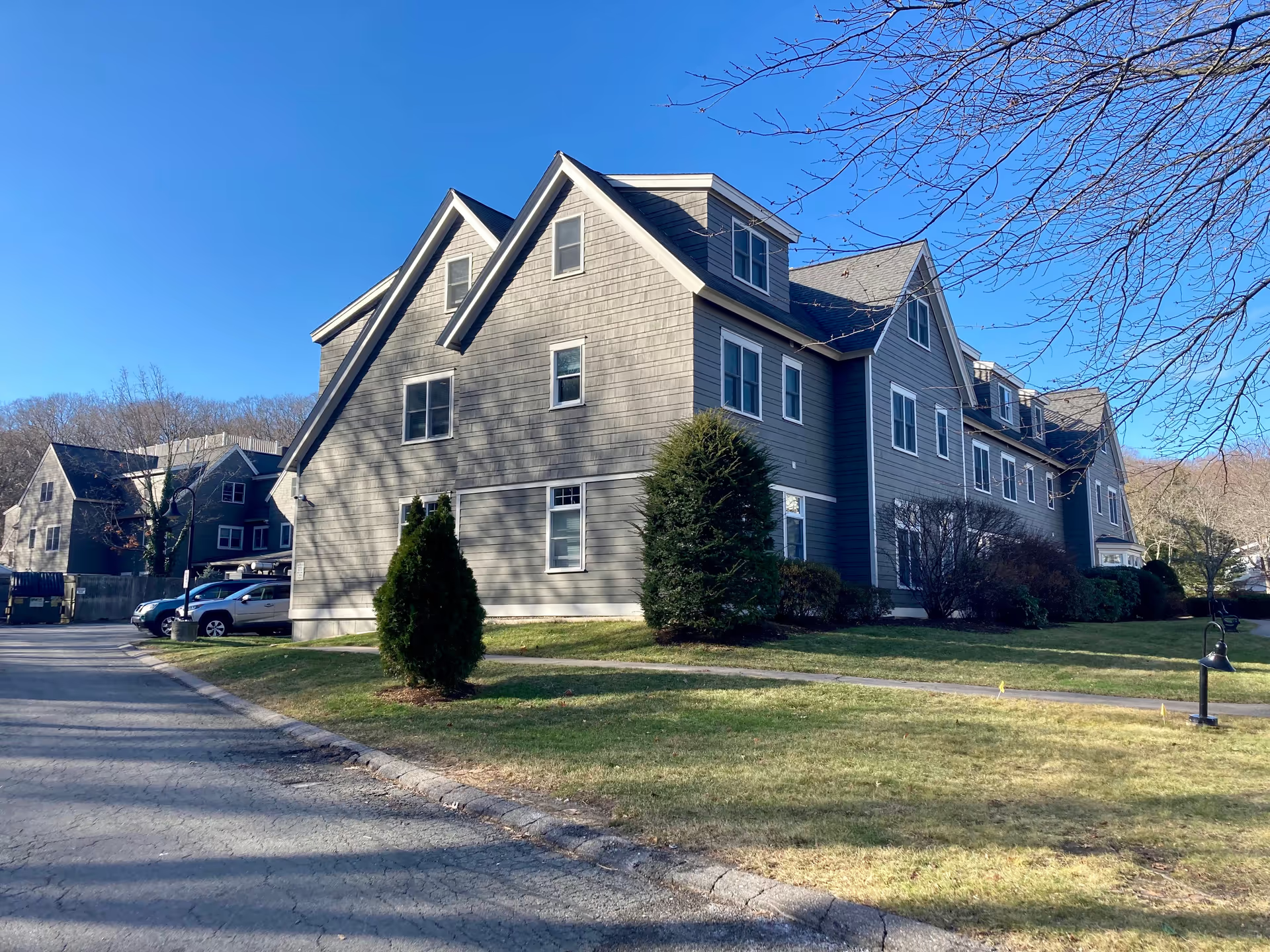
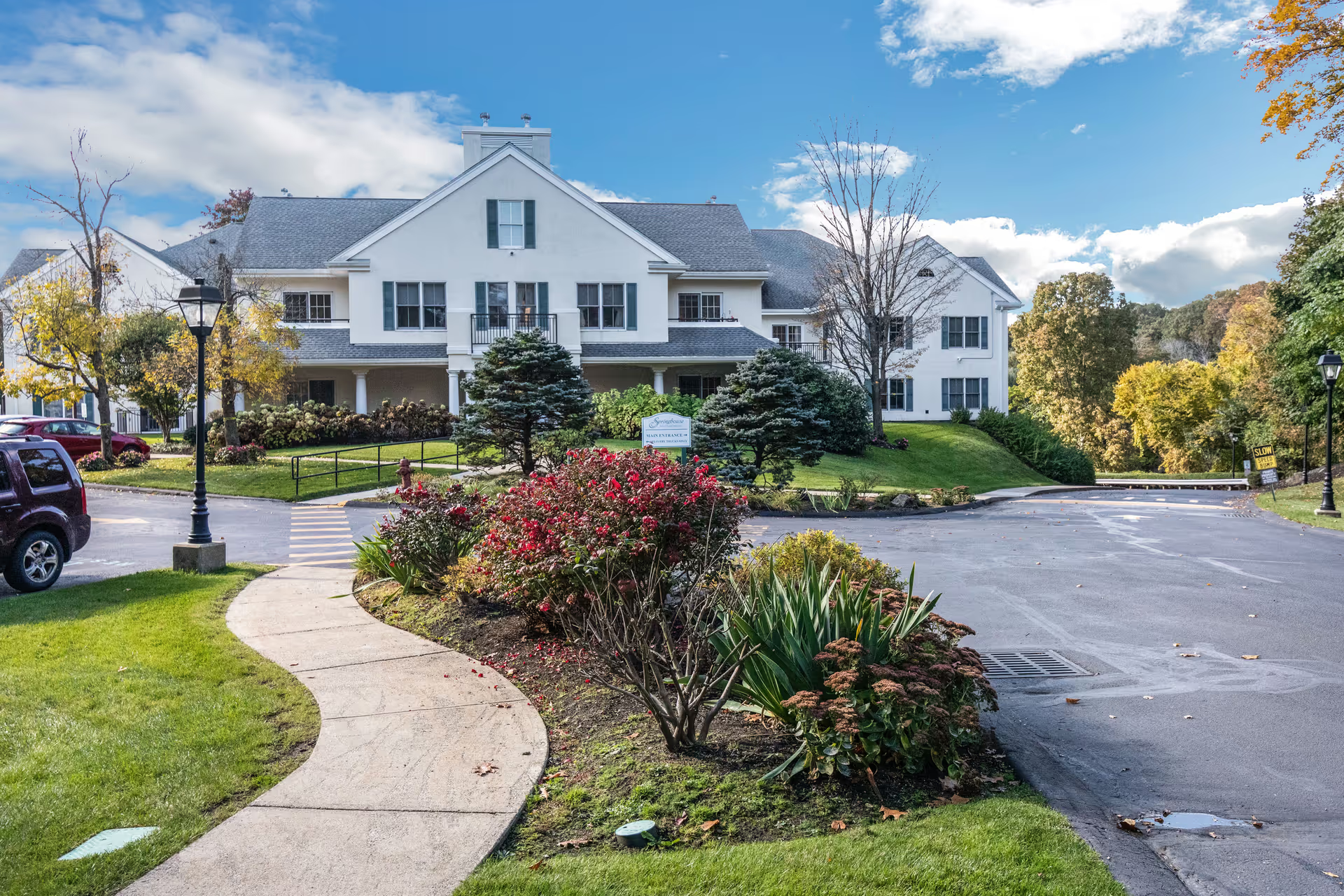
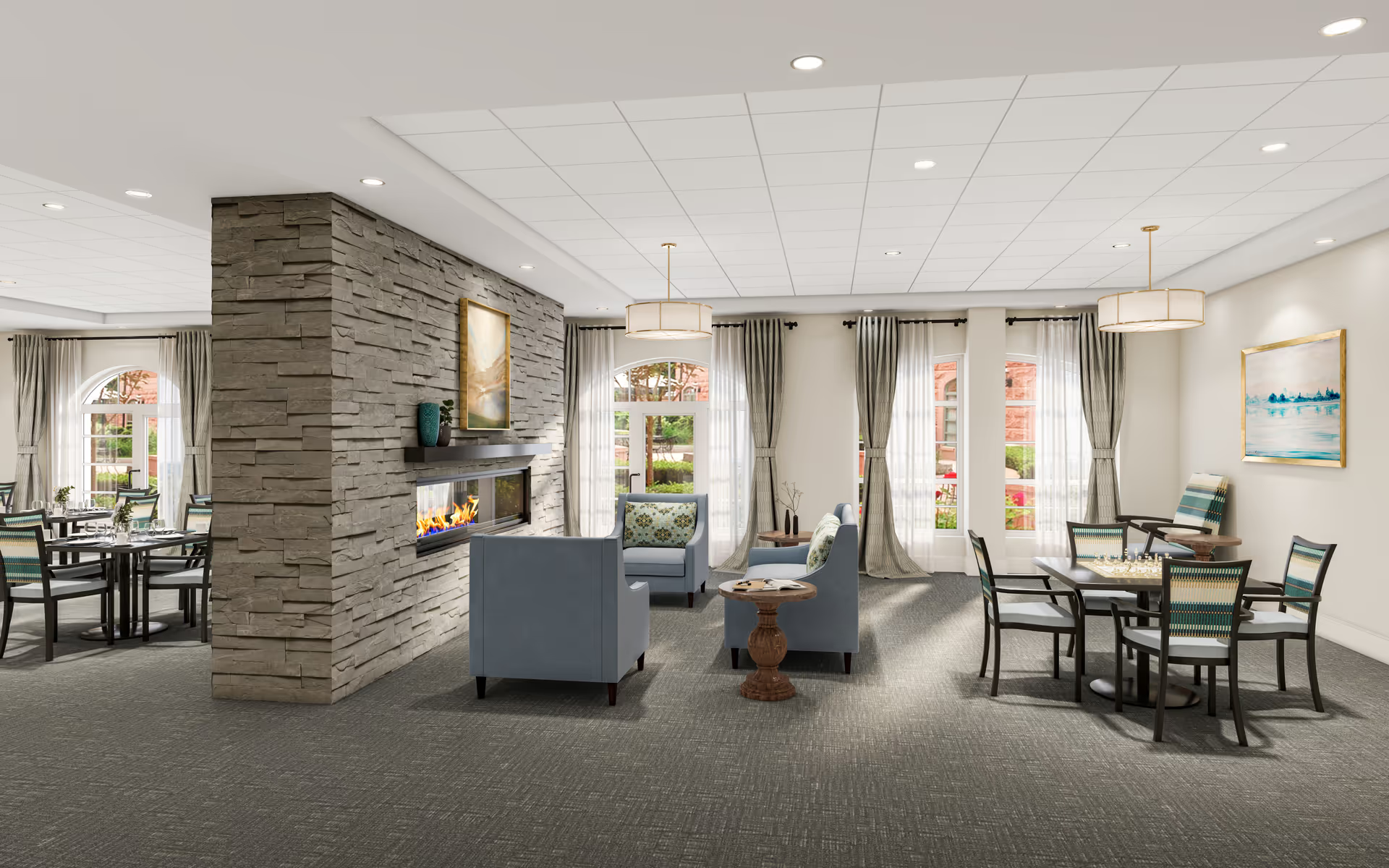
Rogerson House is consistently described as a dementia-focused memory-care residence with a broad and well-developed program for residents with cognitive impairment. Reviewers highlight that the community is purposefully oriented toward memory care: it offers programming for all levels of dementia, hospice and end-of-life services, a dementia-friendly rectangular unit layout with central common areas, and trained staff attuned to memory-related needs. Clinical oversight is evident through organized medication systems and regular physician and RN visits accompanied by family feedback, which contributes to families’ sense of safety and dignity for residents.
Staff quality and the activity program are prominent strengths. Families and visitors describe staff as compassionate, attentive, and professional; many note a strong staff-to-resident ratio, consistent weekend coverage, and quick nursing responsiveness. The activities program is extensive, running broadly through the day (examples cited around 9:30 a.m. to 7:30 p.m.), with two recreation staff per floor, music therapy, adaptive yoga, arts and group exercise, and community partnerships that bring BU MSW interns and medical students into programming. On-site conveniences — single rooms, laundry, hairdresser, manicure services, furniture-rental assistance, an organized medication system, and outdoor spaces such as a garden and gazebo — support a homelike environment and frequent social engagement that many families characterize as a “second home.”
Dining and daily life are generally described as individualized and respectful; reviewers note personalized diet considerations and meal service that meets basic needs, though some comments indicate the dining experience can be unremarkable or variable. The physical plant is described as clean and well-maintained, and leadership is often described as accessible and responsive, with directors and maintenance staff reachable during move-in and afterward.
Notable patterns of concern center on staffing and management stability. Several families noted inconsistent staffing levels and turnover, and some described a perceptible decline in administrative oversight and staff check-ins following an ownership change. Reviewers sometimes linked those trends to budget constraints and said staffing shortfalls have, at times, affected care coverage. These operational weaknesses do not negate reports of strong individual caregiver relationships and robust programming, but they are recurring themes families should monitor during touring and admissions discussions.
Overall, Rogerson House is presented as a strong option for people seeking dementia-specific residential care: it combines targeted programming, engaged and compassionate staff, and a residential, activity-rich environment. Prospective families should weigh its dementia specialization and programming strengths against reported variability in staffing and management continuity, asking specific questions about current staffing ratios, turnover, and recent administrative changes during the decision process.