Overall sentiment: The reviews provided reflect a clearly positive overall impression of Hearth Inc. Ruggles Assisted Living. Reviewers emphasize a patient-centered philosophy and an approach focused on residents' health, and explicitly describe an overall positive opinion of the community. The set of summaries also highlights practical strengths such as on-site amenities, visible security measures, and staff who are described as attentive.
Care quality: The most prominent theme across the summaries is the facility’s patient-centered and health-focused approach. This suggests that care plans and daily practices are geared toward residents’ individualized medical and personal needs. Although no granular clinical outcomes or specific medical services are listed in the summaries, the repeated reference to health-focused attention indicates that reviewers perceive the caregiving as professionally oriented toward resident well-being.
Staff and responsiveness: Another strong, consistent theme is the staff. Reviews explicitly call out staff attentiveness, which implies responsiveness to resident needs, active engagement, and supportive interpersonal interactions. That repeated mention of attentive staff supports the overall positive sentiment and suggests that employees are a key strength of the community.
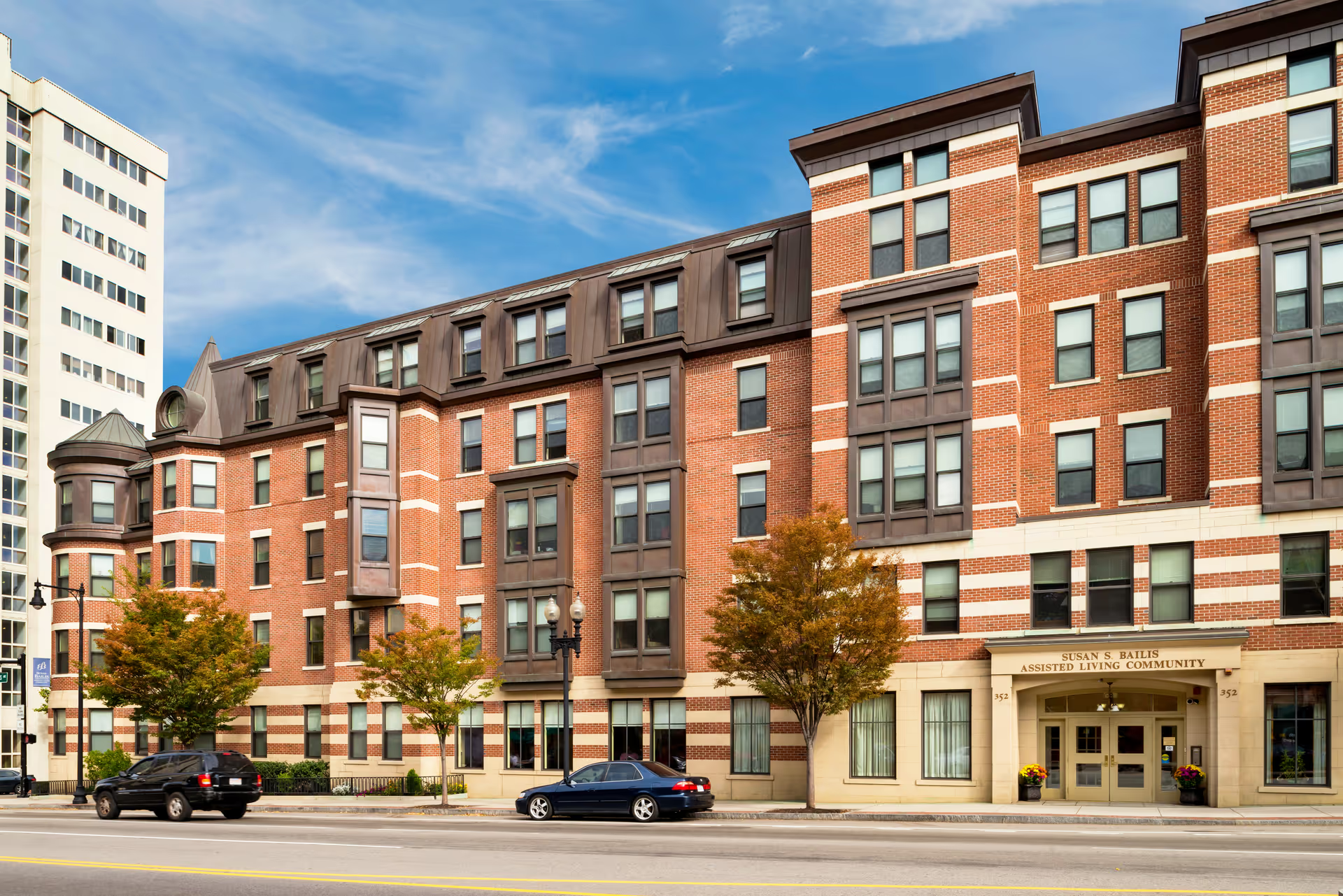
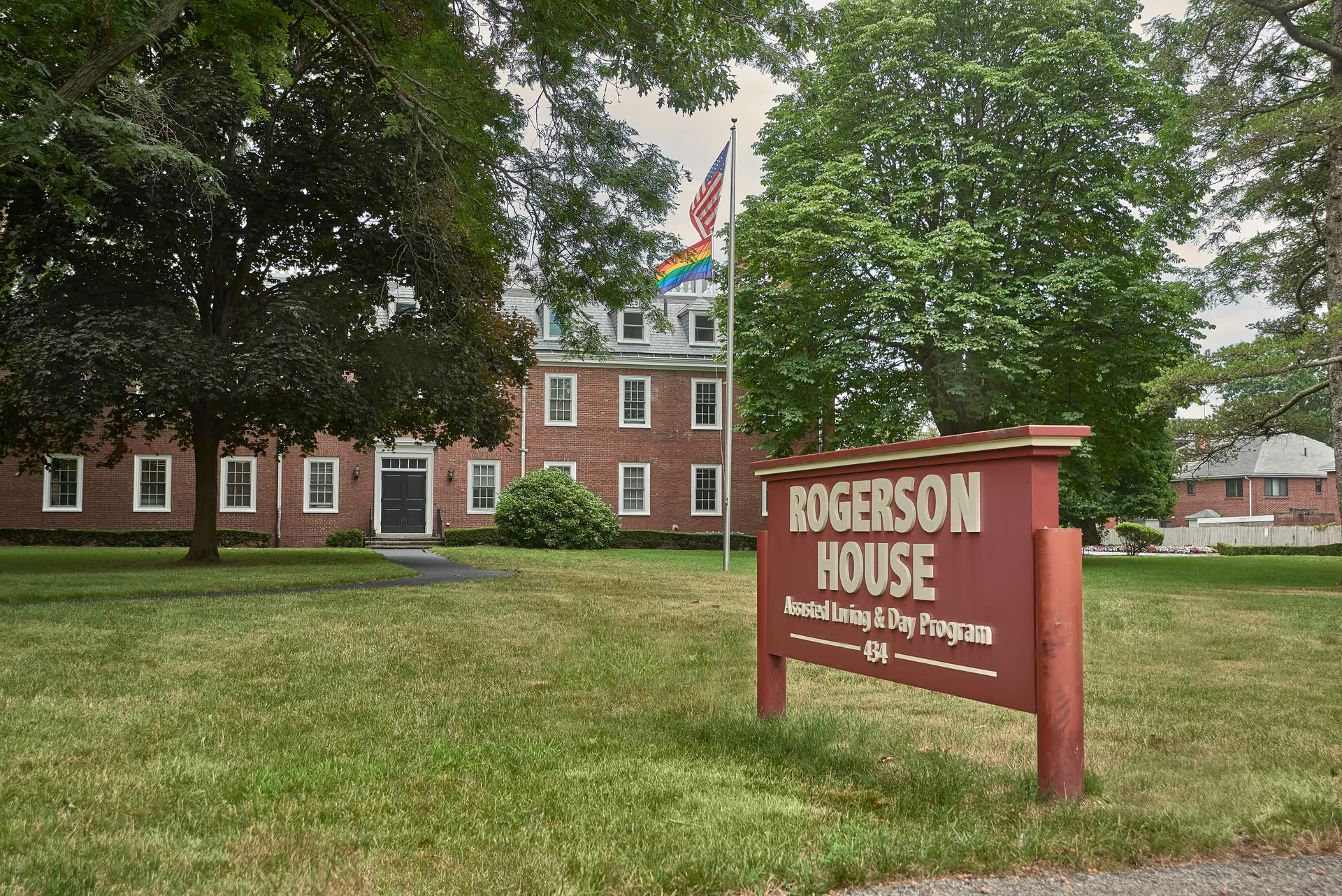
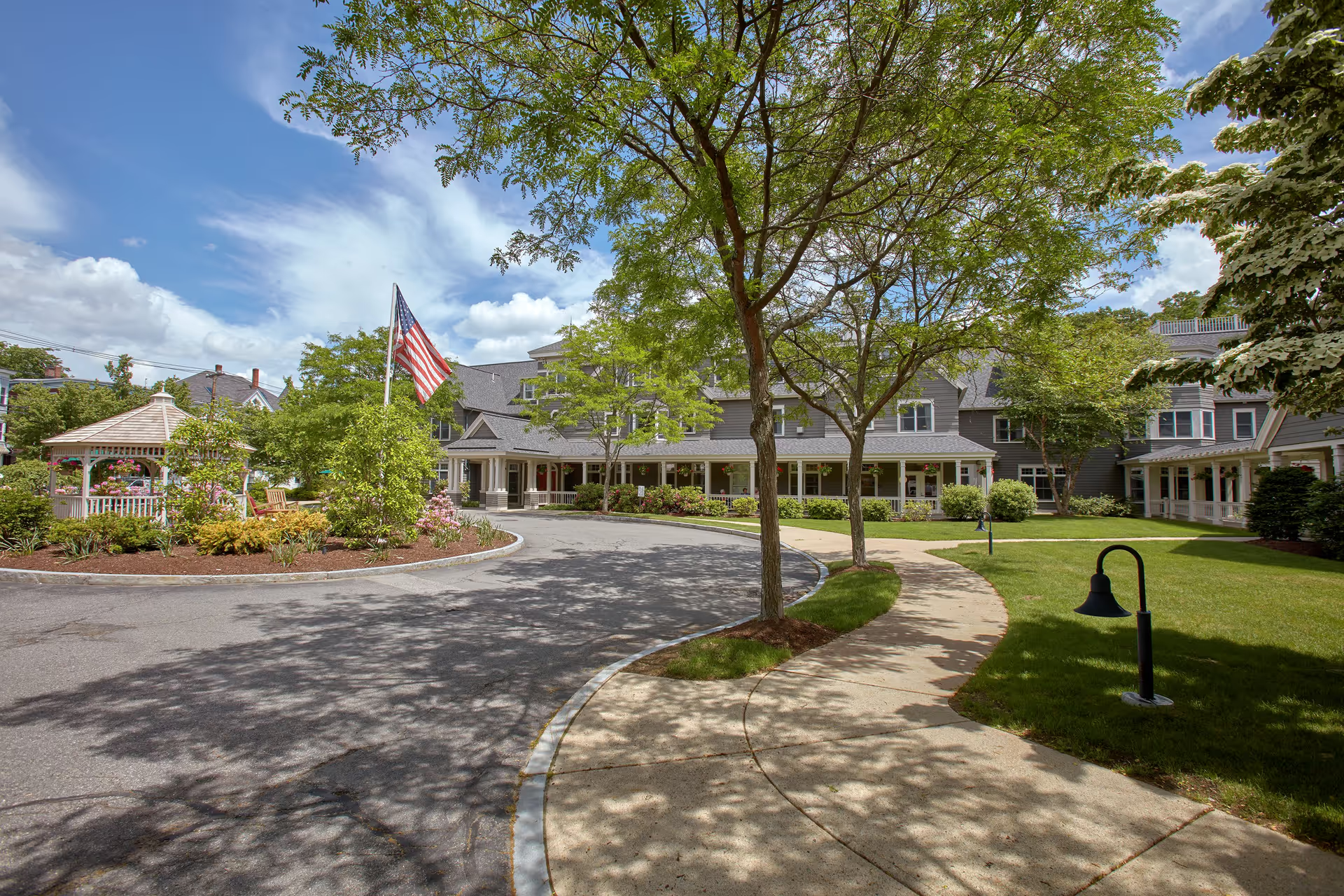
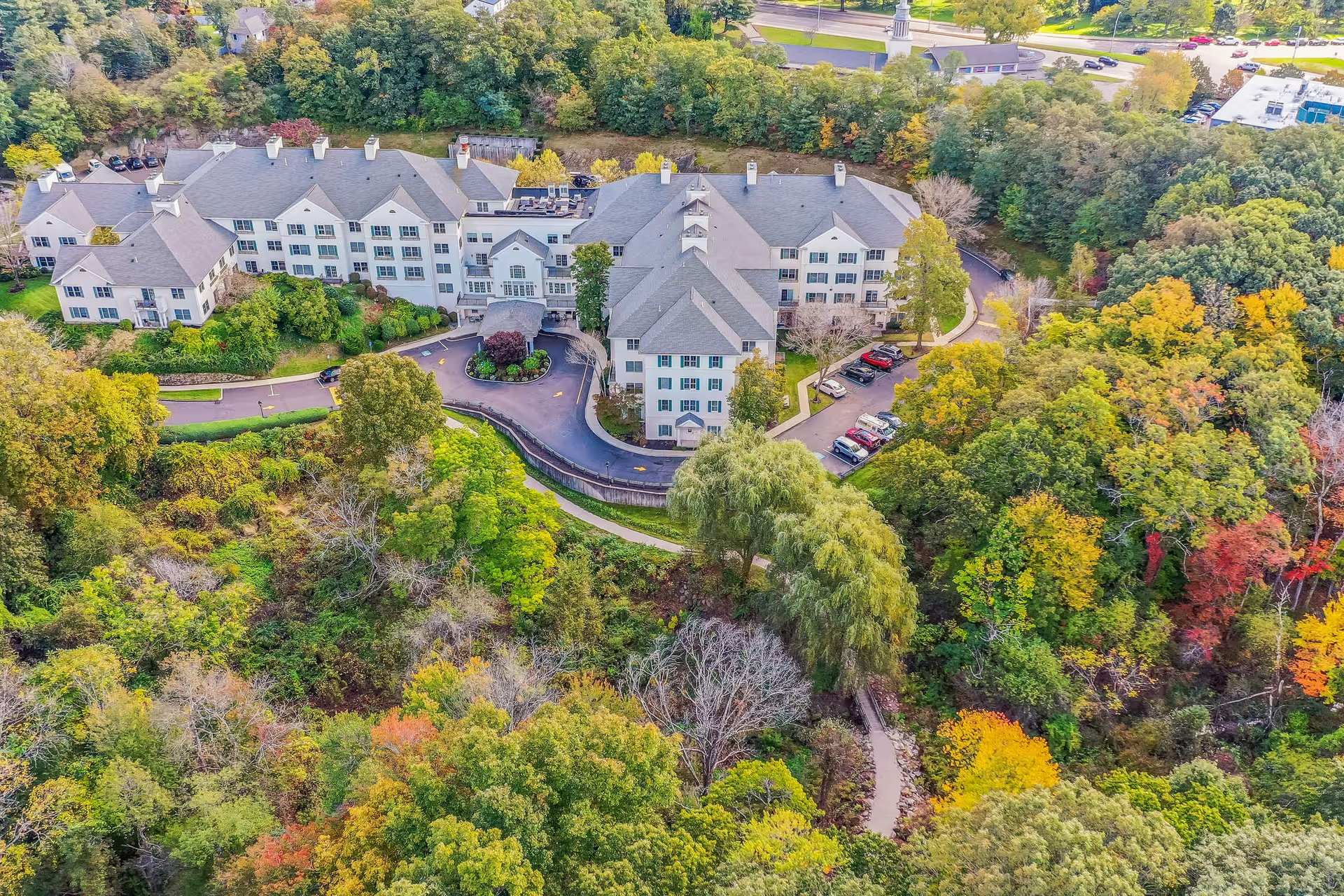
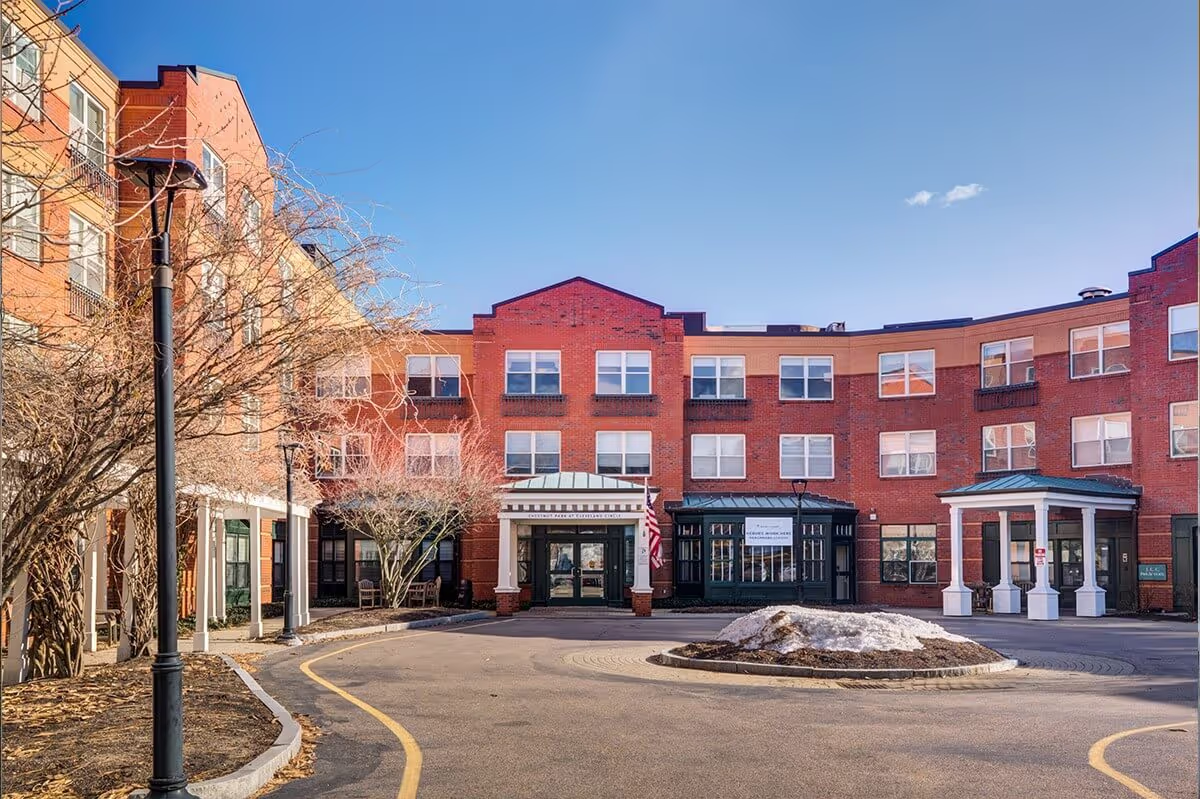
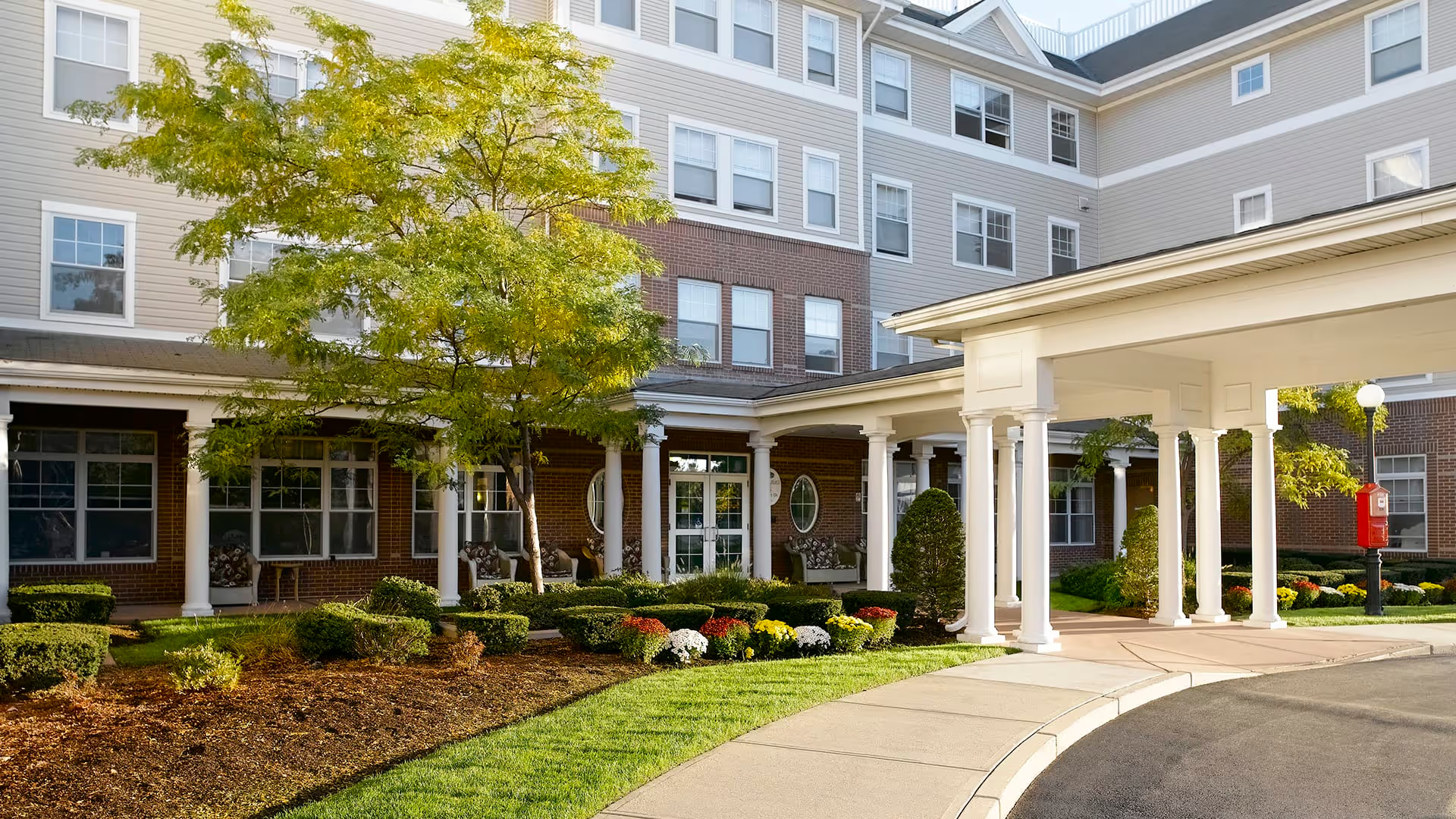
Facilities and safety: Reviewers note the presence of amenities and security, indicating that the physical environment supports resident comfort and safety. ‘‘Amenities’’ is referenced positively but not detailed in the summaries, so it likely refers to commonly valued features (e.g., communal spaces, landscaping, or conveniences) without specific examples. The mention of security suggests that reviewers feel residents are kept in a secure setting, which contributes to family confidence and resident well-being.
Dining, activities, management and gaps in the reviews: The summaries do not provide information about dining quality, activity programming, day-to-day management, administrative responsiveness, cost/fees, or specific clinical services (medication management, nursing coverage levels, specialized memory care, etc.). Because these topics are absent from the available summaries, they represent information gaps rather than criticisms. Prospective residents or family members should ask the community directly for details on menus and meal service, breadth and frequency of activities, staff-to-resident ratios, turnover rates, management communication practices, and any specialized care offerings.
Notable patterns and recommendations: The clear, repeated positives are patient-centered care, a health-oriented approach, attentive staff, and a facility that provides amenities and visible security—this consistency across summaries points to genuine strengths rather than isolated comments. The absence of negative remarks is notable but should be interpreted cautiously: it may reflect a small sample of summaries or selected highlights rather than a comprehensive review set. Recommended next steps for someone evaluating this community would be to confirm specifics around dining, activities, licensing and staffing levels, observe staff-resident interactions in person, request references from current residents or families, and tour amenity and security features to validate how they meet the prospective resident’s needs.