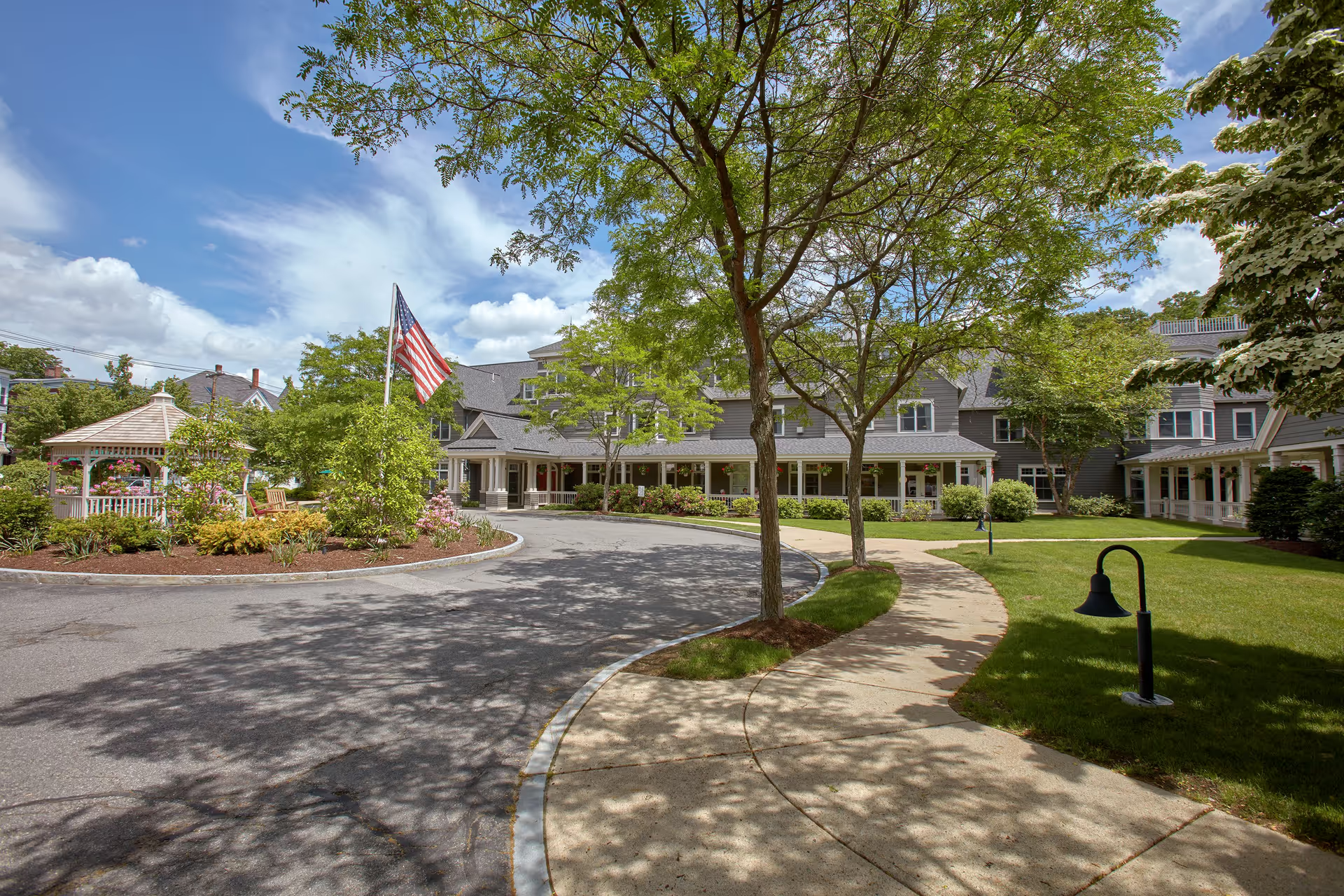
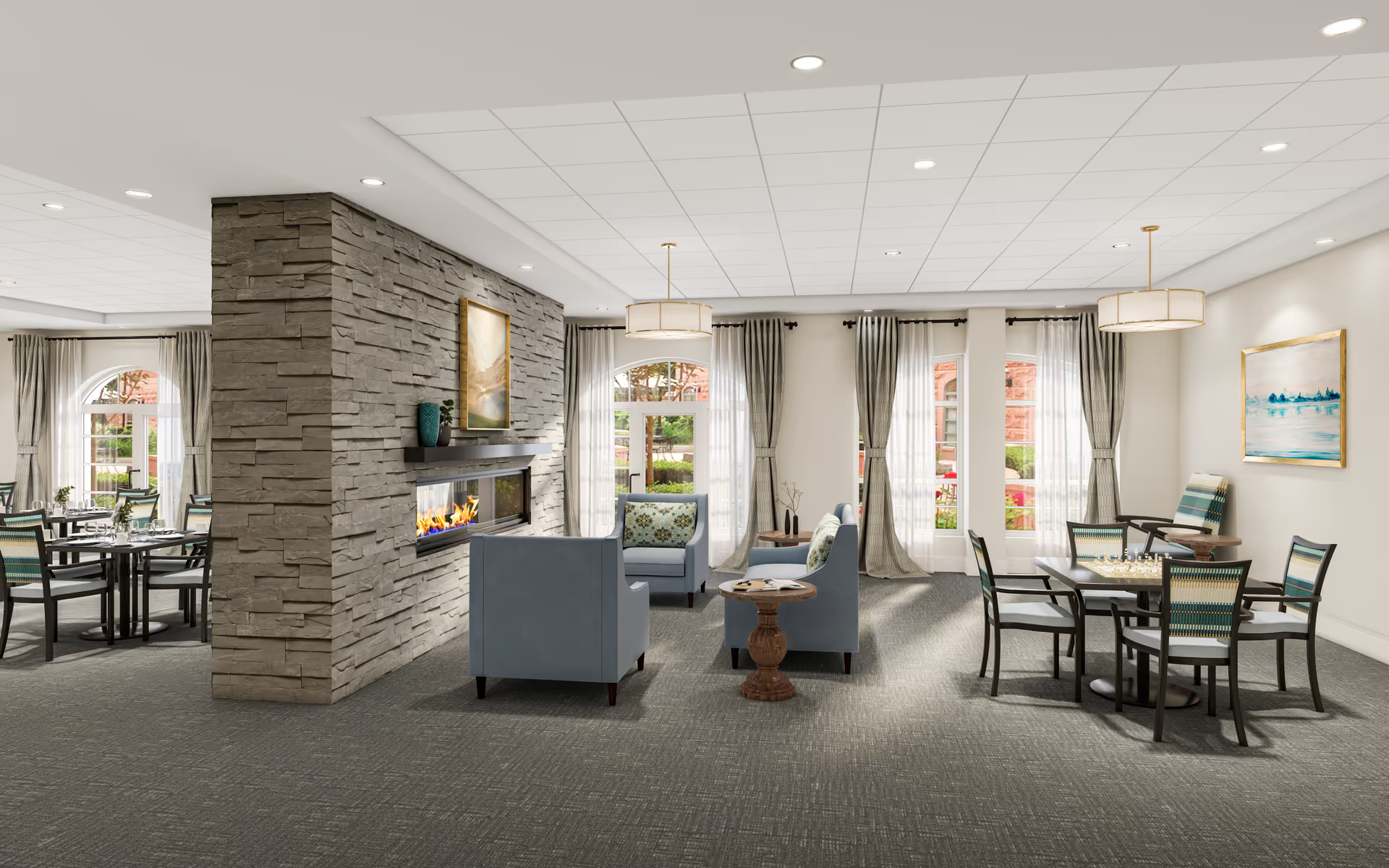
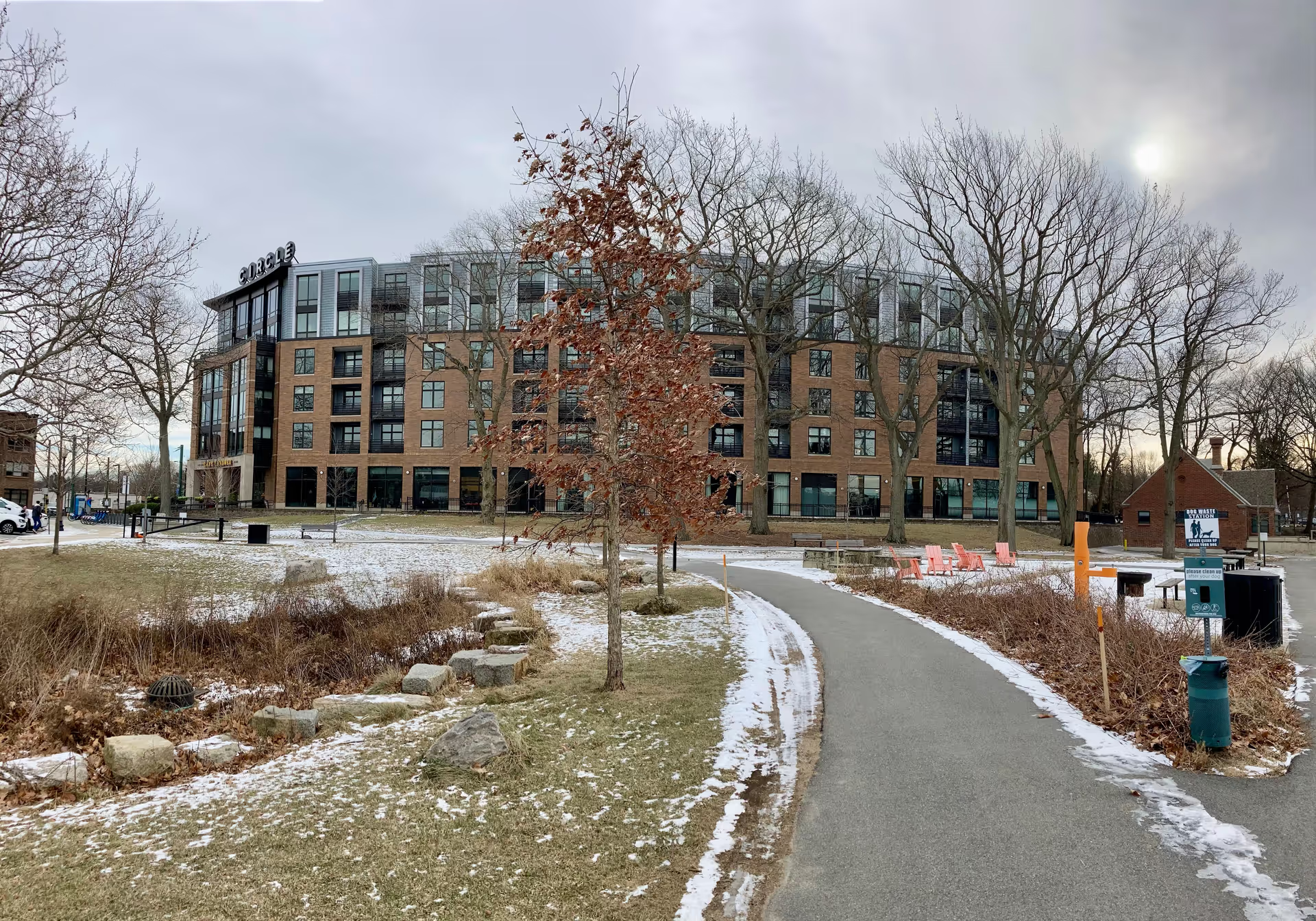
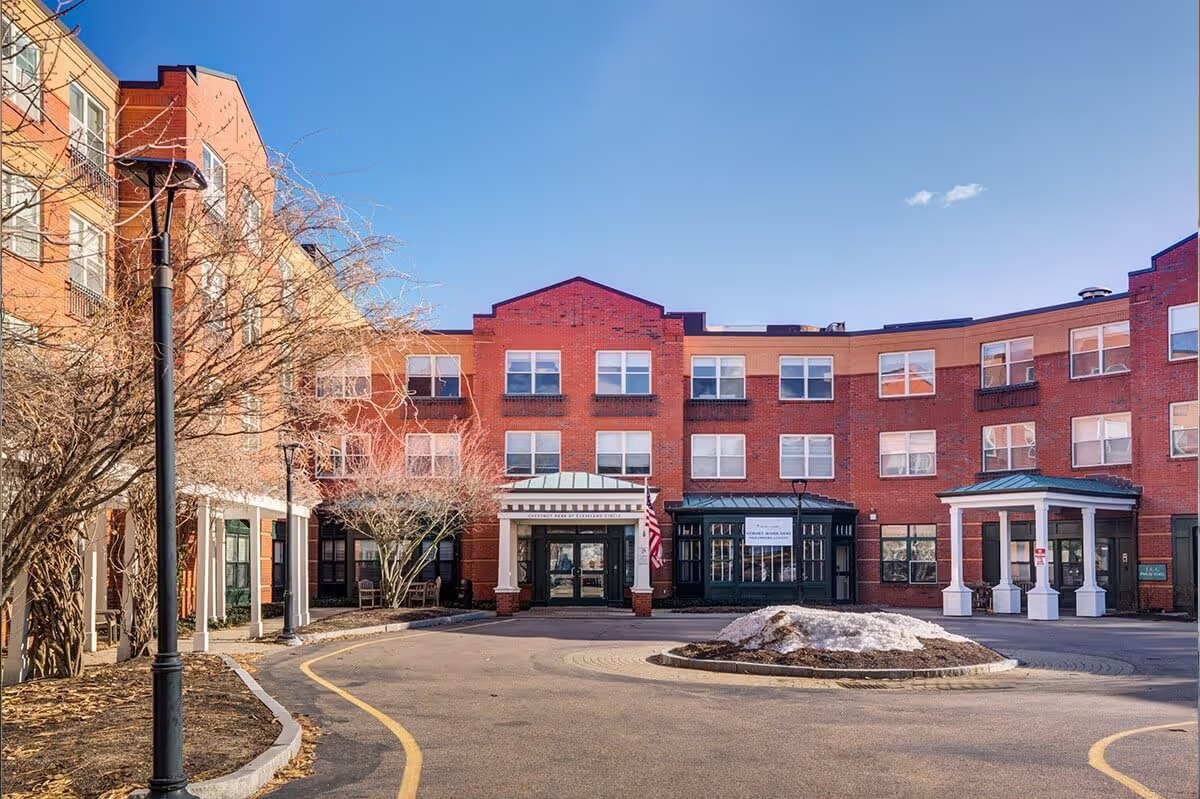
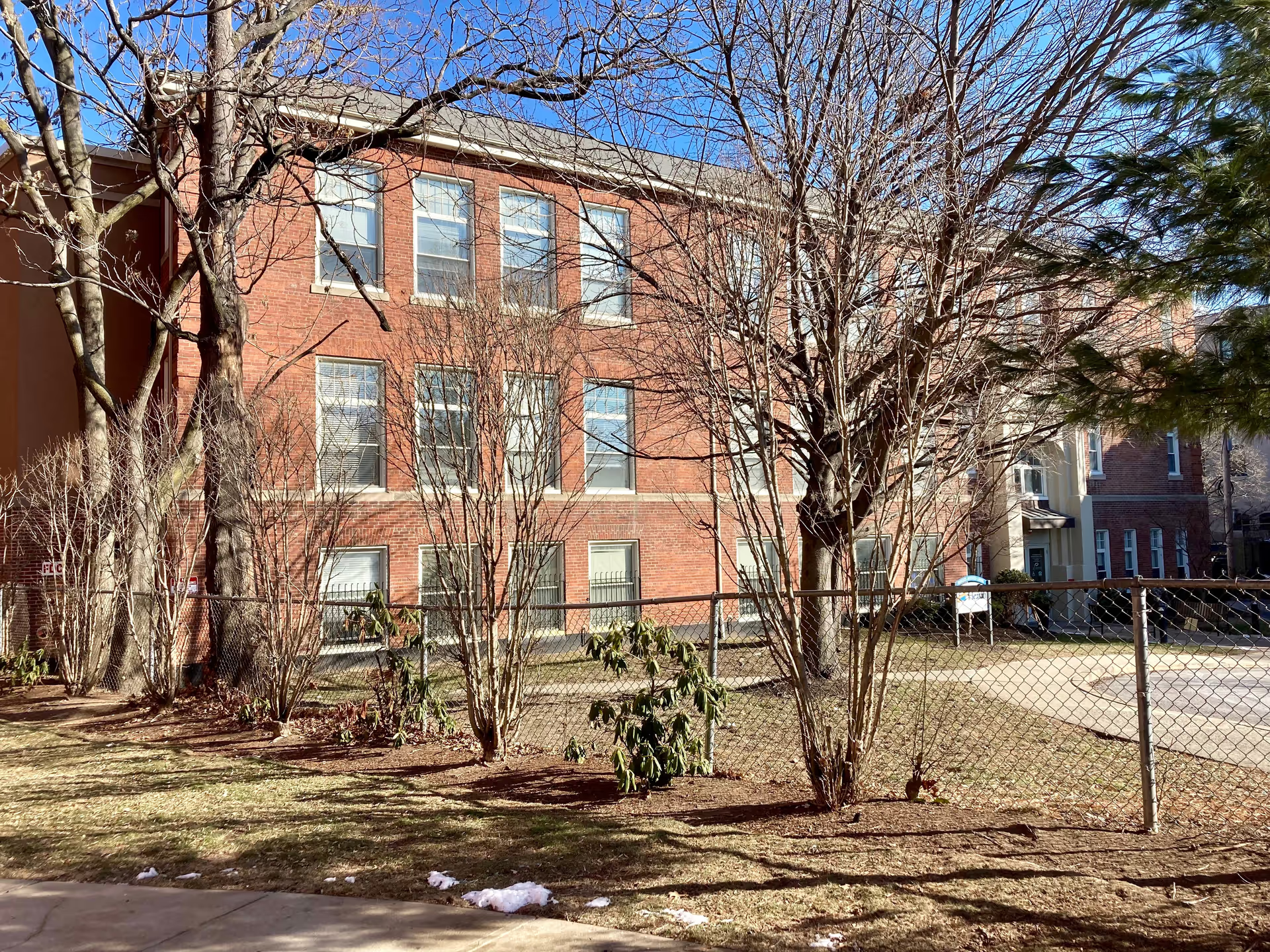
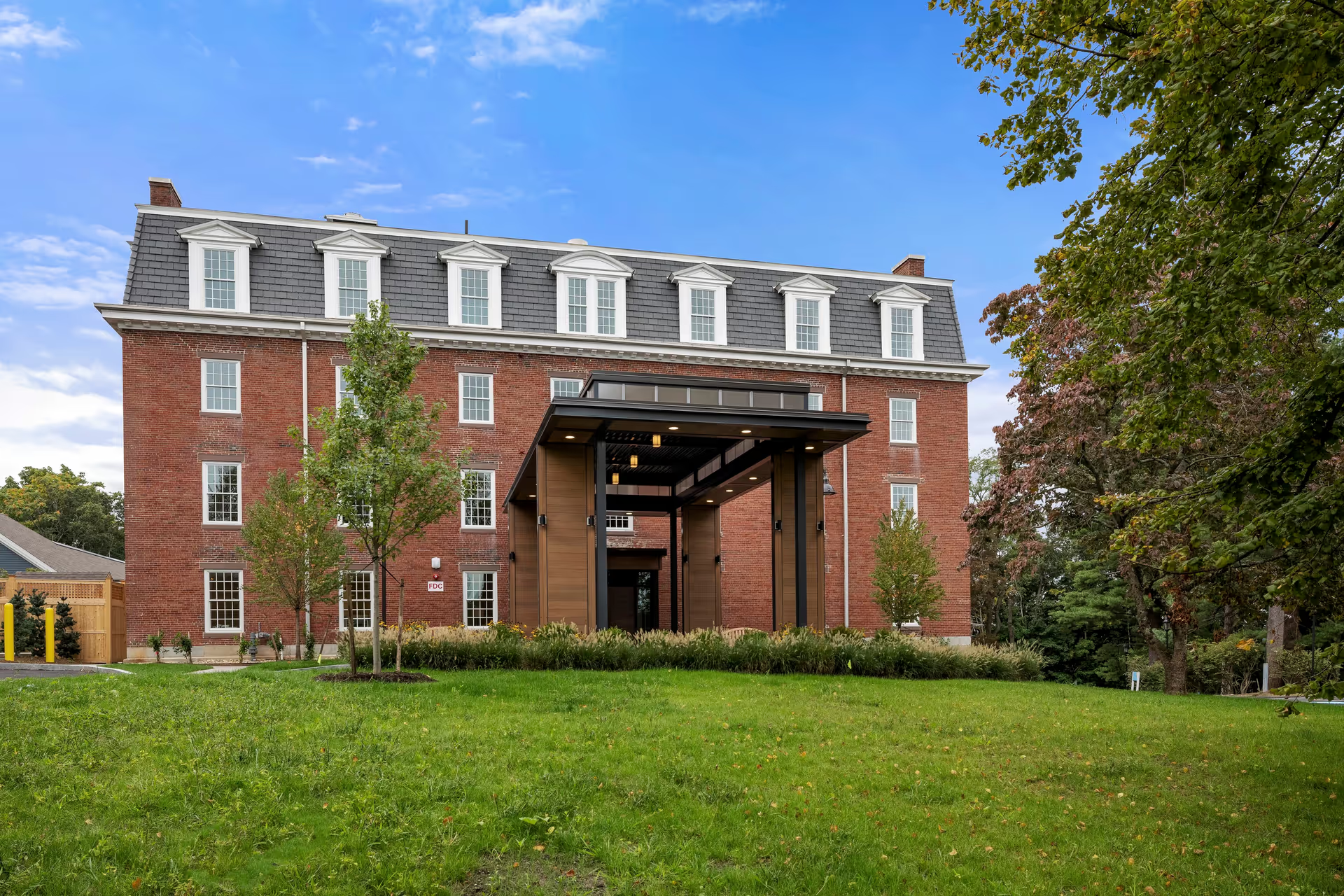
Springhouse Senior Living presents as an aesthetically strong, well-resourced retirement community with many attributes families value: a clean, well‑maintained campus with high‑quality finishes, tastefully decorated common areas, a park-like setting adjacent to conservation land, and proximity to Faulkner Hospital. The property is non-profit and carries a positive community reputation. Dining and hospitality are frequently praised — an elegant dining room, appealing meals, and positive respite-stay experiences that gave families reassurance. Rooms and common spaces are described as well-kept and appropriately sized for assisted- and independent‑living residents.
Social life and programming are notable strengths. Reviewers commonly cite a wide array of activities, shows, trips, educational offerings (including a library and classes such as Matter of Balance), and regular opportunities for residents to socialize. Many families described residents who were active, well groomed, and engaged; several accounts framed the community as providing a congenial environment where residents enjoyed forming friendships and participating in events.
Care quality and staffing descriptions are mixed. Numerous reviews praise long‑tenured, caring staff and specific leadership praise for the executive director, reflecting continuity and pockets of strong staff–resident relationships. However, other accounts describe inconsistent responsiveness to personal-care needs, including delays in toileting and assistance, and variability in staff demeanor and communication tone. Language and communication gaps with some staff members were mentioned as a barrier to consistent care. These patterns point to uneven day-to-day caregiving performance rather than a uniform standard of service.
Clinical and management capacity are areas to evaluate closely. The community appears well suited for independent and assisted living and for respite stays, including memory-care programming for residents with Alzheimer’s disease. At the same time, families noted that Springhouse is not designed for higher-acuity nursing care; some residents required transfer when medical needs escalated. Multiple reviewers also described limited responsiveness or sensitivity from administration in specific situations, suggesting opportunities to strengthen family‑communication protocols and post‑event support.
Prospective residents and families should weigh the community’s strong physical plant, robust activity program, and positive memory‑care reputation against variability in frontline care responsiveness and communication. On a practical visit, it is advisable to observe staffing levels during shift changes, ask about average response times for personal-assistance calls (including toileting), inquire how the community supports non‑English speakers, verify clinical capabilities for advancing care needs, and discuss how management communicates with families after significant events. Those seeking an attractive, socially active non-profit community with strong memory-care programming and good respite options will find many appealing features; families requiring consistent high-acuity nursing should confirm clinical capacity and escalation processes before committing.