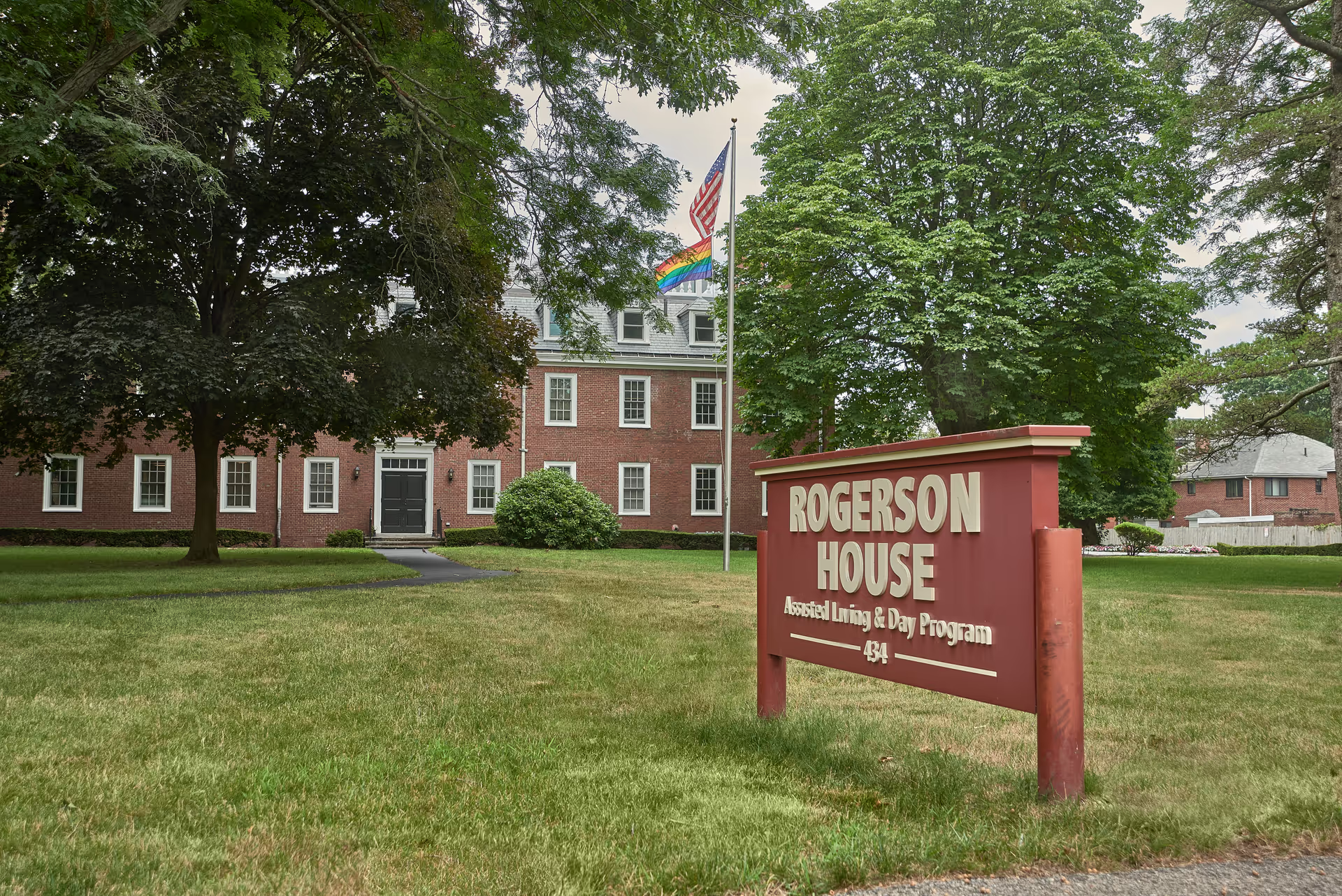
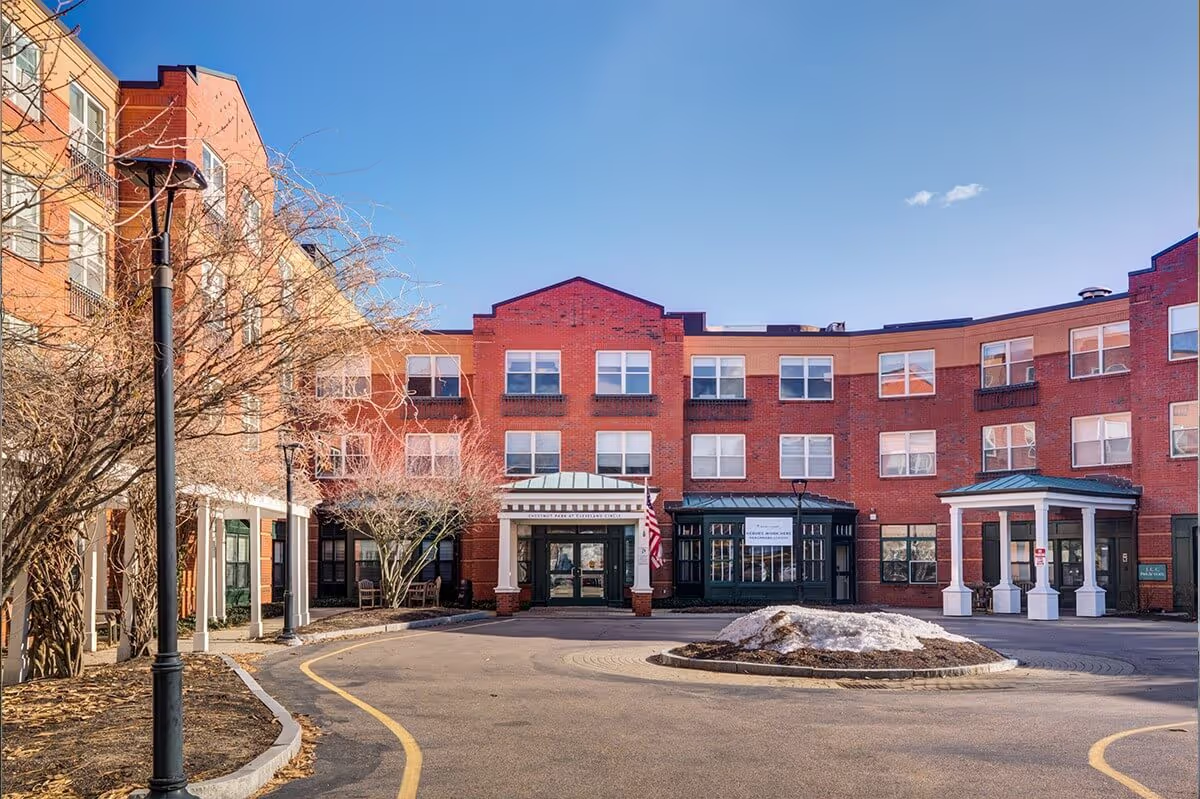
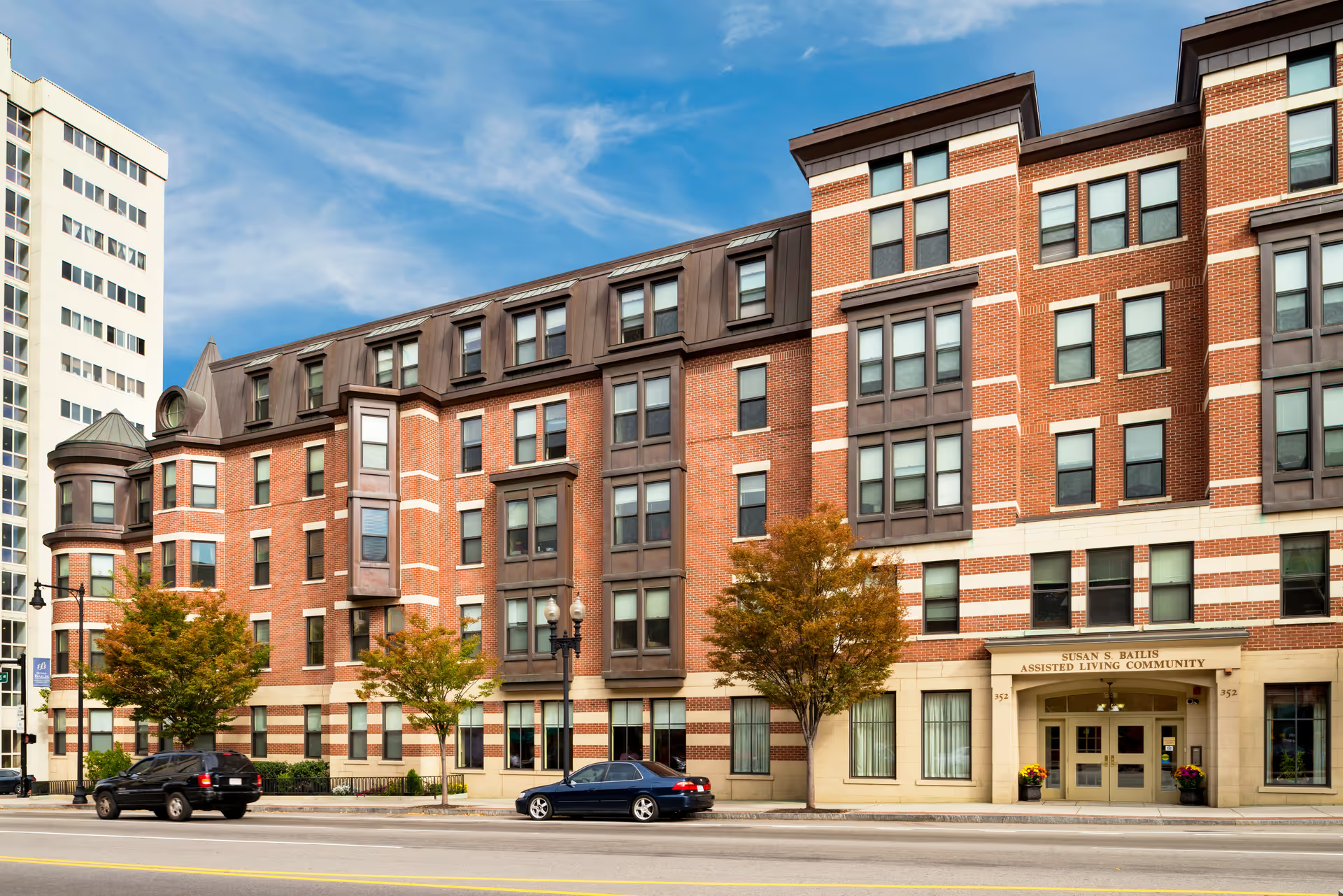
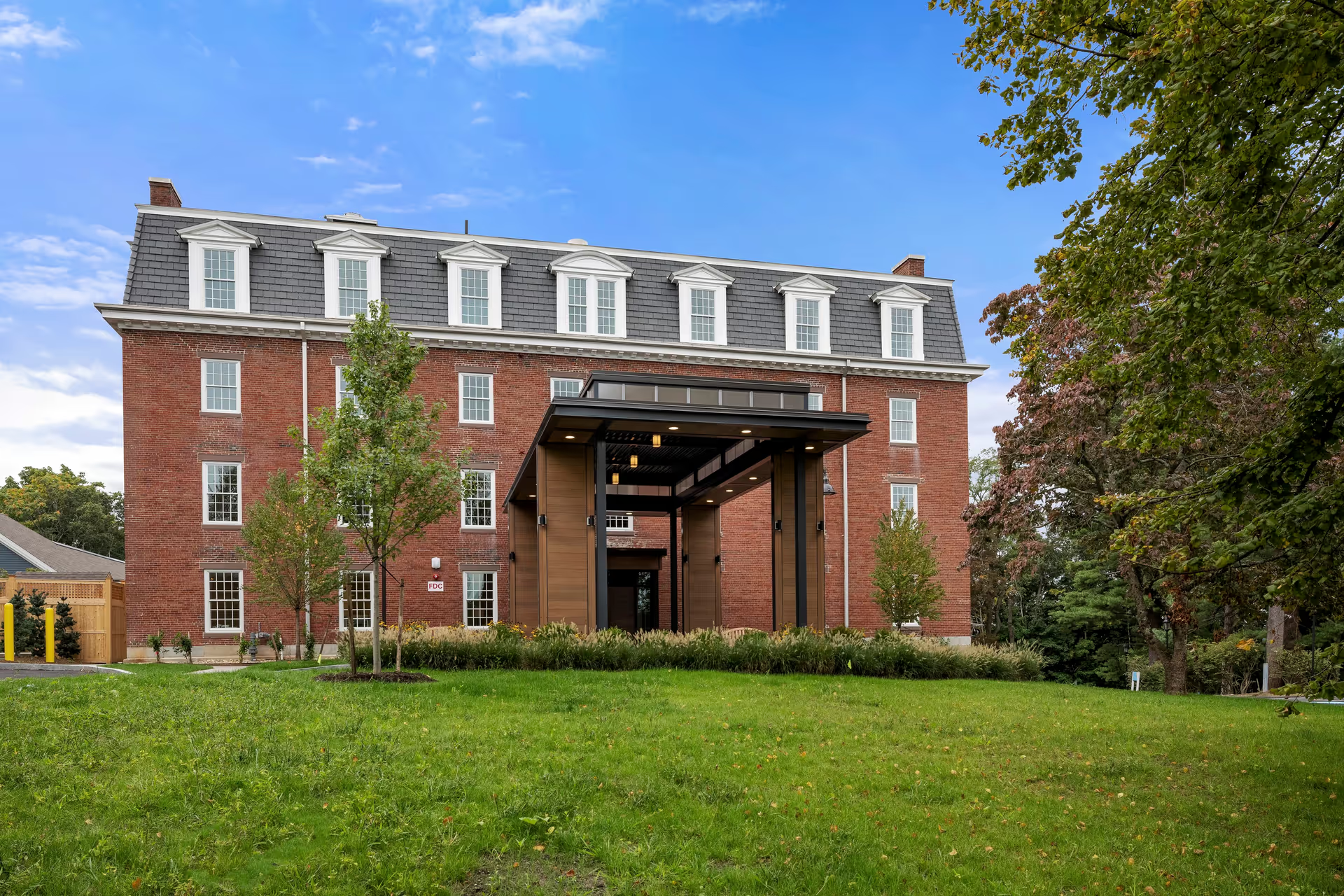
Goddard House presents as a well-maintained, historically renovated assisted living with a strong emphasis on social engagement and resident-centered programming. Review content consistently highlights a warm, compassionate caregiving team—often long-tenured—paired with a robust activities calendar that includes arts studios, nearly daily concerts, musical performances, gardening programs, guest speakers, and frequent cultural events. Families and residents commonly praise the facility's clean common areas, attractive furnishings, displayed resident artwork, and pleasant grounds, all of which support an active, small-community atmosphere.
Clinical and day-to-day care are generally described as attentive, with specific strengths in memory-care services and dementia training. Several accounts note effective family communication, an extremely helpful social worker, and prompt emergency response when needed. Staff are described as professional, outgoing, and supportive during medical events such as cancer treatment or public-health periods; these attributes contribute to many families feeling secure about placement and care continuity.
At the same time, reviews reveal recurring operational weaknesses. Leadership turnover at the director and clinical-head level appears to affect consistency: families describe difficulty reaching clinical leadership, uneven staff awareness of schedules or routines, and an absence of standardized post-move-in orientation materials or meetings. Communication and administrative processes—especially onboarding paperwork and follow-up—are identified as areas needing improvement. Maintenance issues are intermittent but notable, with some resident bathrooms and infrastructure described as outdated and in need of renovation.
Infection-control and outbreak-response procedures emerge as a separate concern: reviewers cite delays or gaps in containing illnesses and in kitchen-related workflows, suggesting opportunities to strengthen protocols and staff training. Dining receives mixed commentary—while many residents appreciate three daily meals and varied options, others raise concerns about menu choices and nutritional alignment (for example, the expectation of a healthier diet versus comfort or higher-sugar items). Practical constraints such as limited two-bedroom availability, small apartment sizes without built-in appliances, visitation scheduling limits tied to events, and high cost relative to market expectations are additional operational themes.
Finally, a small number of reviews describe problematic staff conduct or management tone and perceptions of favoritism; these comments point to the need for consistent behavioral expectations and transparent staffing practices. In sum, Goddard House's core strengths are its engaged staff, rich programming, and attractive, well-kept environment. Prospective residents and families should weigh those strengths against facility-level operational issues—leadership continuity, communication and onboarding processes, infection-control consistency, dining alignment, and cost/availability—when evaluating fit and preparing questions for tours and admissions discussions.