Reviews of Broad Reach Healthcare describe a split picture: many families and patients praised the facility’s compassionate, person-centered care and strong rehabilitation services, while others raised operational concerns that affected day-to-day care quality. Positive accounts emphasize attentive CNAs, nurses, therapists, dietary staff, and housekeeping personnel who supported dignified care, effective pain control, and successful therapy outcomes that enabled patients to return home. Multiple comments singled out effective outpatient and inpatient rehabilitation teams, useful home-exercise plans, and a supportive therapeutic culture that contributed to measurable functional gains.
Staff qualities are a recurrent strength: reviewers note respectful interactions, encouragement from therapists, and thoughtful end-of-life care that families found peaceful and meaningful. Leadership and workplace culture also received favorable remarks in several accounts, including staff who appear motivated and a reception experience that families found welcoming. Activities and dining are frequently cited as positive elements — the facility offers engaging social programming, holiday events, and restaurant-style dining in many reports, and some families appreciated creative menu options and responsiveness to special requests.
At the same time, a consistent cluster of operational weaknesses emerges. Staffing levels and coverage are described as uneven, and several accounts describe delays in responding to call lights and personal-care needs, including inconsistent assistance with toileting and bathing. These delays are tied to broader concerns about clinical oversight and care coordination, with families noting variable communication from administration and occasional slow nursing responses to acute symptoms. Medication-management issues were raised in some reviews, including concerns that medications contributed to pronounced drowsiness; reviewers framed this as medication-management and monitoring concerns rather than isolated prescribing errors.
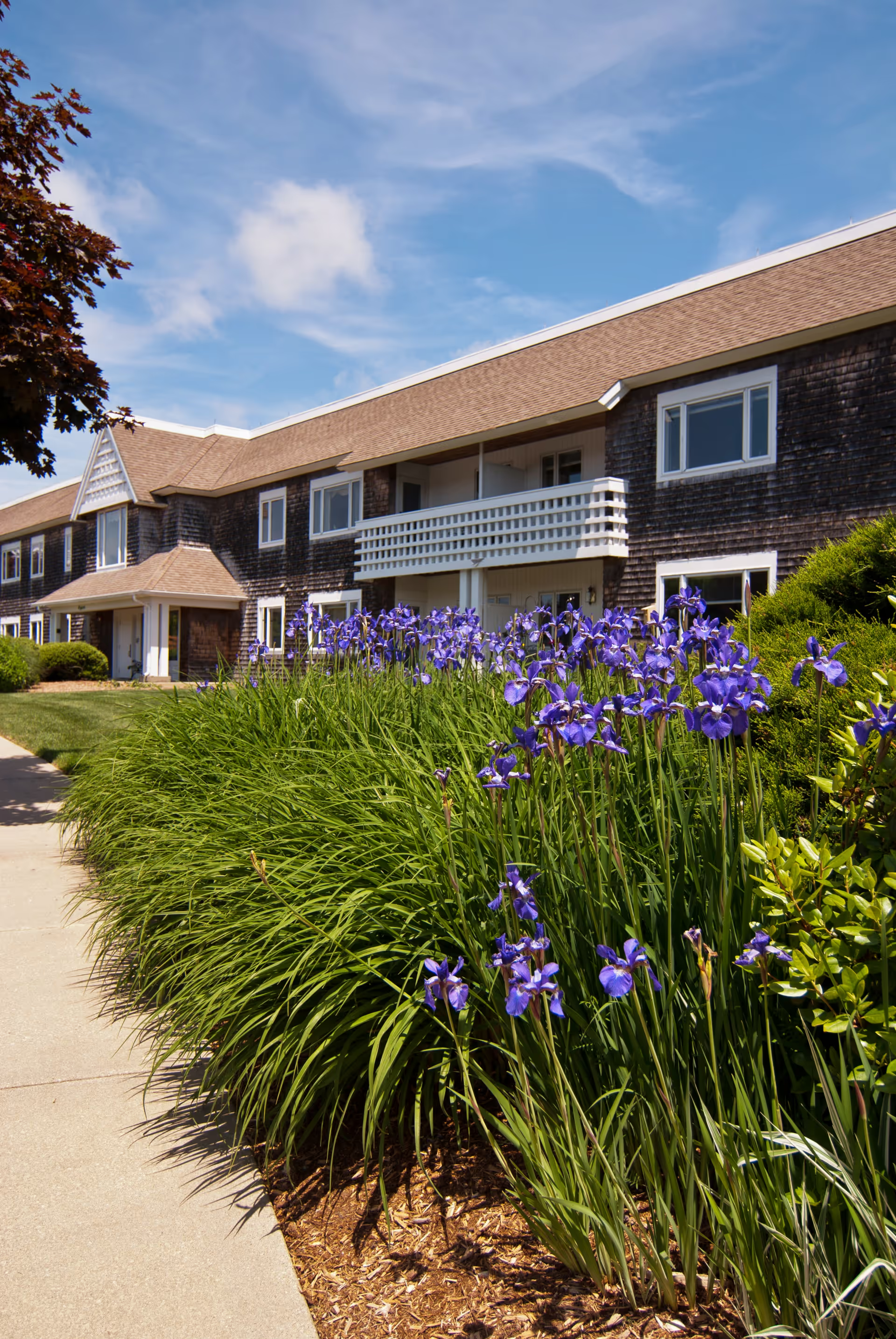
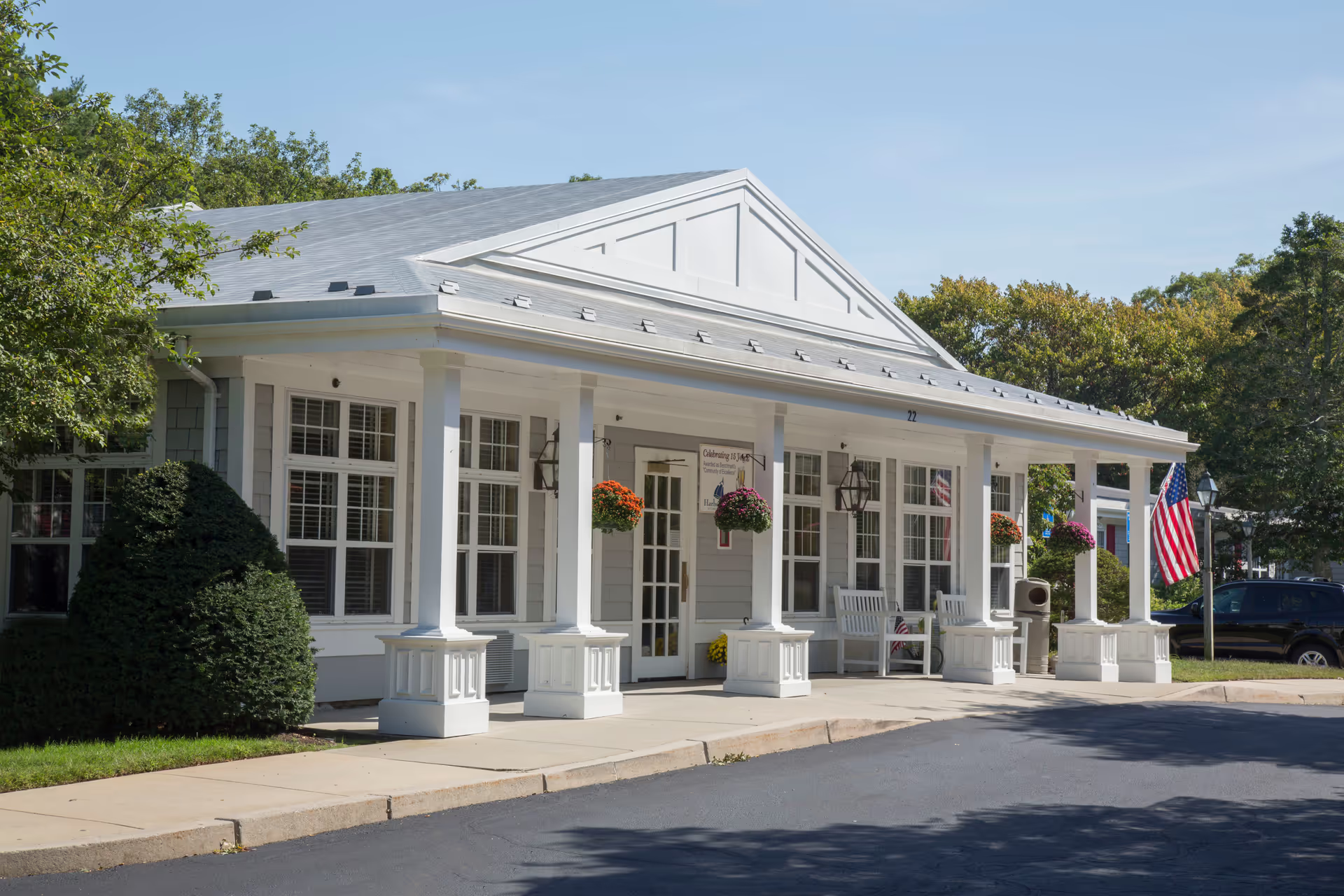
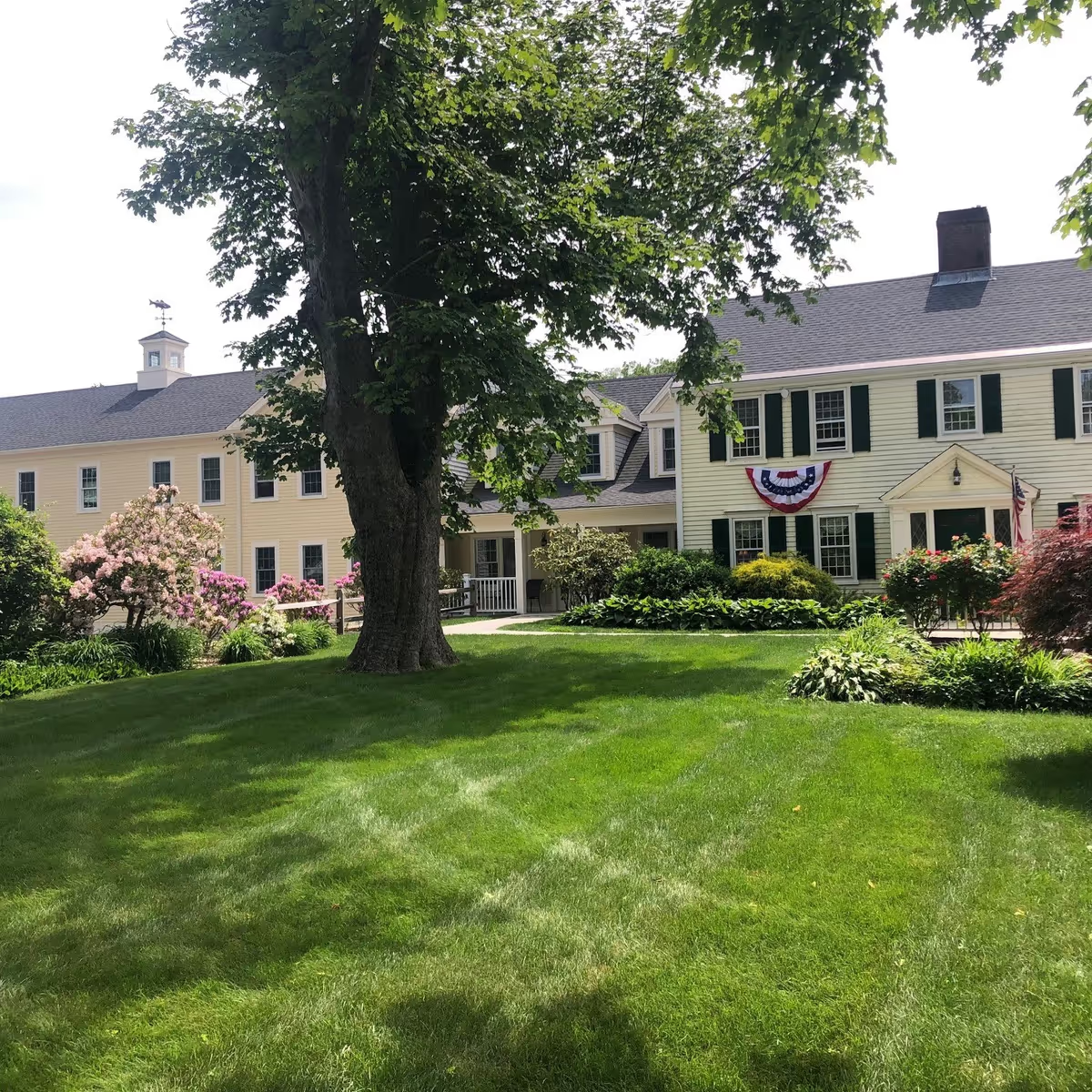
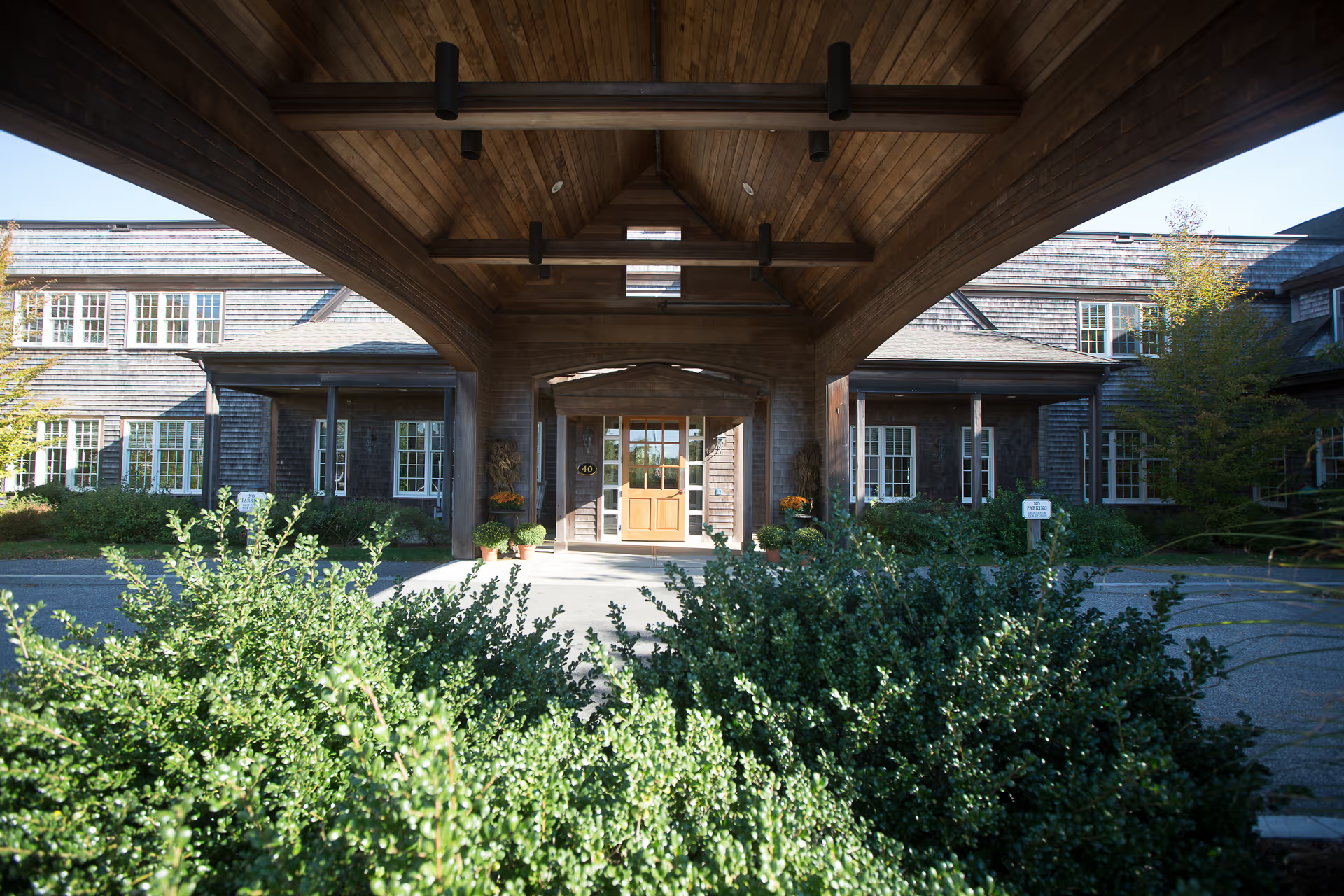
Facility and service consistency are other areas of variability. Some reviewers complimented the grounds, cleanliness, and homelike atmosphere, while others noted maintenance and cleanliness inconsistencies and an older physical plant in need of updates. Food quality and meal execution were described as very good by many but inconsistent by others. Therapy intensity also varied in descriptions — while many praised skilled, outcome-driven therapists, some families felt session duration or frequency did not meet expectations for intensive rehabilitation.
Management and accountability present a mixed picture. Several families appreciated open communication, empowerment to participate in care planning, and visible leadership support for staff. Conversely, other families described unsatisfactory administrative communication, organizational disorganization, and disputes that prompted internal investigations; one review references an allegation of supervisory dishonesty that led to an administrative inquiry. Finally, availability is a practical limitation: there are comments about limited bed availability in the local area, which may affect placement options and transfer timing.
Overall, Broad Reach Healthcare appears to provide high-quality, compassionate care for many residents — particularly in rehabilitation and end-of-life services — supported by dedicated frontline staff. Prospective residents and families should weigh these strengths against documented operational variability: ensure clear expectations about staffing ratios, response protocols for call lights and personal care, medication monitoring procedures, and the planned intensity of therapy prior to admission. Asking for current staffing levels, care-plan communication protocols, and recent quality/audit results can help families assess whether the facility’s operating practices align with their needs.