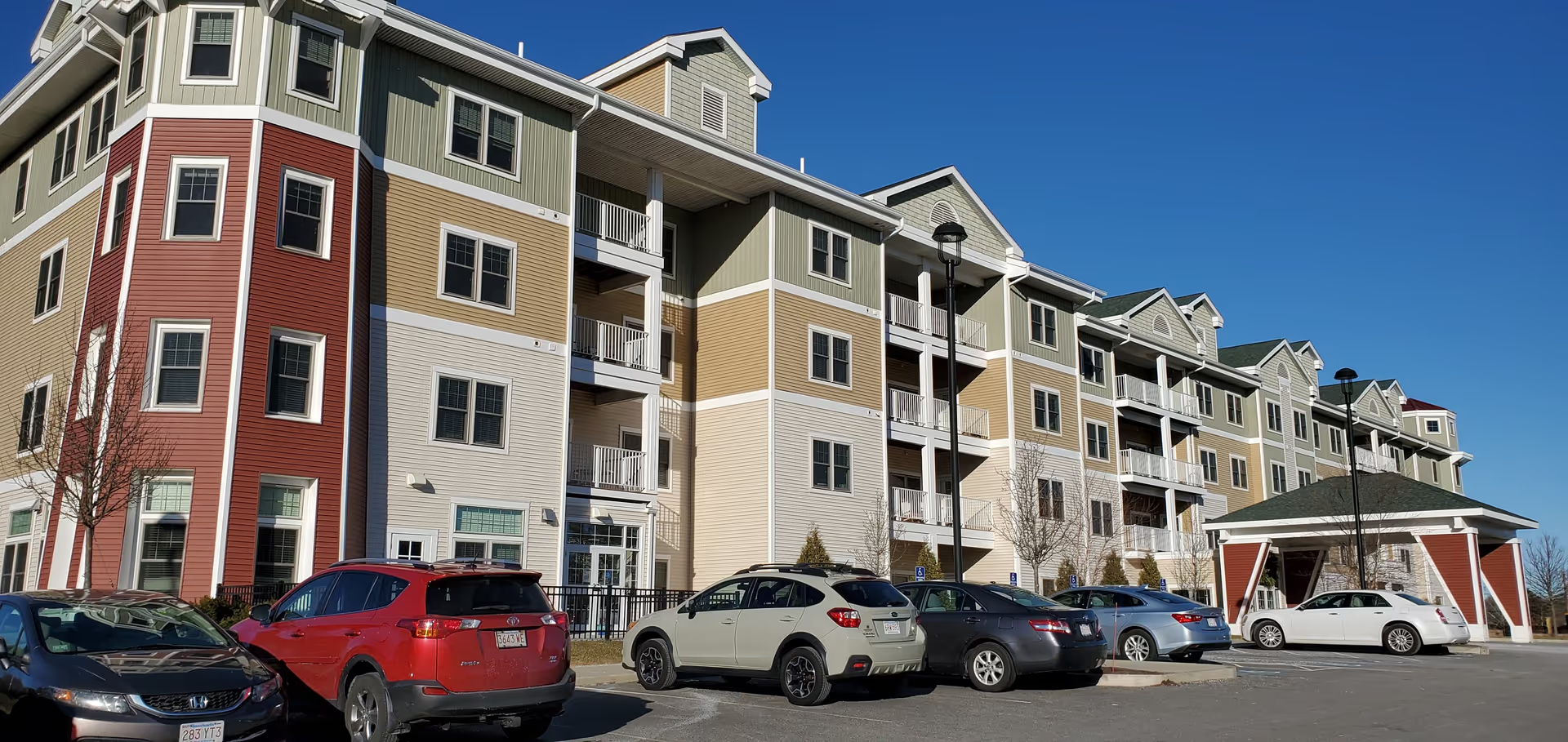
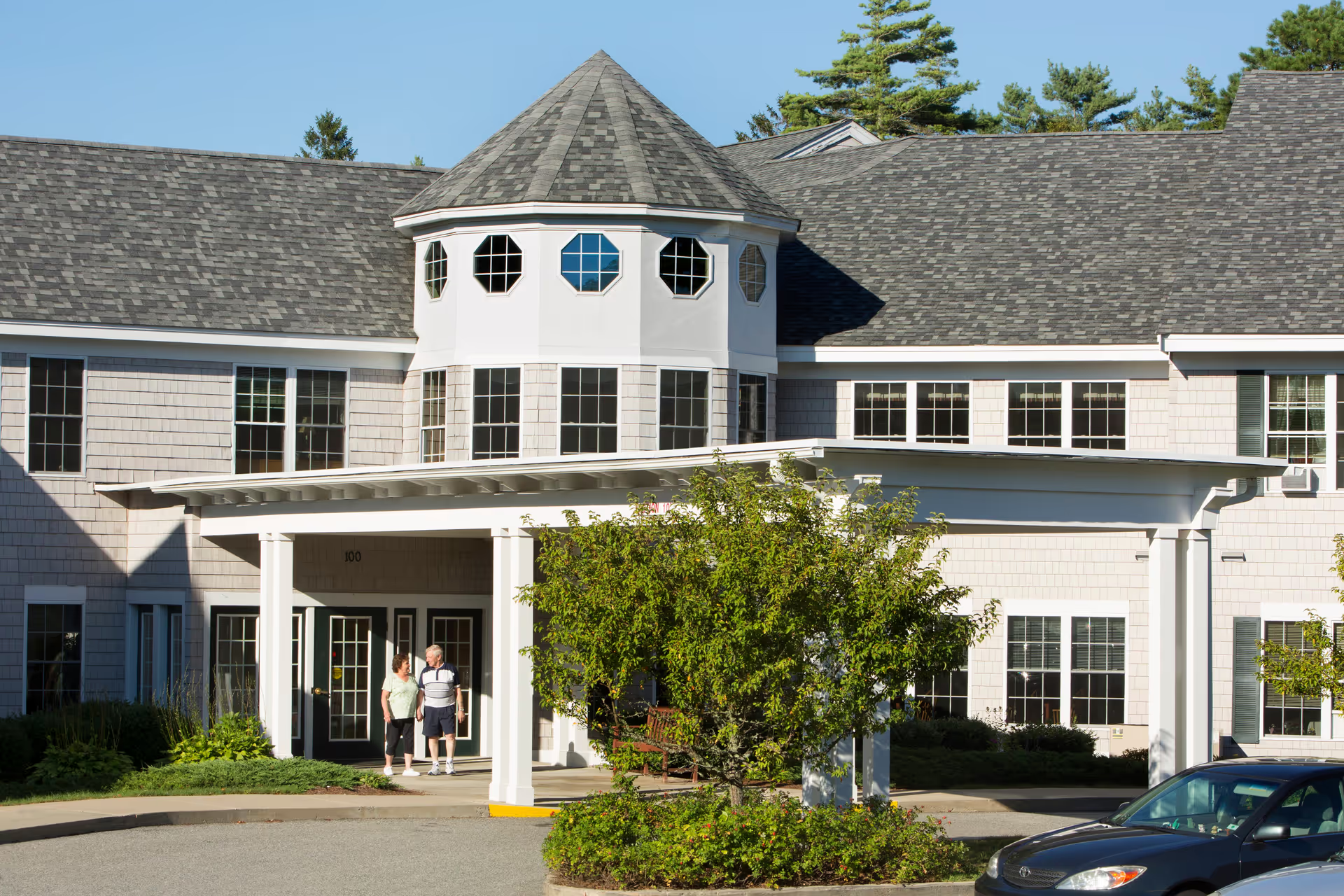
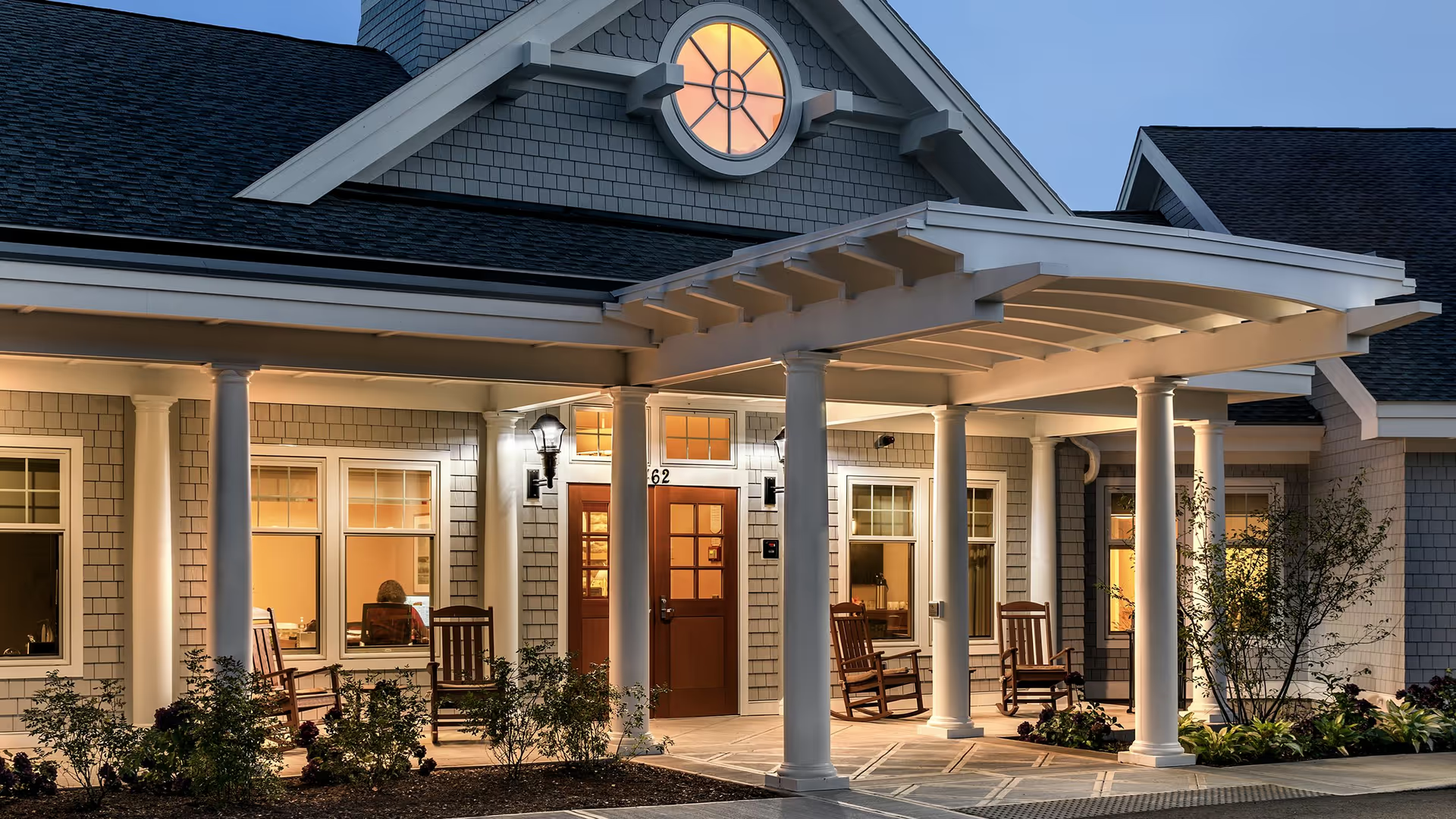
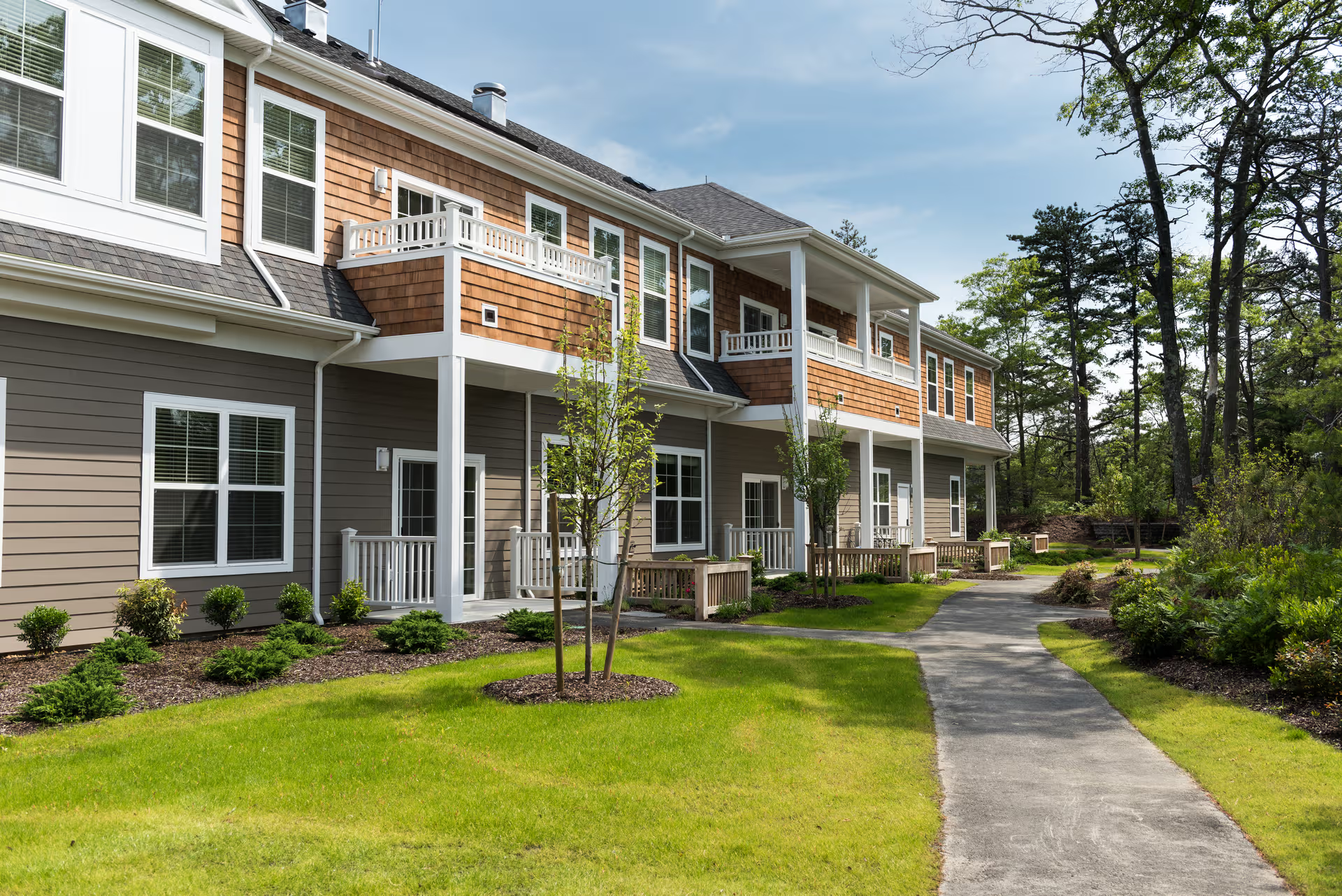
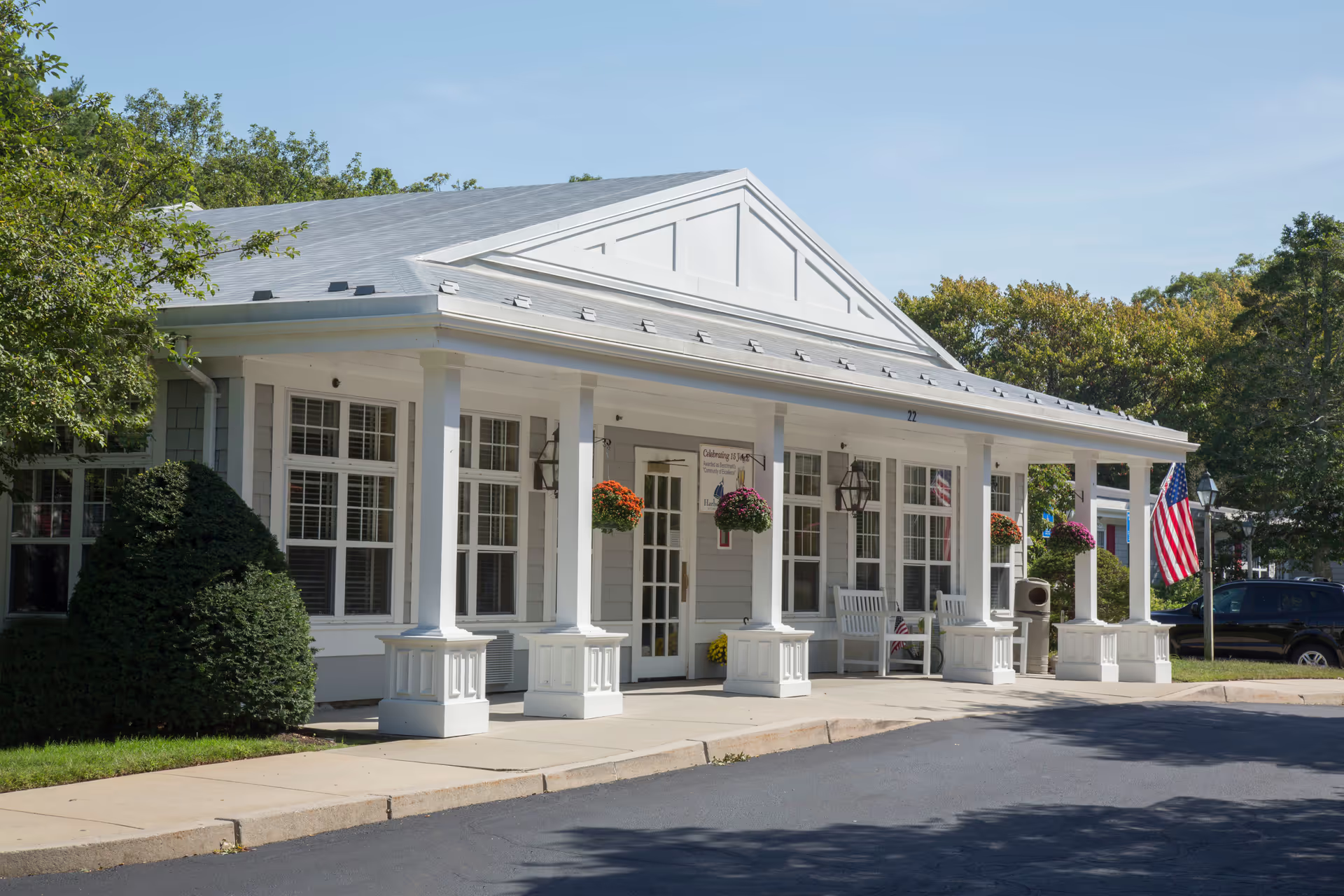
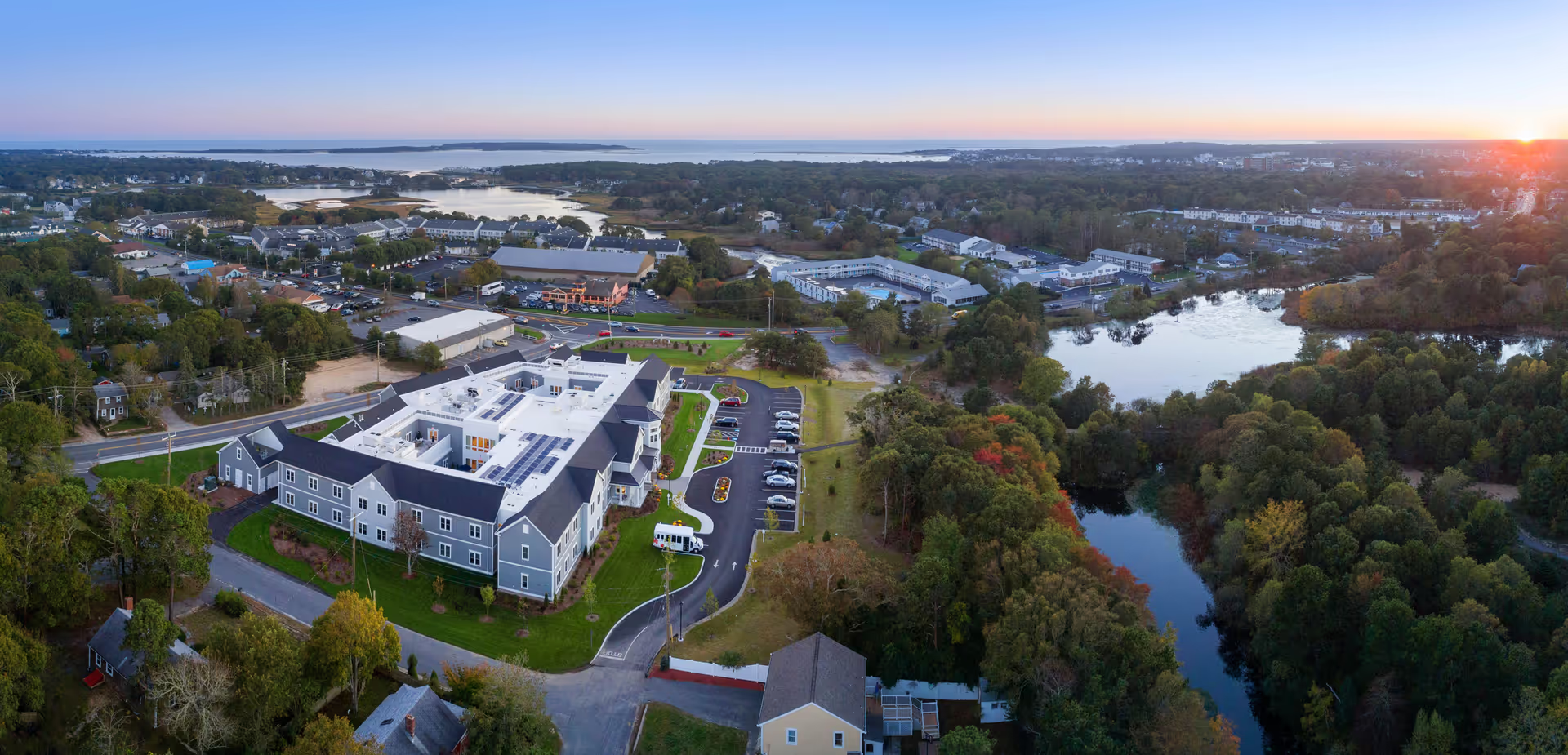
Decatur House presents as a small, family-run assisted living with a pronounced bed-and-breakfast character. The physical environment is frequently described as clean, well‑maintained, and comfortably appointed: bright dining areas, private apartments with kitchenettes in multiple sizes, a deck and garden pathways, and intimate common spaces. Housekeeping, laundry, linens and utilities are included in the monthly fee, and the property’s small scale (capacity around 38) contributes to a homelike atmosphere and more personalized interactions.
Dining and daily life are strengths for many families. The community provides three included daily meals that several families characterized as high quality, and staff-led activities such as exercise classes and trivia are offered. Owner-operators are actively involved in day-to-day oversight, and direct-care staff tenure and attentiveness are frequently cited; families describe individualized attention and reduced caregiver burden after placement. For prospective residents seeking a calm, small-community setting with thoughtful dining and grounds, Decatur House appears to deliver consistently positive experiences.
Care quality descriptions are mixed and indicate an operational trade-off between small-scale, hospitality-oriented service and higher-acuity clinical needs. Positive accounts highlight compassionate, knowledgeable staff and visible owner engagement. Conversely, other accounts identify gaps in clinical operations: an absence of dedicated nighttime nursing coverage, instances of delayed medication administration, and reports of medications being handled by non-clinical personnel. These observations point to medication-management and overnight clinical-coverage weaknesses that are important to clarify during a tour and care-planning conversation.
Family communication and responsiveness are another recurrent theme. Many families praise clear, caring communication and relief of caregiver burden; however, there are also accounts of broken promises, slow follow-up, and dismissive interactions from front-office personnel in at least one instance. Cost is also a notable factor: the community carries a relatively high upfront deposit and monthly fee with additional charges for elevated care time, which may limit recommendation to those who can absorb those costs. Finally, the activity program and physical-care routines may not meet the needs of residents with moderate-to-advanced cognitive impairment or complex medical conditions; families seeking care for dementia or higher medical dependency should probe staffing ratios, night coverage, medication protocols, and individualized care plans before committing.
In sum, Decatur House offers a well‑appointed, small, family-style assisted living with strong hospitality, appealing dining, and engaged staff. Prospective residents and families should weigh those strengths against observed operational limitations in overnight clinical coverage, medication administration practices, activity scope for higher-need residents, and the facility’s cost structure. Visiting at different times of day, asking about formal clinical staffing schedules, medication policies, fee structures for increased care, and speaking with current families will help determine fit for specific care needs.