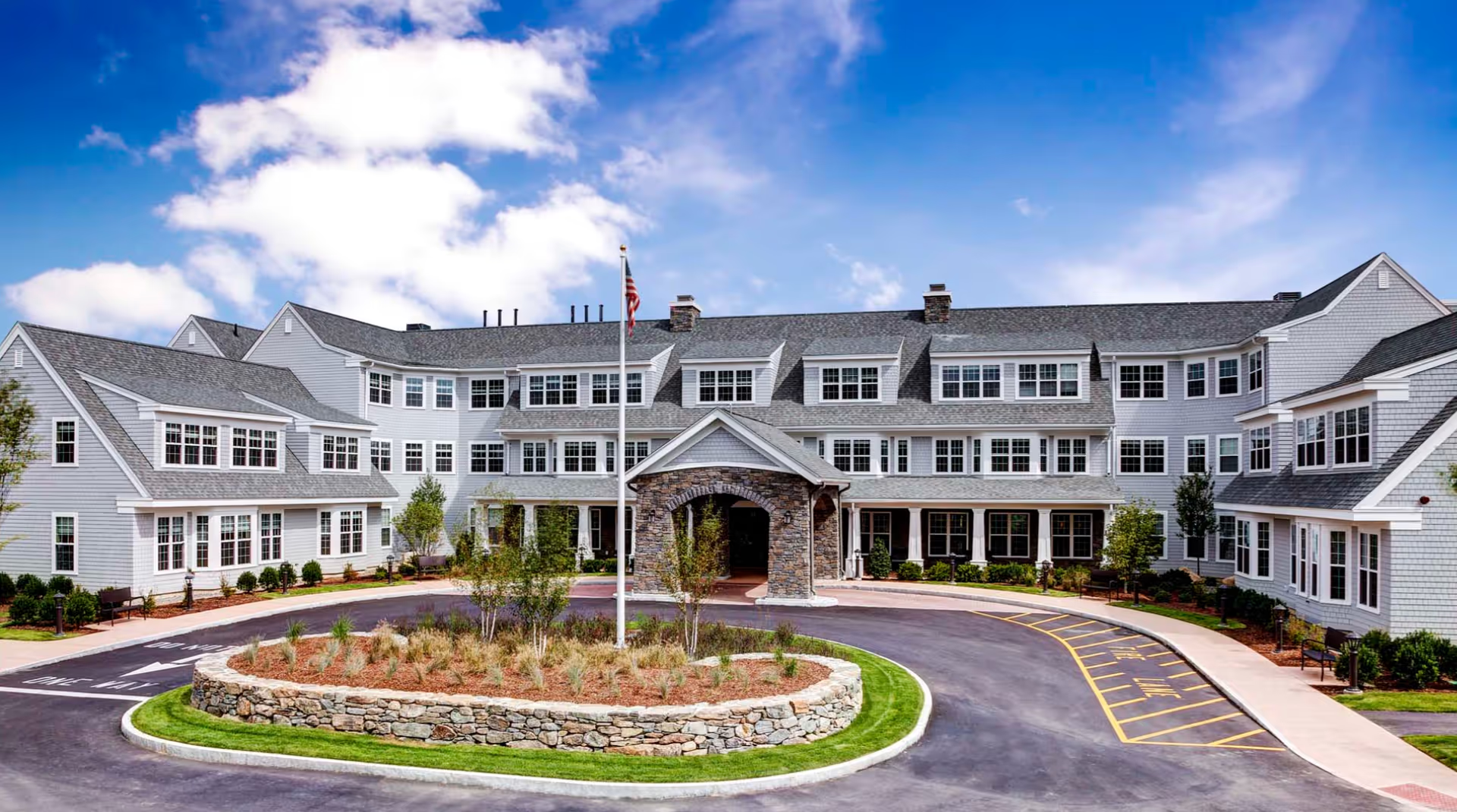
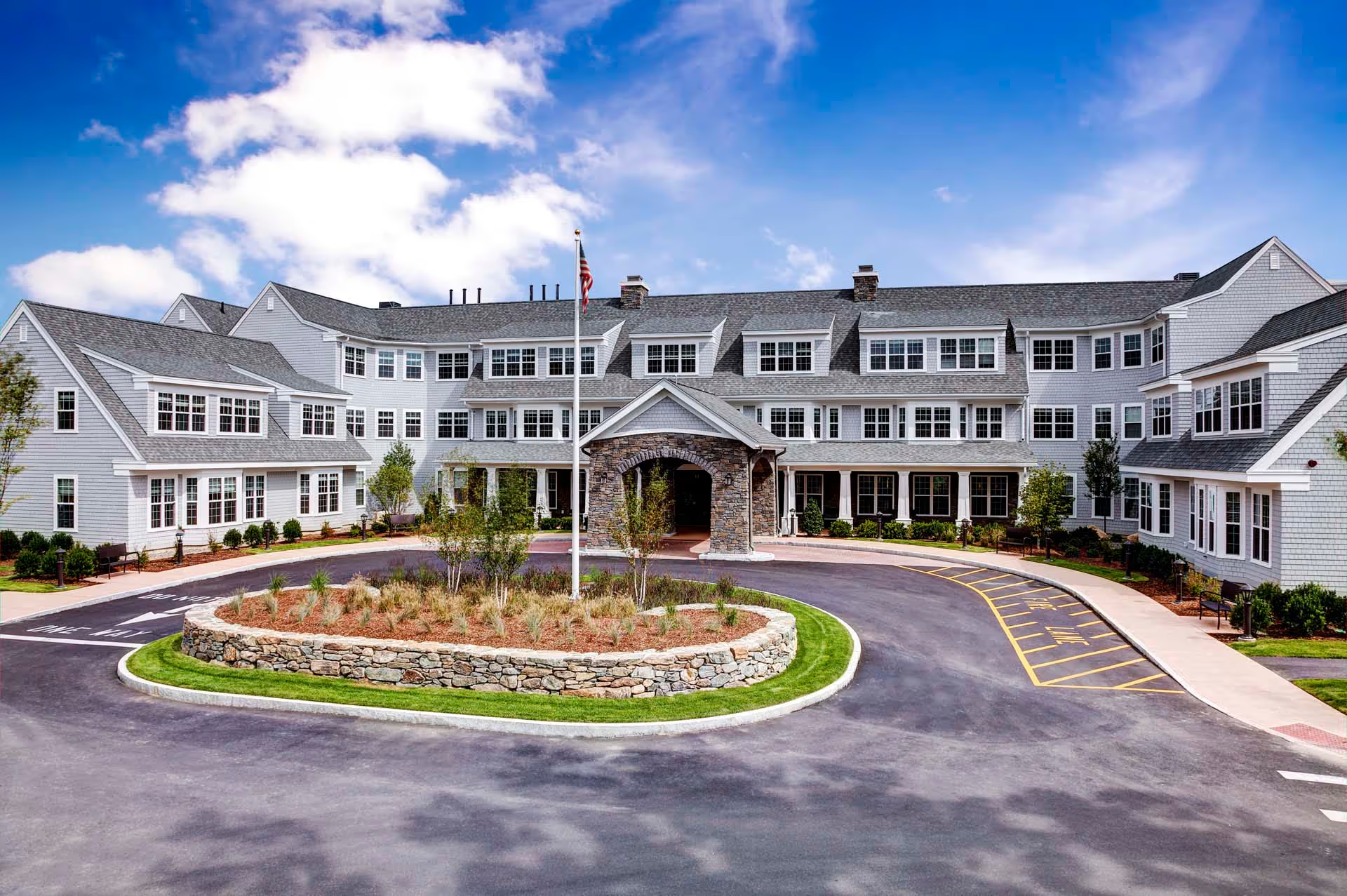
Overall impression: Reviewers consistently characterize Cape Cod Senior Residences as a well-maintained, community-oriented independent and assisted living option with a strong emphasis on respectful, dignified care and resident engagement. Families and residents frequently note attentive, long-tenured staff, proactive communication, and an organized response to infection-control events. The facility is described as clean, cosmetically appealing, and safe, with pleasant grounds and active social programming that supports residents’ independence and social connection.
Care and staff: The care culture is reported as warm and family-like, with CNAs and nursing staff singled out as compassionate and attentive. Staff availability and responsiveness are common strengths, as are daily cues and assistance to help residents maintain routines. Management and front-line teams are described as engaged and accessible, and low staff turnover supports relational continuity. A limited number of comments point to occasional variability in staff coverage and scheduling, indicating that staffing consistency can fluctuate at times.
Dining and nutrition: Dining is a prominent positive feature. The facility offers an upscale dining room with health-focused menus (notably Mediterranean-style choices), attentive service, and multiple small dining areas. Meals are planned with attention to nutrition and resident preferences, and families report that dining contributes substantially to residents’ well-being. The dining program appears tailored to assisted-living needs in some respects, which can limit dining flexibility for purely independent residents who desire different meal options or schedules.
Activities and social life: Programming is extensive and varied, including exercise classes, social events (for example themed parties and music-request days), lifelong-learning offerings, and resident committees. The campus supports active engagement and socialization, and residents report forming friendships and meaningful social ties. One operational pattern is that some activities and services are segregated by level of care, so access to certain events or programs may depend on whether a resident is in independent or assisted living.
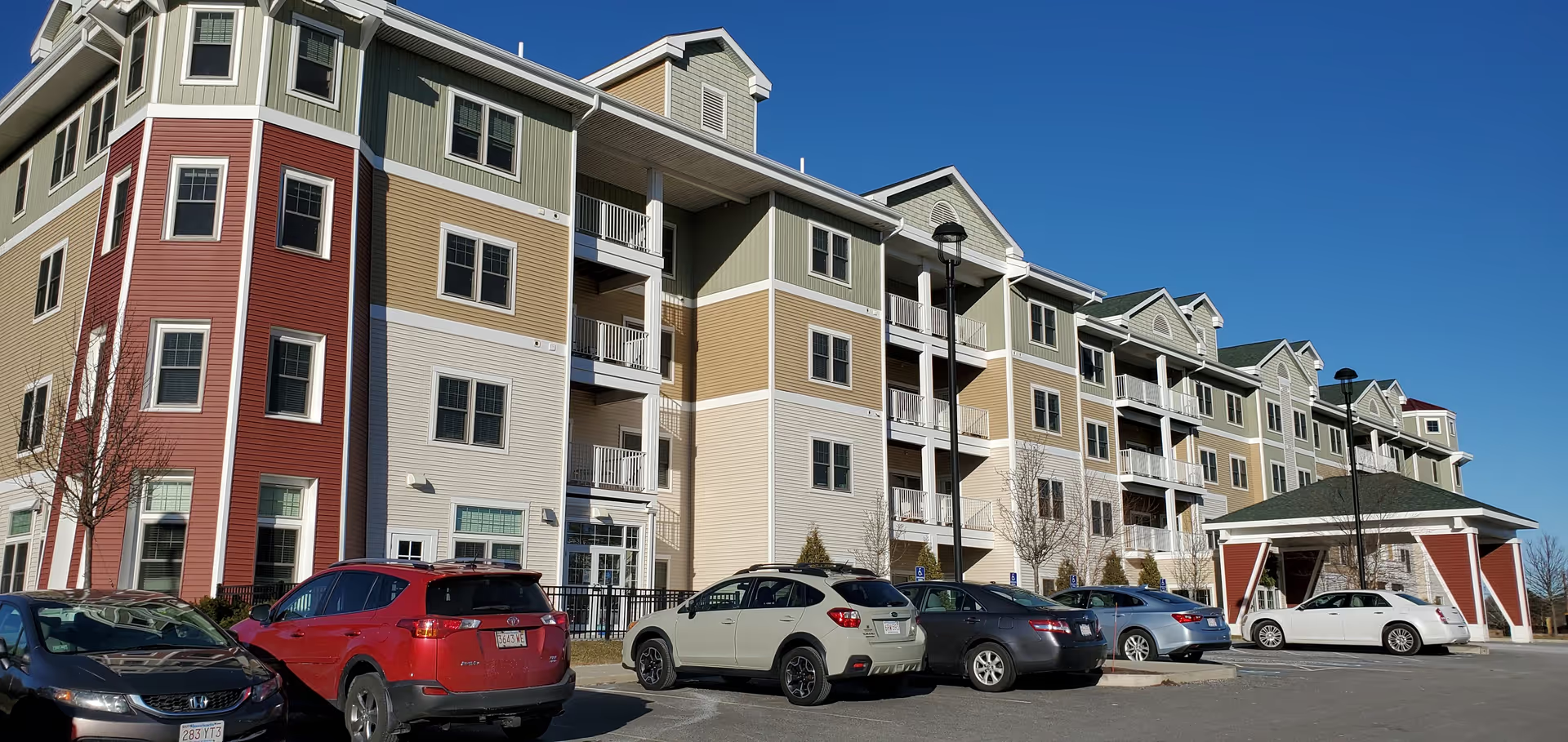
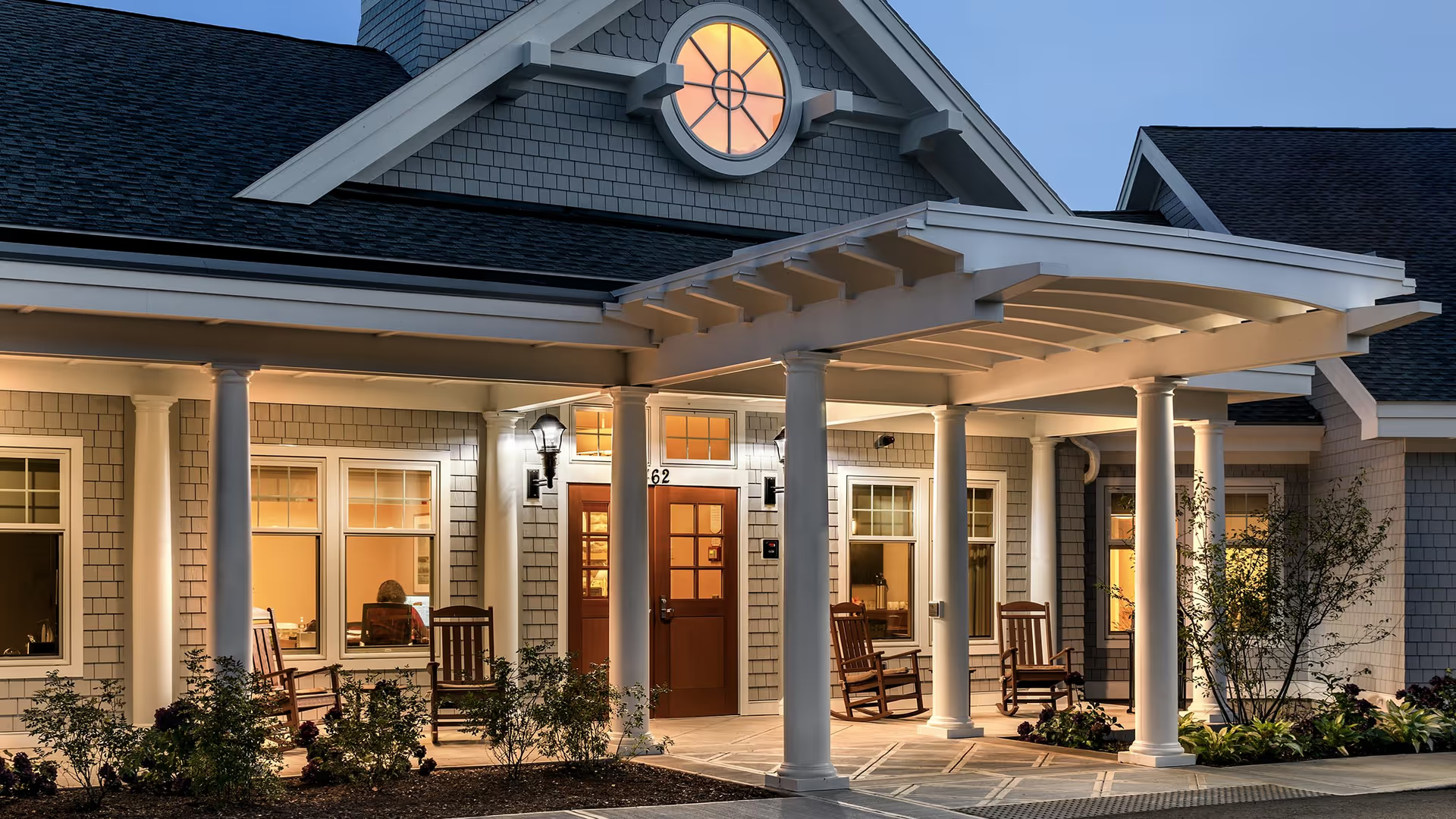
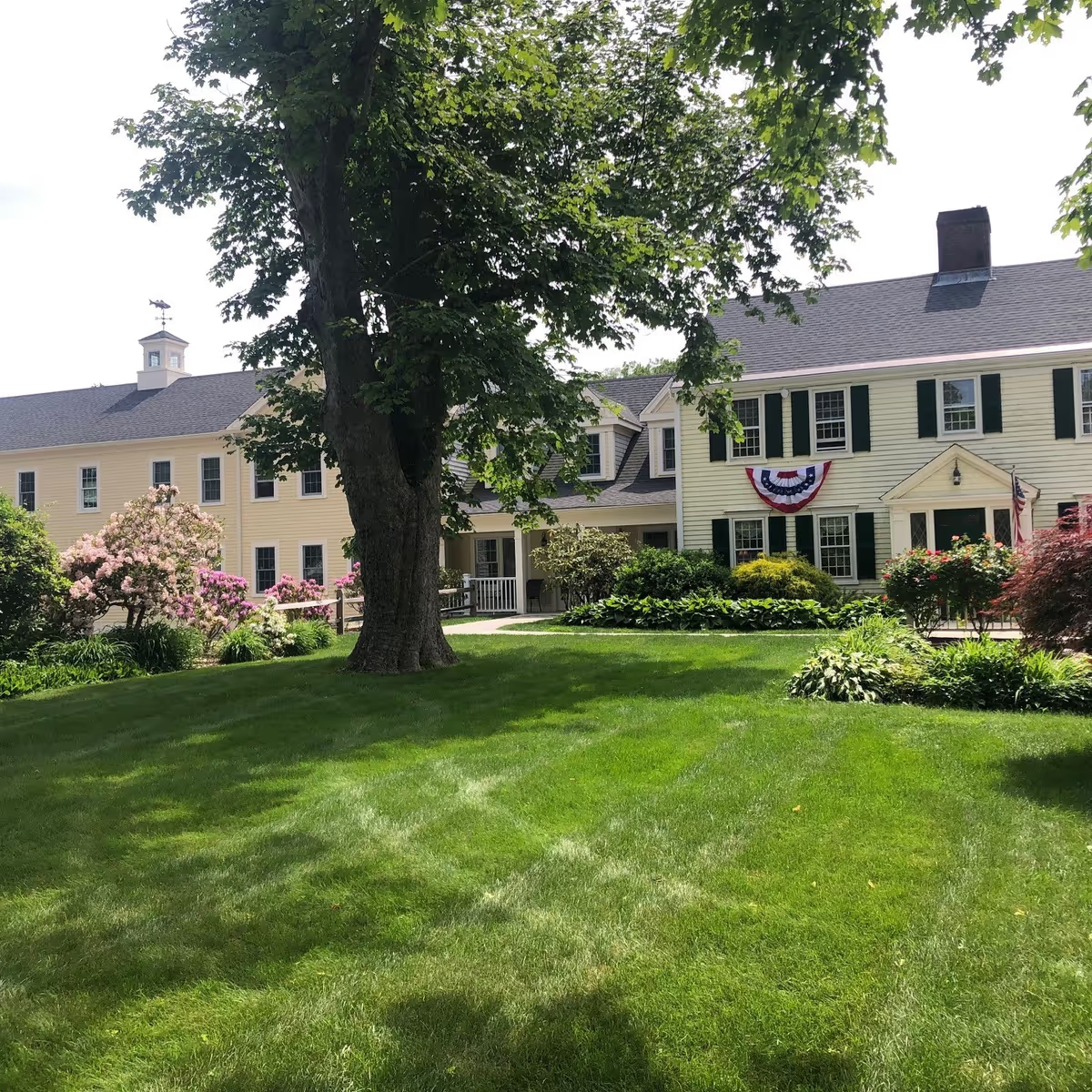
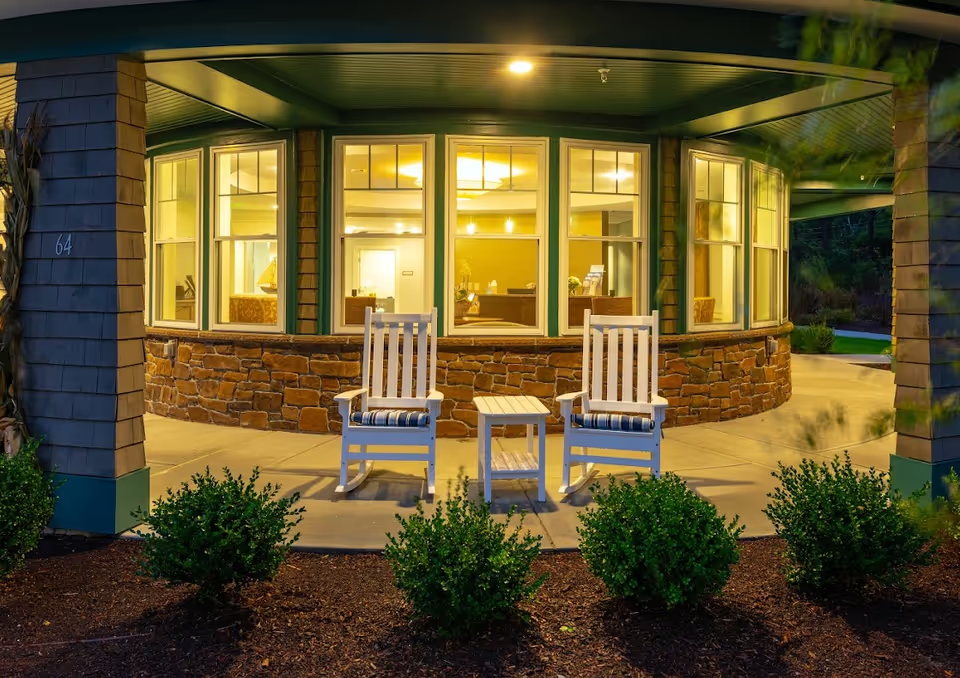
Facilities and services: Apartments are described as roomy and home-like, often with kitchenettes (fridge and microwave) and generous living and bedroom space; however, in-apartment cooking is limited by design (no stovetop). Housekeeping, turn-down service, and on-site personal services (hairdresser, podiatrist, dental hygienist, audiologist, manicure) are valued conveniences. Grounds and common areas are consistently reported as well-kept and pleasant.
Management, pricing, and unit variation: Reviewers praise engaged leadership, clear family communication (including weekly updates), and attentive event programming. Pricing perception is mixed: the community offers income-restricted/affordable unit options but also has units and services that some find higher cost relative to alternatives. There is also variability in amenity and service levels across different unit types; subsidized or government-assisted units are described as more basic in comparison to market-rate apartments.
Notable patterns and trade-offs: The facility’s strengths center on caring staff, strong communication, proactive infection-control, robust dining, and an active social environment that supports independence. Trade-offs to consider include variable pricing and affordability depending on unit type, occasional staffing-consistency variability, limitations on in-apartment cooking, and differential access to some programs based on care level. For prospective residents and families, the community appears well suited to those who value social programming, attentive dining, and a staffed environment that supports independence; those prioritizing full cooking capability or uniform service levels across all unit types should confirm specific apartment features and program access during touring and contracting.