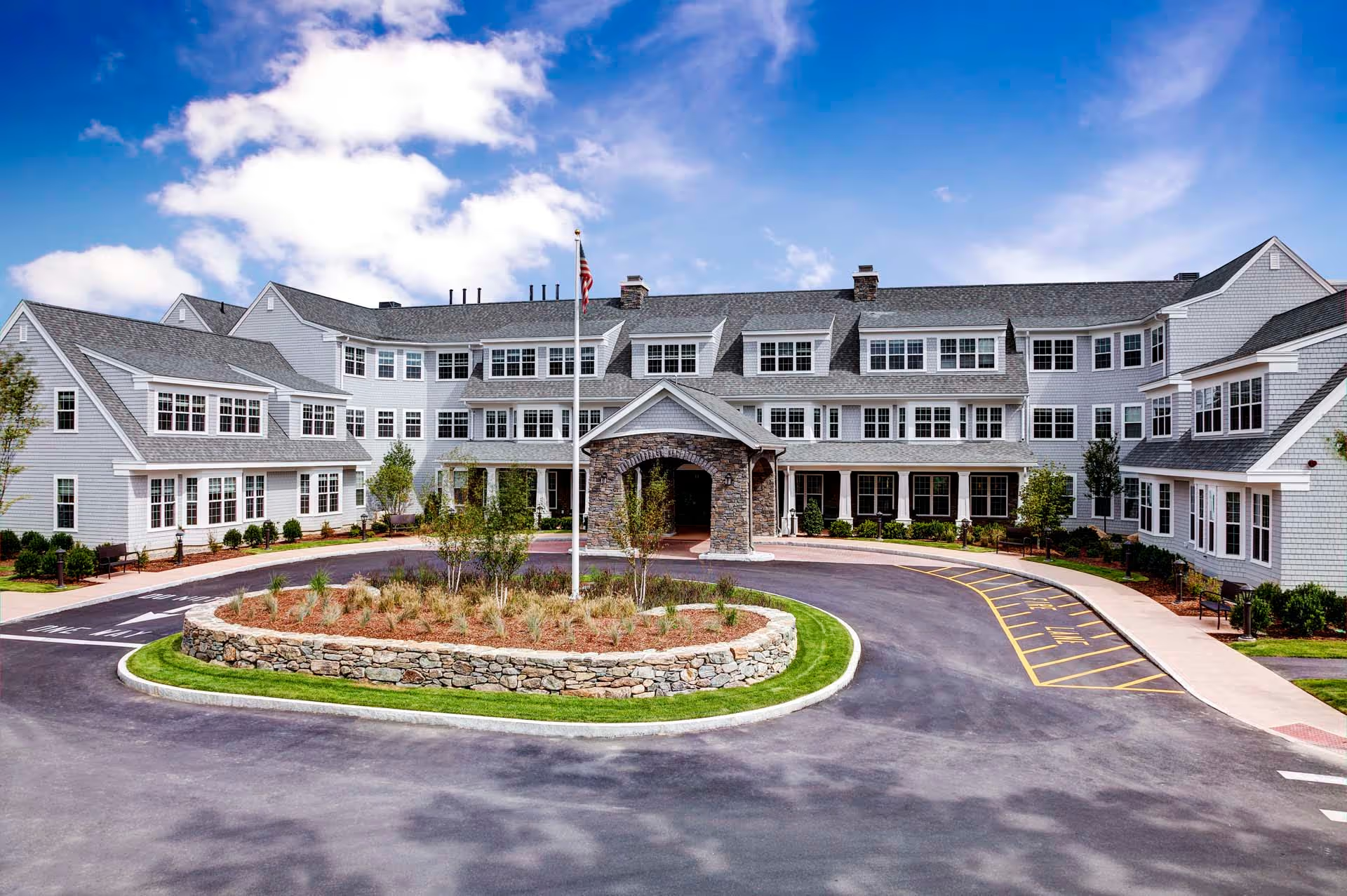
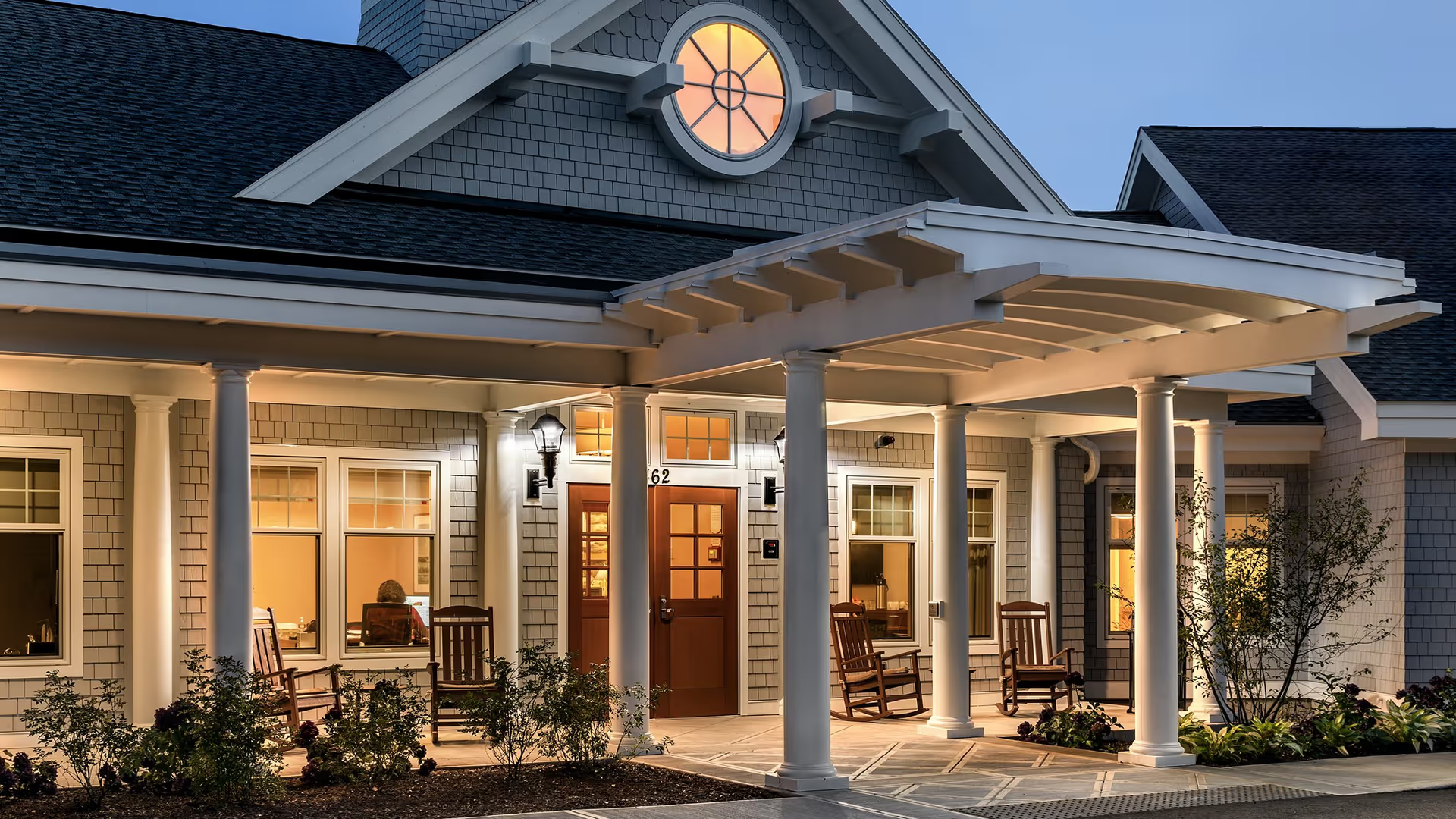
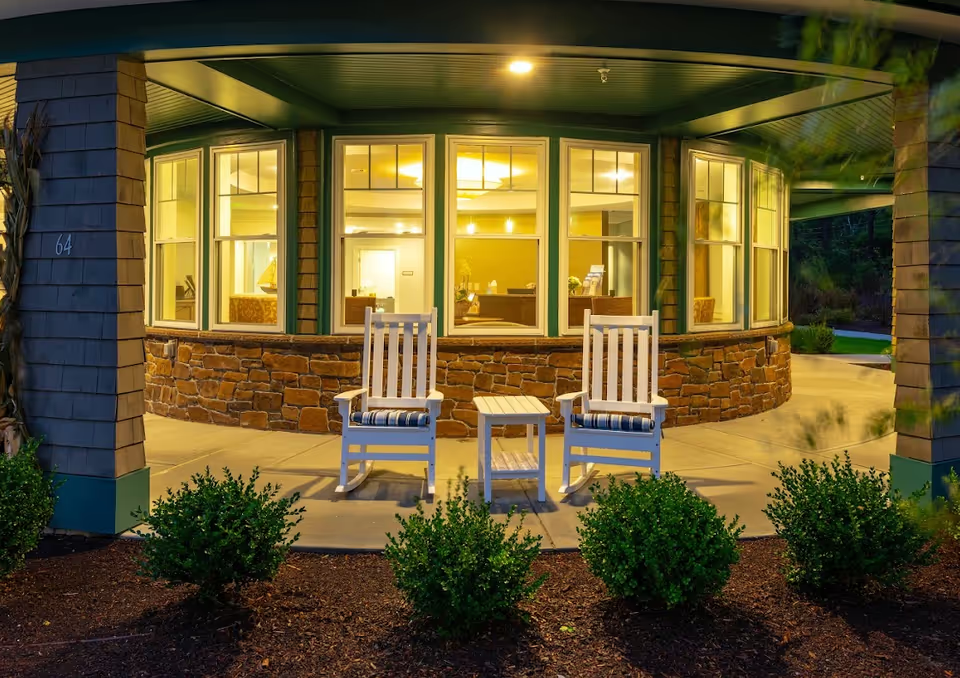
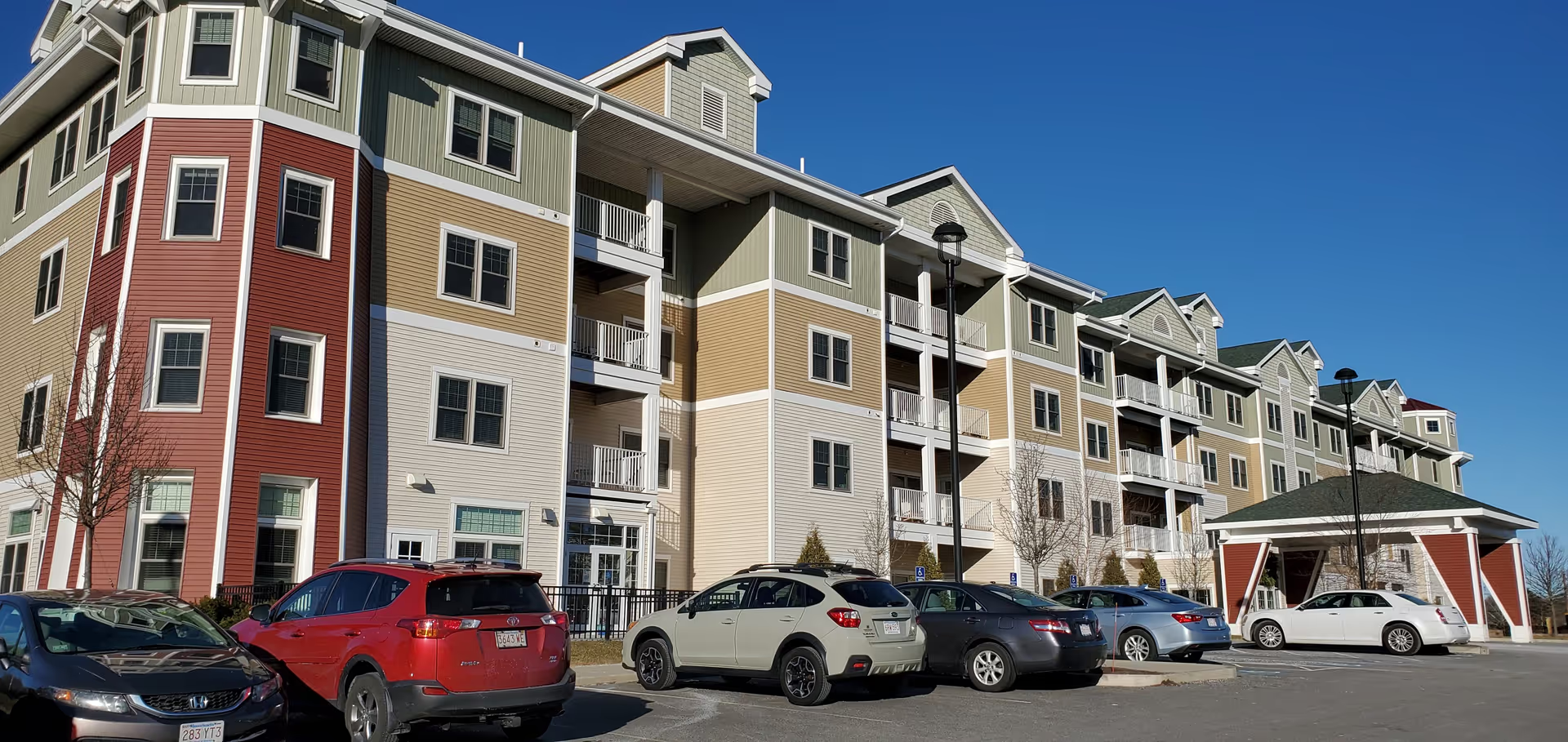
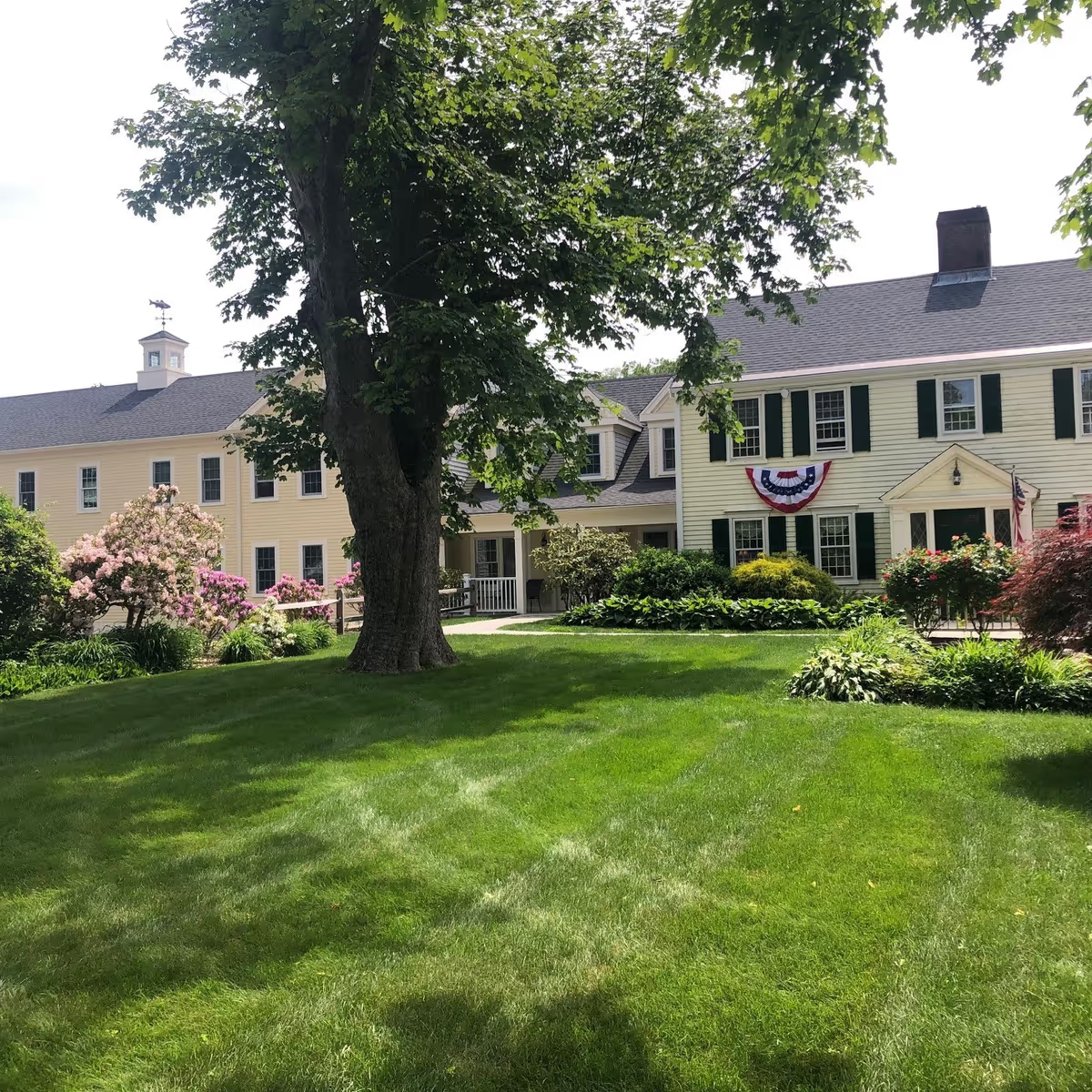
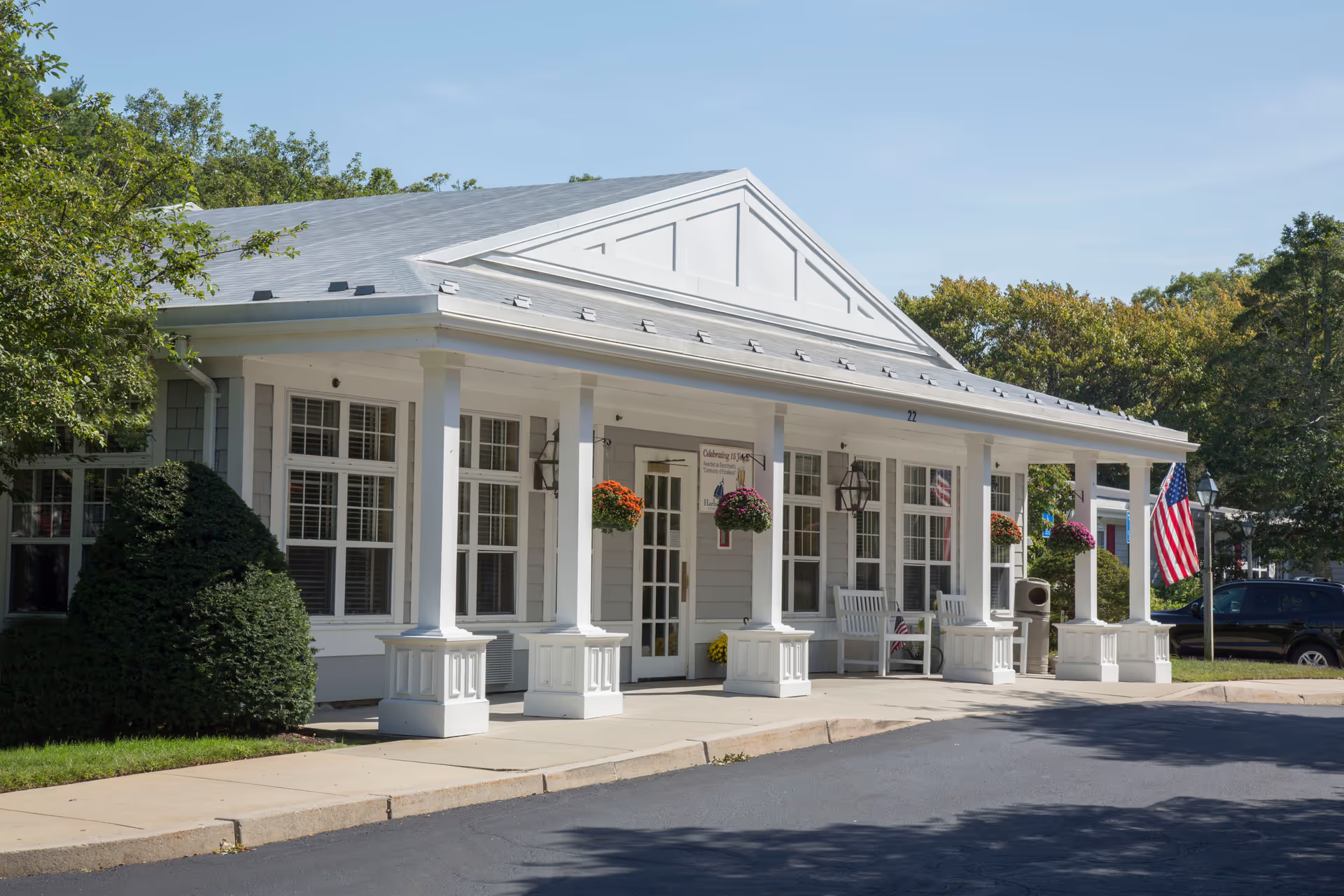
Overall impression: Reviews portray Atria Woodbriar Place as a generally well-regarded, recently updated senior living community with a strong emphasis on compassionate caregiving and social engagement. Many families highlight the staff’s warmth, attentiveness, and willingness to go beyond routine duties, and a number of reviewers described move-ins and transitions as smooth and well supported. The community’s physical plant is frequently described as clean, modern, and hotel-like, with a range of social spaces and on-site therapy resources that contribute to resident engagement.
Care and staff: The dominant theme across feedback is positive staff-resident interaction. Caregivers, nurses, and memory-care teams are repeatedly described as kind, respectful, and committed; reviewers credit staff with helping residents regain independence, improving quality of life, and providing steady support during the pandemic. At the same time, there are operational concerns related to clinical practice: several families expressed worries about medication administration accuracy and the thoroughness of clinical documentation. These comments suggest variability in clinical processes and an opportunity for the community to standardize medication and clinical handoffs.
Dining: Dining quality is characterized as generally good to very good, with adequate variety and occasions of praise for specific offerings. Reviewers noted that dining amenities (including a pub and increased dining-room capacity) are appreciated and can support socialization and independence. However, there are reported inconsistencies in how dietary restrictions and meal accommodations are handled, and some families observed that food service in memory-care units can differ from other levels of care. Prospective residents should clarify menu options and accommodation procedures for special diets.
Activities and social life: Activity programming is a clear strength. The schedule includes exercise classes, trivia, movie screenings, themed events, social hours, and specialized offerings (for example, laughter therapy and Zumba), and reviewers report that these opportunities help residents stay active and connected. Families noted that pandemic-related restrictions temporarily limited amenity use, but that roving activities and staff-led socialization helped mitigate isolation during those periods.
Facilities and maintenance: The community’s newer construction and clean common areas receive frequent praise. Nonetheless, several reviews call attention to construction- and renovation-related disturbances (dust, uneven flooring) and isolated maintenance issues such as heat or temperature-control problems in some apartments. A few comments referenced older bathrooms or areas that might require updates. These observations point to the need for ongoing attention to building-transition impacts and apartment climate control.
Management, billing, and policies: Management earns credit for helpful leasing assistance, benefits-navigation support, and practical move-in assistance. At the same time, a recurrent pattern concerns communication and financial transparency: families reported uneven responsiveness to questions, instances of poor follow-up after payment, and concerns about affordability stemming from rent increases. One practical takeaway for prospective residents is to request clear, written policies on pricing, potential rent changes, and any temporary pricing protections.
Notable patterns and guidance for families: The strongest, most consistent positive is the staff culture—dedicated caregivers and a convivial social environment. The principal areas to assess during a tour are operational: ask about medication-administration protocols and audit practices, confirm how dietary needs are accommodated (particularly in memory care), review recent or planned construction schedules and mitigation steps, check HVAC/temperature controls in specific apartments, and obtain written explanations of fee increases and refund policies. For families of prospective memory-care residents, inquire about technology solutions and whether apps or digital supports are tailored to memory-care needs. These targeted questions will help reconcile the generally favorable resident experience with the operational inconsistencies that some families described.