Overall impression: Reviews describe Bridges by EPOCH at Mashpee as a relatively new, well-appointed memory-care community with a strong focus on person-centered care. Families commonly highlight staff warmth and dedication, robust programming for people with cognitive impairment, and a clean, secure environment. Many accounts emphasize measurable improvements in residents’ mood, engagement and weight after moving in.
Care and staff: The dominant theme is that staff are compassionate, attentive and experienced in memory-care approaches. Reviewers frequently describe aides, nurses and activity leaders who form consistent relationships with residents, reduce anxiety during transitions, and provide individualized support. Several front-line staff are singled out for going above and beyond. At the same time, reviewers note operational weaknesses related to workforce: CNAs are sometimes stretched thin, training consistency can vary, and there are perceptions of uneven clinical coverage. These staffing patterns translate into concerns about response times and continuity during busy periods.
Dining: Dining is regularly praised — meals are described as high quality, flexible to dietary needs, and often gourmet in style, with vegan and special-diet options mentioned. A number of reviewers appreciated the social aspect of dining and family inclusion. However, there are recurring comments about limited menu variety at times and occasional inconsistencies in meal quality, which suggest opportunities for more consistent menu rotation and quality control.
Activities and social programming: Activity programming is a clear strength: daily engagement, outings, themed events, therapeutic activities and strong leadership in the activity department are frequently commended. Families report that residents become more socially engaged and intellectually stimulated. A smaller portion of reviewers felt activity frequency or depth was limited for specific residents, indicating the need for continued tailoring of programming to individual interests and functional levels.
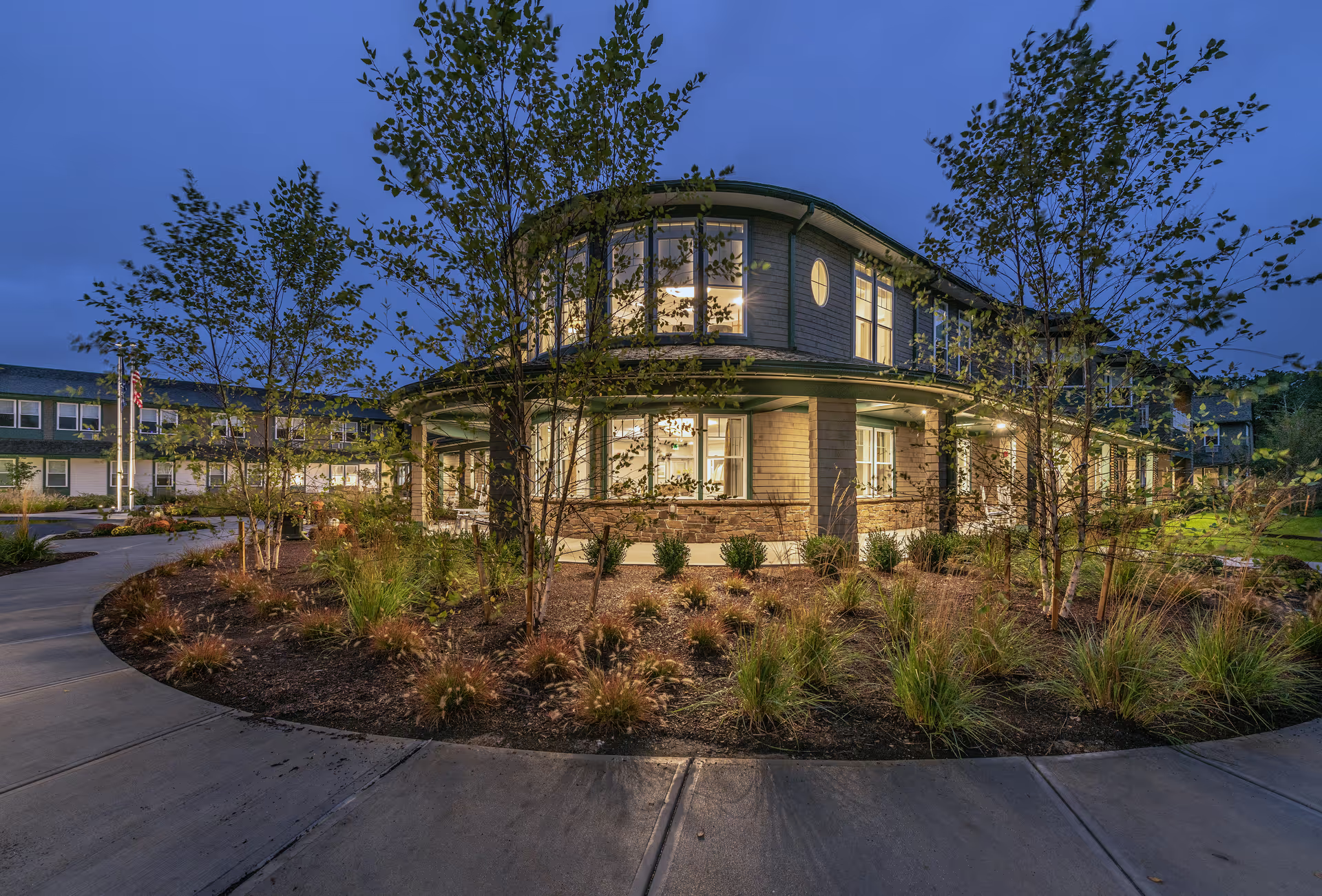
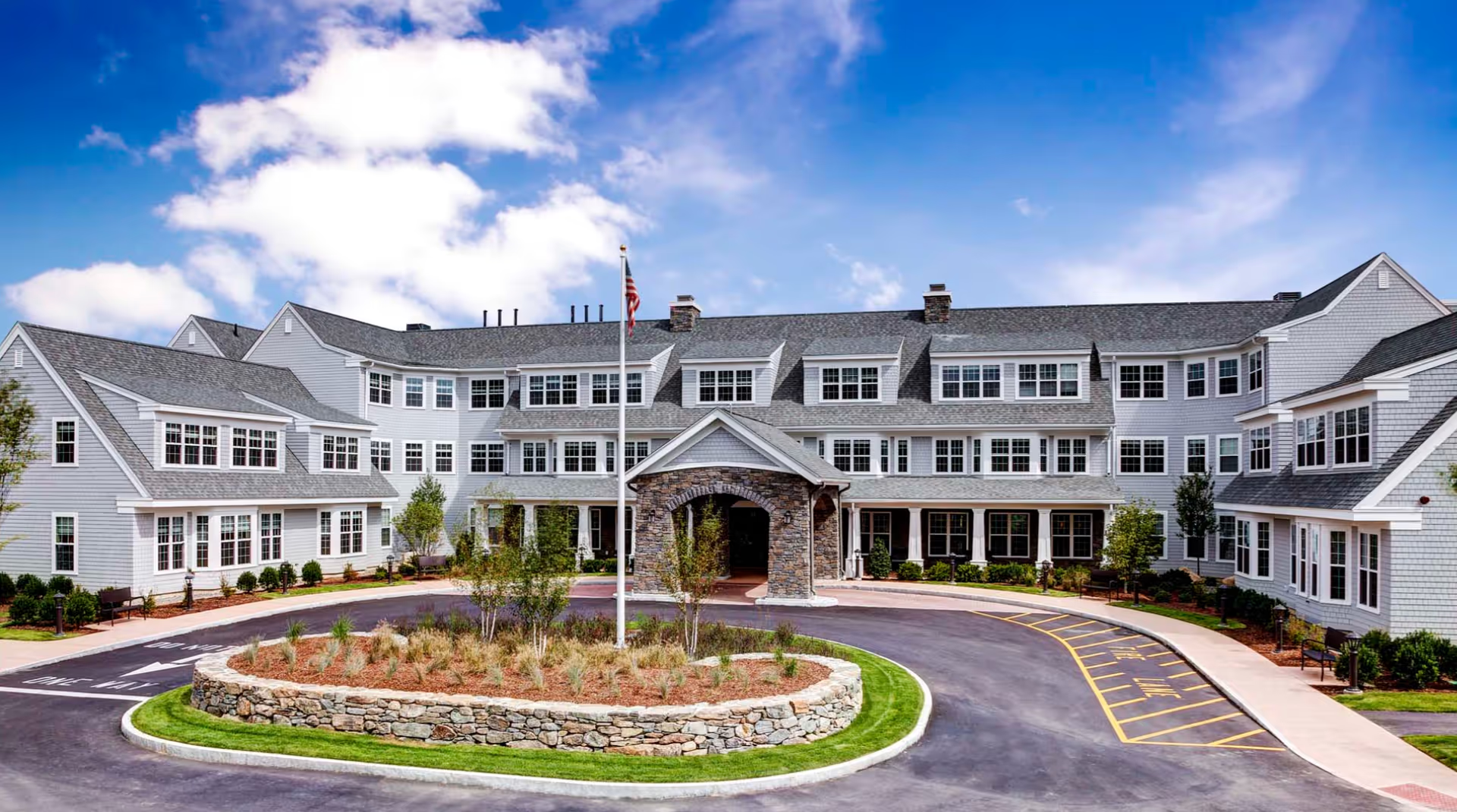
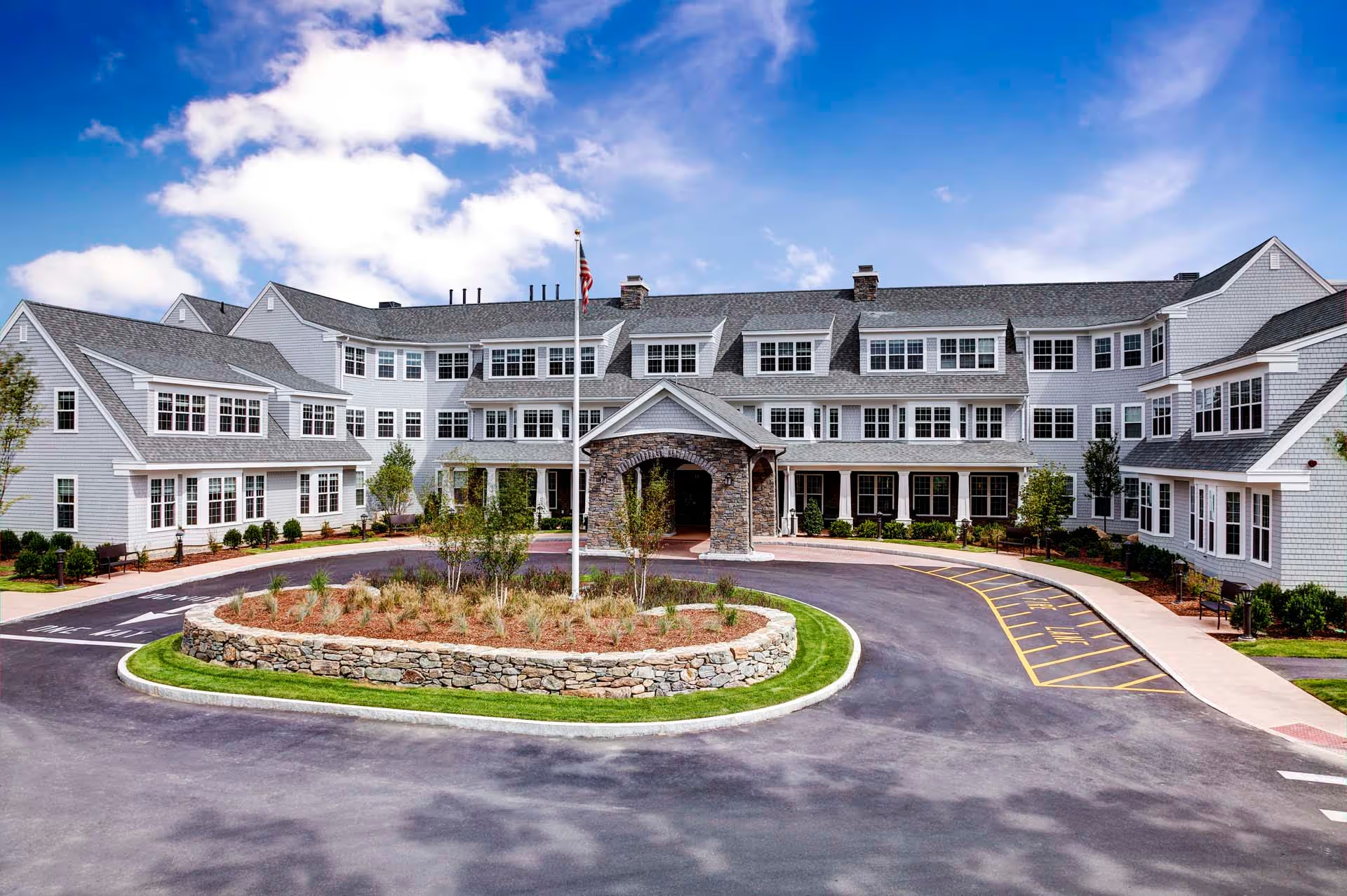
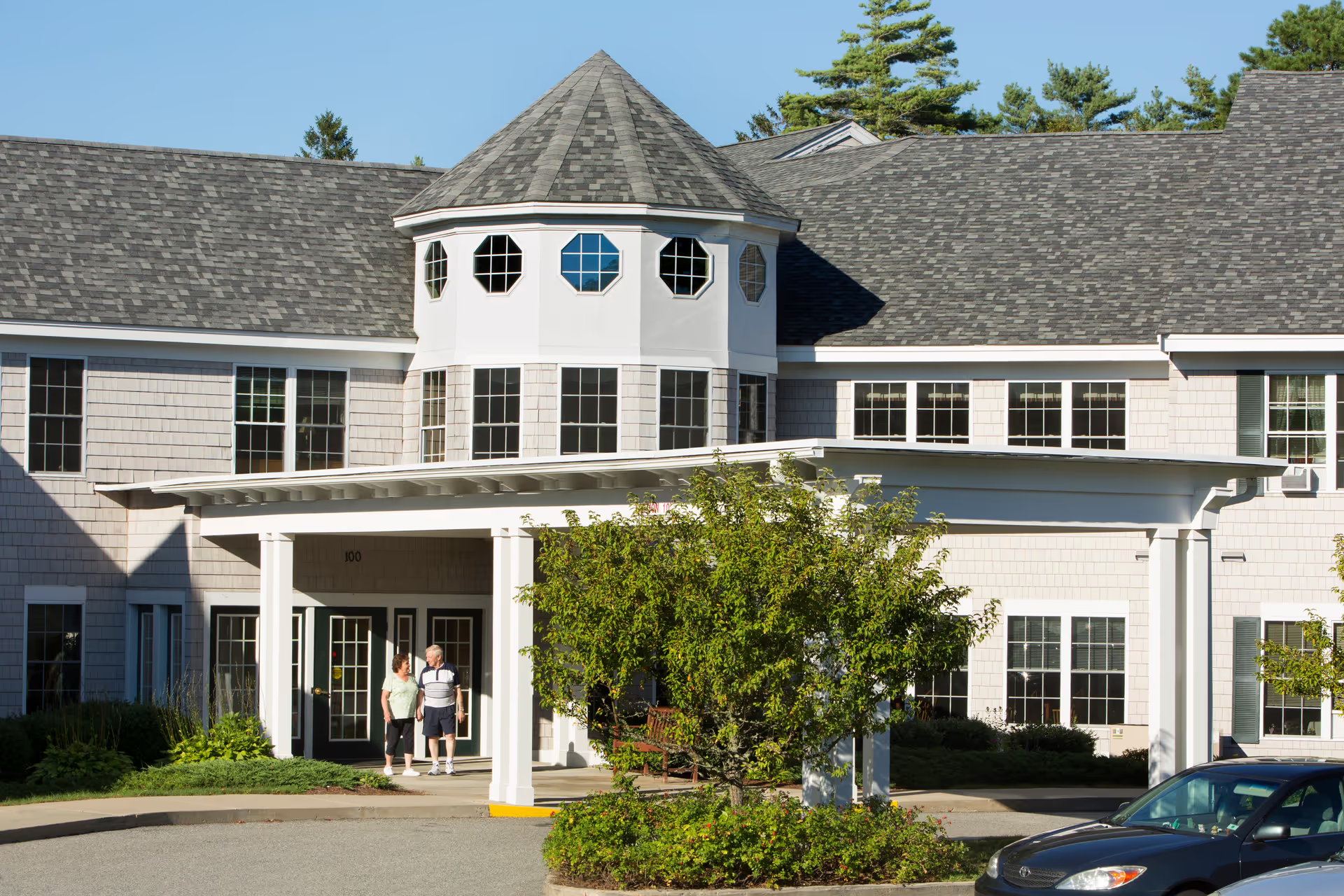
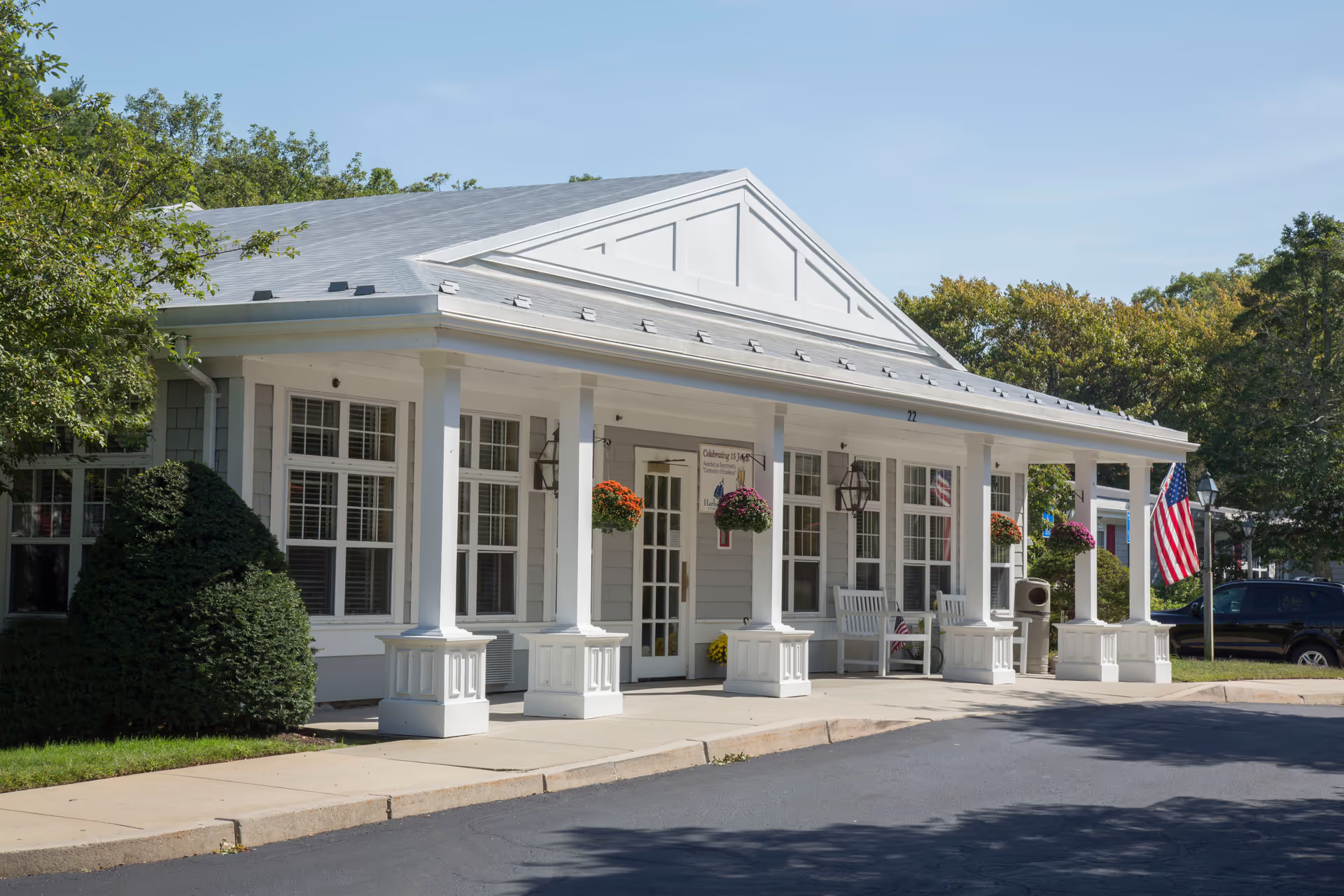
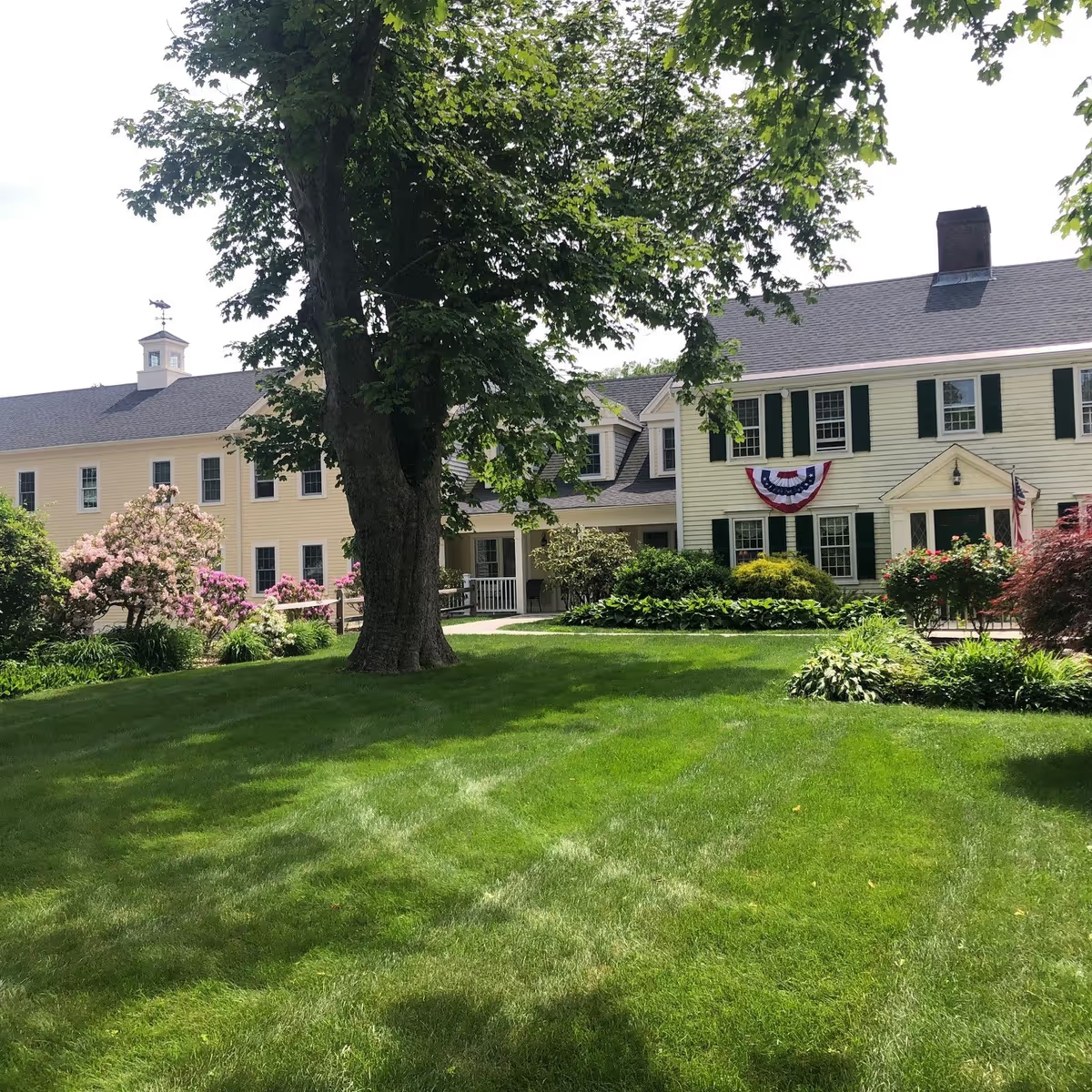
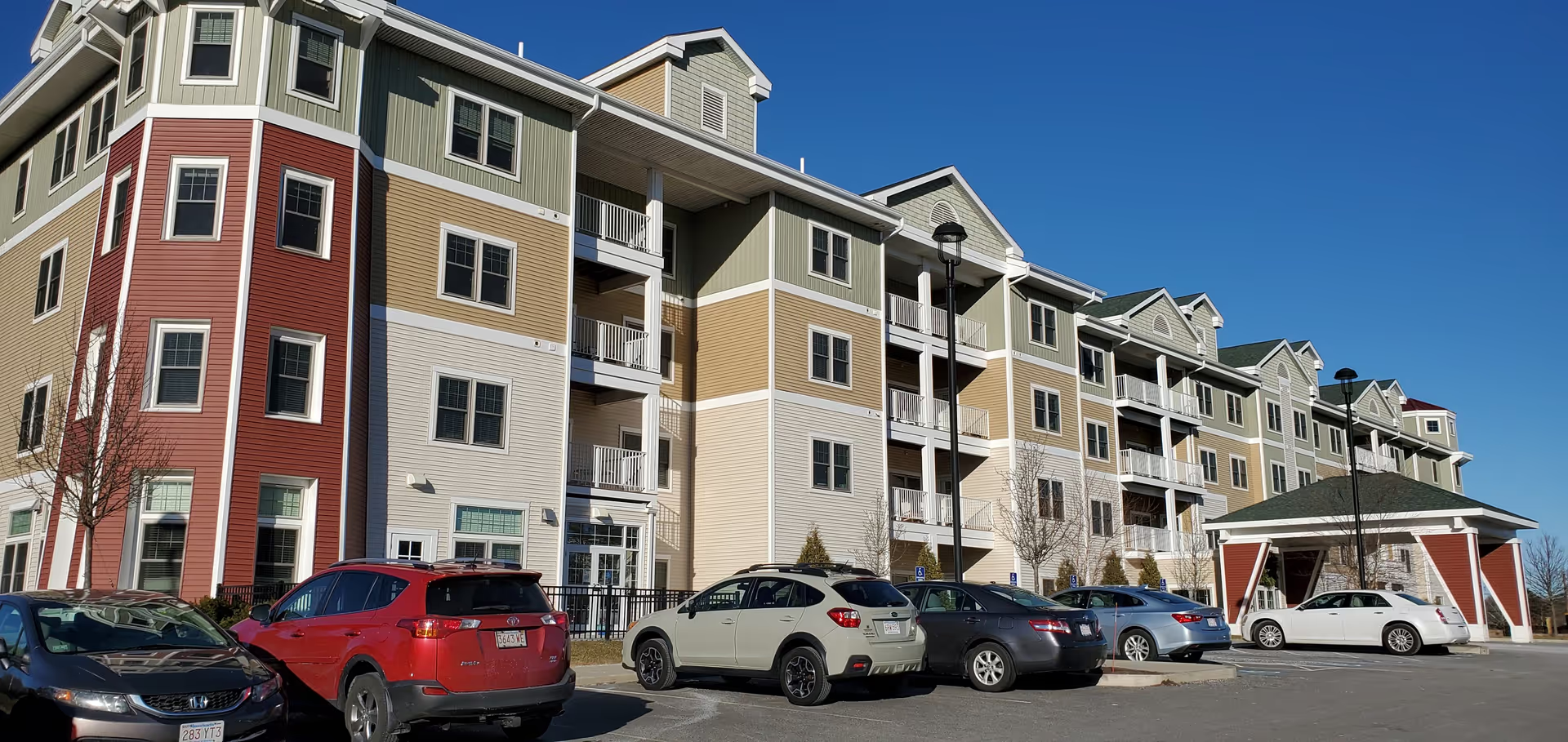
Facilities and environment: The building and grounds receive consistent praise: modern finishes, single-floor layout, secured outdoor areas, bright communal spaces and private rooms contribute to a homelike, safe atmosphere. The single-occupancy model is an advantage for privacy but also a constraint for couples who wish to share living quarters. A few comments referenced smaller private rooms or a less homelike feel in some common areas — useful considerations when touring.
Management and operations: Several families note strong, visible leadership, an open-door approach and proactive family communication. Conversely, a number of reviews describe intermittent communication gaps from specific administrative contacts, unclear upfront fee explanations, and a perceived operational emphasis on occupancy or marketing. Operational items such as laundry handling and scheduling logistics are also mentioned as areas that occasionally require follow-up.
Notable patterns and decision factors: The facility tends to be viewed as high quality for memory-care needs, particularly when families prioritize specialized programming, consistent caregiving relationships and an upscale, secure environment. Trade-offs mentioned across reviews include higher cost, occasional staffing constraints, and variable experiences with administrative communication. Prospective residents and families should verify current staffing levels, fee disclosures, room configurations, and incident-response procedures during an in-person tour and ask to meet clinical leadership and activity staff to confirm fit for individual needs.