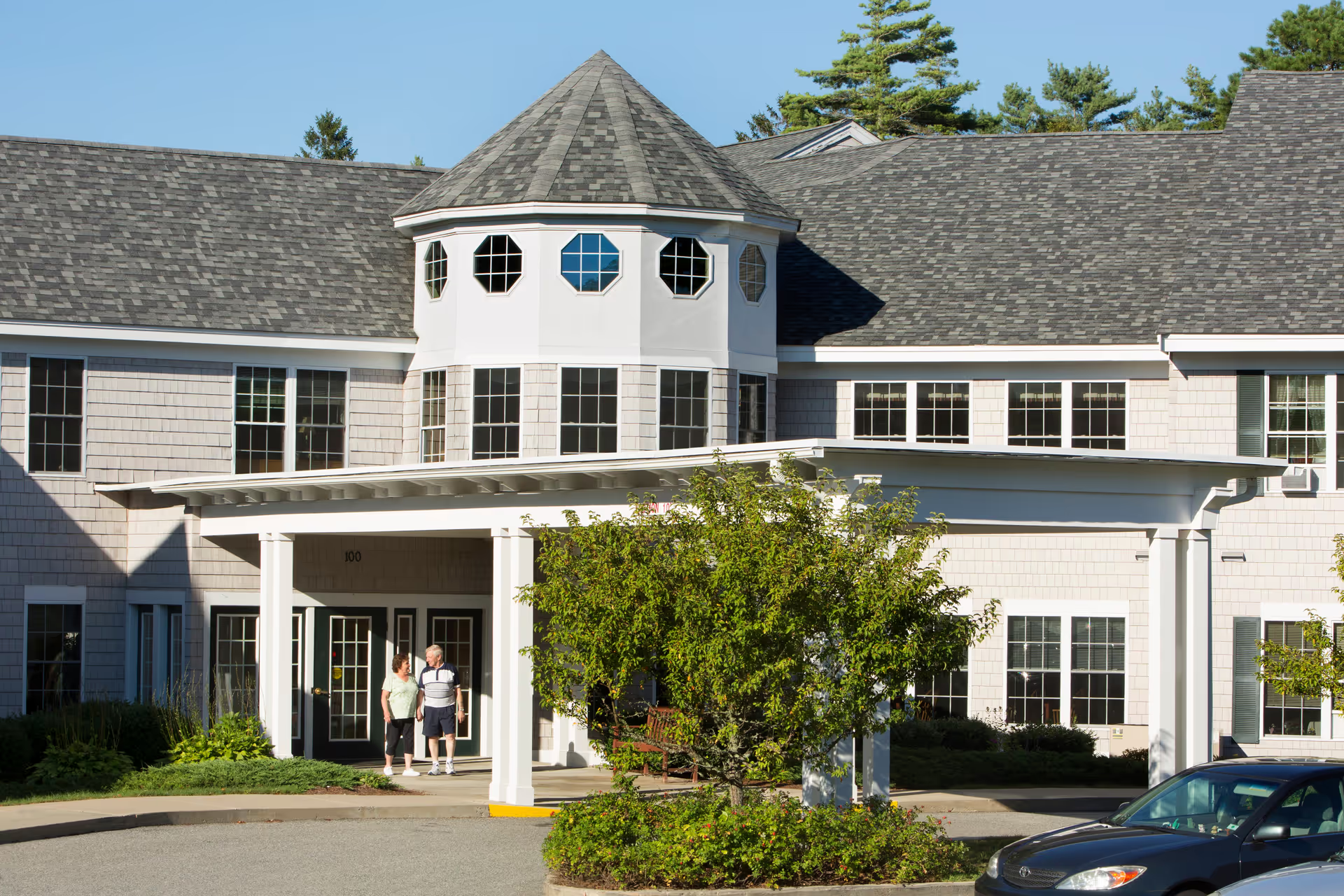
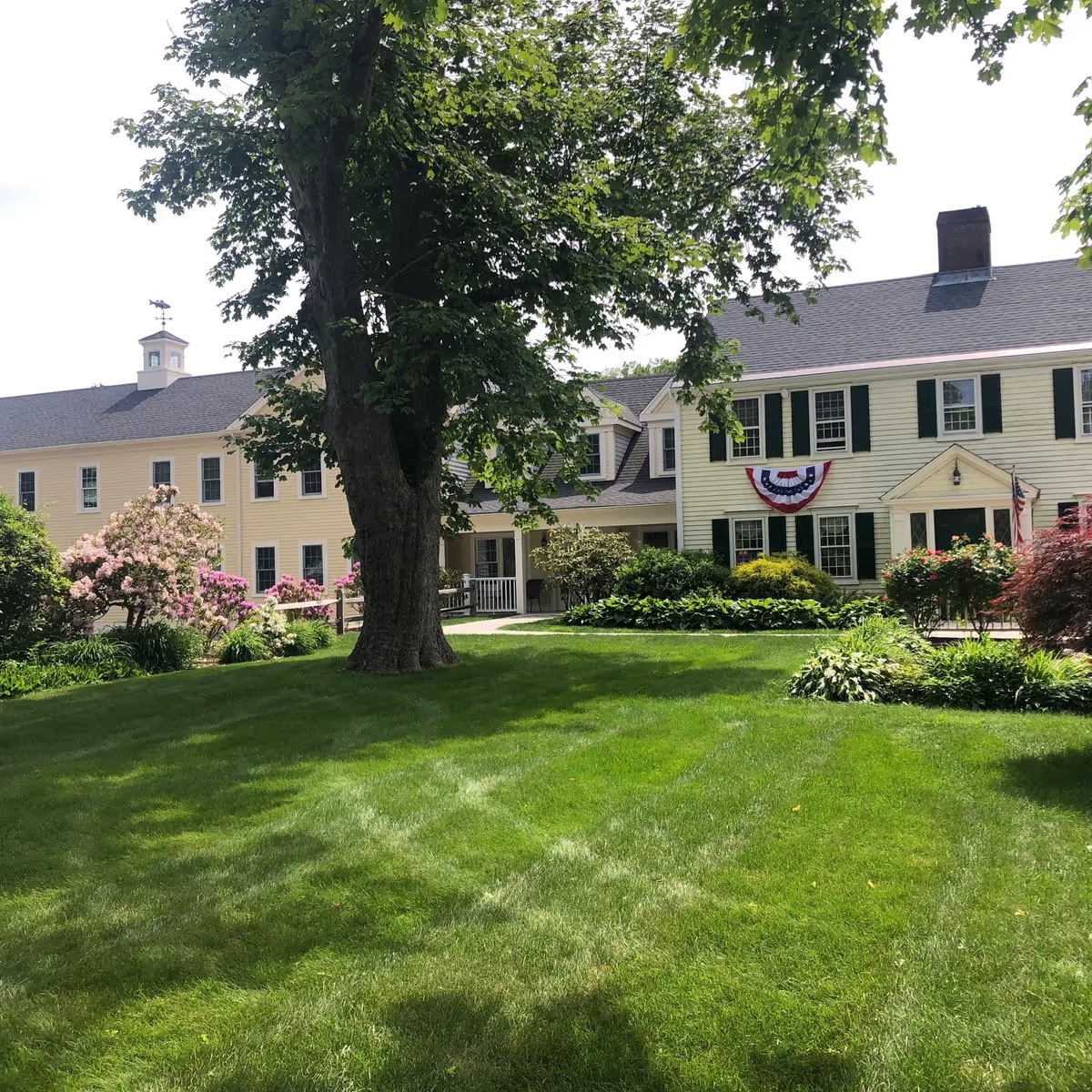
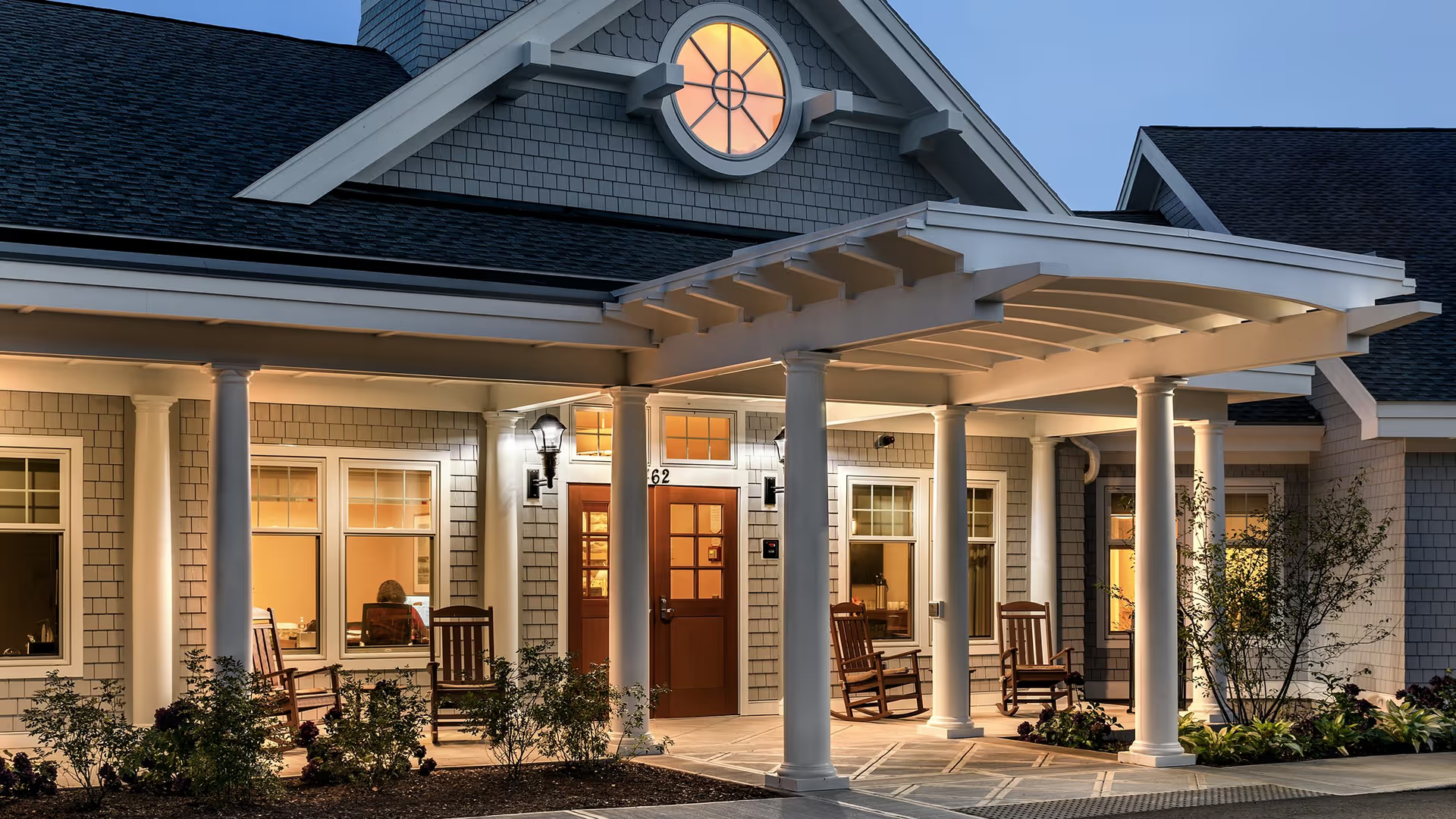
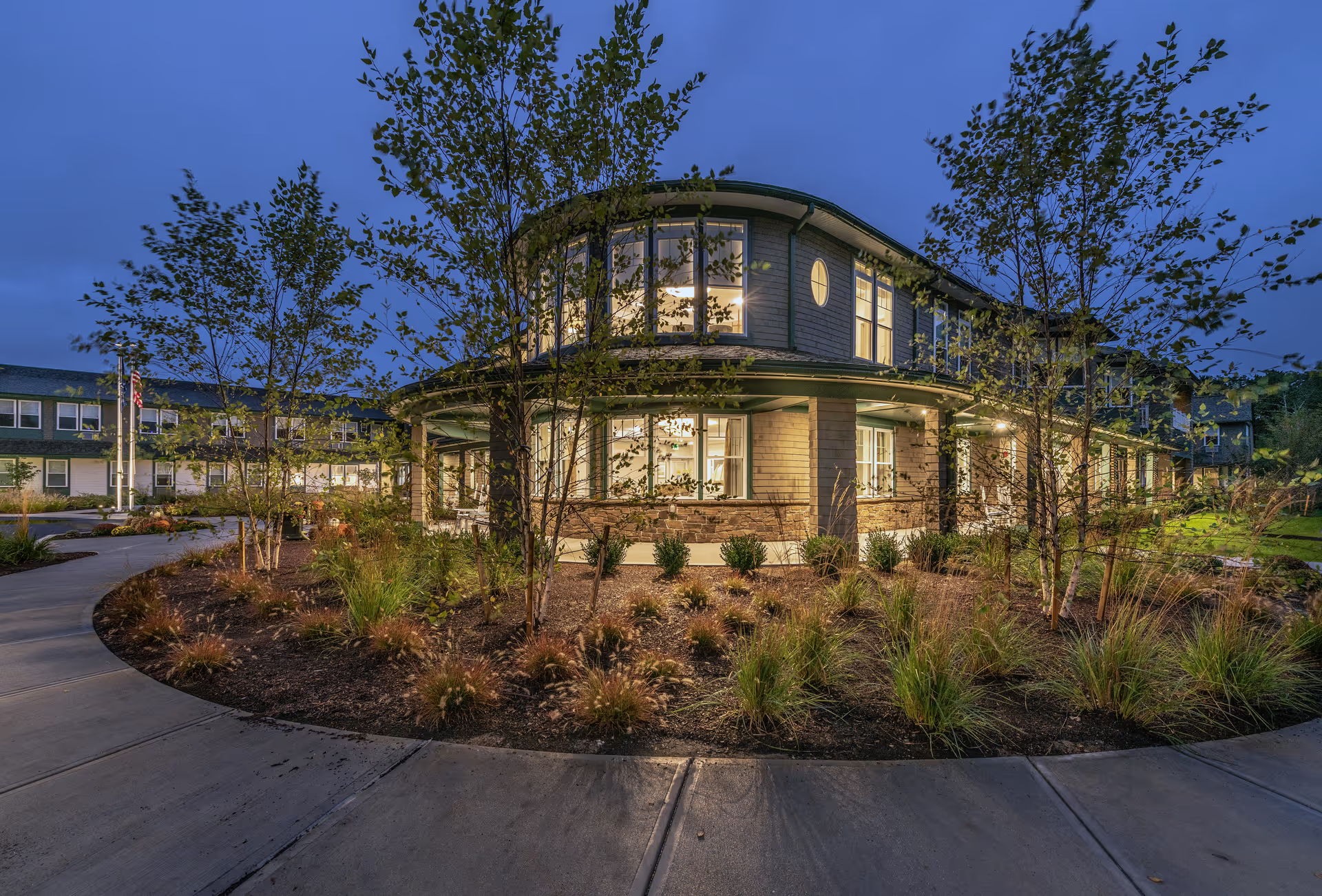
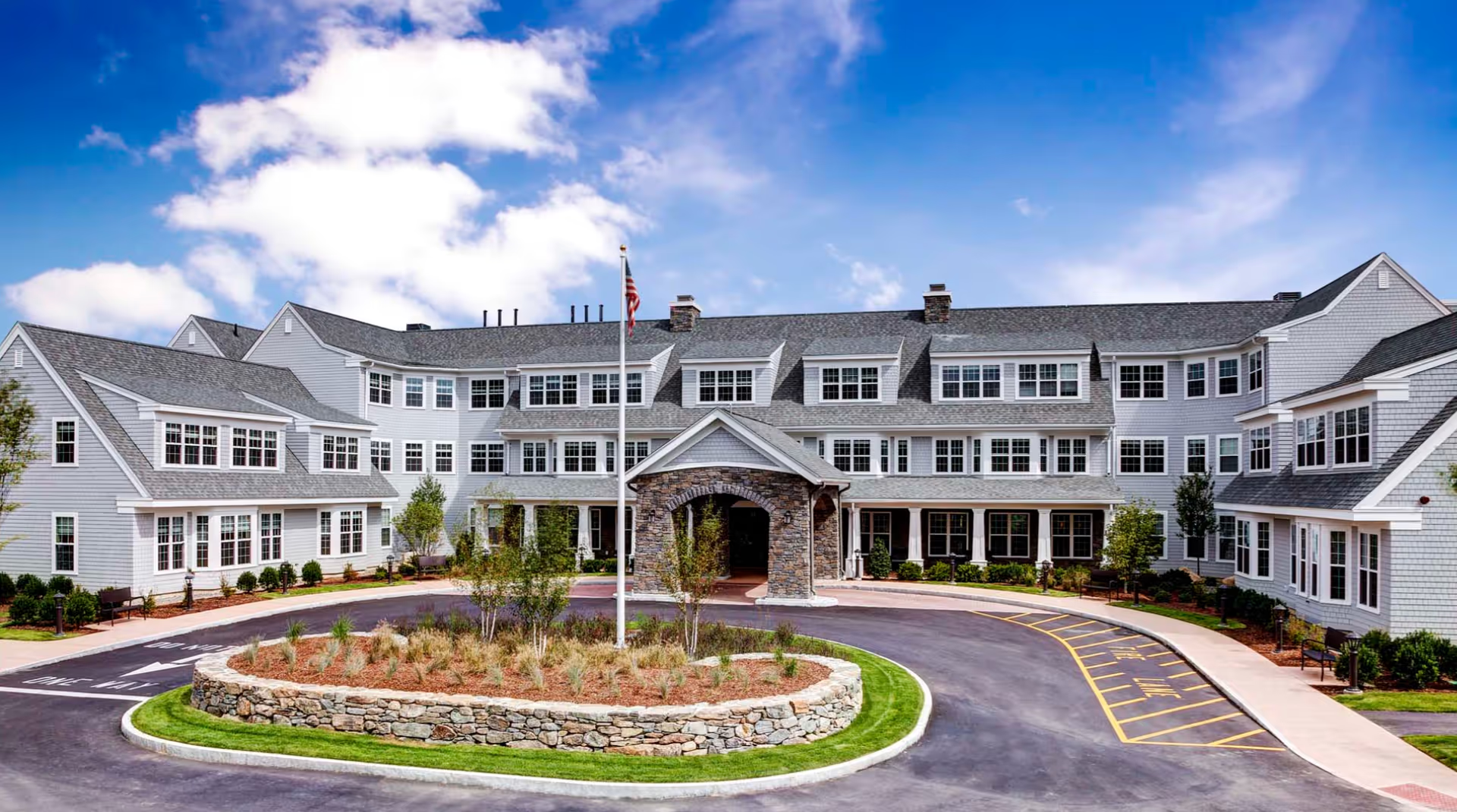
Keystone Place at Buzzards Bay receives substantial praise for its caregiving culture, physical environment, and amenities, while also showing recurring operational gaps that prospective residents and families should evaluate closely. Many reviewers emphasize compassionate, attentive staff who know residents by name, a clean and modern facility design, and a home-like atmosphere. The property’s location near the Cape Cod Canal, multiple on-site amenities (pub, salon, fitness room, theater), and large, bright common areas are repeatedly noted as strengths that support socialization and quality of life.
Care and staffing: Families frequently describe caregivers and nurses as caring and responsive, with examples of staff going above and beyond and providing 24/7 support. That said, there are recurring concerns about communication processes between clinical staff and families — notably delays or inconsistencies in notification about health events, transfer decisions, or lease updates. Reviewers also describe variability in staff professionalism and attention to tasks at times; these observations suggest unevenness in day-to-day conduct or supervisory follow-through rather than a uniform culture problem.
Memory care: The memory-care unit is consistently highlighted as clean, bright, and well laid-out, but programming and engagement in that unit are portrayed as more limited than in independent living. Reviewers indicate fewer activities and less variety for residents in memory care compared with the broader community. Additionally, families raised questions about how medication-management options and clinical procedures are explained; this points to the importance of clarifying clinical protocols, family notification expectations, and staffing ratios for memory-care residents during a tour.
Dining and activities: Dining is a clear relative strength overall — many reviewers praise nutritious, flavorful meals and special-event dining (for example, holiday meals). A number of comments also note occasional inconsistencies in meal-service continuity, especially during staff or chef transitions; prospective families may want to ask about kitchen staffing stability and meal-service procedures. Activities and outings are robust for independent residents, with regular trips, entertainment, and exercise programming; however, activity availability for memory-care residents appears more limited and, in some periods, recovering from pandemic-related reductions.
Facilities and logistics: The building’s new construction, attractive decor, and well-maintained apartments are repeatedly commended. Some apartments are described as large with kitchenettes, though a few reviewers noted smaller bathrooms or layout constraints in specific units. Low occupancy was mentioned in some comments, which can affect community dynamics and available programming during early occupancy phases.
Management and cost: Administrative accessibility is mixed in the commentary. Many families find the general manager and health-and-wellness leadership approachable and responsive; other accounts describe difficulty reaching certain executives or receiving timely follow-up on significant issues. Cost is a consistent consideration — the community is viewed as higher-priced compared with some alternatives, though respite rates were sometimes cited as comparatively favorable.
Notable patterns and recommendations: The dominant positive themes are strong, personable caregiving; clean, modern facilities; varied amenities; and a lively independent-living program. The dominant concerns are operational: inconsistent family communication, gaps in clinical information-sharing (including medication-management explanations), limited memory-care programming, and occasional variability in staff professionalism and meal-service continuity. Families touring Keystone Place should ask specific questions about notification protocols for clinical events, medication-management options, staffing ratios in memory care, dining-service continuity plans, and written lease/termination communication procedures. Those inquiries will help align expectations with the facility’s strengths and identified operational gaps.