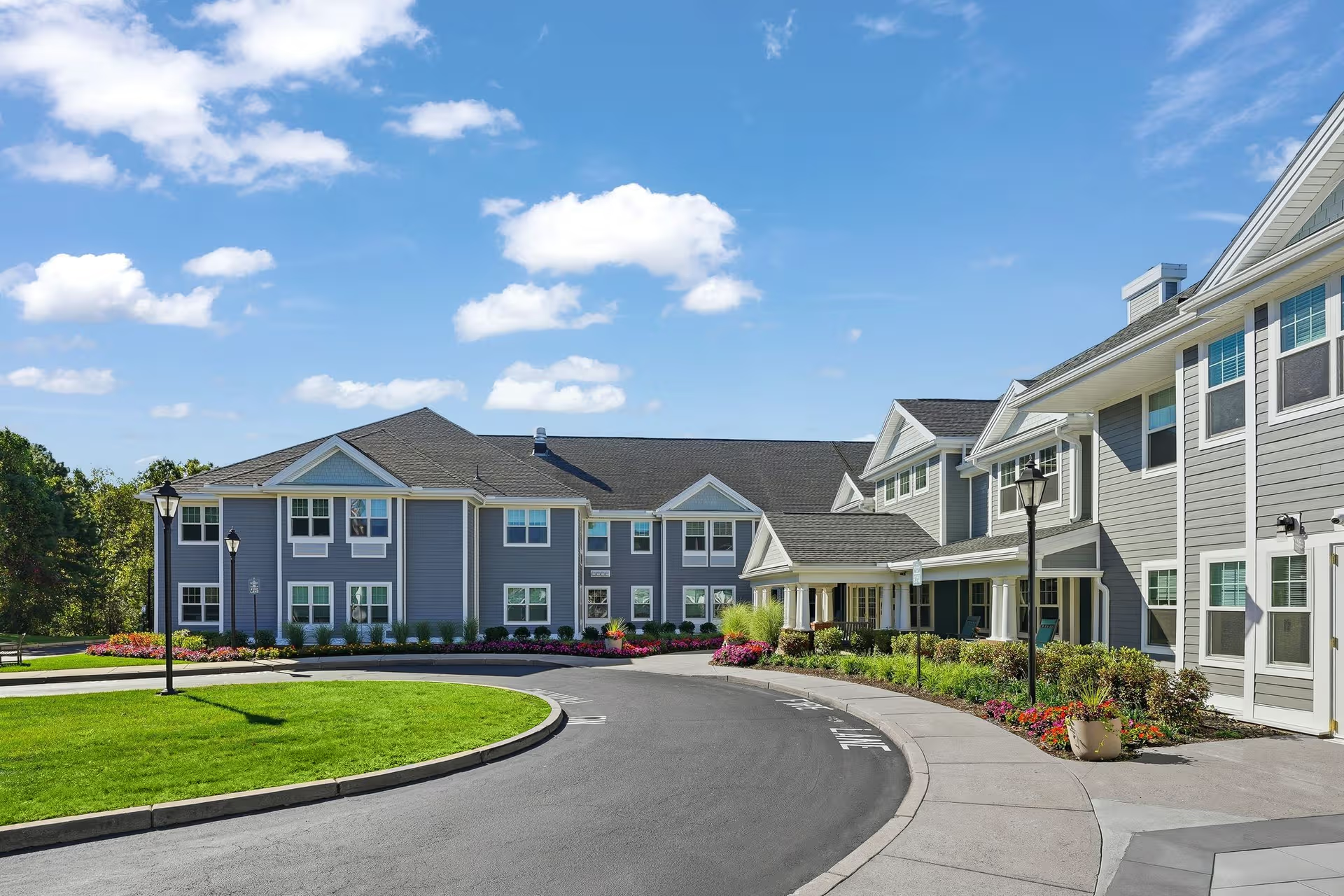
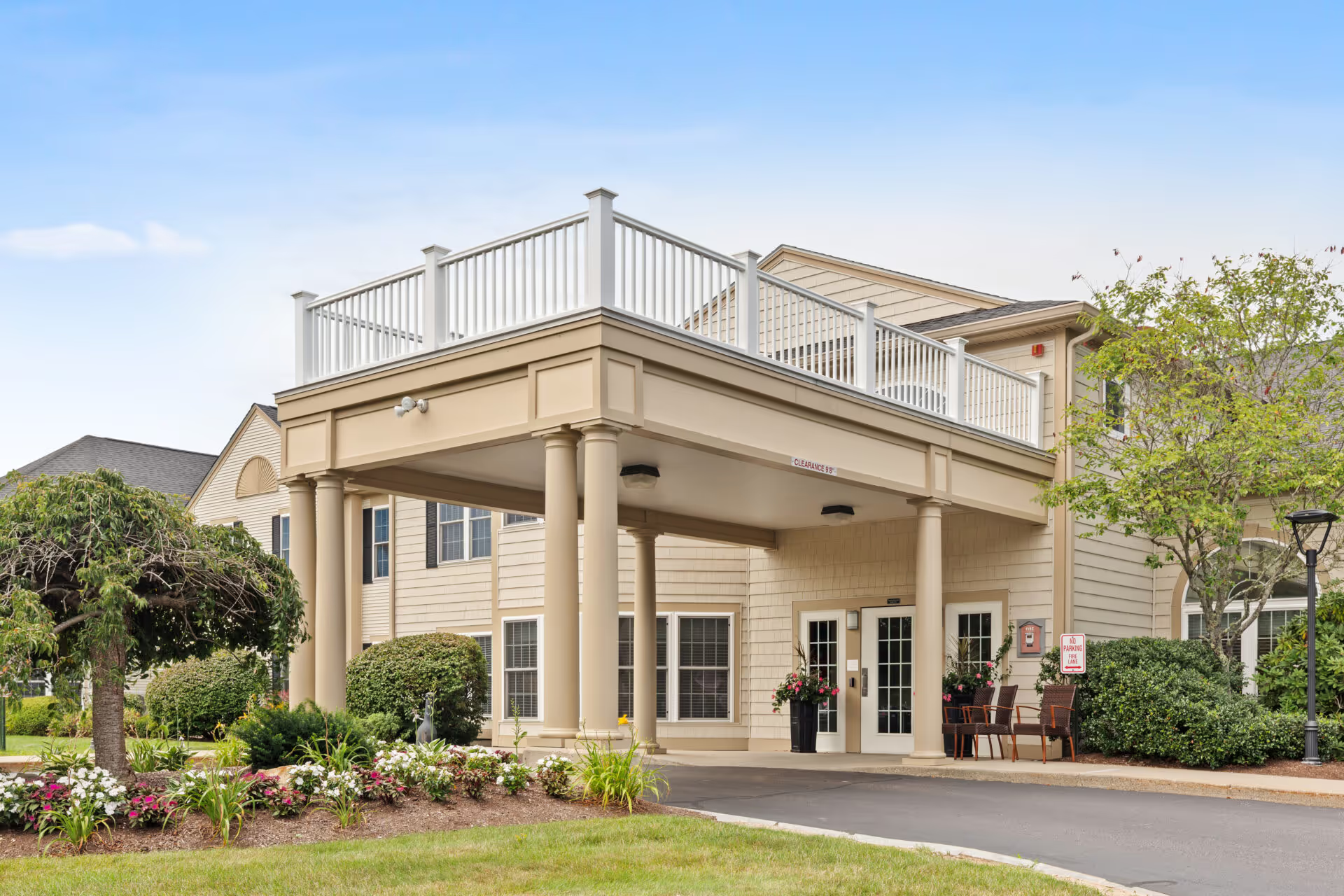
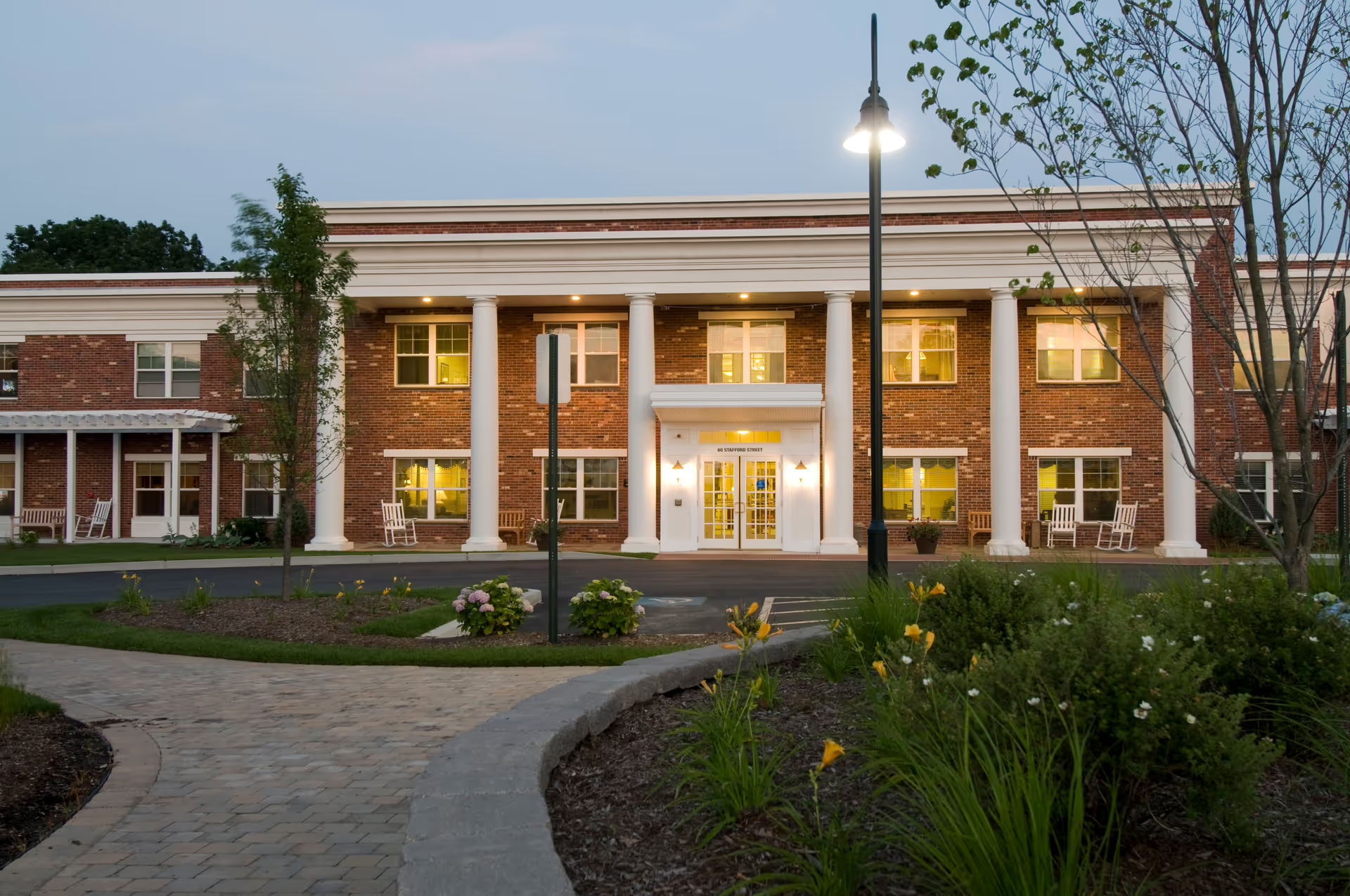
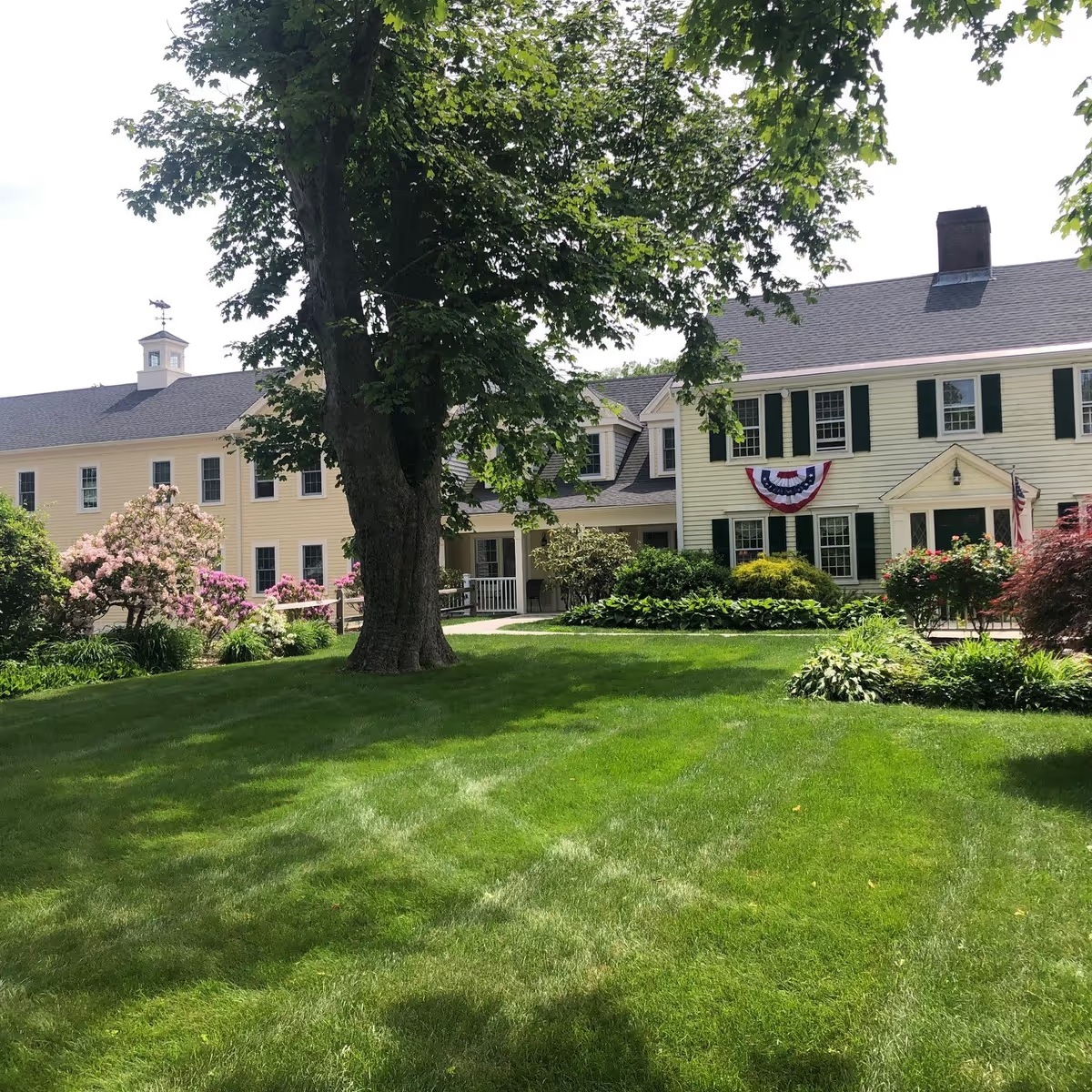
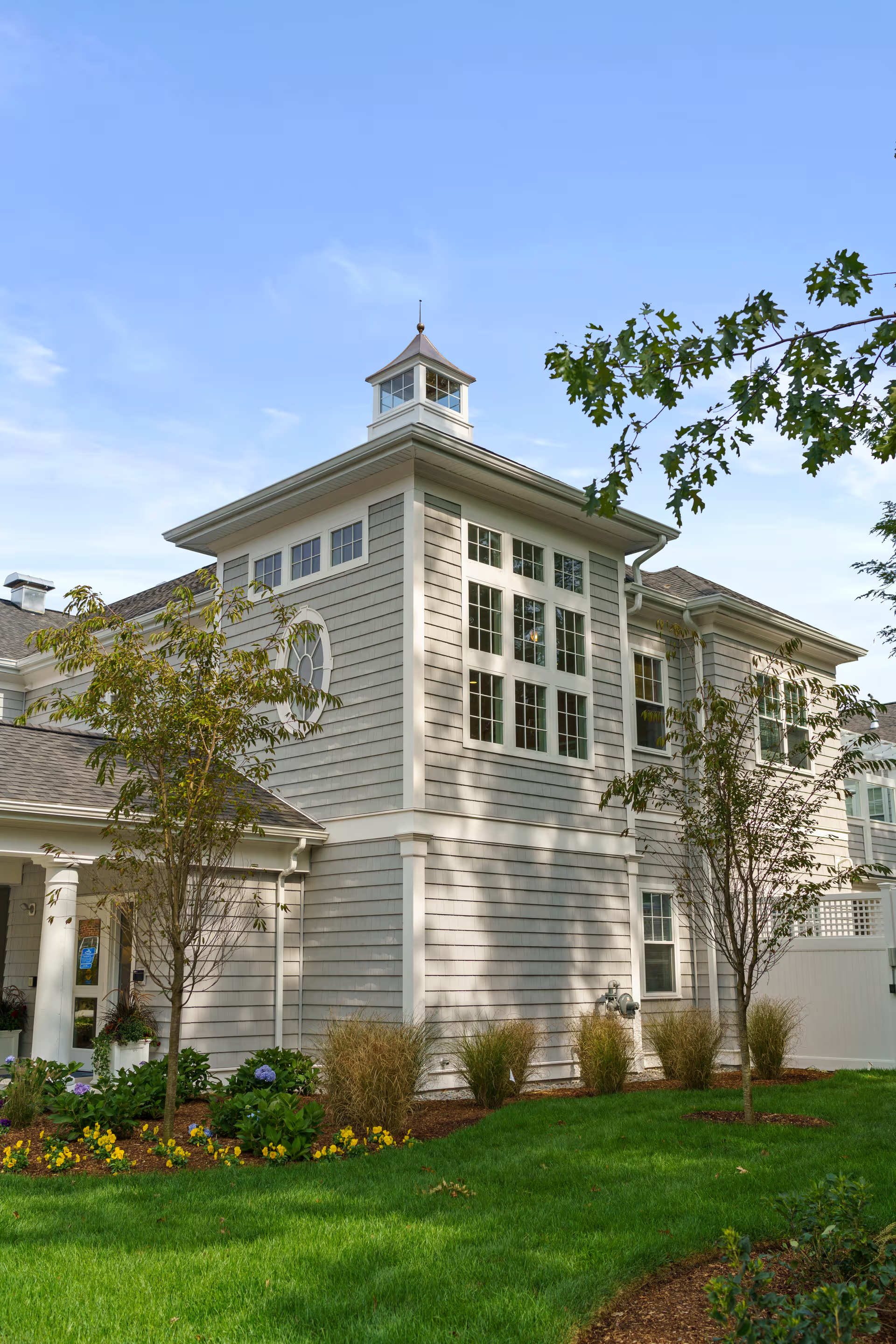
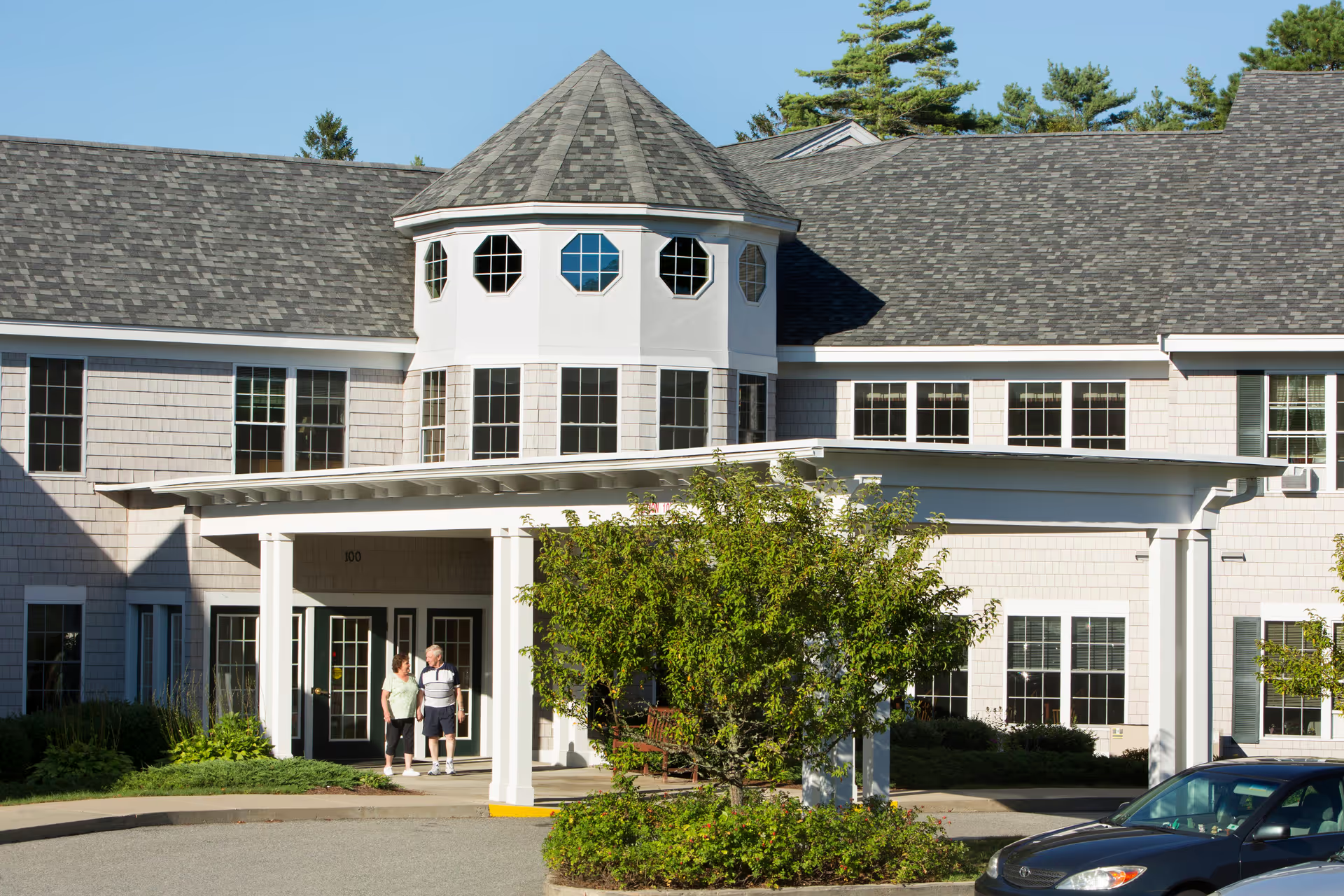
Laurelwood at the Pinehills appears to offer a high‑quality campus in terms of physical plant, dining, and social life for many residents. The community is frequently described as modern, well maintained, and condo-like, with spacious apartments, attractive common areas, and easy access to local trails and village amenities. Many families highlight the benefit of integrated independent, assisted, and memory care on the same campus, which supports an age-in-place model and can provide continuity of care as needs change.
Staff quality is the most consistently cited strength. Numerous reviewers describe compassionate, respectful caregiving, engaged nursing and medication monitoring, and an activities/engagement team that creates a family-like atmosphere. Memory-care programming, including therapeutic approaches such as music-based interventions, receives positive mention, as do on-site rehabilitation services and proactive infection-control practices. Maintenance responsiveness and on-site medical linkage (local hospital access) are also commonly praised.
Dining and household services present a mixed picture. Many residents and families praise the restaurant-style dining, chef-driven menus, large portions, and occasional personalized gestures. At the same time, other reviewers report variability in meal temperature, presentation, and frequency of housekeeping. Laundry handling and housekeeping controls are an operational vulnerability described across reviews — examples include missing or mixed garments and instances of unclean items returned with laundered clothes — indicating inconsistent processes rather than a uniformly systemic failure.
Activities and social programming are strong when delivered: arts, outings, exercise classes, drives to cultural venues, religious services, and transport to appointments are frequently mentioned as contributors to residents’ quality of life. However, there is a recurring theme of uneven fulfillment of marketed promises: scheduled activities, salon services, or weekly church access were sometimes less consistent than expected. This pattern aligns with other operational concerns such as staffing variability and occasional front‑desk or administrative turnover, which reviewers link to service interruptions or communication gaps.
Management and admission practices draw both praise and critique. Many families commend responsive leadership, thoughtful onboarding, and warm coordination at move‑in. Conversely, several accounts describe a strong sales emphasis during the admission process, questions about billing transparency and add-on fees, and intermittent lapses in administrative empathy or follow-through. Prospective residents should therefore verify staffing ratios, ask for current activity calendars and housekeeping/laundry protocols, and request clear written explanations of fees and billing practices.
In summary, Laurelwood at the Pinehills offers a well-appointed campus with many operational strengths: committed caregiving staff, robust social programming when staffed, attractive dining for many residents, and integrated care pathways. The prominent cautions are operational consistency: housekeeping and laundry controls, meal-service reliability, staffing stability, and administrative transparency. Families considering Laurelwood will likely benefit from targeted questions about those operational areas and from observing current staffing and scheduled programming during a visit to confirm that the community’s strengths match their expectations and care needs.