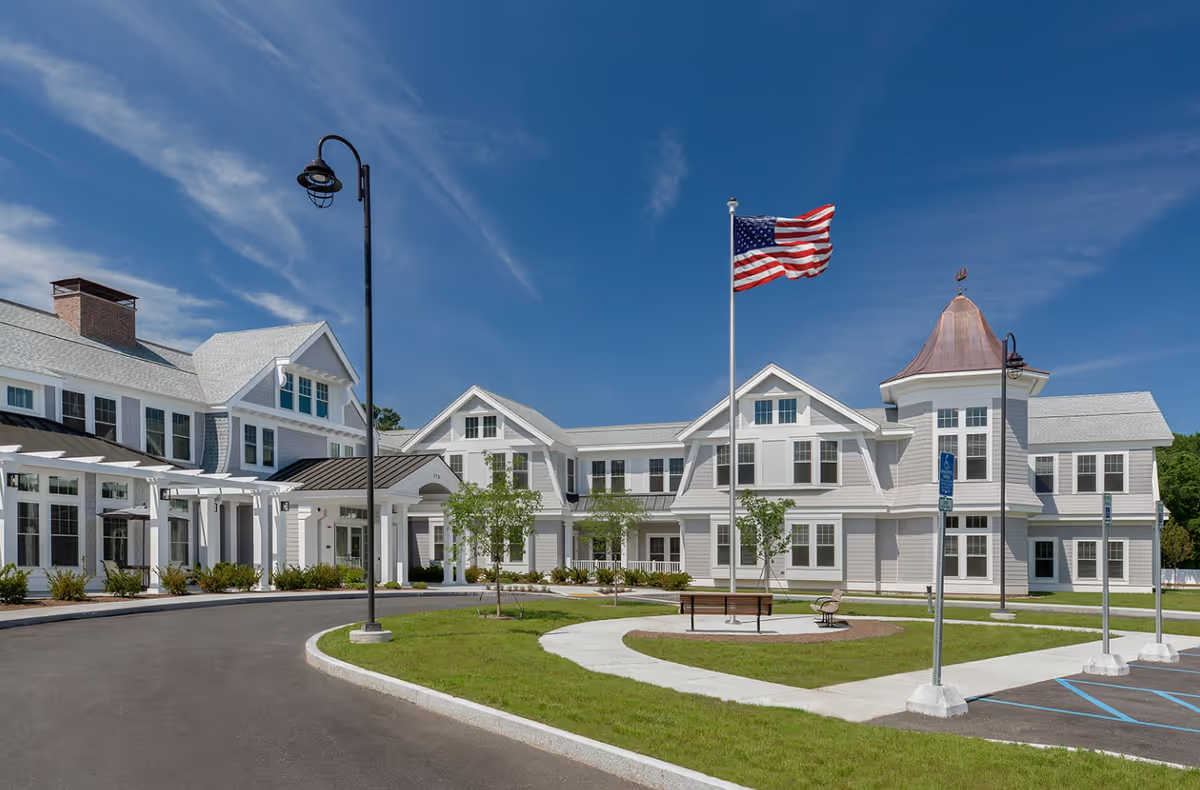
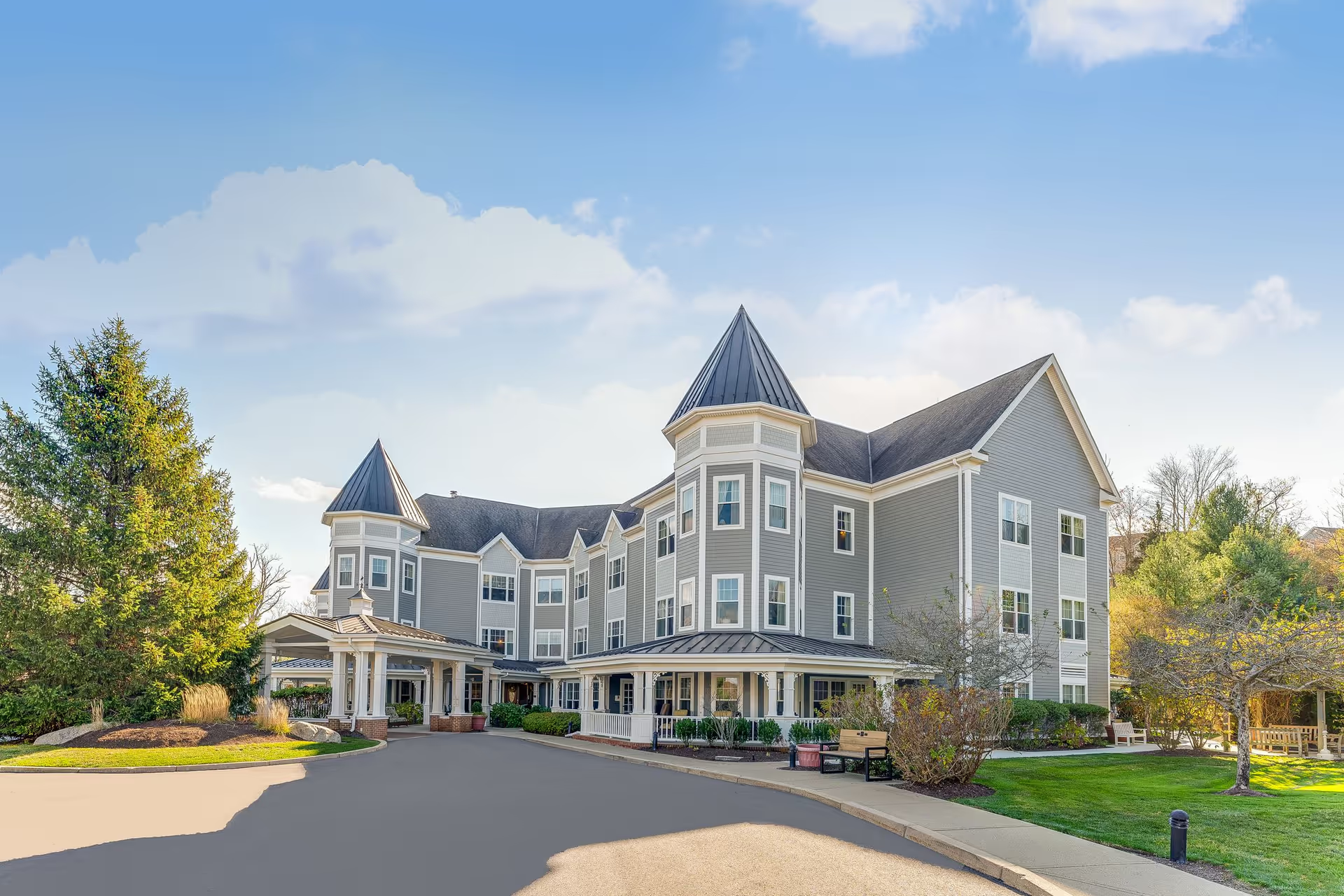
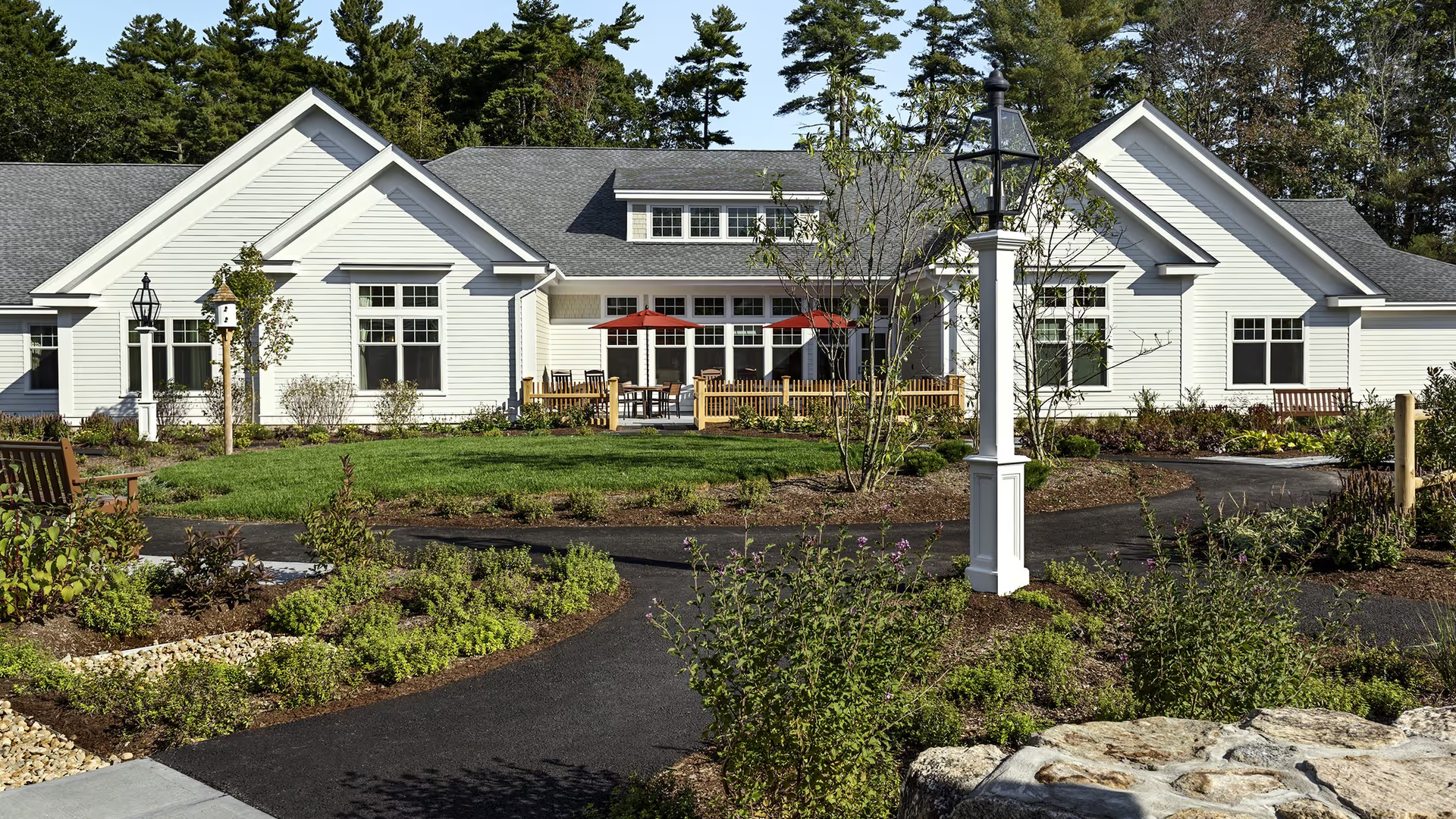
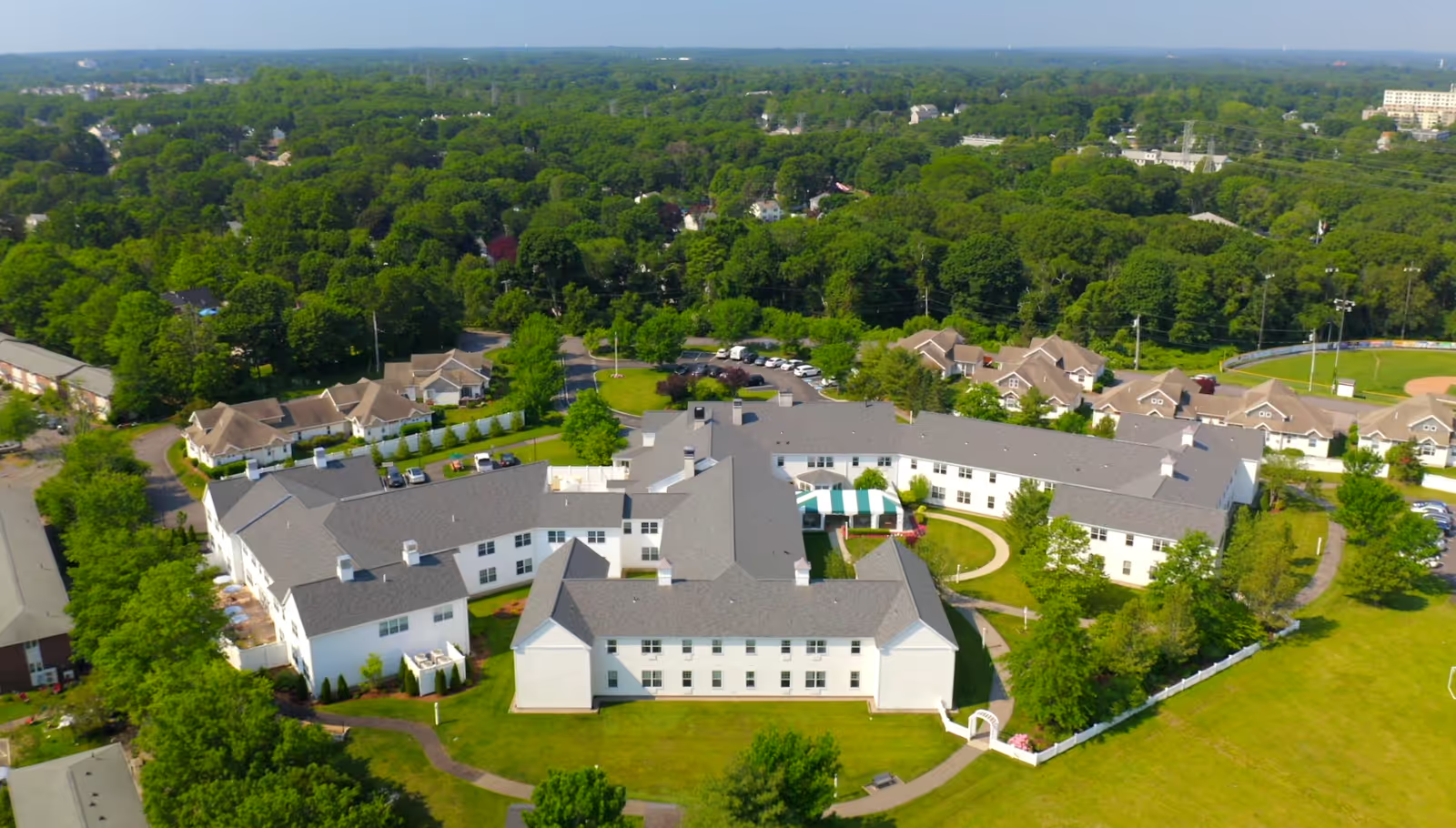
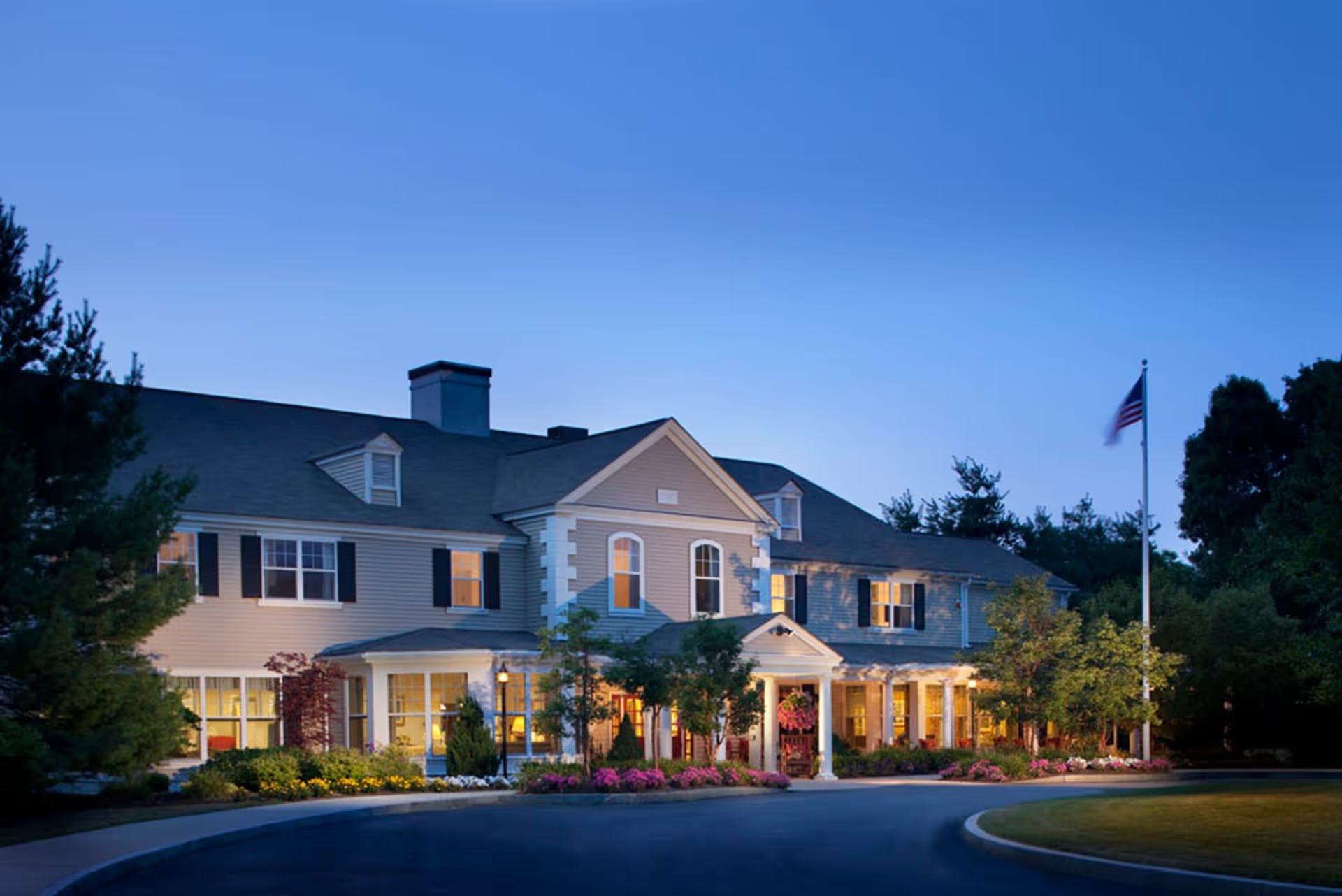
Feedback about Royal Norwell Nursing and Rehabilitation is markedly mixed, with strong positives in therapy, dining, cleanliness, and a caring culture balanced against recurring operational and communication concerns. Many accounts describe professional, attentive nursing and therapy teams that support successful rehabilitation and transitions home; reviewers consistently praise physical therapy, occupational therapy, respiratory care, and therapists who prepare residents for discharge. Private rooms, ample natural light, a well-lit atrium and garden, and a generally clean environment are cited as facility strengths that contribute to a comfortable, home-like setting.
Dining and programming are repeatedly highlighted as assets. The kitchen and dining staff receive positive comments for food quality and special events (breakfasts, ice cream socials, dining events), and activity programming (movies, bingo, tie-dye, music, and other social events) appears to be robust and engaging for residents. Housekeeping and maintenance responsiveness are also noted positively, supporting the facility’s overall presentation and day‑to‑day comfort.
At the same time, recurring operational weaknesses emerge. There are consistent descriptions of uneven clinical oversight — particularly concerning fall monitoring and supervision — and examples of delayed clinical responses, including delays in pain management. Documentation and medication-administration issues are mentioned, as are lapses in property and laundry management (misplaced or mixed clothing and personal items). Understaffing and frequent staff or leadership turnover are described as contributors to these gaps, which in turn affect timeliness of care and continuity.
Communication and conduct are other notable areas of concern. Families describe gaps in routine communication about transfers, clinical changes, and care plans; some accounts also raise concerns about staff tone and conduct and indicate language or cultural barriers with certain staff members. There are reports of escalated incidents that prompted external involvement and an investigation; these issues point to weaknesses in incident-response, accountability processes, and family notification procedures.
Taken together, the pattern is of a facility with substantial strengths — particularly in rehabilitation services, dining, activities, and several dedicated staff members who create a family-like atmosphere — coupled with variable reliability in clinical processes, staff consistency, and management communication. Prospective residents and families valuing strong therapy programs, engaging activities, and private, comfortable rooms may find Royal Norwell meets those needs; those prioritizing consistently documented clinical oversight, stable leadership, and tightly managed property/medication processes should seek specific, documented assurances about staffing levels, fall-monitoring protocols, incident-response procedures, and property-management practices during their tour and care-planning discussions.