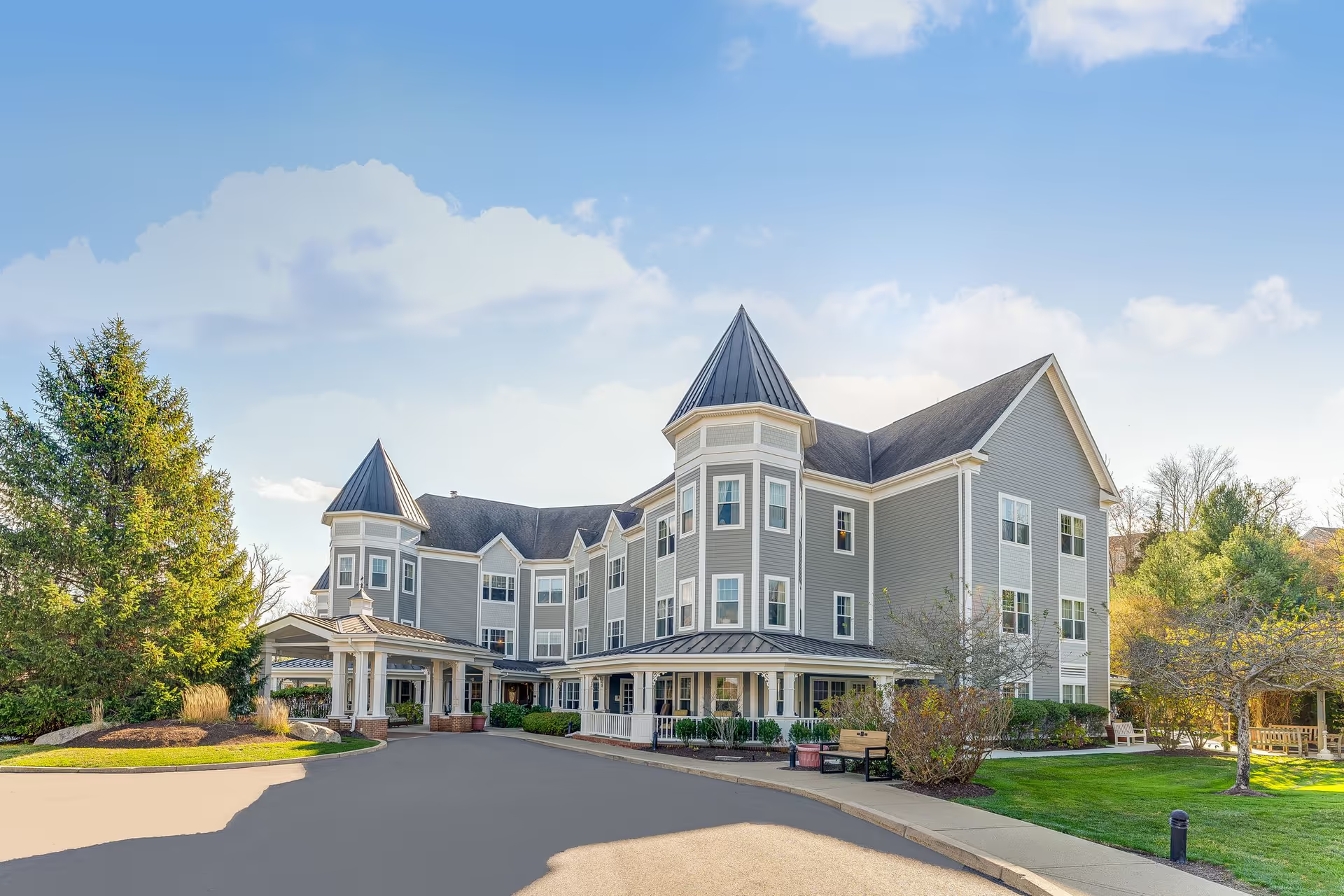
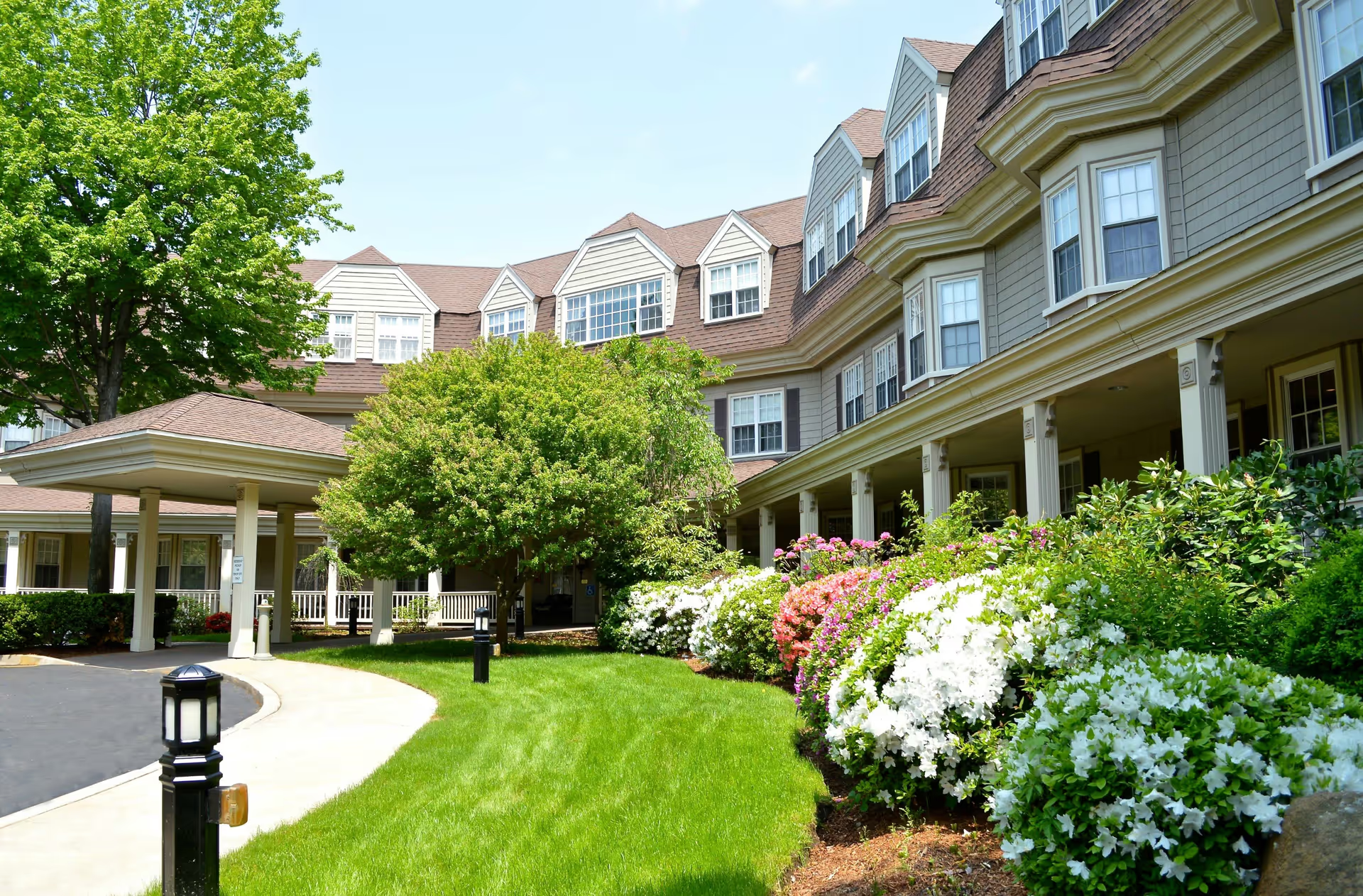
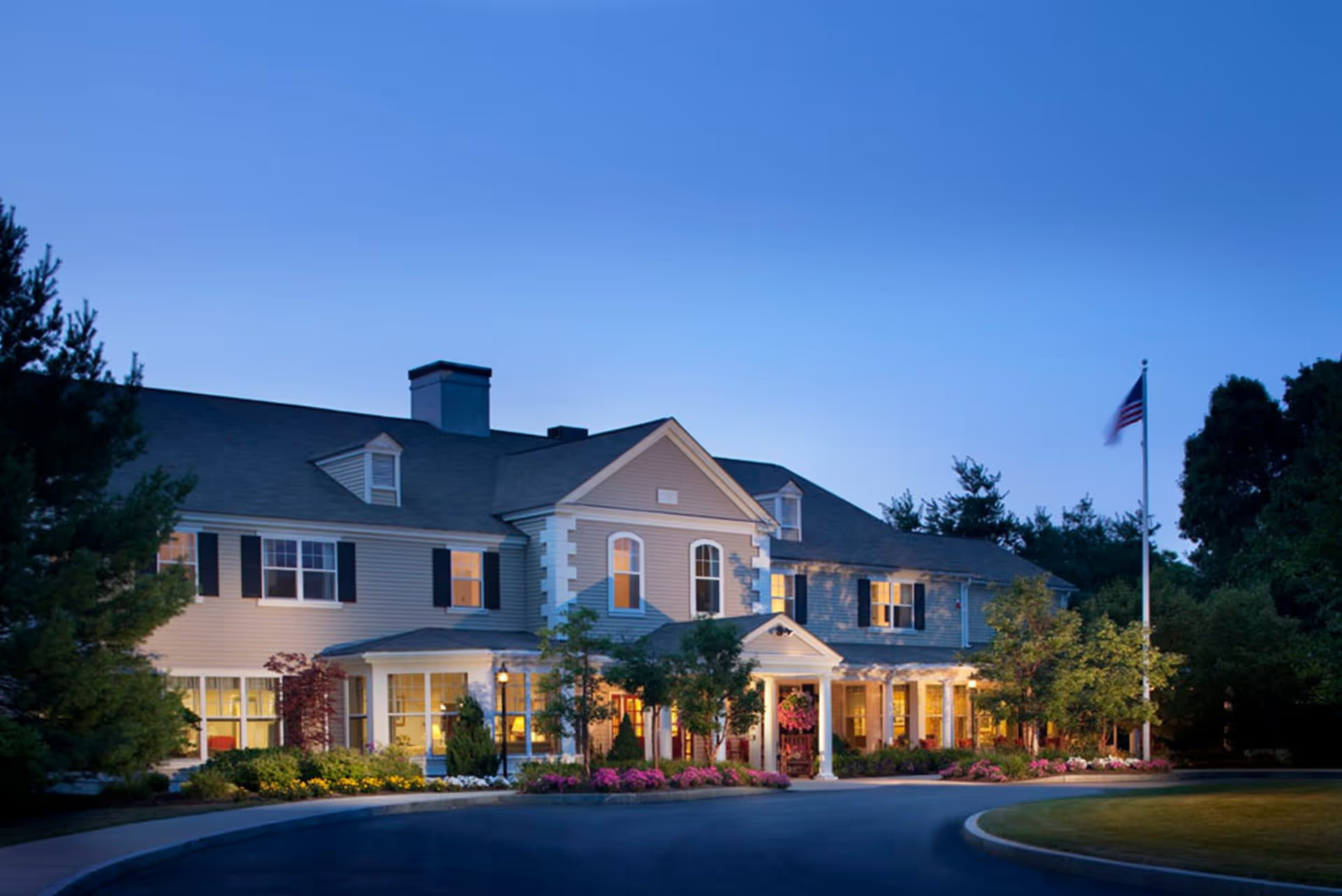
Overall impression: Reviews present a polarized but informative picture. Many families and residents describe Southwood at Norwell as a clean, attractive, and generally well-run facility with particularly strong clinical rehabilitation services and compassionate direct-care staff. At the same time, a subset of accounts highlights operational and management weaknesses that can materially affect day-to-day resident experience. Prospective residents should weigh both the positive commonalities (skilled therapy, engaged staff, active programming) and the recurring operational issues (staffing variability, communication gaps) when visiting.
Care and staff: A dominant theme is praise for individual caregivers, including nurses, CNAs, and therapists who are described as attentive, compassionate, and skilled—especially in rehabilitation and therapy follow-through. Several named staff and admissions personnel were singled out for helpfulness and strong communication with families. However, reviewers also describe inconsistent staffing coverage, intermittent absences of staff in units, and variability in professional conduct and communication tone. These patterns translate into uneven experiences: some families report excellent, personalized care and frequent updates; others describe delays in attention, concerns about responsiveness, or staff interactions perceived as dismissive. A limited number of serious clinical concerns were raised, indicating potential gaps in escalation and incident response that families should probe during a tour and admission discussion.
Dining and nutrition: Opinions about dining are mixed. Many reviews praise fresh meals, varied menu cycles, and attractive dining spaces, while others describe limited menu choices, unappetizing preparations for certain items, and inconsistent meal-service details. Nutritionist involvement and fresh fruit offerings were noted positively in some accounts. Given the variability, prospective residents should inquire about current menus, accommodations for picky eaters, seasoning preferences, and how special dietary needs are handled.
Activities and therapies: The facility receives consistent positive comments for activity programming and social engagement. Reviewers describe busy activity calendars with bingo, music nights, movies, visits (including animal visits), and other daytime programs. Therapy services are frequently described as robust—often with daily sessions and tangible functional gains—though scheduling coordination for therapy sessions or activities was identified as an area for improvement.
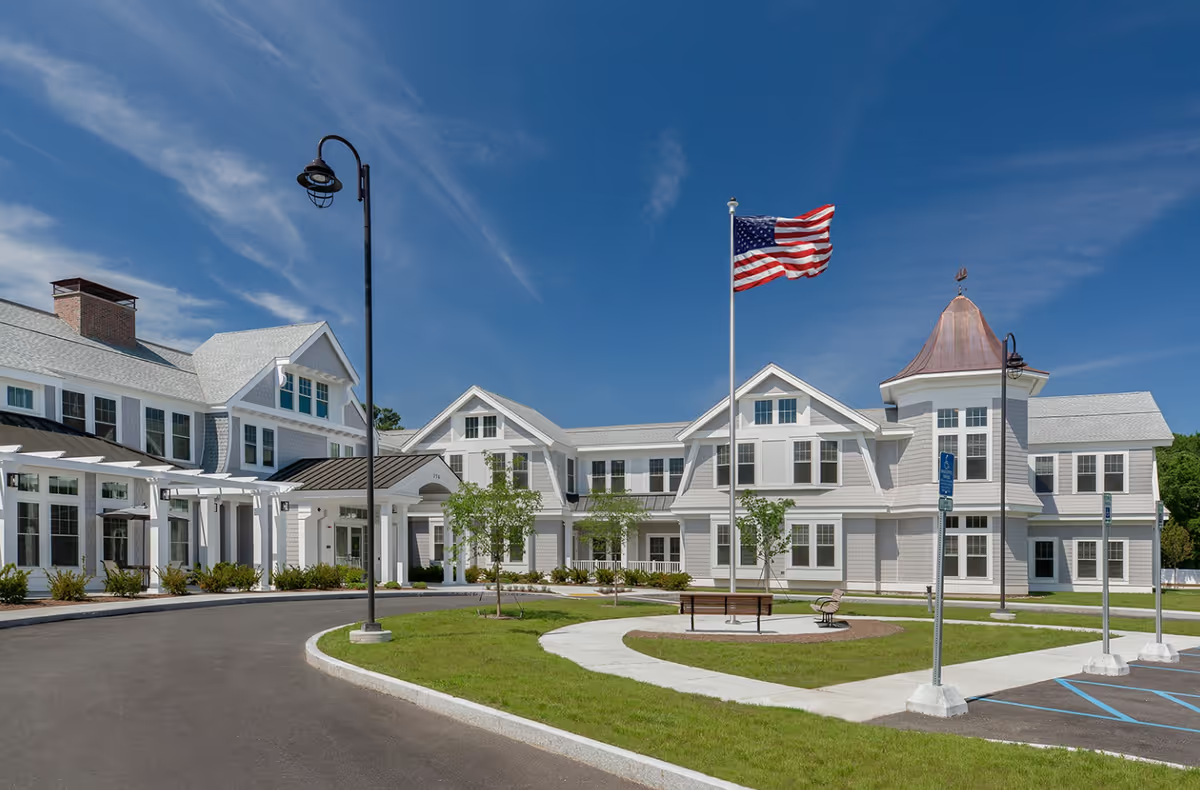
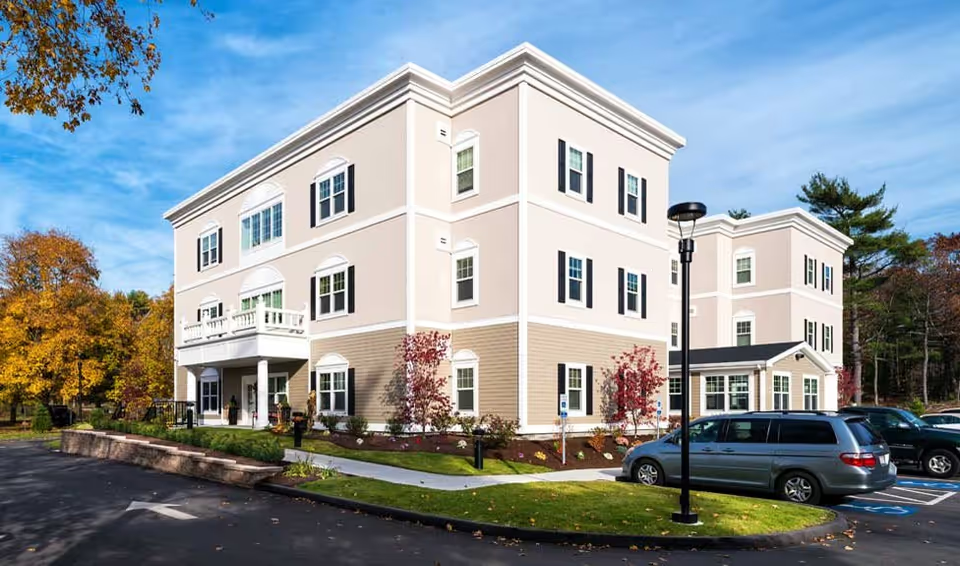
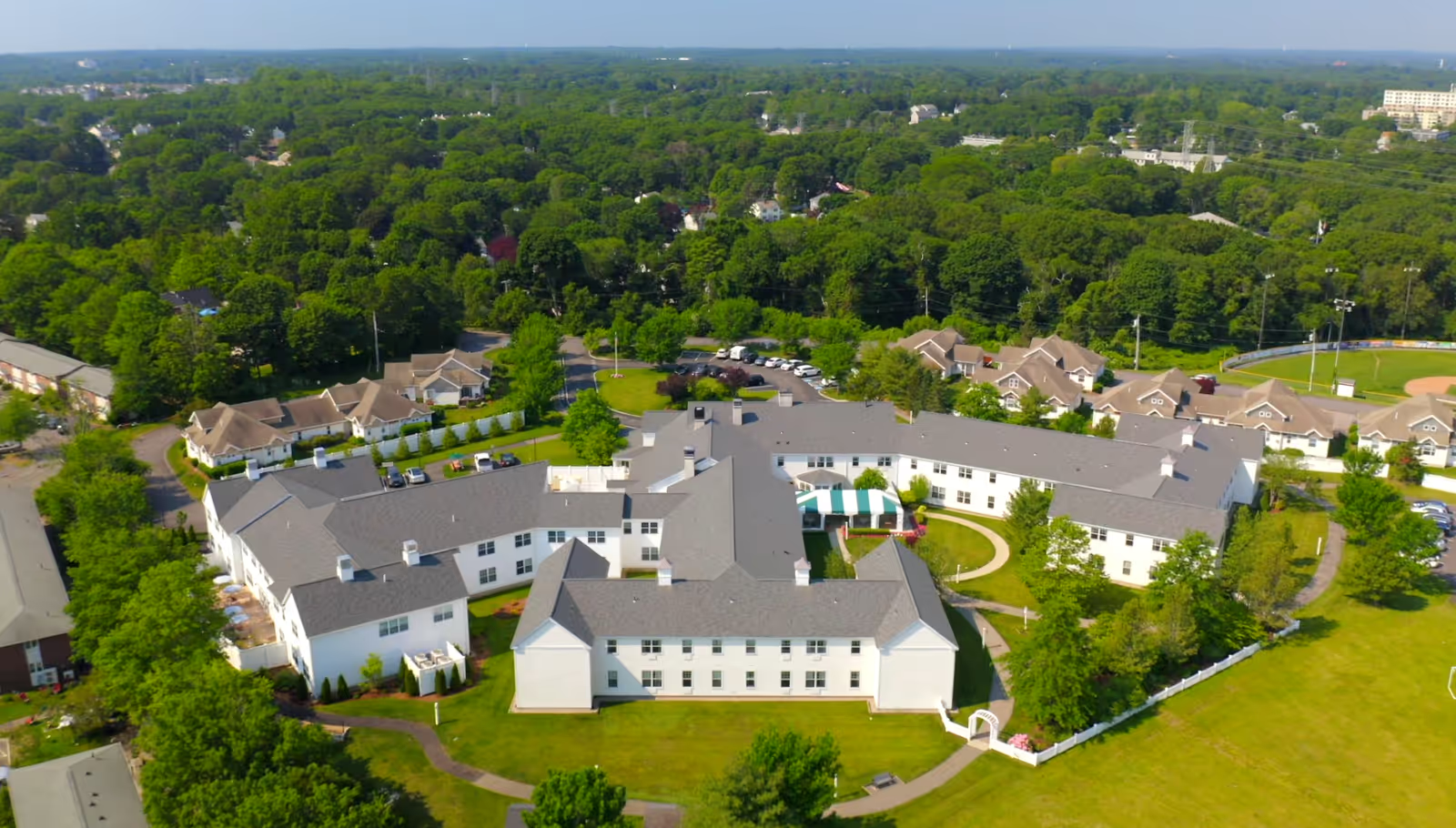
Facilities and cleanliness: Many accounts describe a well-kept, hotel-like environment with attractive décor, spacious rooms, and pleasant outdoor areas. Thorough housekeeping and generally odor-free units are commonly cited. That said, there are intermittent cleanliness and sanitation concerns reported for some common areas and specific units, including sticky surfaces and localized odor issues. A few reviewers raised pest-control concerns in particular units. These mixed observations suggest facility condition may vary by unit and over time; an on-site inspection of the specific unit of interest is recommended.
Management, communication, and safety: Administrative responsiveness receives praise in multiple reviews—particularly from families who worked with specific admissions staff—yet other reviews describe inconsistent leadership presence, disjointed operations, nonfunctional phone lines, and case management variability. Security and asset-protection vulnerabilities (missing personal items) and lapses in infection-control during outbreak situations were also described. These themes point to variable operational reliability: while staff-level care is often strong, systemic processes (communication systems, incident escalation, case management consistency, and asset controls) appear uneven.
Notable patterns and takeaways: The facility elicits strongly positive experiences when staffing is stable and specific caregivers are engaged; conversely, many negative experiences cluster around understaffed periods, unit-level management gaps, and failures in clinical escalation or communication. Rehabilitation and therapy are consistent strengths. Dining and activities generally add value but show variability in execution. For families considering Southwood at Norwell, recommended due diligence includes touring the specific unit, asking about current staffing ratios and infection-control protocols, reviewing the dining menu cycle and dietary accommodations, clarifying phone/communication pathways for family updates, and discussing procedures for personal-item security and incident escalation.