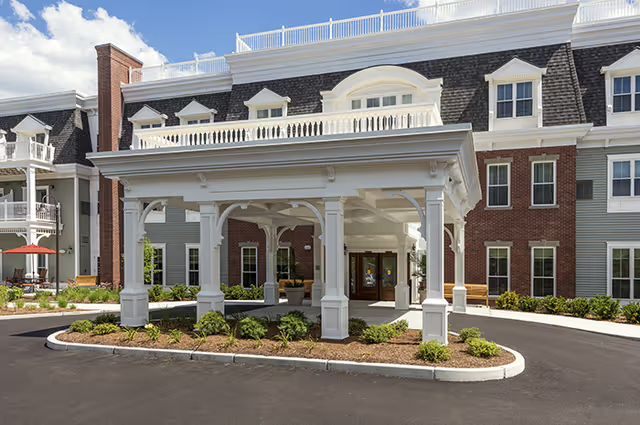
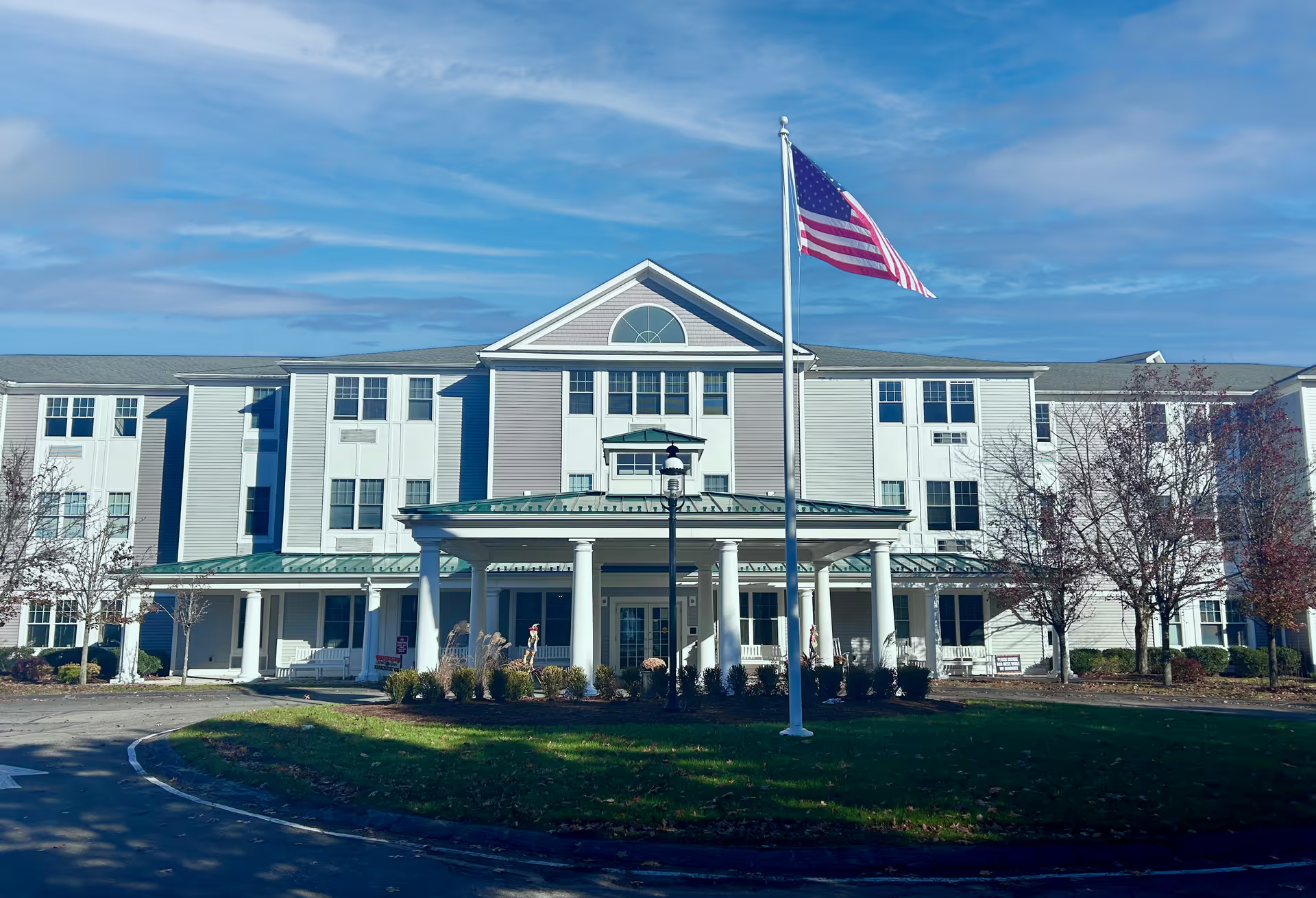
Overall impression: Reviews describe Sunrise of Norwood as a warm, home‑like community with a number of operational strengths and several recurring concerns. Many families highlight dedicated, long‑tenured staff and a well‑maintained historic building and grounds that create a residential atmosphere rather than an institutional one. Dining, social programming, and facility aesthetics are frequent positives; conversely, cost, variability in clinical capability, and intermittent operational gaps are recurring themes.
Care quality and staff: Caregiving and nursing teams receive frequent praise for compassion, attentiveness, and clinical skill. Numerous accounts describe staff who know residents by name, provide proactive updates, and support rehabilitation goals (speech, mobility). At the same time, reviewers describe variability in responsiveness to urgent requests (delays answering call bells or slow assistance at times) and uneven follow‑through on care plans. The facility appears capable of effective assisted‑living level care for many residents, but several families identified limitations when residents required higher‑acuity skilled nursing or intensive clinical oversight.
Dining and meals: Dining is a clear relative strength. Reviews note varied menus, attractive dining rooms and bistro options, in‑room service availability, and dining as a positive social experience that improved mood and weight for some residents. A few comments indicate the food could be improved or was inconsistent in quality, but the dominant theme is that meal service and staff awareness of preferences are well managed.
Activities and social engagement: The community offers a broad range of activities — arts programs, music, group sing‑alongs, outings, and scheduled events — and these are cited as meaningful contributors to residents' social life. Therapy and organized outings are described as producing measurable benefits. Memory‑care programming receives mixed feedback: the general community program is active and varied, while activity frequency and the level of engagement in designated memory‑care units are described as inconsistent in some accounts.
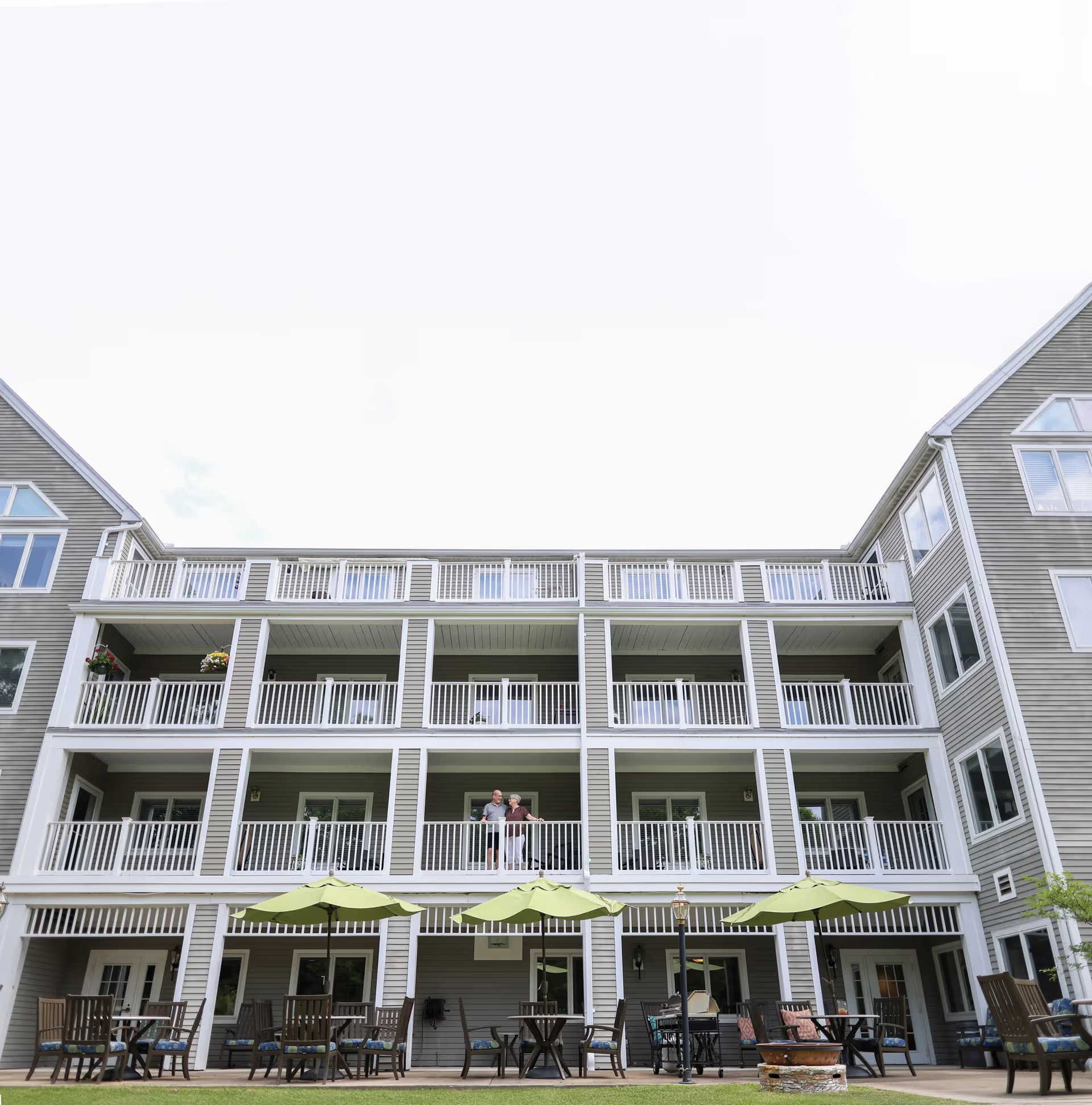
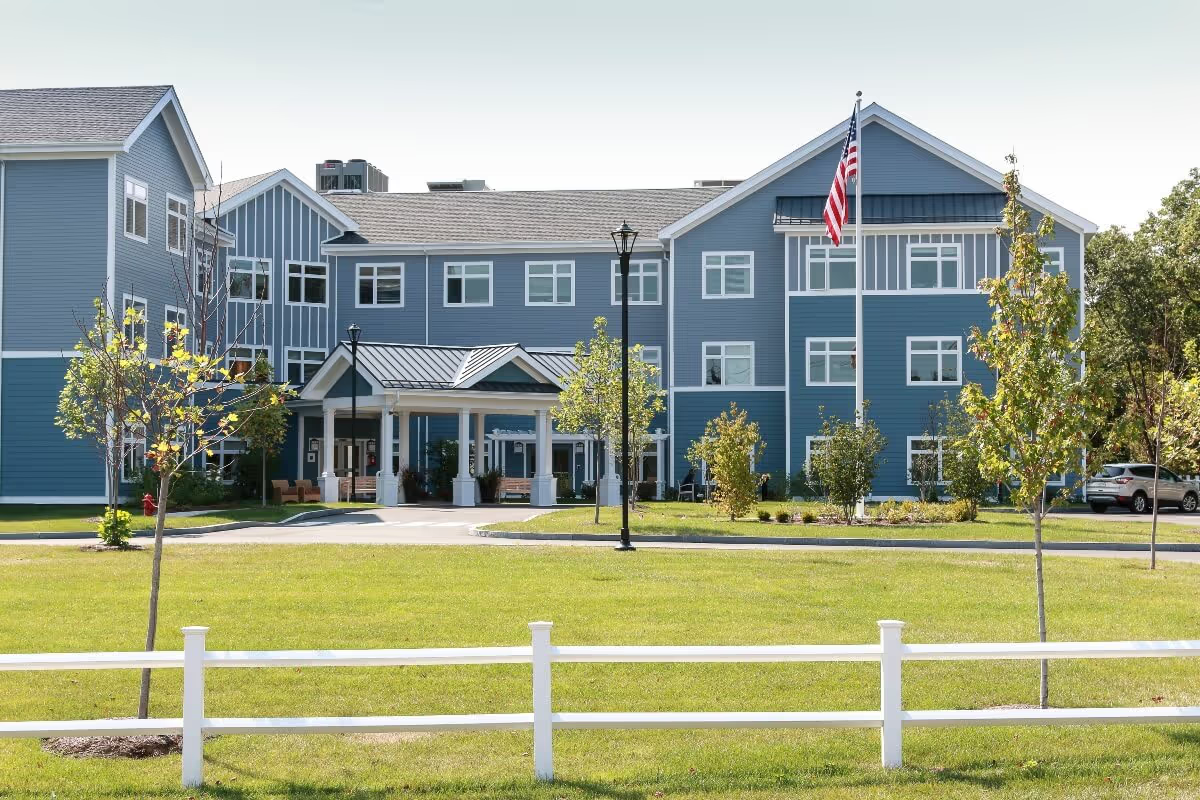
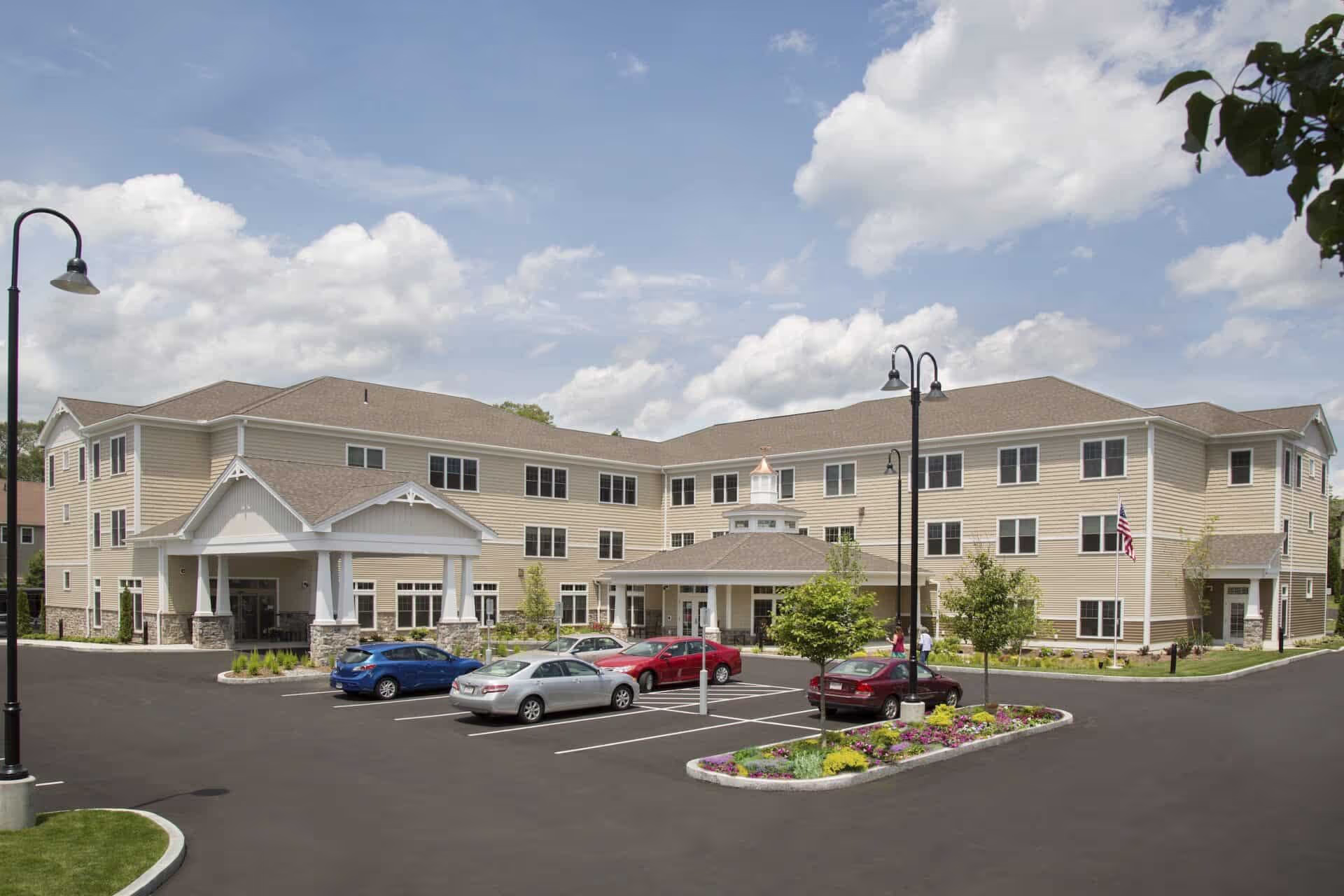
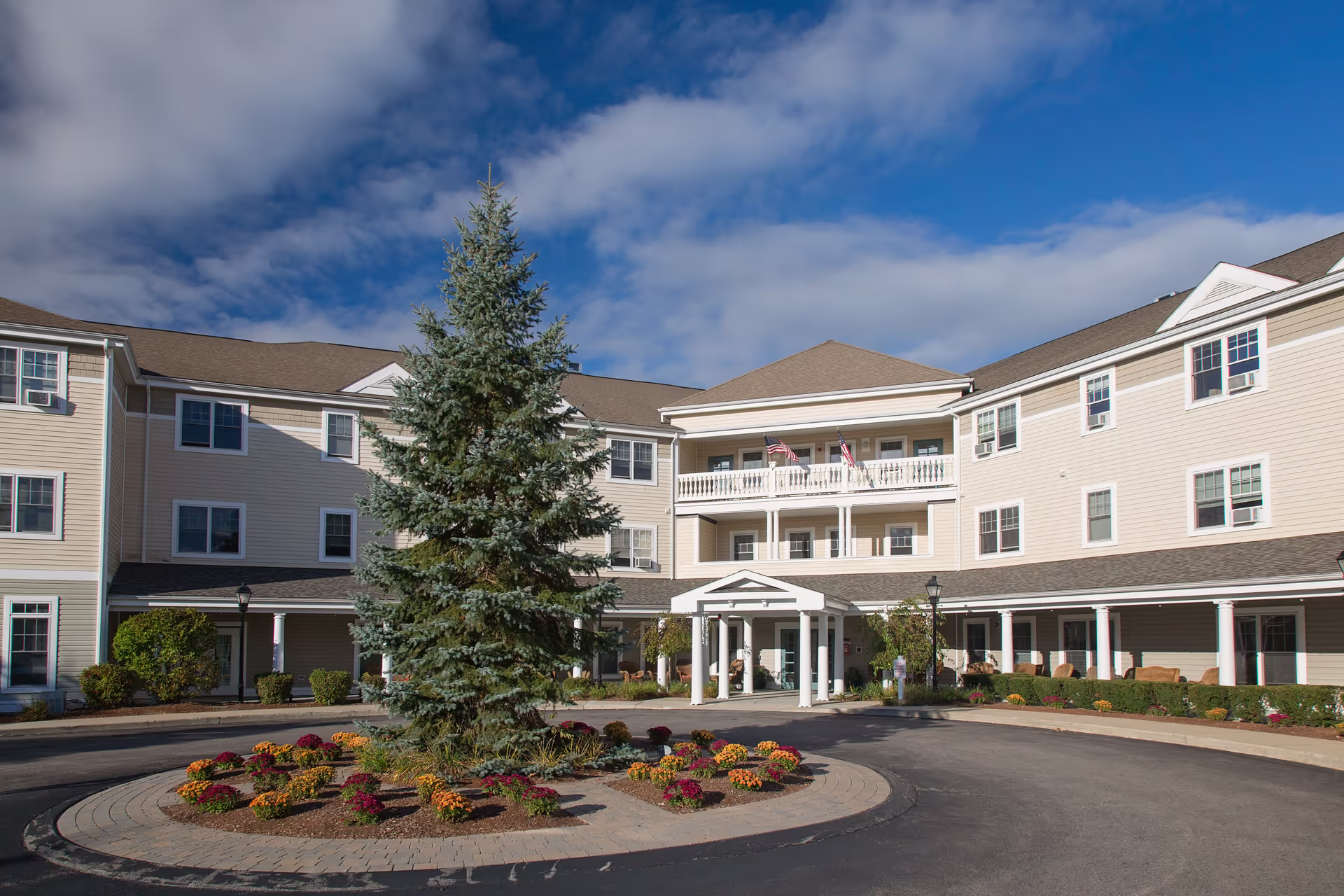
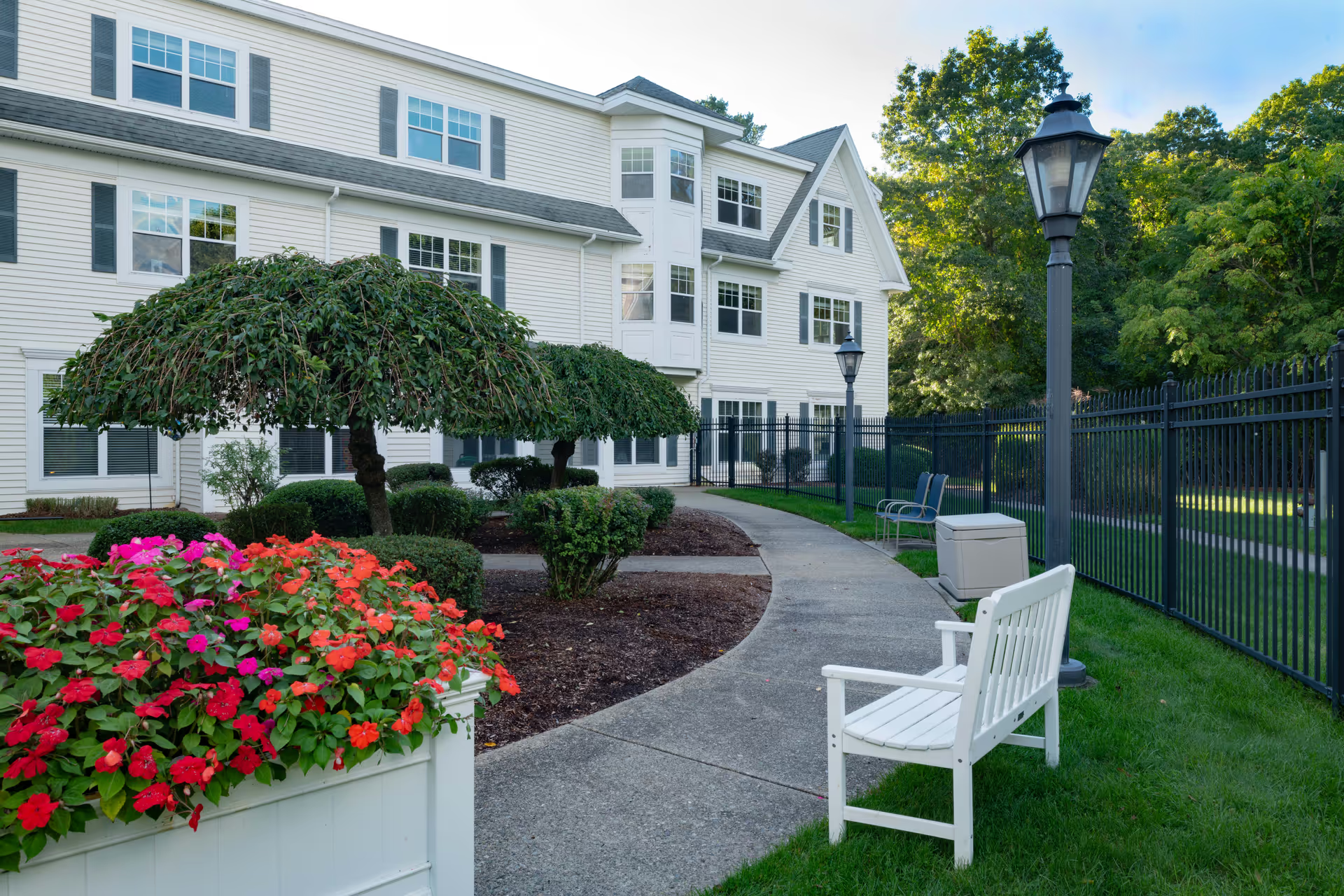
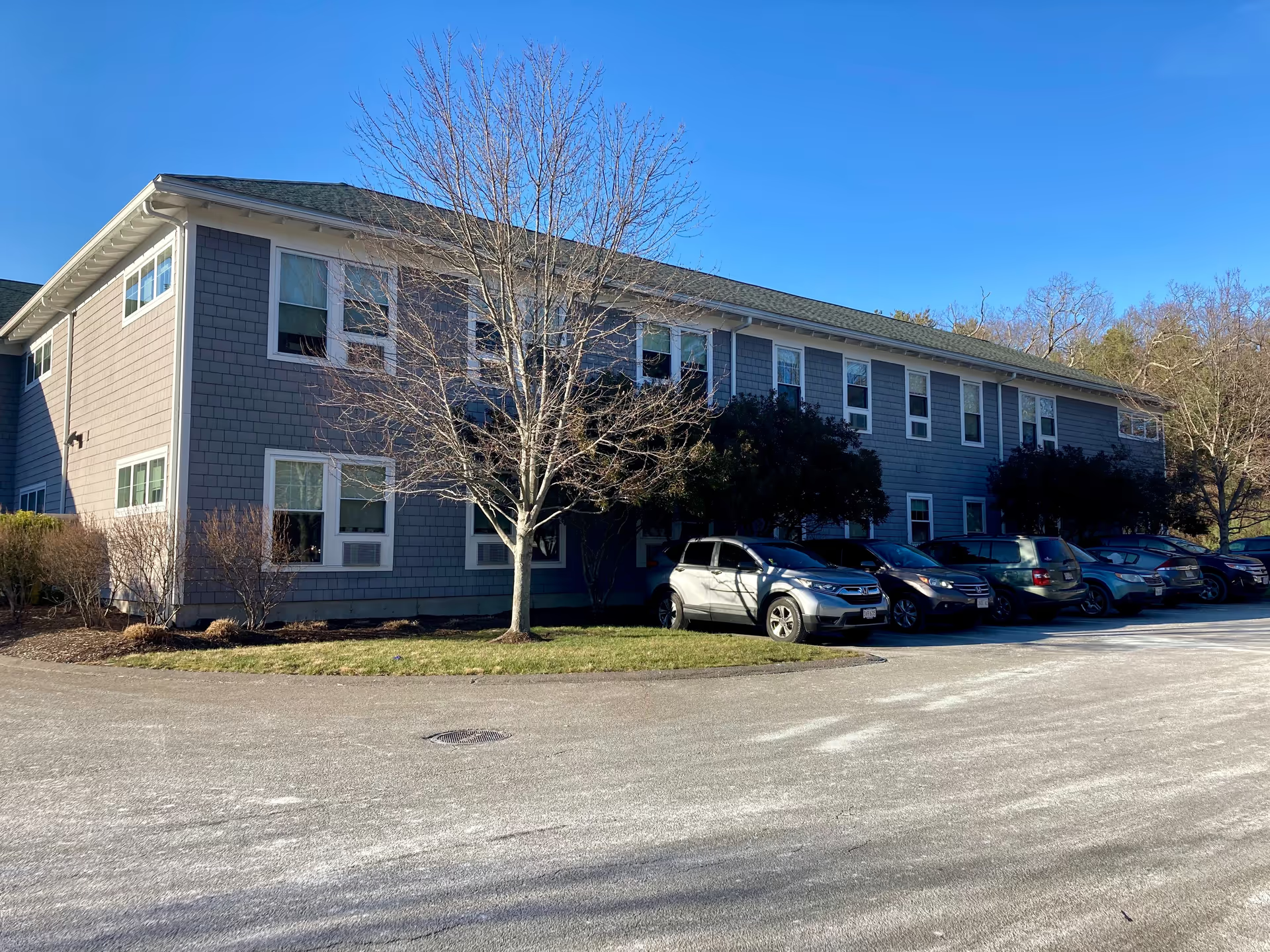
Facilities and environment: The building, grounds, and common areas are often described as attractive, clean, and residential, with ample outdoor spaces (porches, patios) and pleasant sitting areas. Unit quality is variable: some apartments and one‑bedrooms are spacious and bright, while other rooms are described as small, with limited closet space or needing cosmetic maintenance. Several reviewers noted recent proactive upgrades (for example, new windows), indicating ongoing capital investment.
Management, operations, and notable risks: Financial transparency and affordability are recurring concerns. Reviewers describe relatively high fees, price increases, and limited flexibility around financial aid or pricing negotiations. Communication and care coordination show mixed performance: while some families report proactive director involvement and clear updates, others cite gaps in communication with hospitals, medication reconciliation, and transfer coordination. Operational weaknesses also include inconsistent responsiveness to urgent calls, variability in room maintenance, limited transportation availability, and documented issues with laundry and handling of personal items; there are allegations of theft in a small number of accounts, which represents a serious concern for families and warrants direct inquiry during tours and contract discussions.
Who this fits: Sunrise of Norwood is likely a good fit for families seeking a community with strong social programming, attentive caregiving staff, attractive grounds, and a residential feel for residents who require assisted‑living level support or memory care at a moderate level of acuity. Families with residents who may need higher‑level skilled nursing, tight financial constraints, or very small‑unit storage expectations should evaluate capacity limits, pricing transparency, and operational safeguards (personal‑item handling, call response times) before committing. During a visit, prospective families should ask specifically about dementia‑unit routines, response‑time metrics, care‑plan follow‑through, transportation options, and written policies on valuables and laundry to address the most commonly raised concerns.