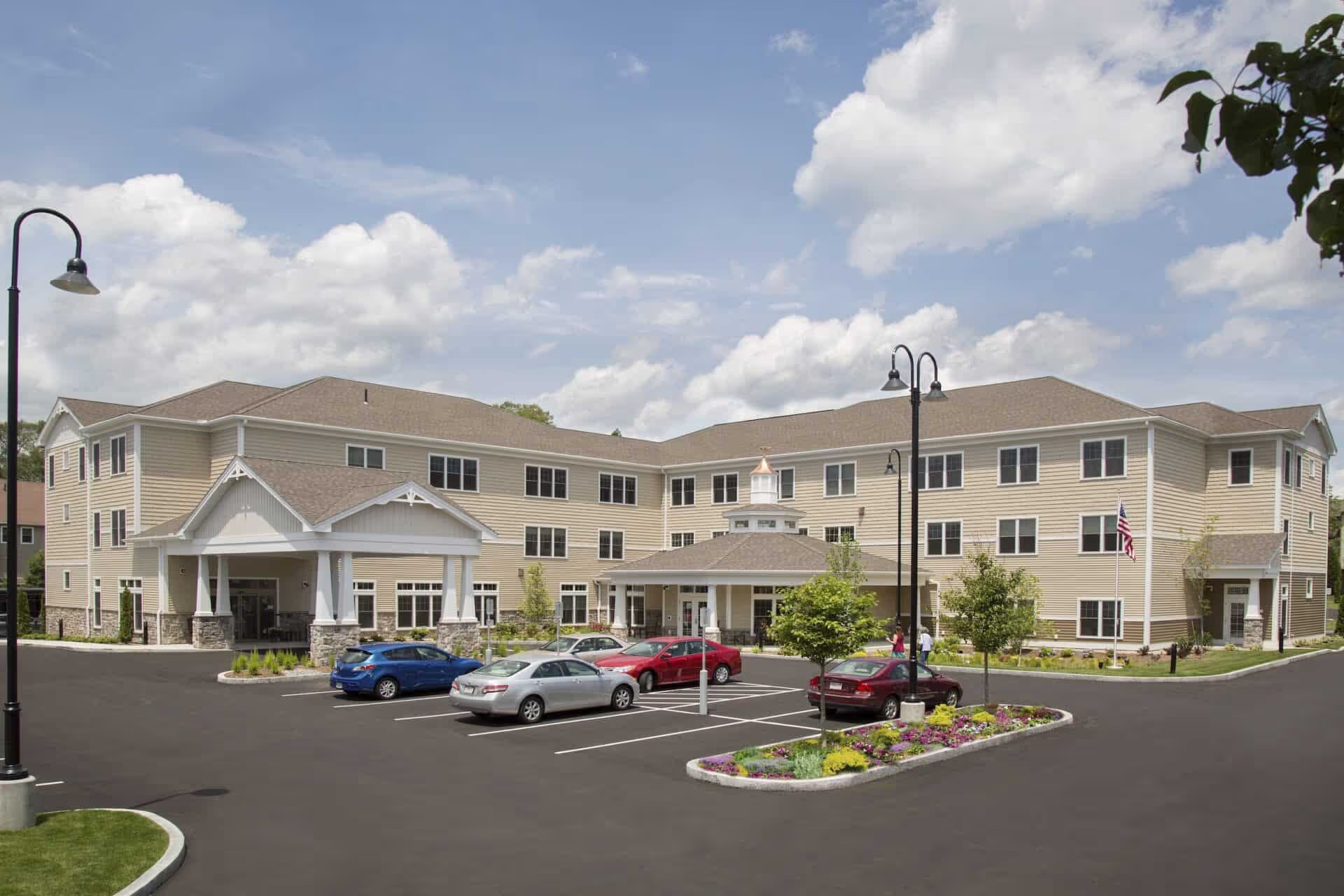
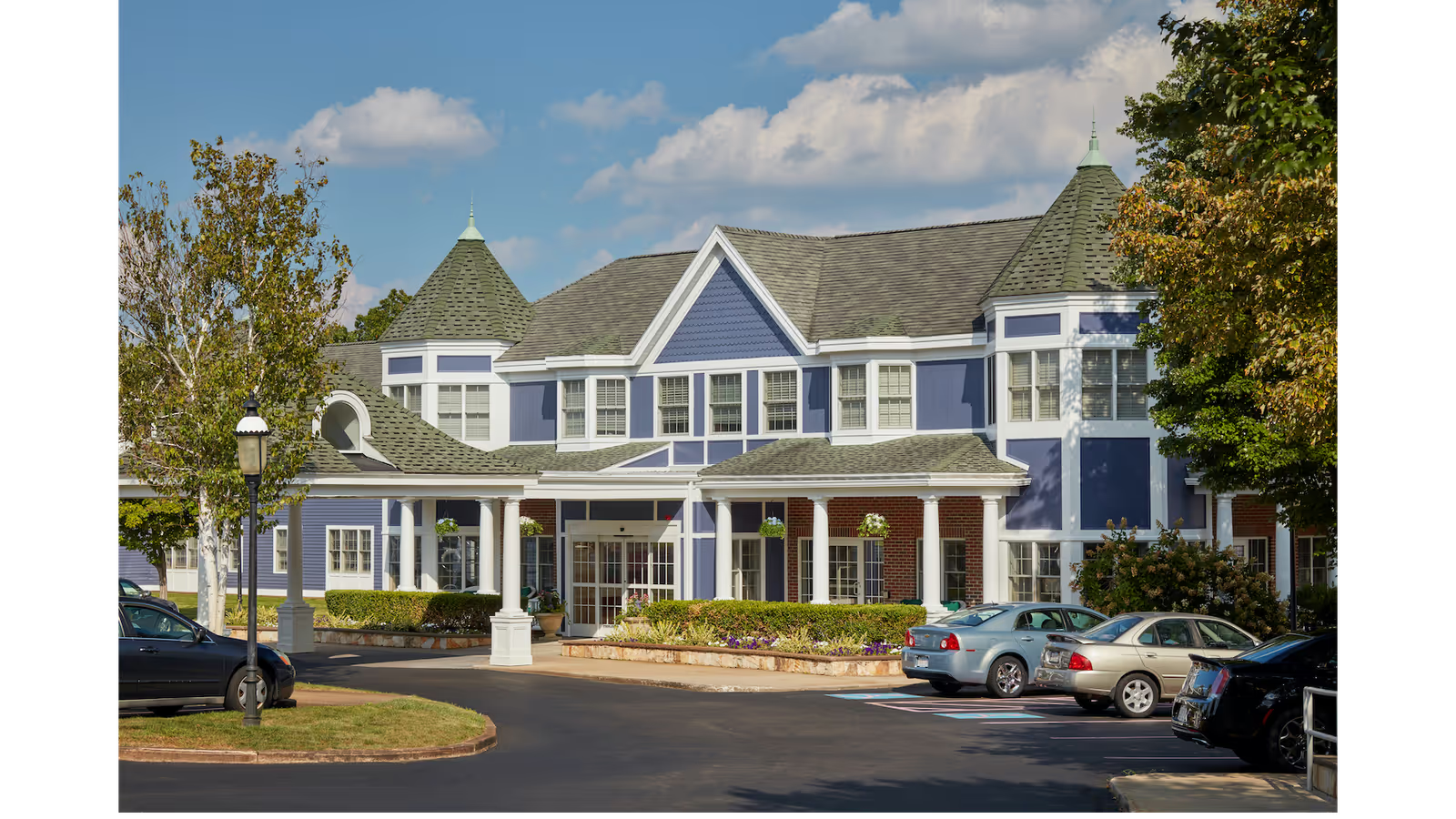
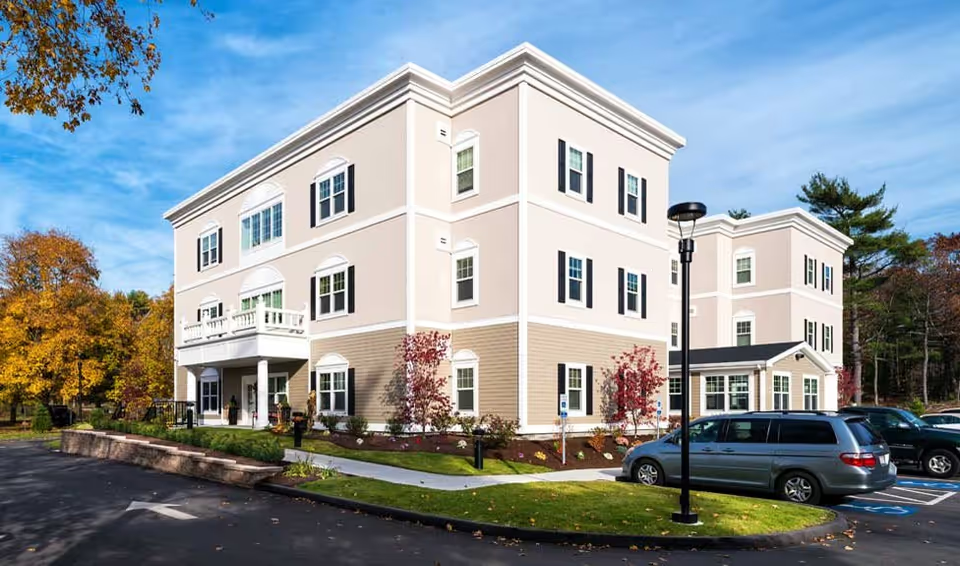
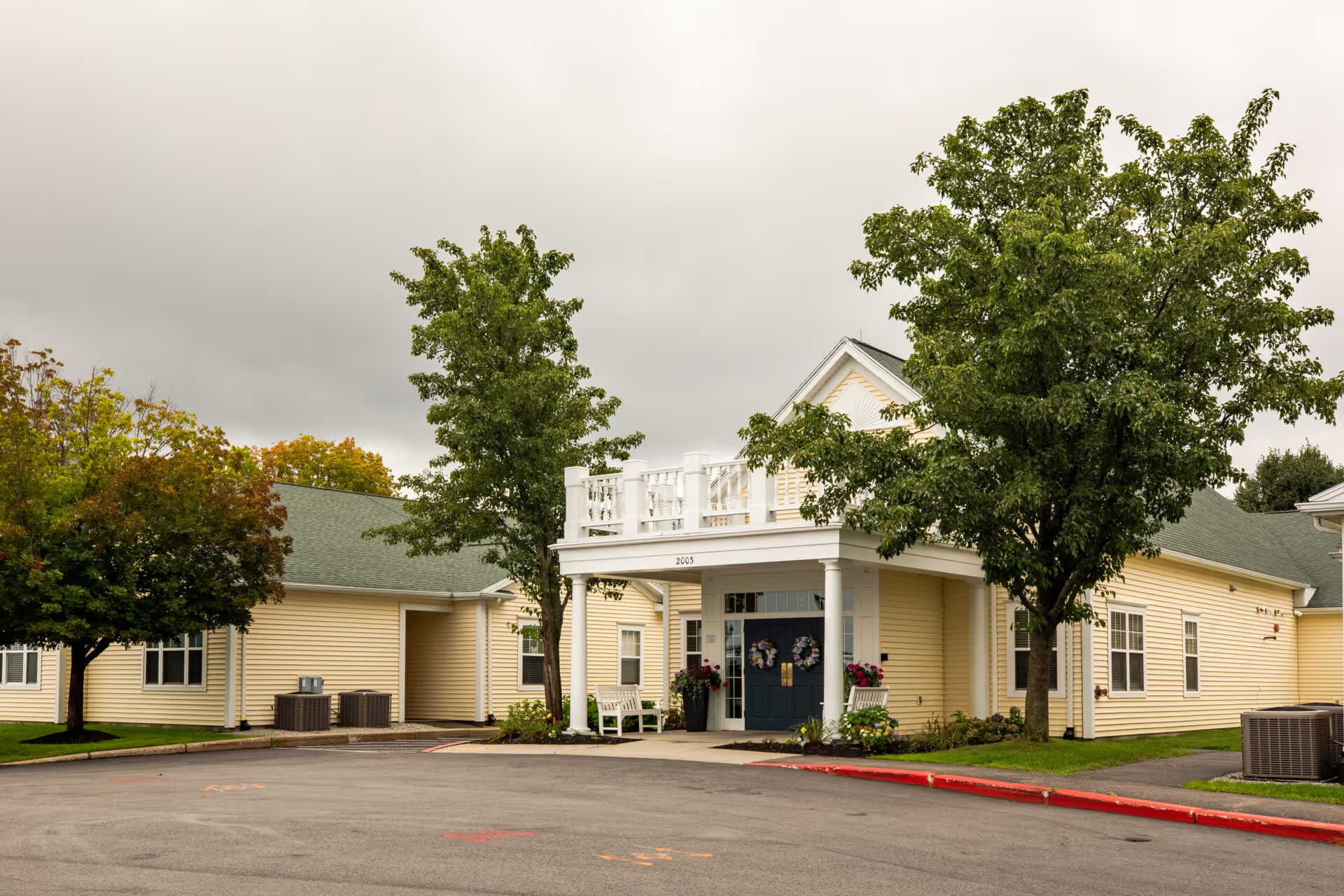
The reviews for CareOne at Randolph describe a facility with highly polarized experiences: multiple accounts praise individual caregivers, therapy staff and activity programming, while a significant number of reports describe operational and clinical shortfalls. Prospective residents and families will find evidence of effective rehabilitation teams, compassionate aides and an active activities schedule alongside recurrent concerns about day-to-day care processes and safety oversight.
Care quality shows a split pattern. Several families described positive clinical outcomes — effective physical and occupational therapy, timely wound healing in some cases, and attentive nursing and CNA care that supported successful discharges. Conversely, a number of reviews document medication delays or errors, inconsistent wound and post-operative management, missed treatments (including dialysis/treatment coordination issues), and infection-related readmissions. There is also a formally filed complaint with the Department of Public Health and at least one allegation of staff misconduct, which underscores the need to review current regulatory findings and facility responses.
Staffing and management are frequent themes. Reviewers describe meaningful differences across shifts and individual caregivers: some staff and leaders are singled out for exemplary engagement and responsiveness, while others are associated with long wait times for assistance, periods of inattention, or problematic communication tone. Staffing shortages and shift-to-shift variability appear to contribute to inconsistent responsiveness, variable adherence to care plans, and uneven follow-through on promised check-ins. Several accounts also point to dissatisfaction with management’s handling of grievances, incident follow-up, and family communication.
Dining, activities and amenities show mixed but specific patterns. The activities program and its director receive consistent praise for keeping residents engaged. The building’s common areas, patio, and some dining experiences are described as well-maintained and home-like. At the same time, there are repeated complaints about meal temperature, menu errors, occasional inappropriate food choices relative to diets, and extra out-of-pocket meal charges. Therapy departments (PT/OT) are frequently highlighted as strengths, though access and authorization for some therapies were reported as delayed or denied.
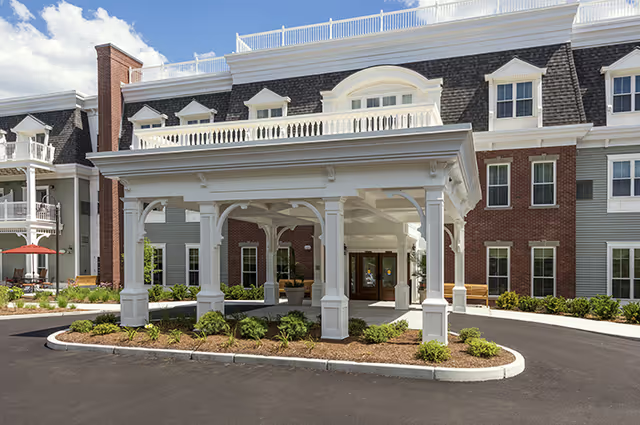
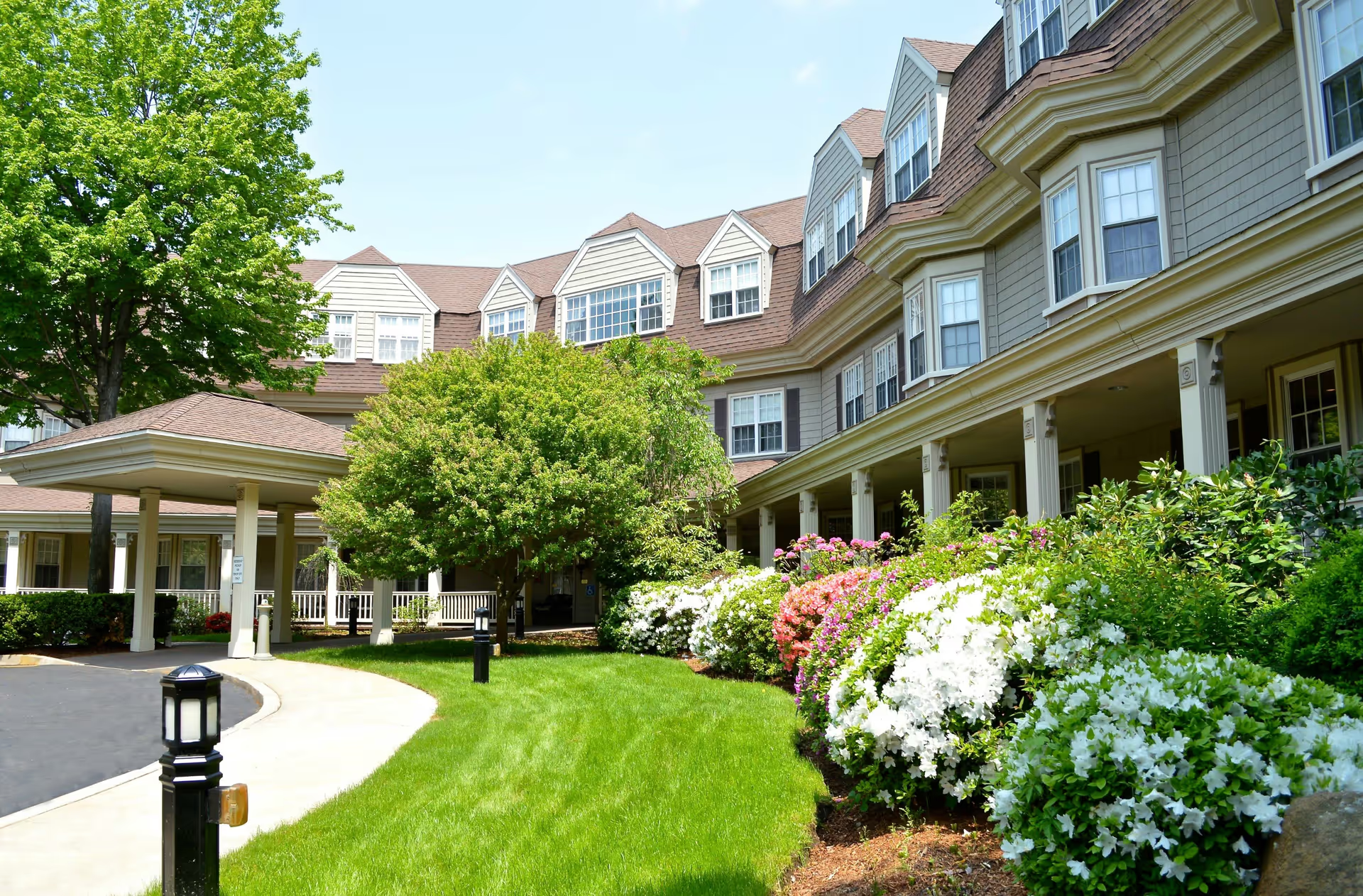
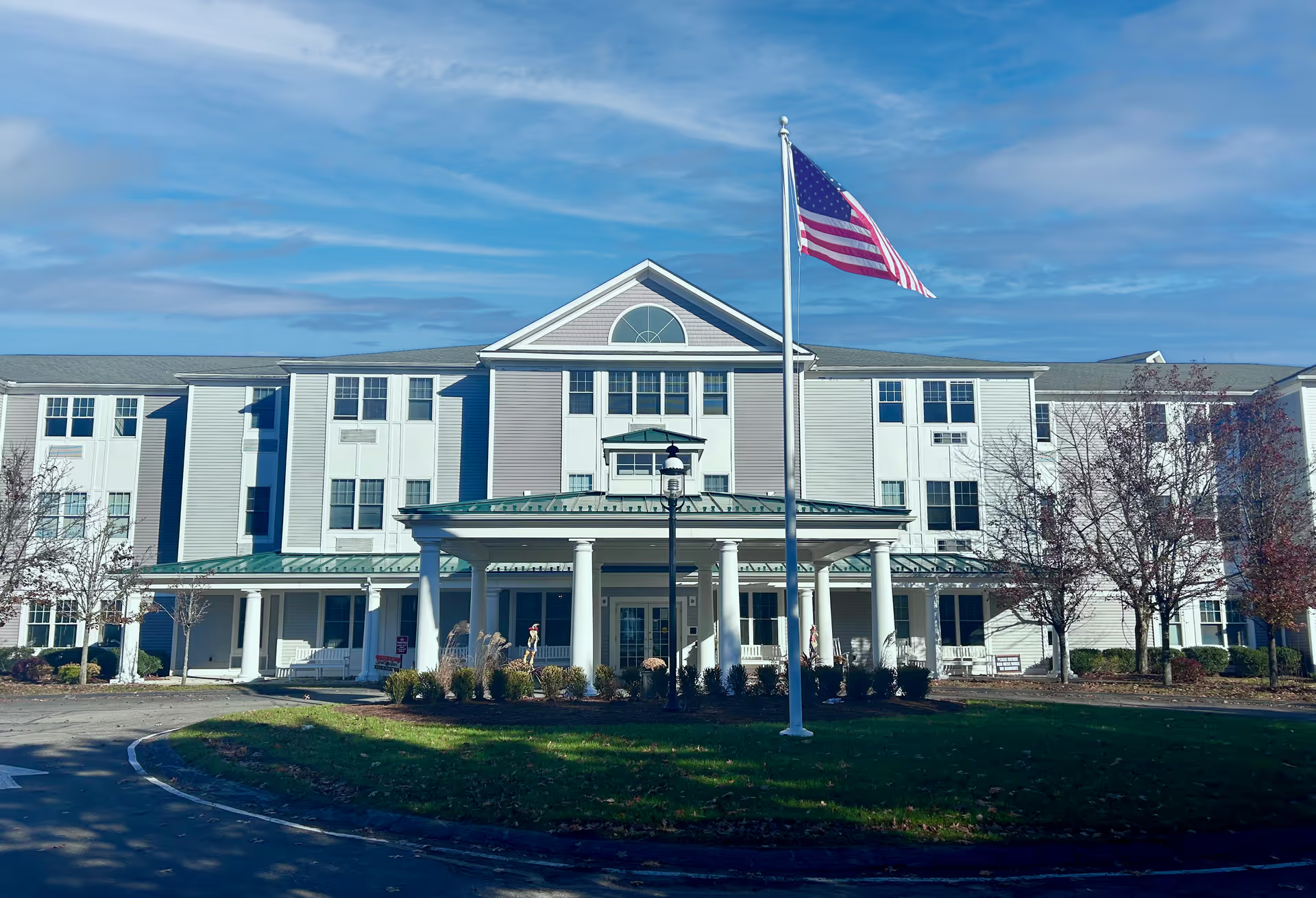
Facilities and safety concerns are varied. Many reviewers describe a clean, modern environment, while others report sanitation or pest-control concerns, localized odor issues, and spot maintenance problems. Safety and security issues raised include slow call-button response times, gaps in incident documentation and hospital-transfer protocols, and several reports of missing personal items. These operational weaknesses together suggest irregular monitoring and inconsistent property-control practices.
In summary, Randolph’s CareOne shows meaningful strengths — notably in rehabilitation services, several compassionate clinical staff members, and an engaging activities program — but also recurrent operational weaknesses that have impacted clinical reliability and family trust. Families considering this facility should review the latest inspection reports, ask for current staffing ratios and call-response metrics, inquire about specific wound-care and medication-administration protocols, confirm meal-plan charges and dietary accommodations, and request examples of recent grievance resolutions before making a placement decision.