Experiences at Webster Park are sharply mixed. Many accounts describe successful rehabilitation, with physical and occupational therapy helping residents regain strength, walking ability, or readiness to return home. Other accounts describe therapy that was delayed, inconsistent, or not delivered as expected. Families also differ in their assessments of nursing care and day-to-day support, suggesting that residents’ experiences may vary by unit, shift, staffing, and individual care needs.
Positive comments characterize staff as kind, professional, and attentive, with particular appreciation for reception staff, aides, therapists, and individual nurses. Families also value regular updates, prompt answers to questions, and coordination around discharge or follow-up care. In contrast, other accounts describe delayed responses to call systems, inconsistent assistance with toileting and other personal care, and difficulty reaching staff or receiving information. Concerns about medication timing, pain management, clinical monitoring, fall prevention, and discharge planning are recurring themes in the more critical accounts. A few describe serious medical deterioration and concerns about care and escalation before a resident’s death; these are individual accounts and are not independently verified here.
Dining feedback is inconsistent. Some residents and families appreciate meal portions, variety, temperature, or the ability to request snacks, while others describe meals as bland, cold, or unappealing and raise concerns about assistance for residents who need help eating. Activities receive positive mention, including musical entertainment and birthday celebrations, although reviews provide less detail about the regular activity schedule. Families also report that staff sometimes accommodate preferences involving therapy, food, and room comfort.
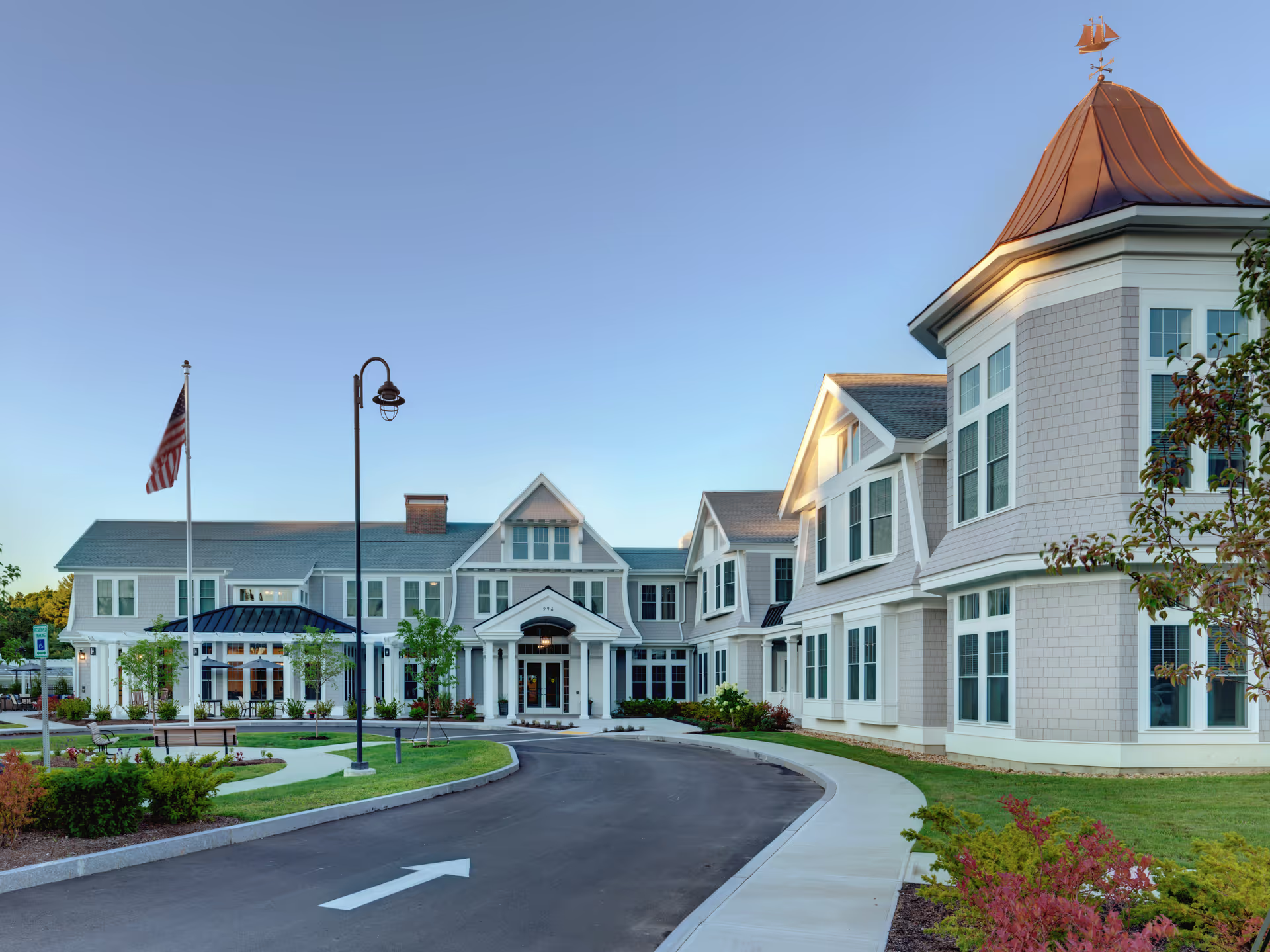
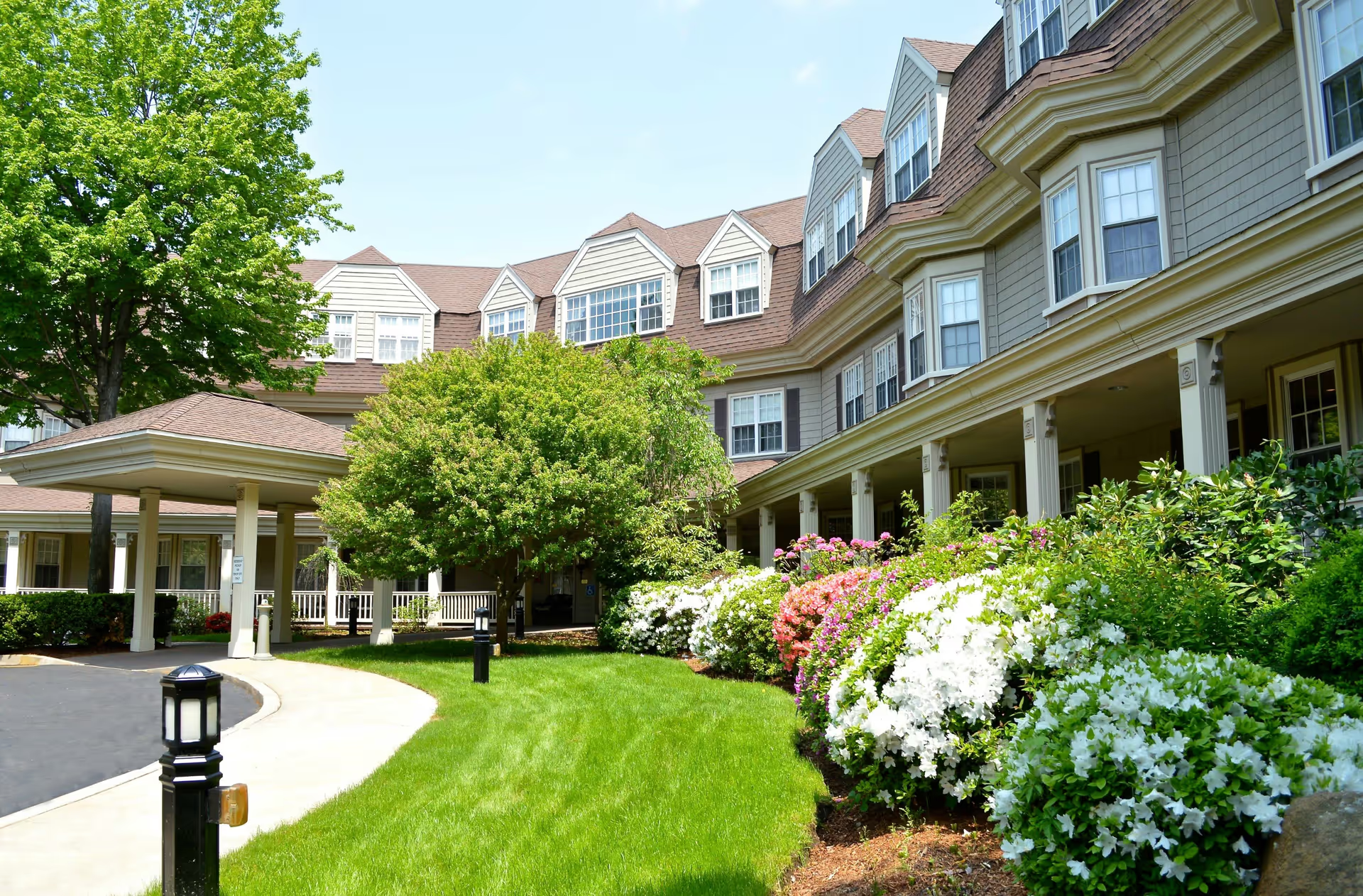
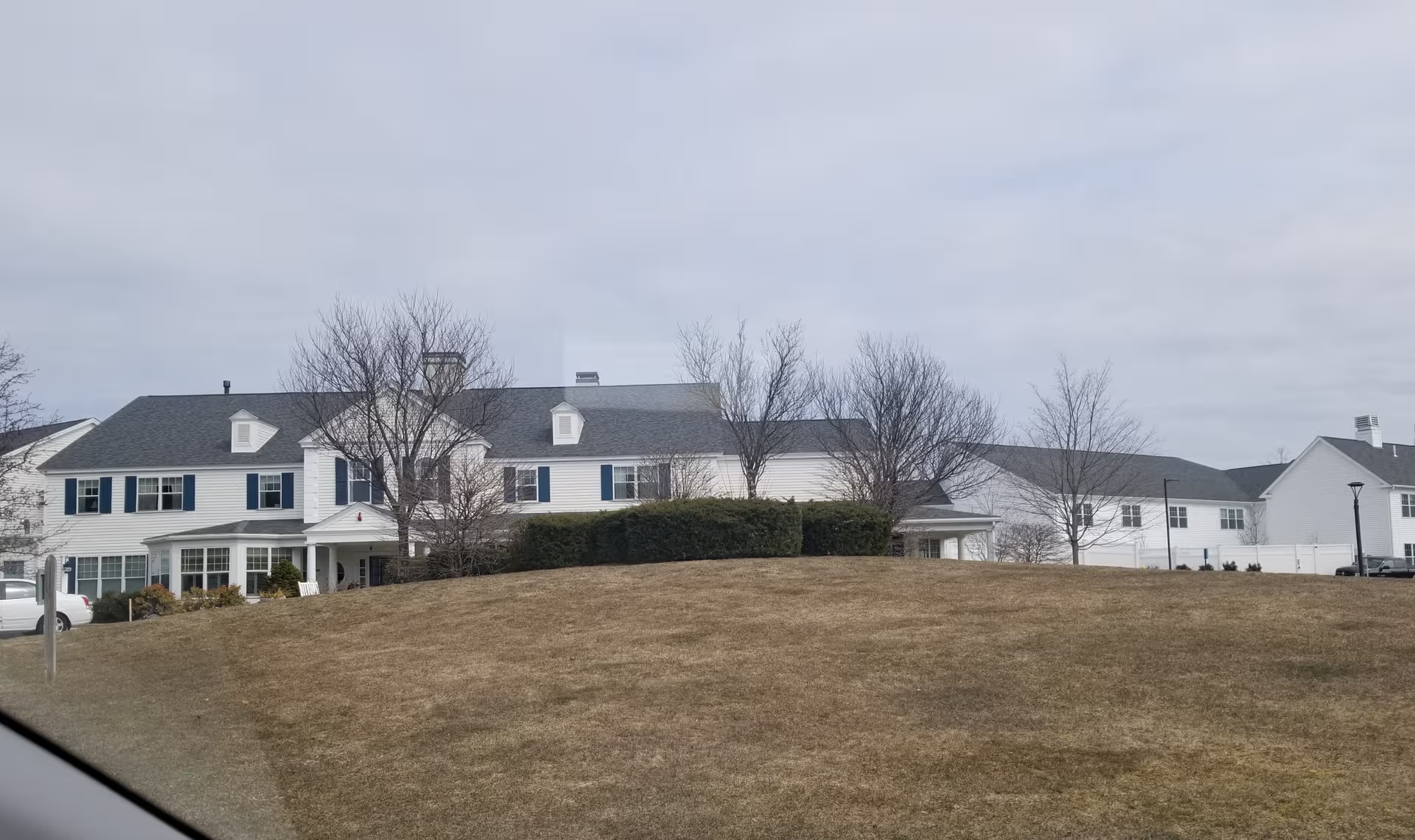
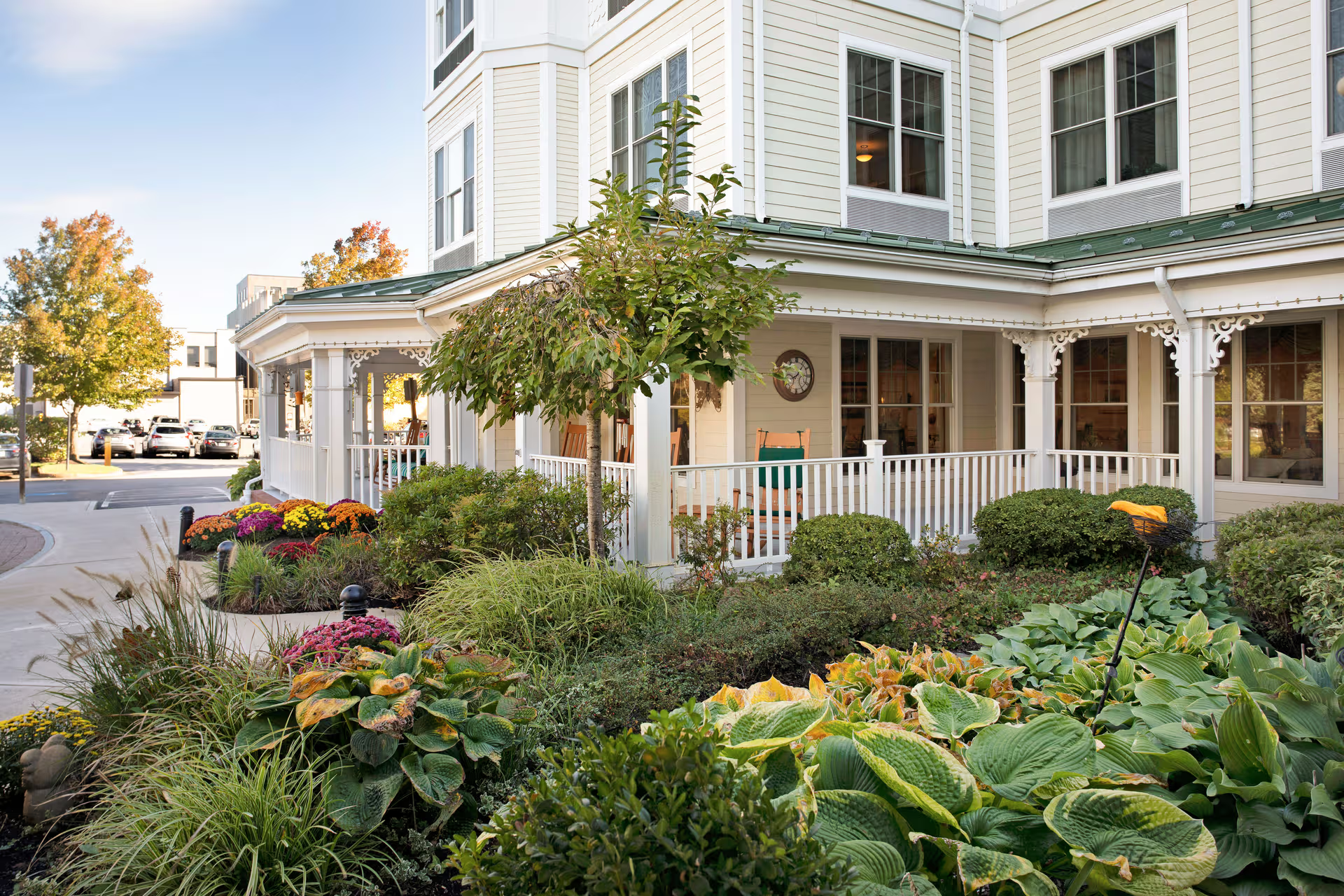
Facility impressions range from clean, bright, and renovated to dated, crowded, or poorly maintained. Some visitors describe clean rooms and common areas, while others raise concerns about odors, sanitation, maintenance, and pest control. Shared rooms are common in some accounts, though private rooms are also mentioned as available. Management and communication experiences vary: some families report responsive administrators and care teams, while others describe difficulty getting concerns addressed, inconsistent information, or limited notice about health changes and appointments. Overall, the favorable accounts point to capable rehabilitation, warm staff interactions, and positive short-term stays; the critical accounts highlight meaningful variability in responsiveness, personal care, clinical oversight, and communication. Prospective residents and families may wish to ask about staffing by shift, call-response procedures, therapy schedules, family notification practices, room arrangements, and how concerns are escalated.