Adviniacare Salem elicits strongly mixed impressions. Many families and residents praise the direct-care teams: several reviews highlight compassionate nurses and skilled CNAs who provide personalized attention, grooming, and bedside assistance. The facility’s rehabilitation services receive frequent positive mention — effective OT/PT programming, an available gym, and in some cases twice-daily therapy that supported measurable recovery. Activity offerings and entertainment are a consistent strength; organized shows, volunteer involvement, therapeutic groups, and social opportunities contribute to a lively atmosphere for residents who are able to participate.
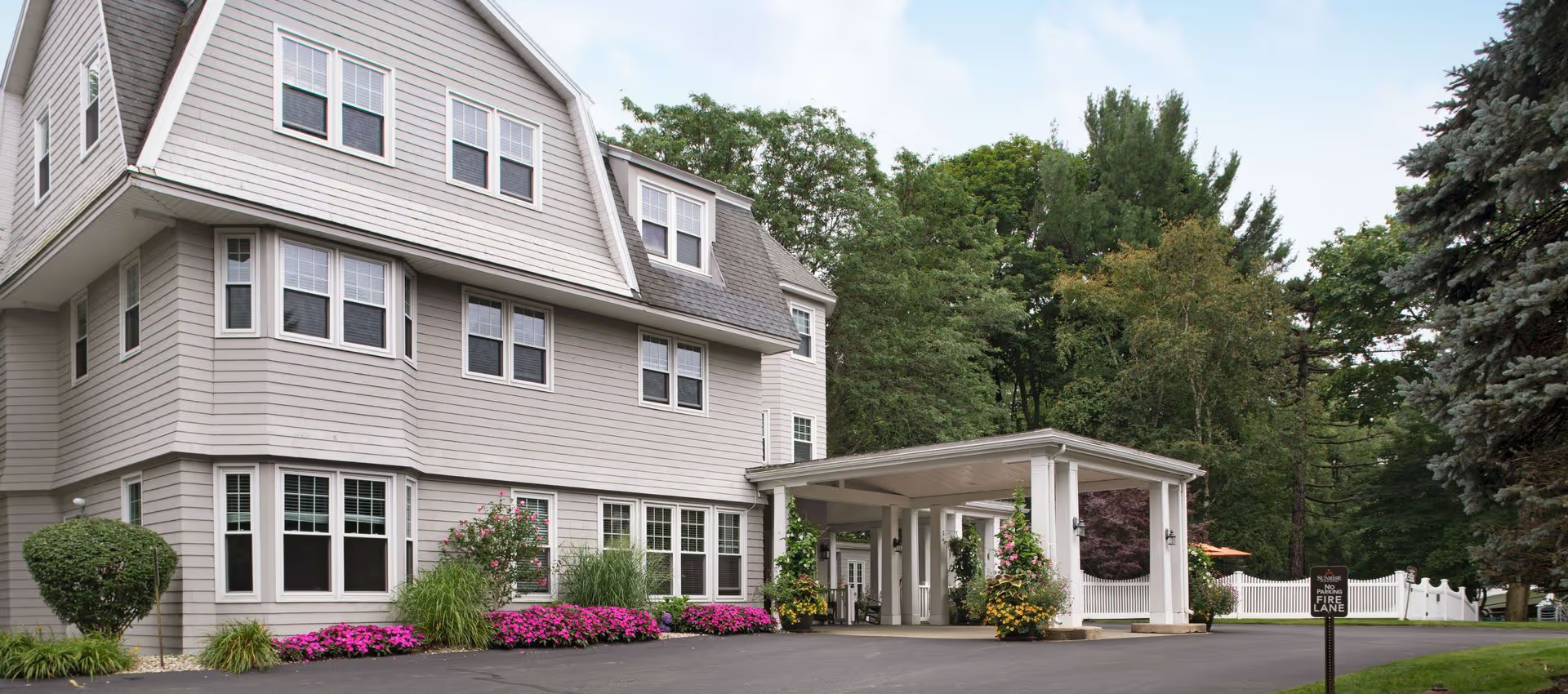
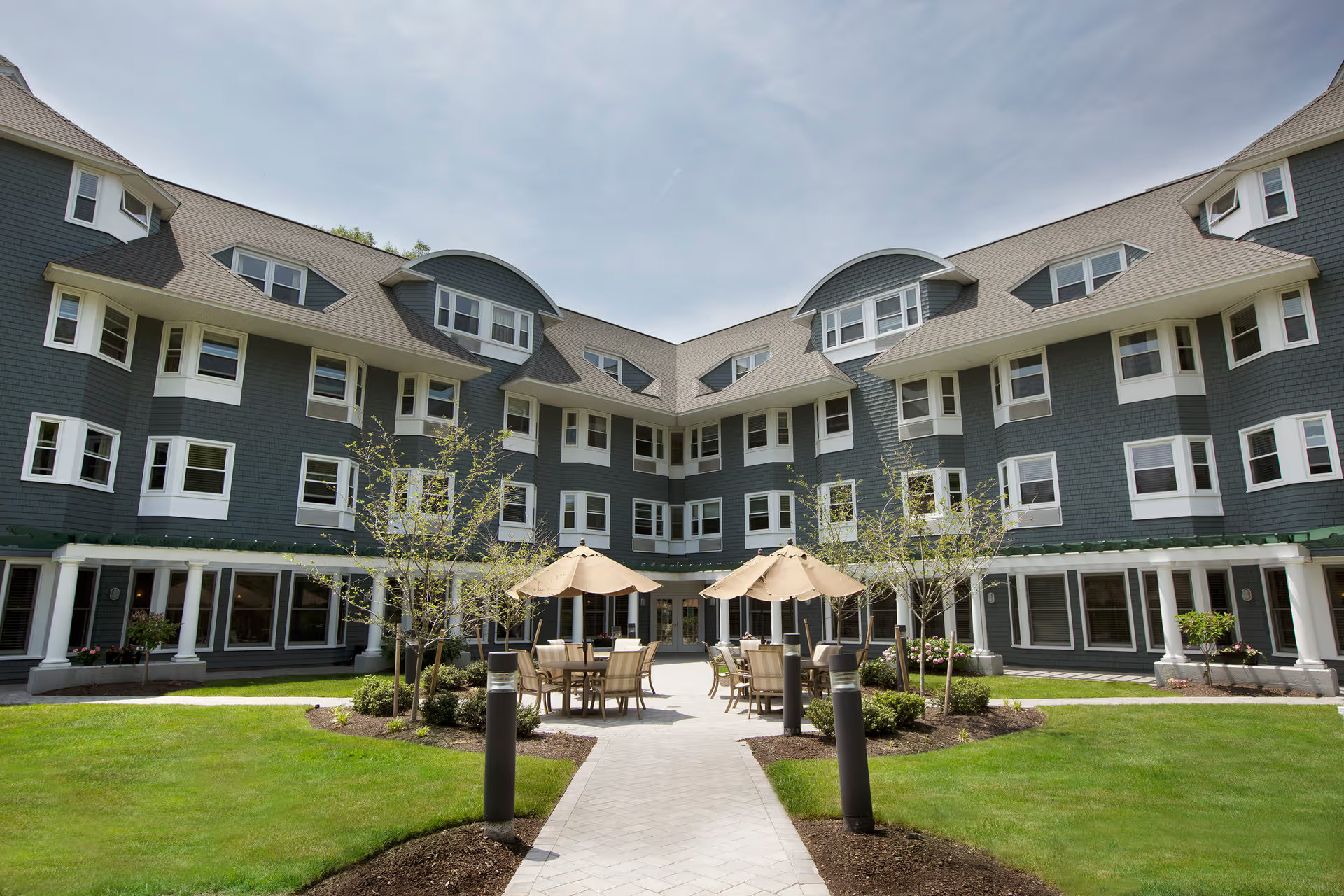
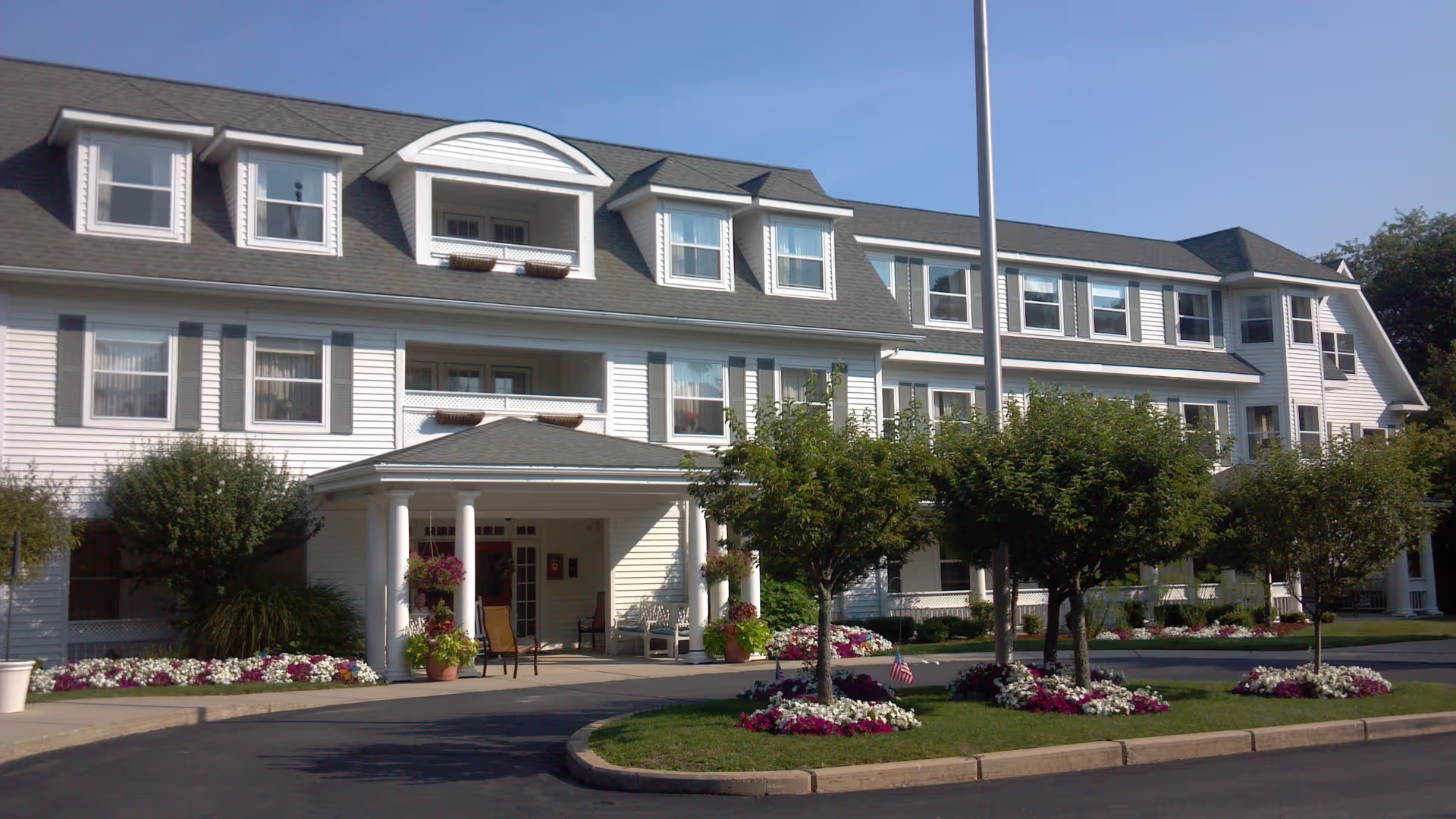
Dining and hospitality are described positively by numerous reviewers: staff who accommodate picky eaters, popular menu items, concierge-style transportation (complimentary Uber rides), and a welcoming admission/check-in experience. Renovations in parts of the building, pleasant common areas, salon services, and scenic courtyard or window views are additional positives cited by families who had favorable stays.
At the same time, a substantial set of operational concerns appears repeatedly. Staffing levels and coverage are inconsistent across shifts, with particular weaknesses reported for overnight and weekend supervision. These staffing gaps are linked in reviews to delayed responses to call bells, missed or delayed clinical attention, and uneven follow-through on medication administration and wound care. Several reviews describe problems with infection-control practices and pest management as well as variability in sanitation and room upkeep. Transport coordination (for appointments such as dialysis) and certain administrative processes (discharge planning, account/financial handling, and belongings management) are also described as unreliable at times.
Management and communication are polarizing. Some families commend responsive leadership, quick maintenance fixes, and improved communication; others describe lack of clear leadership, poor communication about clinical incidents and discharge plans, and difficulty getting timely answers from case managers. A few serious clinical outcomes — including hospital readmissions and concerns following a resident’s death — are mentioned and underline the importance of clear protocols for clinical escalation and family notification.
Taken together, the pattern is one of operational variability: for residents whose needs align with the facility’s strong rehab and activity programming, outcomes and satisfaction can be quite good. However, when higher-acuity needs, complex medication regimens, or continuous supervision are required, recurring issues with staffing, clinical responsiveness, infection control, and management communication have been reported. Prospective residents and families should tour the facility, ask for current staffing ratios and weekend/overnight coverage plans, review infection-control policies and medication-administration protocols, and request specifics on transport, discharge planning, and how clinical concerns are escalated to leadership.