Reviews of Life Care Center Scituate present a mixed but clinically coherent picture: many families and patients describe attentive nursing, effective therapy, and a robust activities program, while a nontrivial portion of accounts identify operational shortcomings that merit careful inquiry by prospective residents and families.
Care and staff: A large number of accounts praise the nursing staff, CNAs, and therapy teams for compassionate, attentive care and positive rehabilitation outcomes. Physical, occupational, and speech therapy are frequently cited as effective, and several families described smooth discharge planning and good coordination with clinicians. At the same time, reviewers describe variability in staff conduct and training; concerns include inconsistent responsiveness to personal-care needs, delays in attending to residents with continence needs, and uneven expertise in managing residents with higher behavioral needs or advanced cognitive impairment. These patterns suggest strengths in clinical rehabilitation and many front-line caregivers, paired with inconsistent staffing and training across shifts or units.
Dining and activities: Dining services receive largely favorable comments. Multiple reviews highlight accommodating kitchen staff who adapt textures and preferences to meet swallowing and taste needs, and families commonly cite enjoyable meals. The activities program is a clear strength: reviewers note frequent, varied programming (music, crafts, gentle exercise, group games), regular live entertainment, and an engaged activities director on several units. These offerings appear to contribute strongly to resident engagement and perceived quality of life.
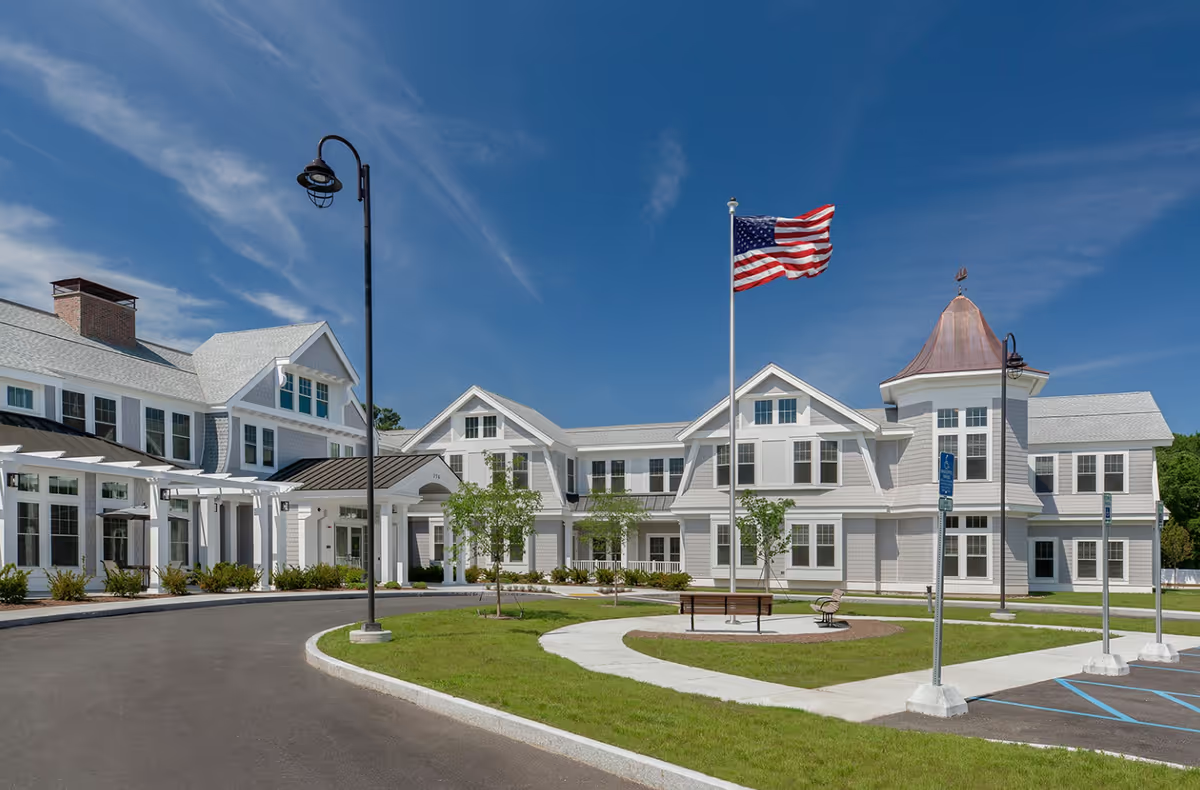
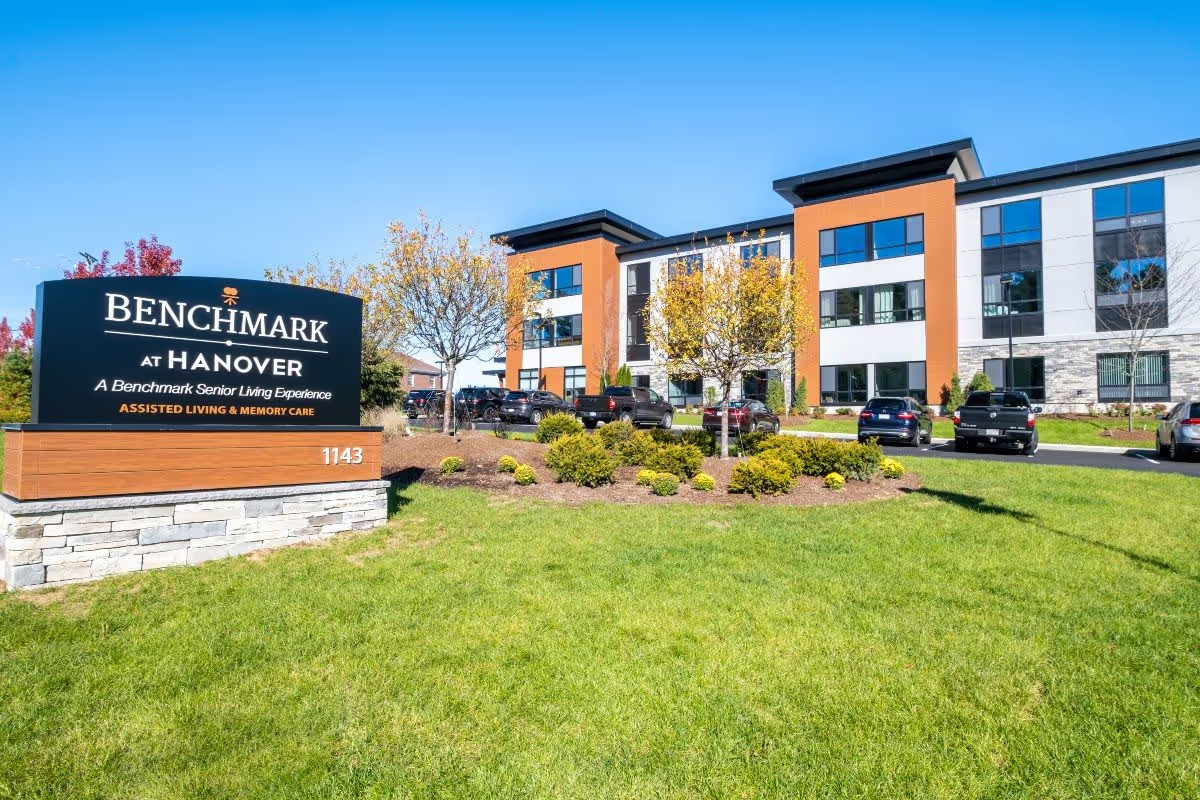
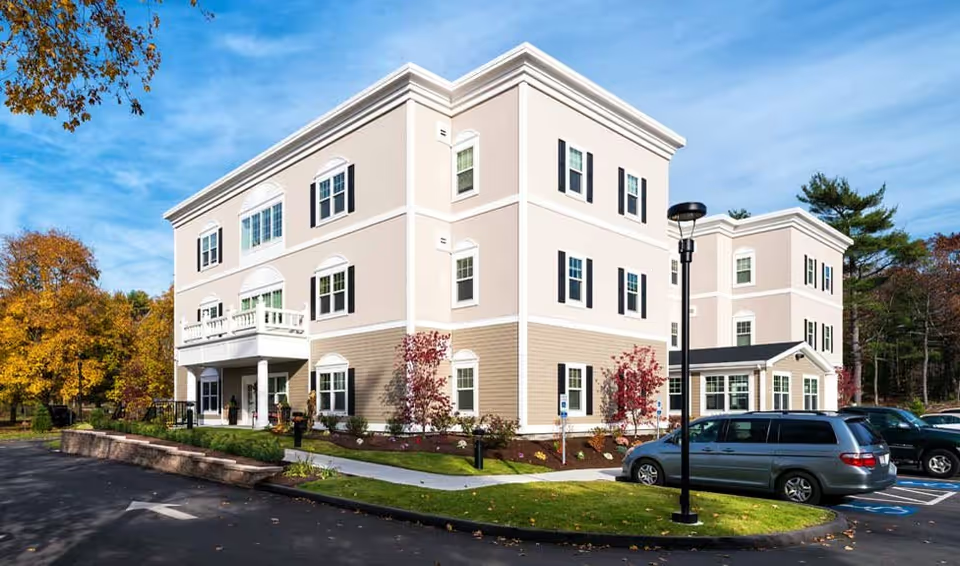
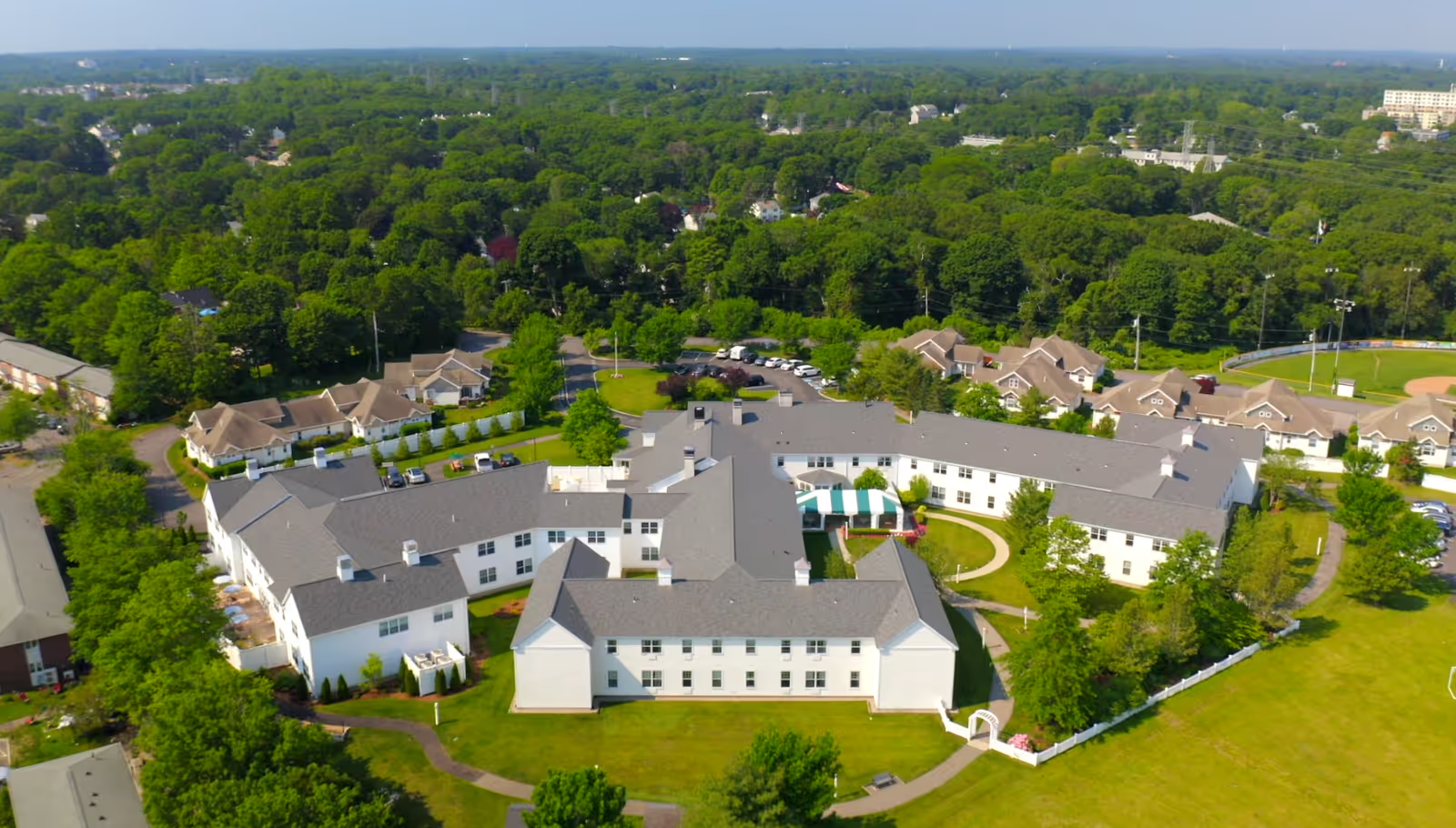
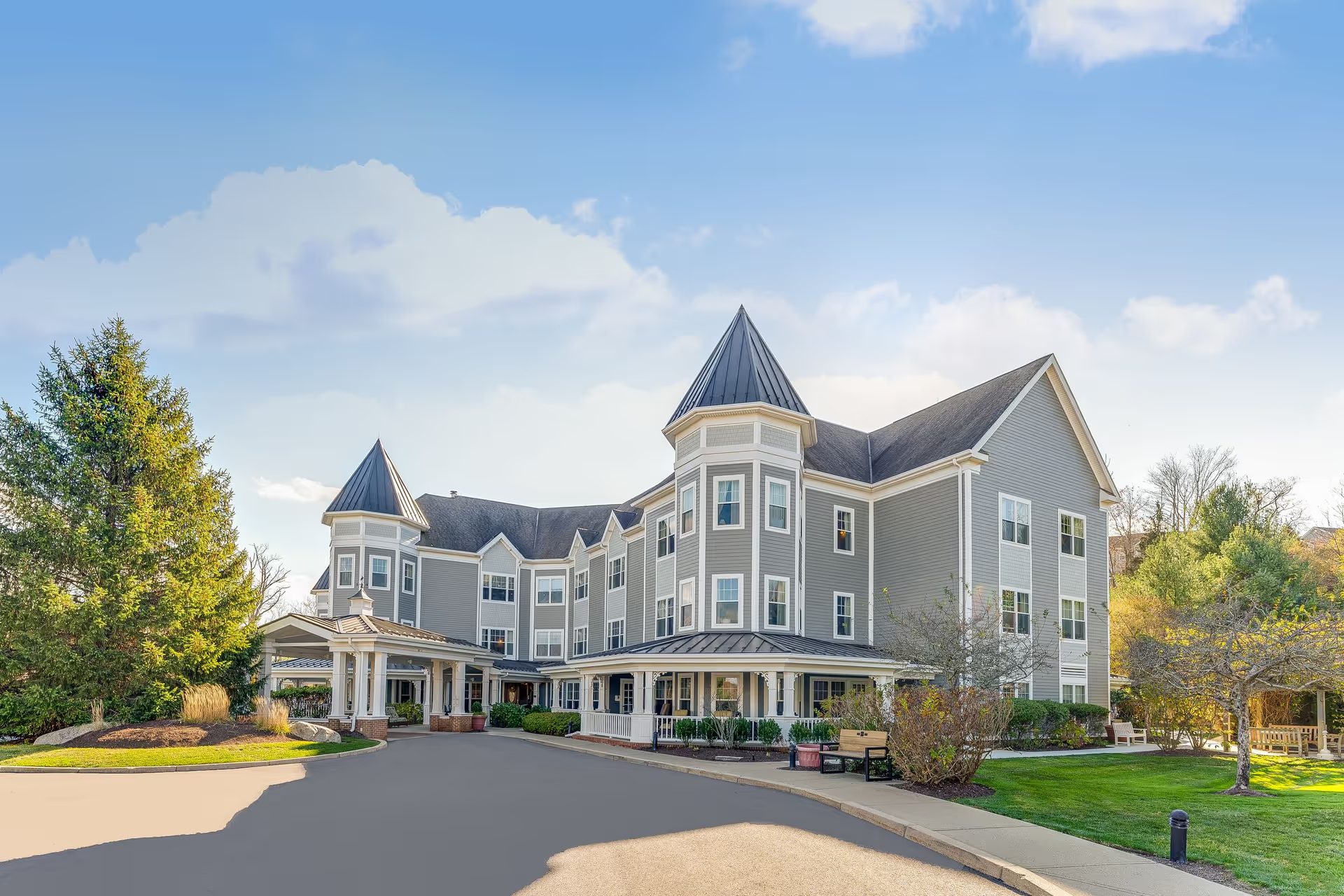
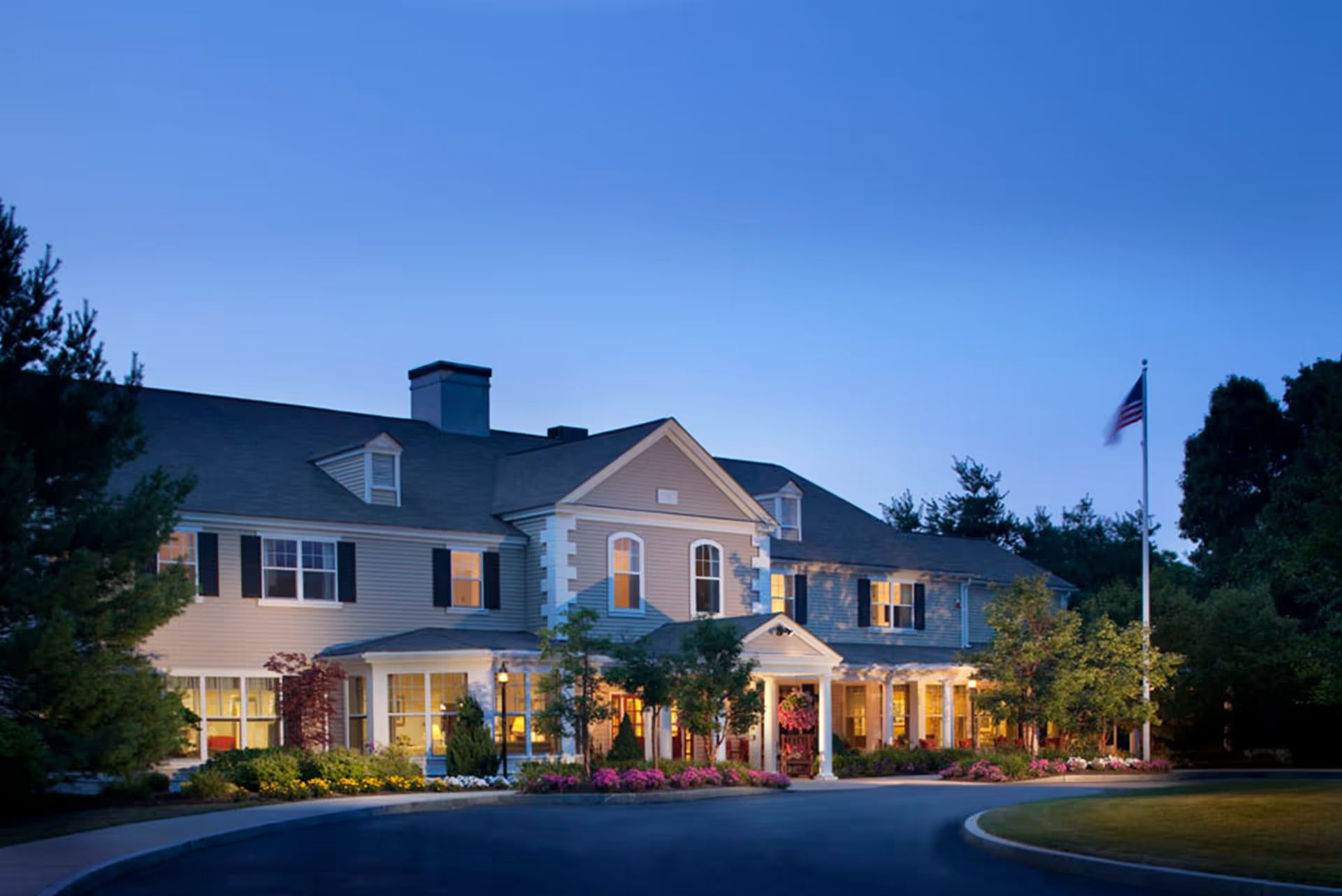
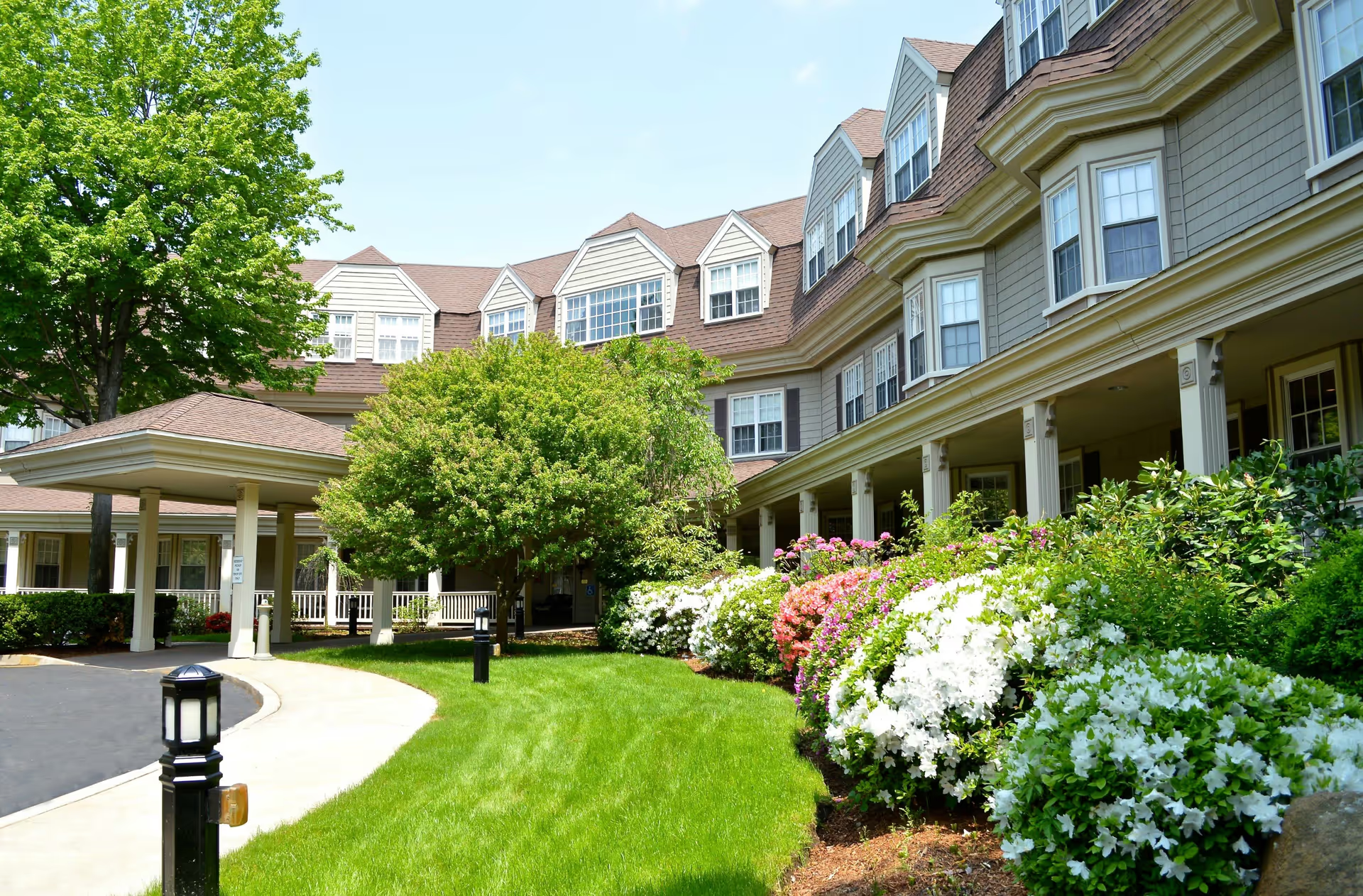
Facilities and environment: Many reviewers describe clean, bright common areas and well-maintained rooms; however, other accounts raise sanitation and pest-control concerns and describe inconsistent housekeeping across different units. Physical-plant issues also include limited visitor parking during daytime hours and constrained resident storage or closet space in long-term units. The facility offers a range of room types, including semi-private options.
Management, communication, and operations: Communication and administrative responsiveness are uneven. Several families praised admissions, case-management, and specific administrators for clear explanations and collaboration; others described difficulty reaching staff, long phone hold times, billing discrepancies, and slow follow-through on concerns. Reports of missing personal items and billing errors point to weaknesses in personal-property safeguards and financial processes. There are also mentions of unclear pet-policy enforcement and scheduling problems that affect appointments and daily routine.
Notable patterns and recommendations: The dominant positive themes are strong rehabilitation services, engaged activities, and many compassionate direct-care staff. The dominant negative themes are variability: in housekeeping and sanitation standards, in staffing and training (particularly for memory-care and higher-acuity behavioral needs), and in administrative communication and property/billing controls. Prospective residents and families should tour relevant units at varied times of day, ask about staffing ratios and training for dementia/behavioral care, request details on medication administration and monitoring protocols, inquire about infection-control and pest-control procedures, clarify personal-property and billing policies, and confirm parking and storage provisions. These targeted questions can help align expectations with the facility’s strengths and identify whether operational inconsistencies have been addressed.