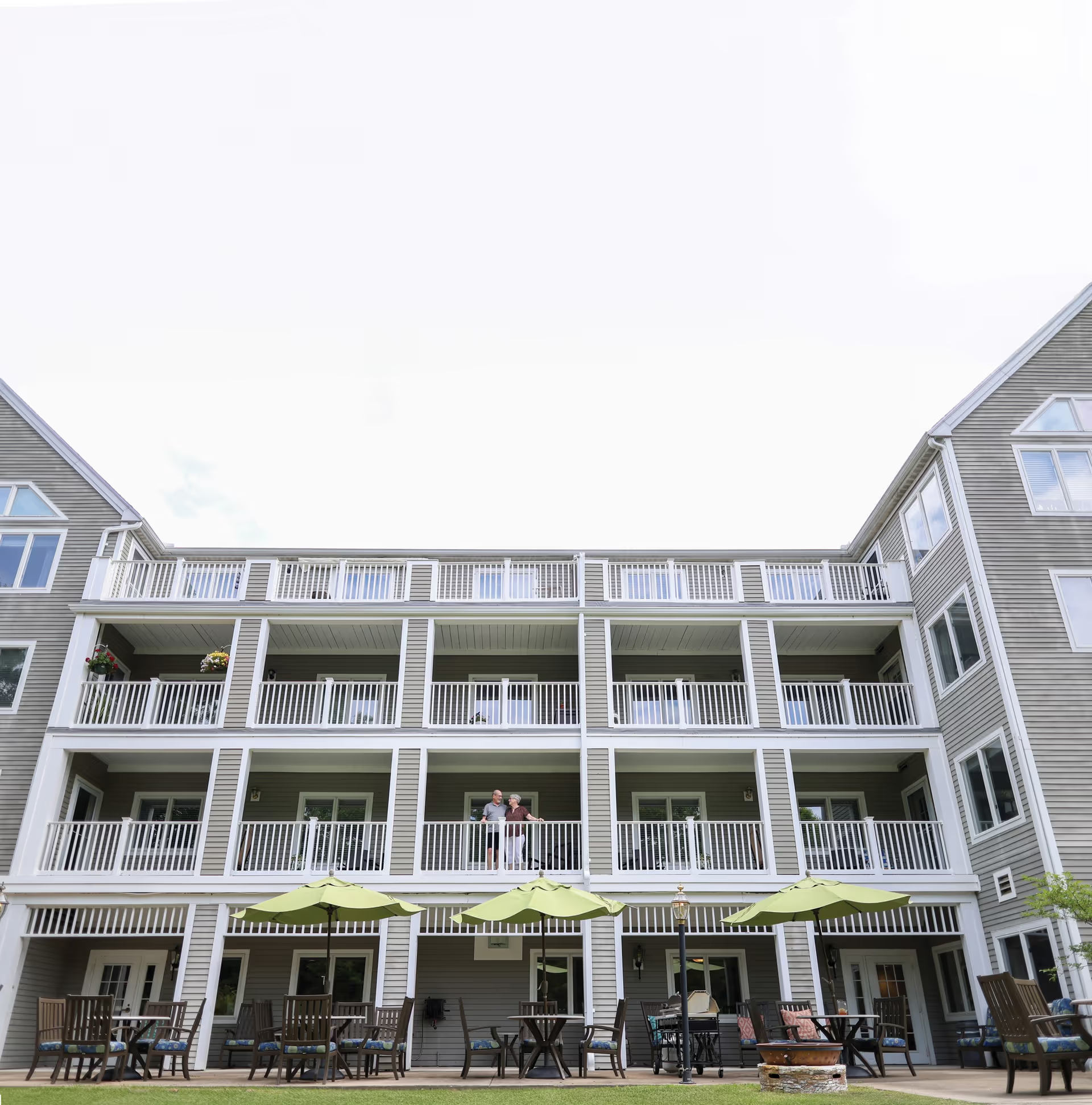
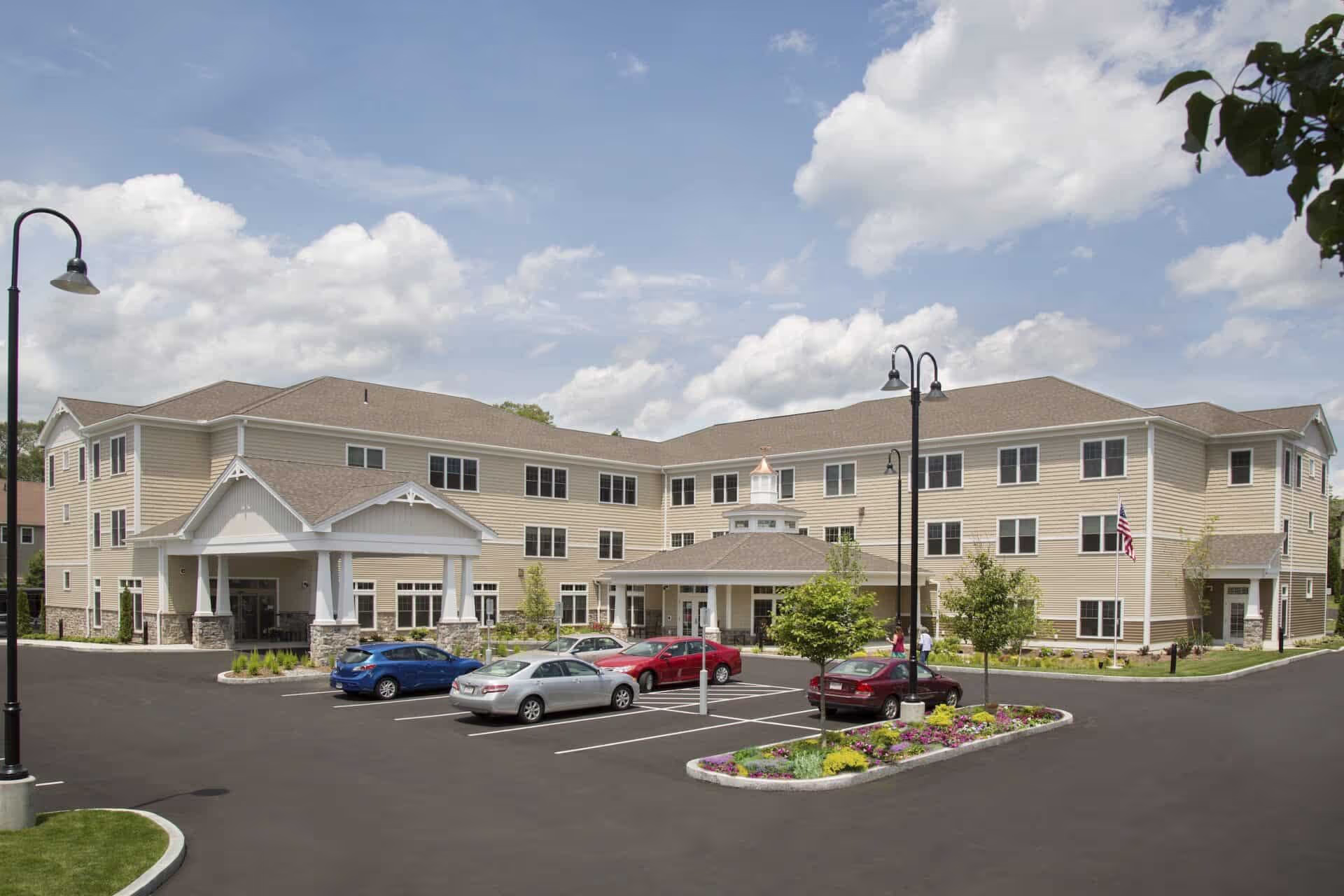
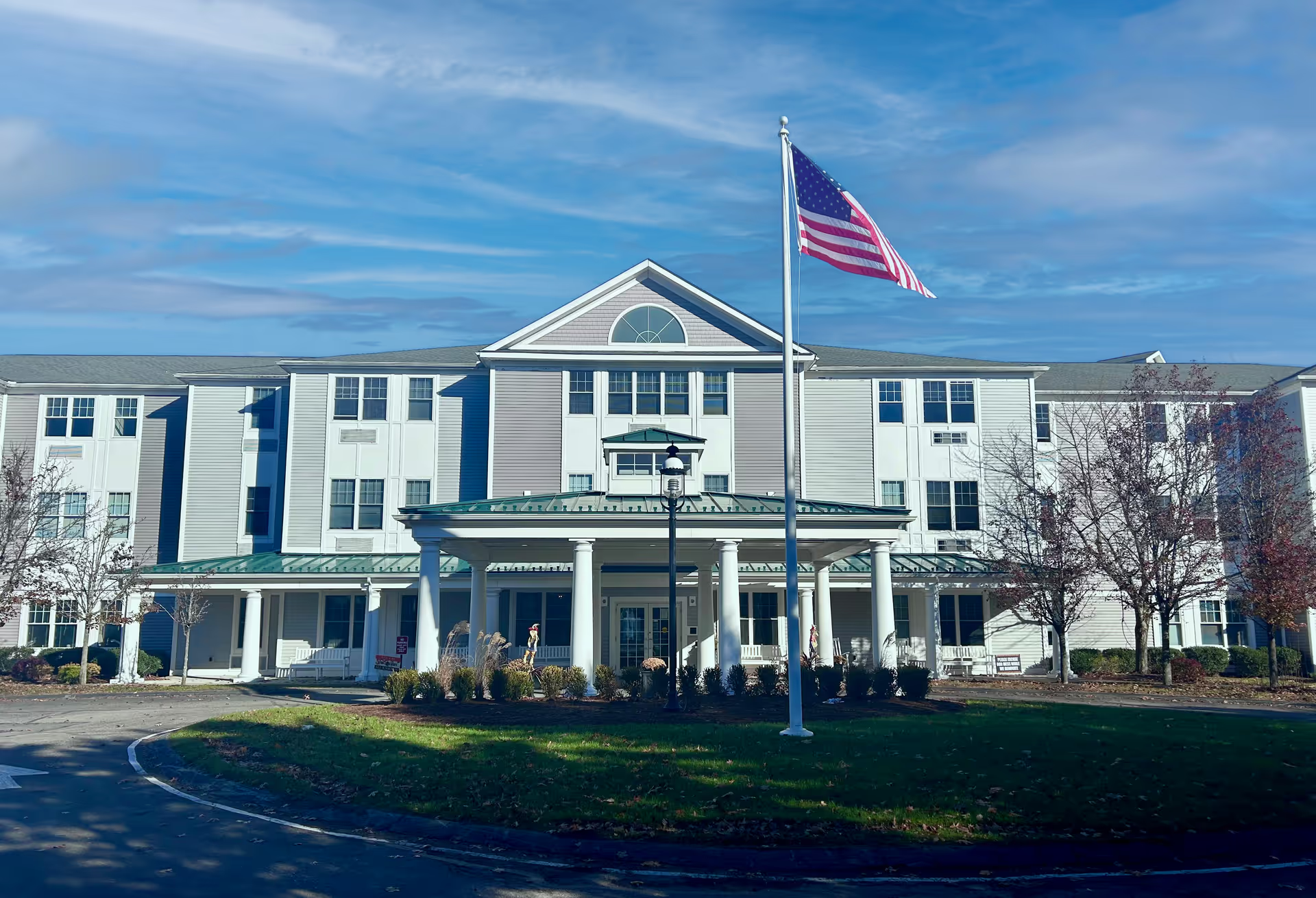
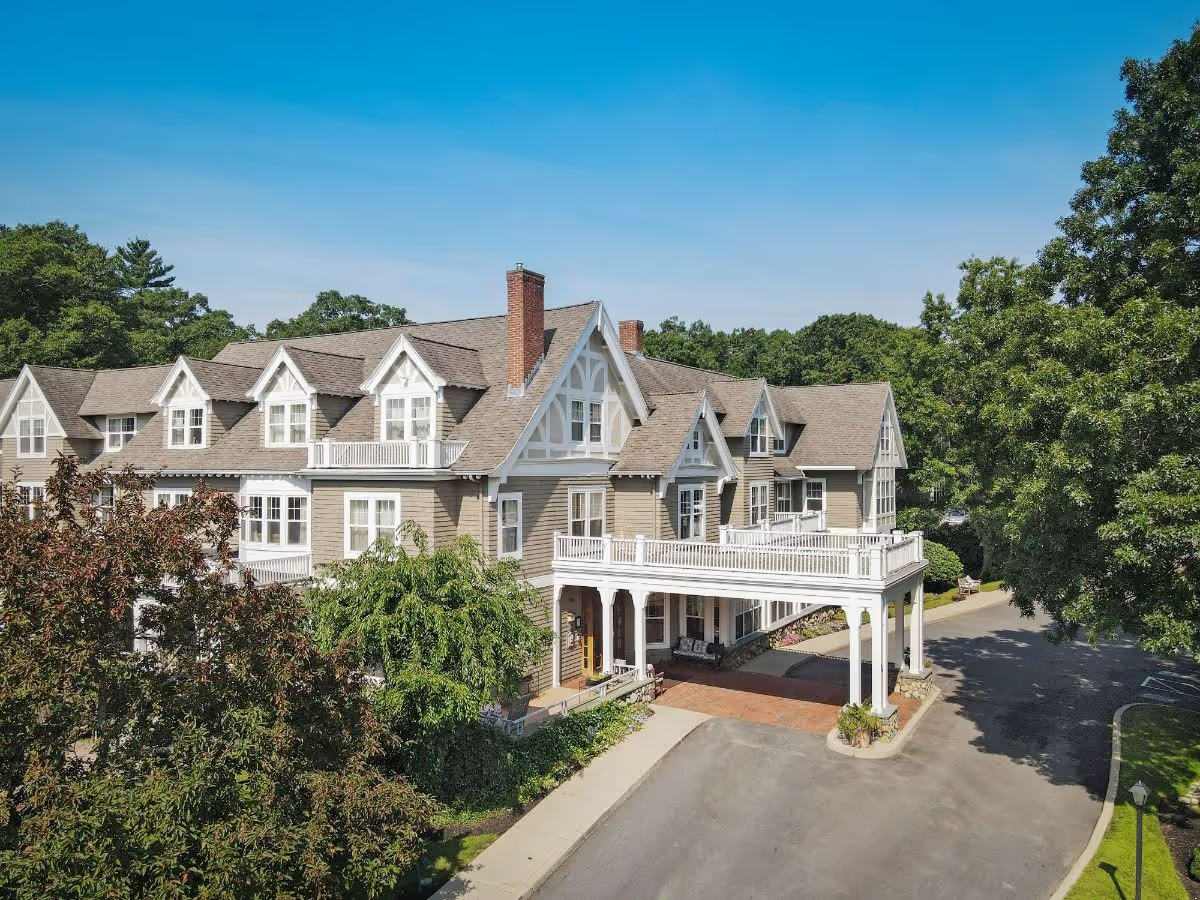
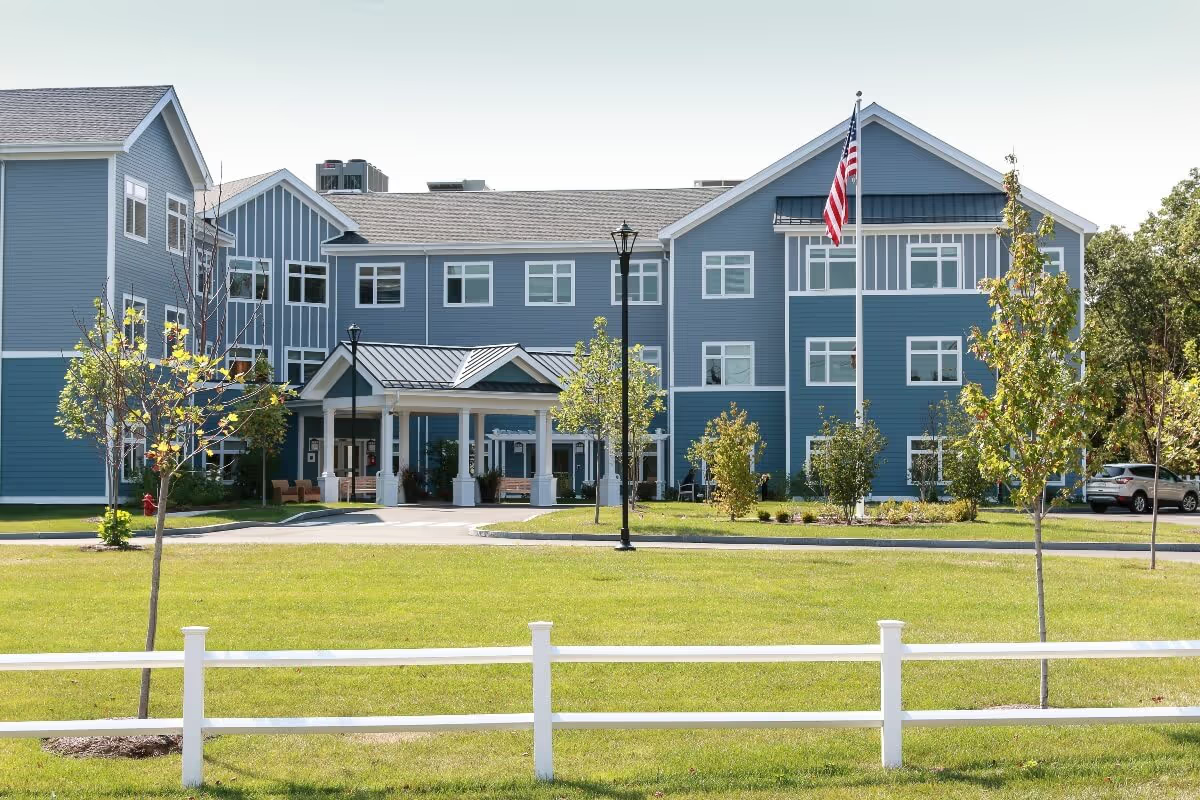
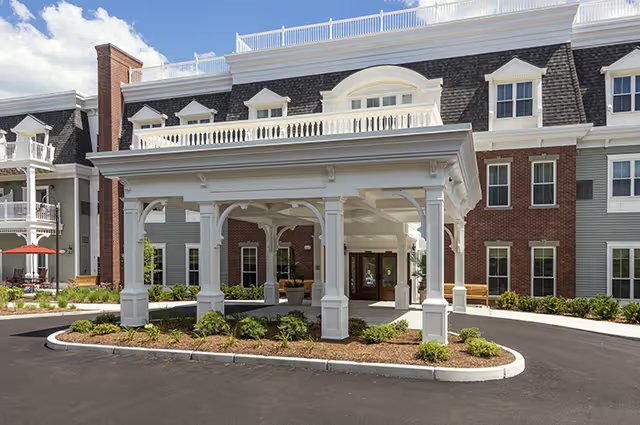
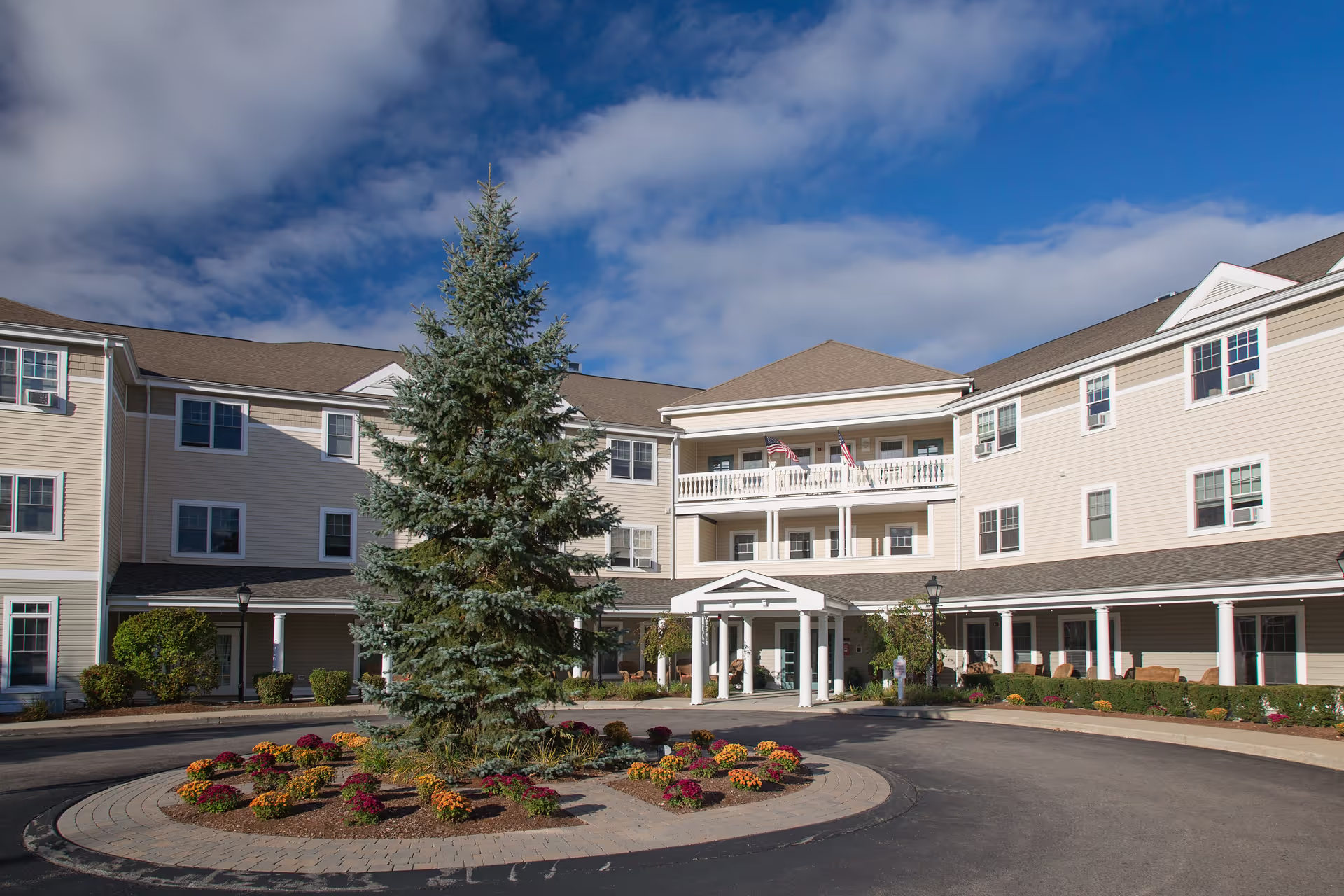
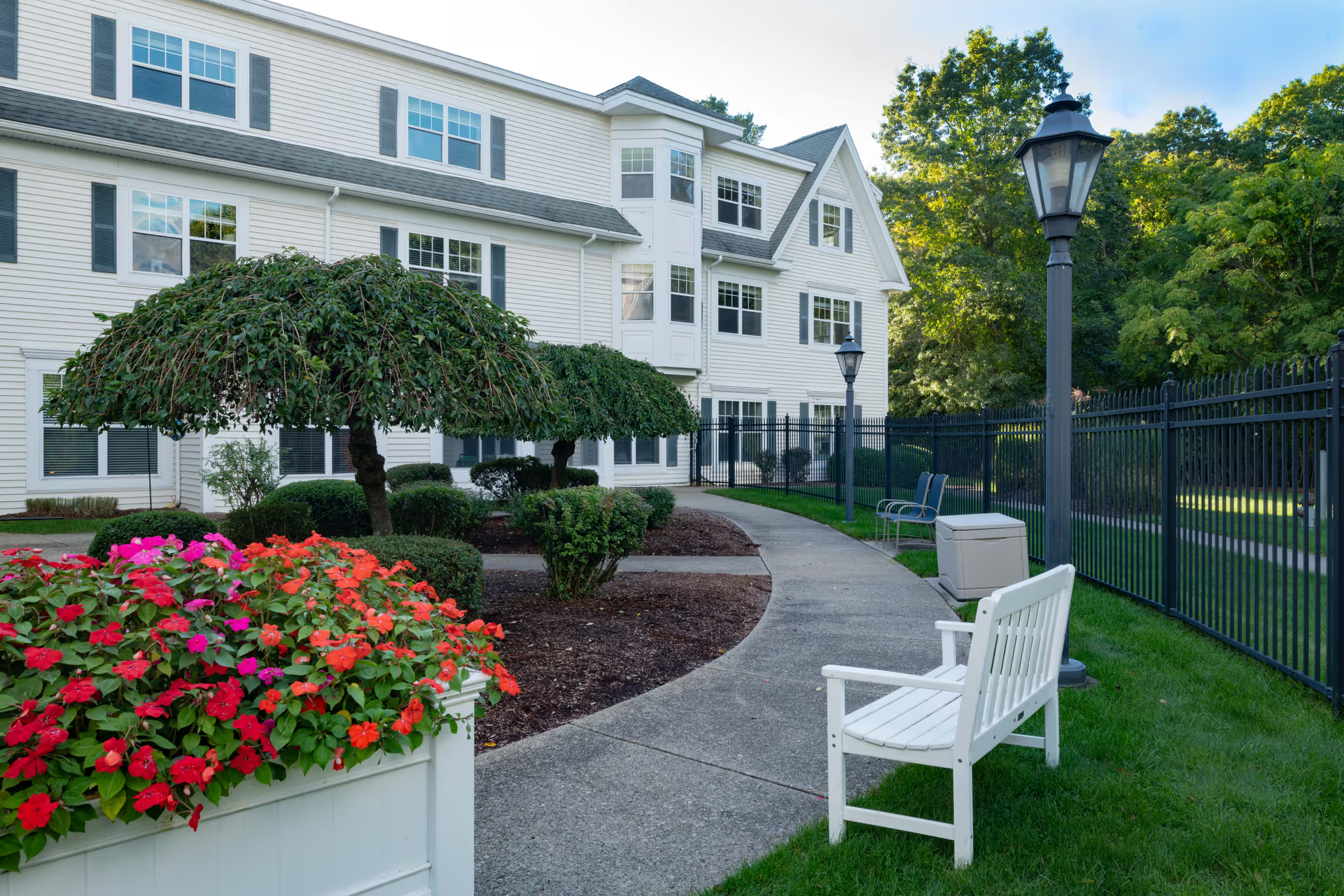
Foremost at Sharon elicits a mixed but distinct pattern of strengths and operational weaknesses. Strengths concentrate on the direct-care and rehabilitative side: many families describe compassionate, family-like nursing and CNA teams, low turnover among regular caregivers, and a robust PT/OT program that includes weekend availability. Activity programming is a clear asset — offerings cited include creative crafts, morning exercise, music and live performances, therapy animals, garden club, and religious services — and these programs are credited with improving residents' mood, engagement, cognition, and physical strength. Several reviewers also highlighted individualized discharge planning and routine family communication such as biweekly conference calls and social-media photo updates.
Clinical care impressions are generally positive where staffing and coordination are consistent. Reviewers cite attentive nurses, personalized care, and instances of round-the-clock support and goal-driven rehabilitation that exceeded expectations. At the same time, there are recurring operational concerns that can affect clinical outcomes: reviewers described instances that point to gaps in ongoing clinical monitoring and care coordination, with a small number indicating transfers to acute care. There are also expressed concerns about medication-management practices that warrant clarification during any tour or intake conversation.
Facility condition and environmental services are uneven. Positive comments about daily cleaning and a pleasant, welcoming atmosphere sit alongside reports of sanitation and odor concerns, pest-control issues in some areas, and visible wear from age and equipment traffic. Maintenance lapses — including broken equipment and general deferred upkeep — are cited by families who feel the building needs renovation or more proactive upkeep. Property-management issues such as repeated clothing losses and front-desk professionalism lapses were also reported, suggesting the need for stronger laundry/property controls and customer-service oversight.
Management and communication show both strengths and vulnerabilities. Some families praised supportive leadership, helpful discharge planning, and active outreach to families. Conversely, other reviewers described unfilled administrative roles, an unresponsive director-level presence, and inconsistent incident transparency. Food-safety and dining quality emerged as another mixed area: while some families found meal service adequate, others raised concerns about food handling and consistency of dining services.
For prospective residents and families: weigh the facility's therapeutic and social programming and the presence of dedicated caregivers against operational concerns about facility condition, sanitation in parts of the building, staffing consistency, and administrative responsiveness. Recommended due-diligence steps include an on-site tour focused on resident rooms and common areas, asking for current staffing ratios and weekend therapy coverage, reviewing medication-management and hydration-monitoring protocols, requesting laundry/property procedures, inspecting the kitchen or menu rotations, and reviewing recent inspection or complaint history. These checks can help clarify whether the facility's strong rehabilitation and activity offerings align with expectations for environmental standards and care reliability.