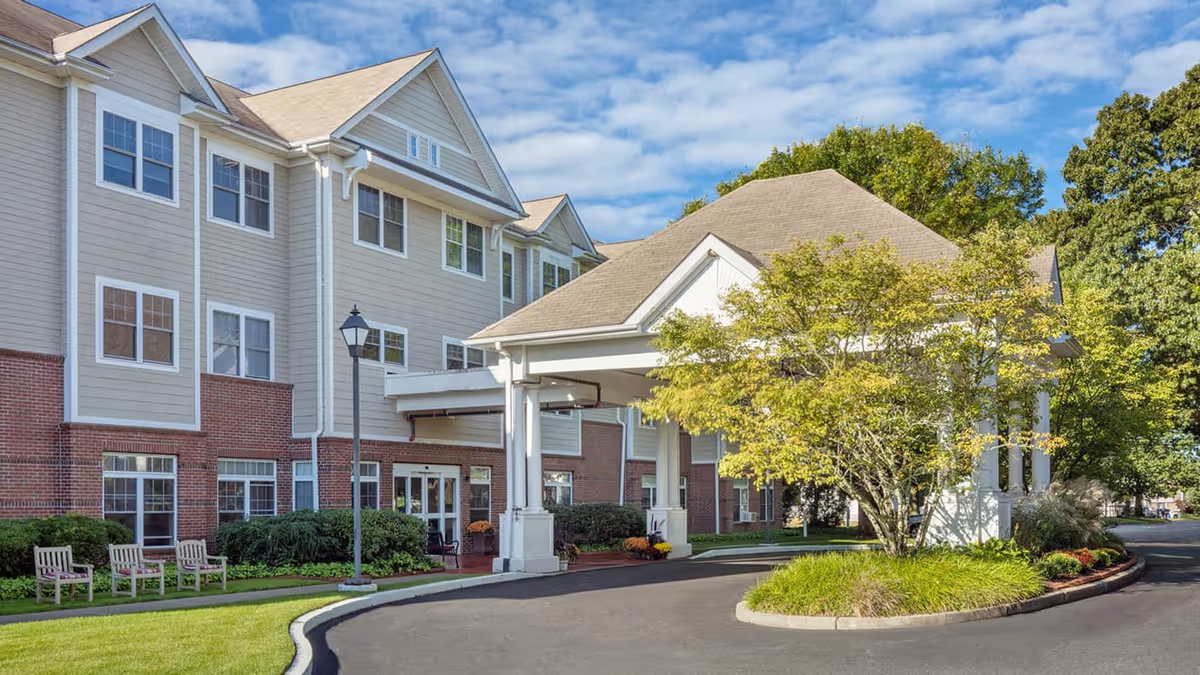
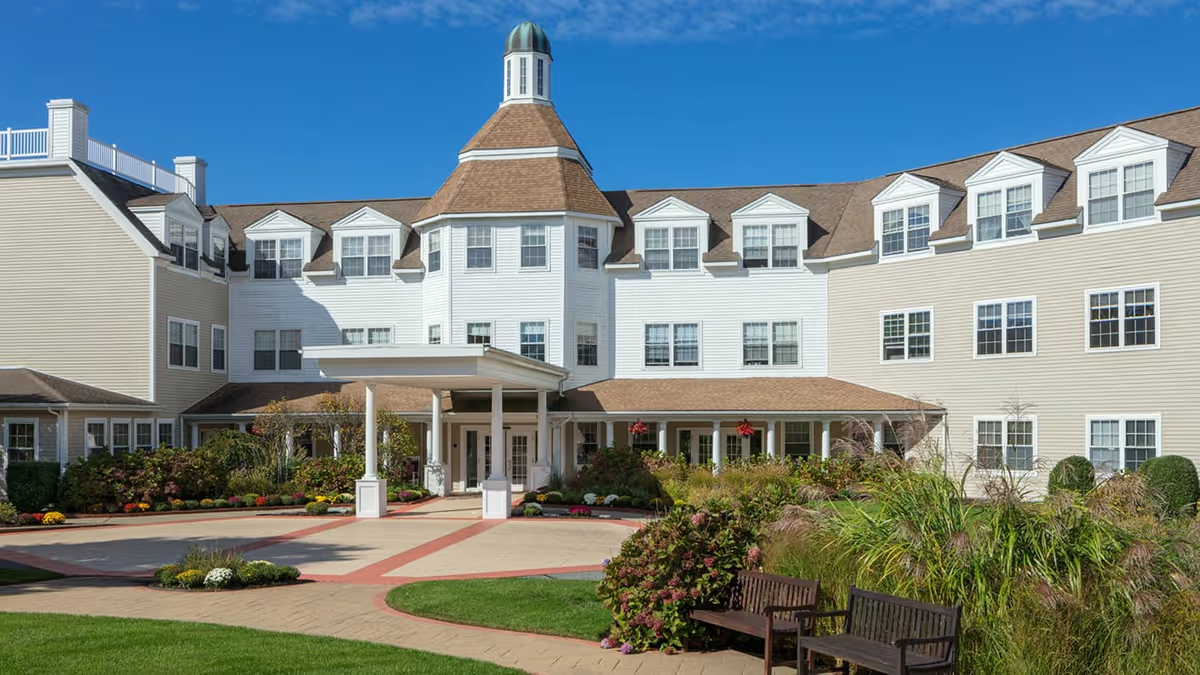
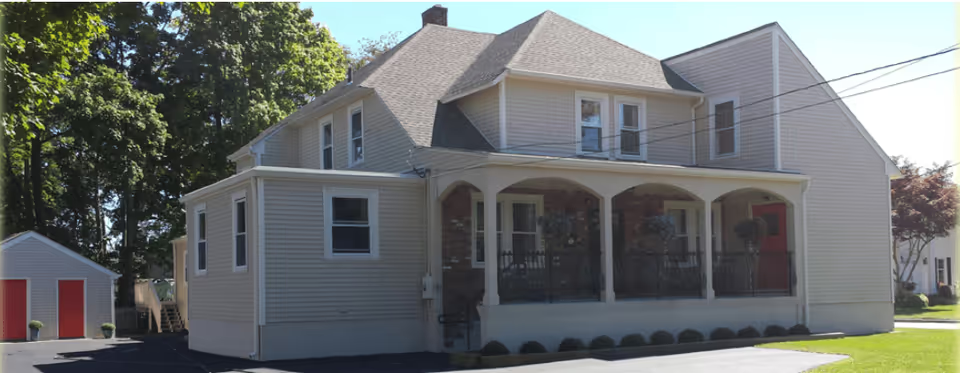
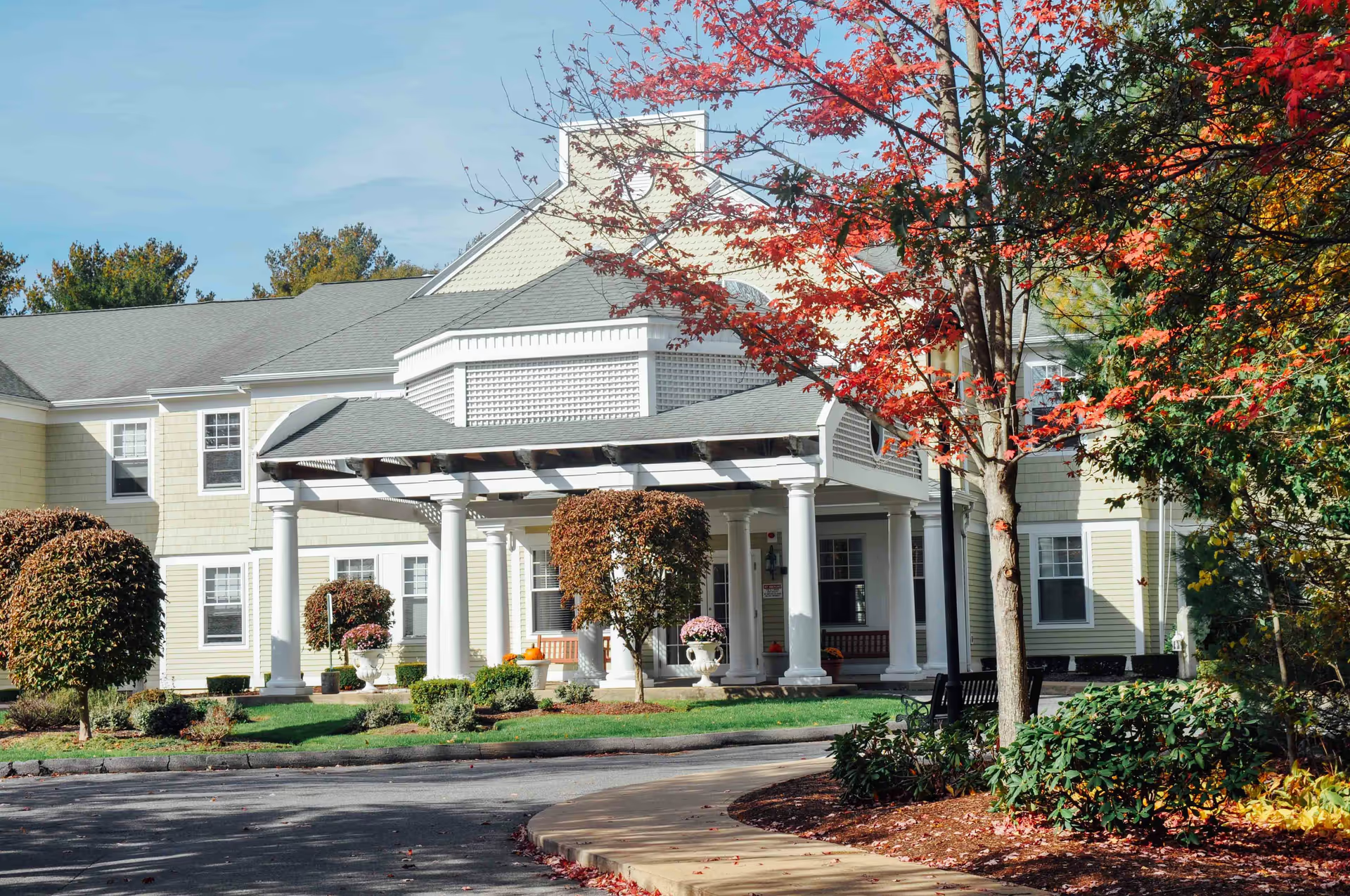
The reviews depict a facility with a mixed performance profile: many families and residents praise individual caregivers, therapy staff, and certain administrative employees for compassionate, attentive service, while other accounts describe operational weaknesses that have adversely affected care continuity. Strengths most consistently referenced include a skilled therapy department (PT/OT), an active activities program, and individual staff members in nursing, admissions, and business-office roles who provide effective assistance and coordination. Multiple reviewers emphasized a clean, well-decorated, home-like environment and examples of family-centered events and social engagement that contribute positively to resident quality of life.
Care quality descriptions vary widely. Positive reports highlight dedicated nurses and aides, frequent therapy sessions (including six-days-per-week programs), and staff who anticipate resident needs and communicate clearly. Conversely, a number of accounts raise concerns about delayed assistance for basic needs, wound-management and bathing/incontinence-care inconsistencies, and episodes that required hospital transfer. These contrasting narratives suggest unevenness in clinical oversight and responsiveness: while some residents receive attentive, timely care, others experienced delays in medication administration, prolonged response times to requests for help, and problems with equipment or supplies that interfered with planned therapies or respiratory support.
Staffing and management emerge as central drivers of both praise and criticism. Positive mentions of individual employees—especially in admissions, social services, and select nursing roles—indicate that committed staff can deliver strong family communication and coordination. However, recurring themes of staffing instability, turnover, shift no-shows, and management layoffs correlate with reports of delayed care, inconsistent handoffs, and morale issues. Reviewers also describe uneven administrative responsiveness: some families experienced quick resolutions, while others found communication and follow-up to be lacking.
Dining and daily-living services are described inconsistently. A number of reviewers cited nutritious meals and attentive service, but many others noted repetitive menus and limited variety. Housekeeping and the facility’s general maintenance receive largely positive remarks for cleanliness and decor, although isolated sanitation and odor concerns are mentioned alongside equipment failures (for example, respiratory equipment or oxygen devices) and occasional supply shortages.
Notable patterns across reviews include strong therapy and activities programming and the presence of highly regarded individual staff, contrasted with operational gaps that affect timeliness and clinical reliability. Families considering placement should weigh the facility’s capacity for rehabilitation and social engagement against the risk of inconsistent staffing, delayed responses to resident needs, and variable administrative follow-through. Prospective residents and families may benefit from asking about current staffing ratios, recent turnover, call-button response metrics, medication-administration protocols, equipment-maintenance procedures, and examples of how management addresses adverse clinical events to assess present conditions rather than relying solely on past accounts.