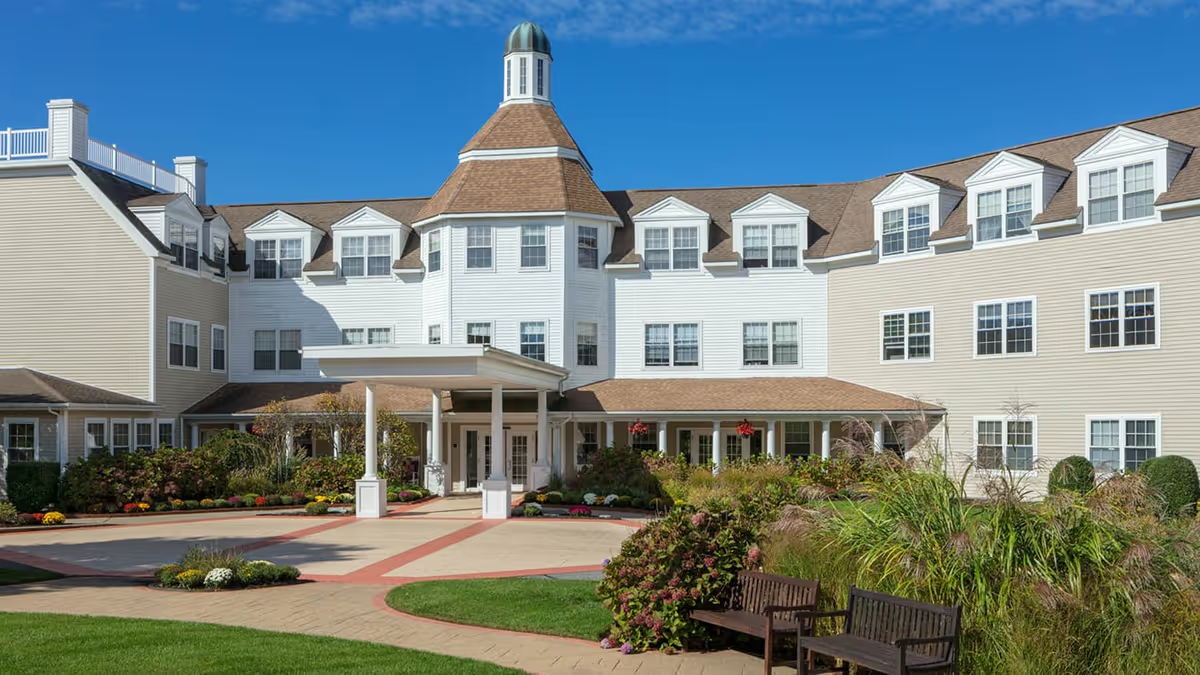
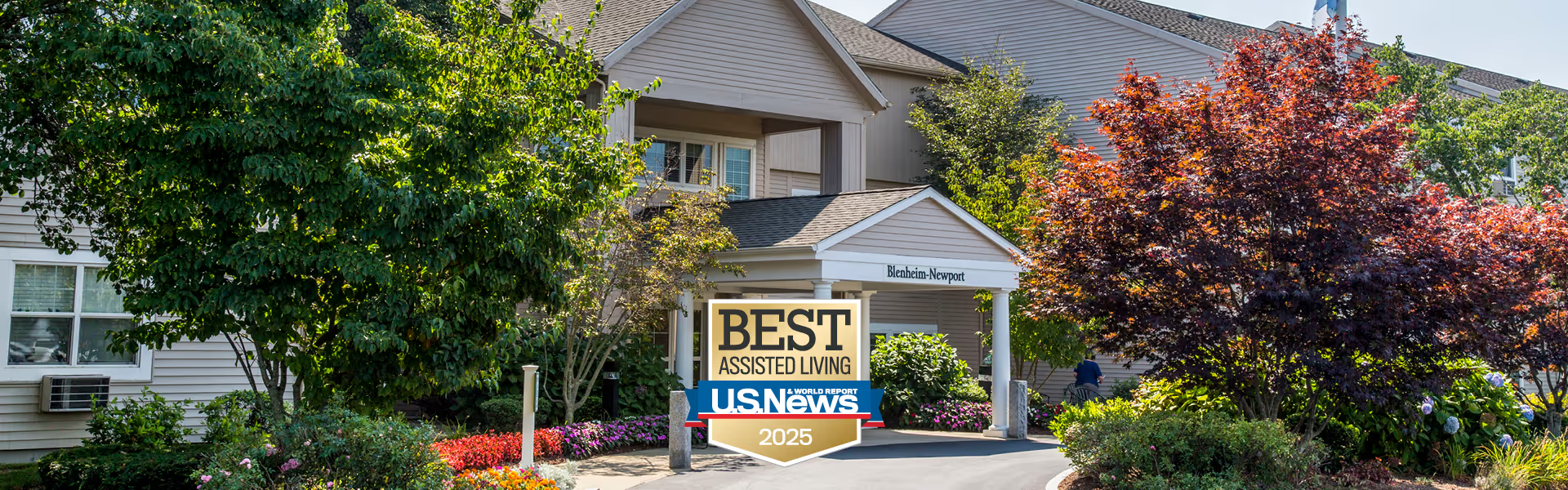
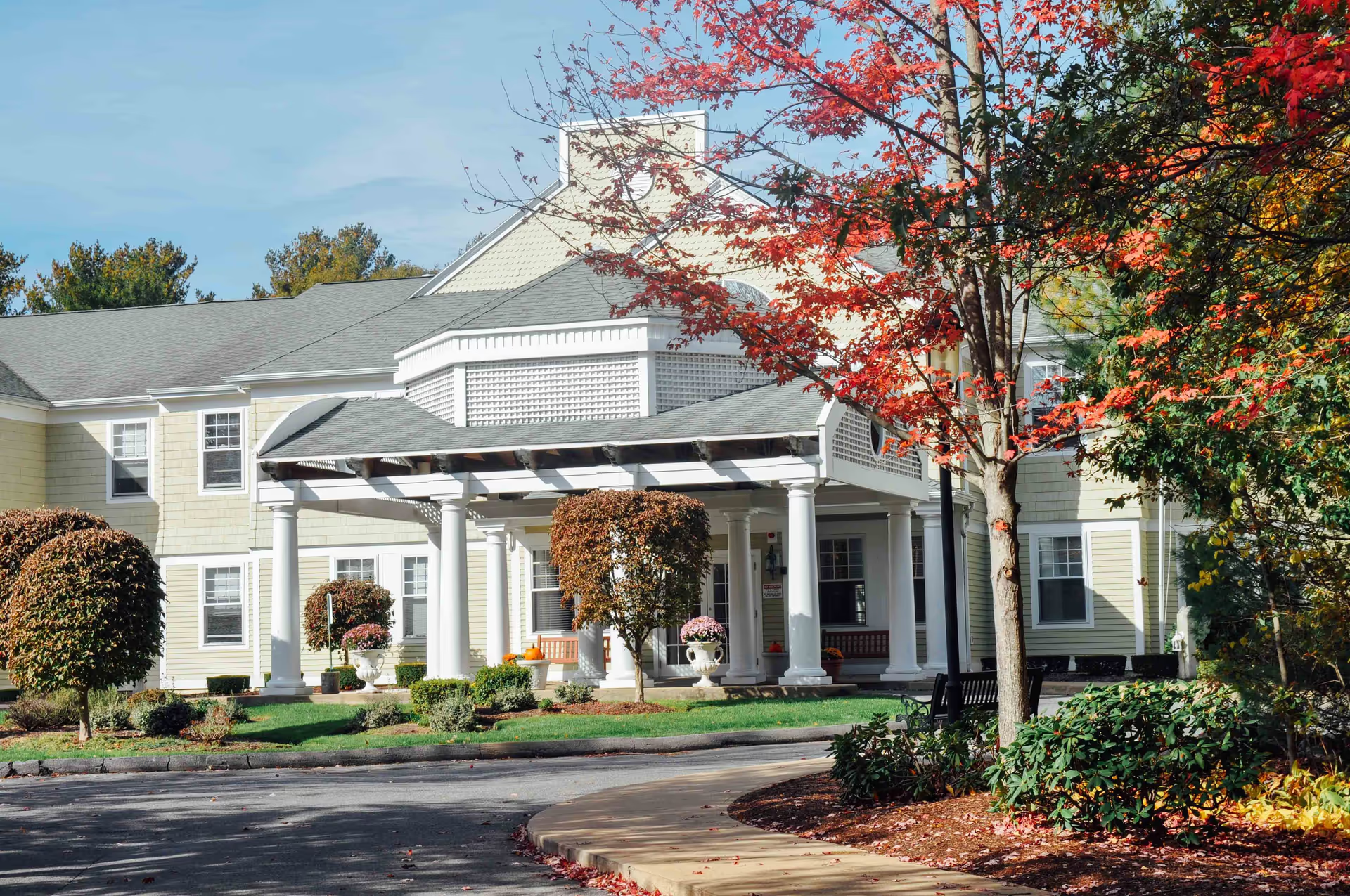
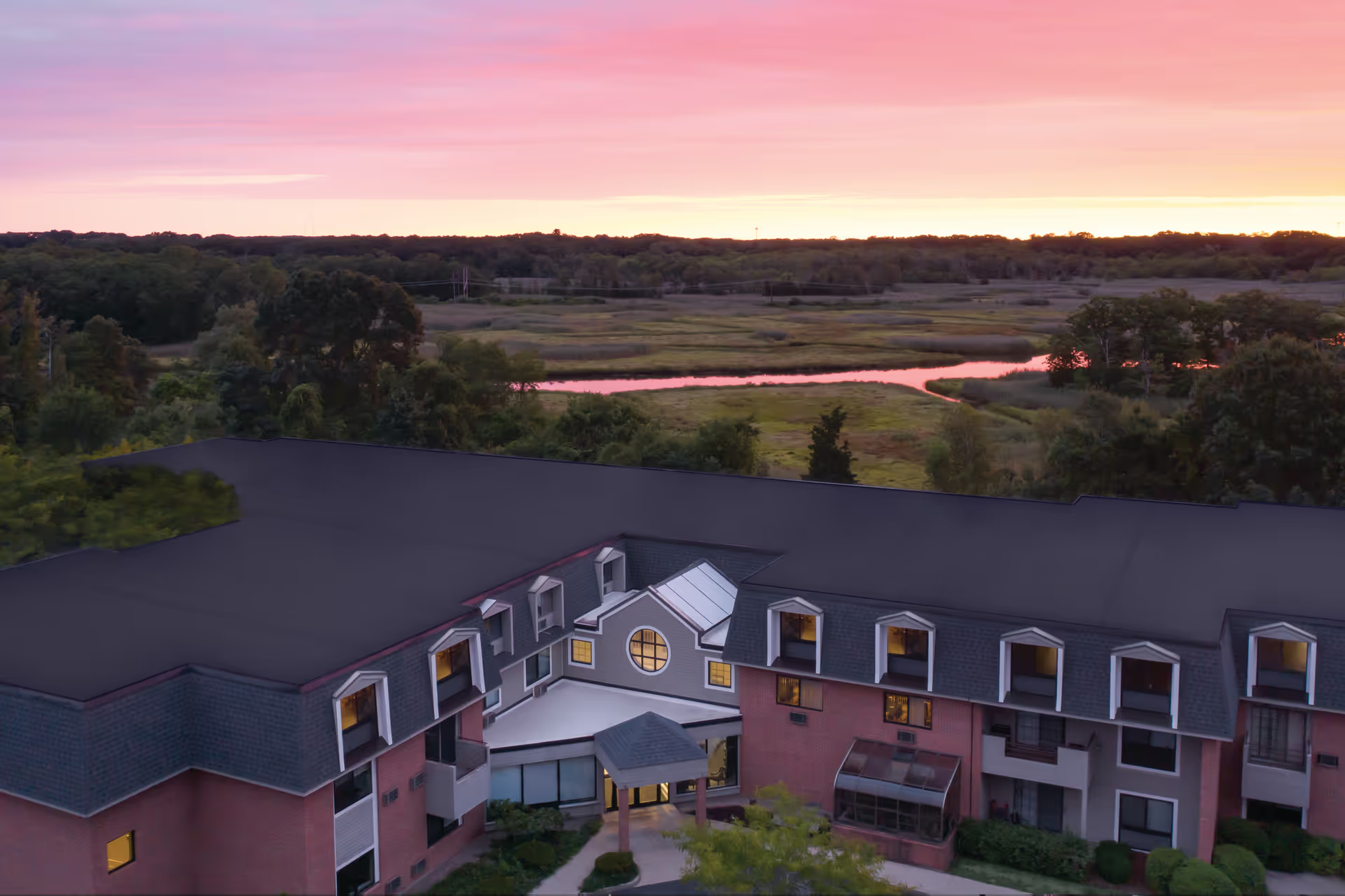
Overall impression Residence at Cedar Dell is described predominantly as a clean, well‑maintained senior living community with a strong emphasis on resident engagement and a family‑like atmosphere. Reviewers frequently praise compassionate, attentive staff and the facility’s housekeeping and groundskeeping. Private apartment features (individual climate control, ensuite bathrooms, mini‑fridges and microwaves) and a secure memory-care neighborhood are repeatedly called out as strengths. Many families describe a positive move‑in experience and active admissions support.
Care quality and staffing Care quality is characterized as generally high: families note caring nurses, good PT/OT services, and strong supervision in the memory-care neighborhood under identifiable leadership. At the same time, there is variability in staff training and day‑to‑day coverage. Multiple accounts indicate staffing shortages or moments when direct‑care responsiveness lagged; this appears to contribute to inconsistent resident experiences. There are also notable limitations tied to nursing scope (which may vary by jurisdiction), and some reviewers highlighted gaps in medication assistance. Prospective residents should clarify current staffing ratios, competency training, and the facility’s policy on medication administration.
Dining and culinary services Dining is a prominent and mixed theme. Many residents and families praise varied dining options, bistro offerings, special‑event meals, and high‑quality food prepared by kitchen staff. Conversely, other accounts describe a shift toward more cafeteria‑style service, cost‑driven ingredient choices, and interruptions to meal continuity. These divergent impressions point to inconsistencies in culinary management and meal delivery. Families should ask about the current dining model, sample menus, how specialty or high‑demand items are managed, and who is available to address dining concerns.
Activities and amenities Cedar Dell offers a broad calendar of engagement: exercise classes (including Tai Chi and strength training), arts and crafts, live music, outings, games, and faith‑based programs. On-site amenities include a library, salon/barber, exercise room, courtyards, and transportation services. These resources contribute to frequent praise for the community’s social life and resident satisfaction. Reviewers commonly describe a home‑like environment with active programming and opportunities for family involvement.
Management, communication, and value Administrative experiences are mixed. Several families commend specific leaders and staff for responsiveness, transparent onboarding, and clear communication during the pandemic. At the same time, there are cited instances of delayed callbacks, misdirected communications, and limited access to managers for resolving culinary or care issues. Cost and contract clarity are recurring concerns: some reviewers perceive pricing as high relative to included services (for example, cable or certain supplies may not be included). There are also a few references to climate‑control reliability and occasional abrupt discharge or transition communication that suggest gaps in transitional care planning.
Notable patterns and guidance for prospective families The dominant positive pattern is strong interpersonal care, cleanliness, active programming, and attractive amenities. The dominant negative patterns are operational: inconsistent culinary management, variability in staff training and coverage, communication accessibility, and cost‑value clarity. Prospective families would benefit from asking targeted questions about current staffing levels and training, exact scope of nursing/medication assistance, sample dining schedules and escalation paths for food issues, HVAC reliability, and which services are included versus billed separately. Requesting recent staffing schedules, a walk‑through of the memory‑care neighborhood, and contactability expectations for leadership can help set realistic expectations prior to move‑in.