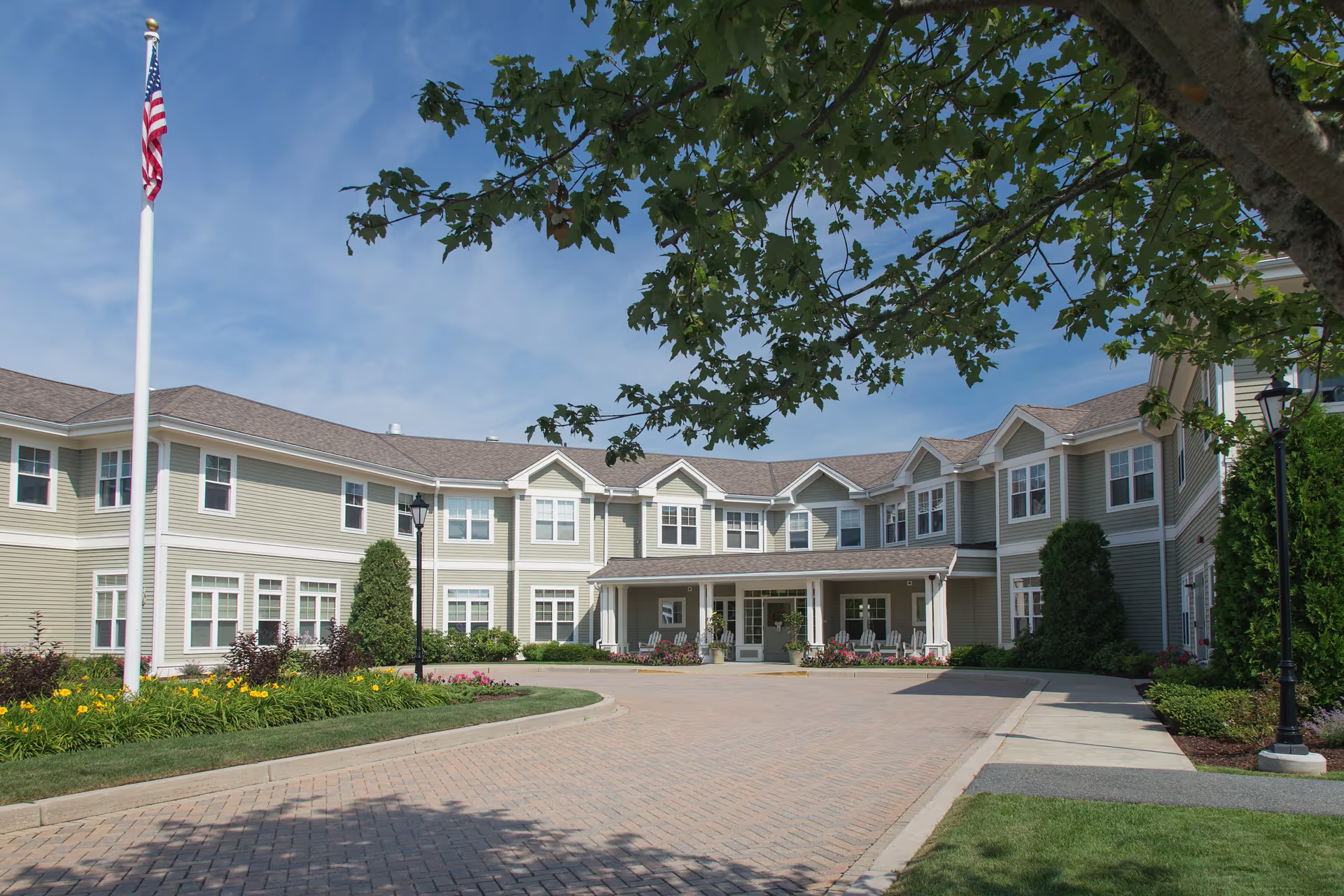
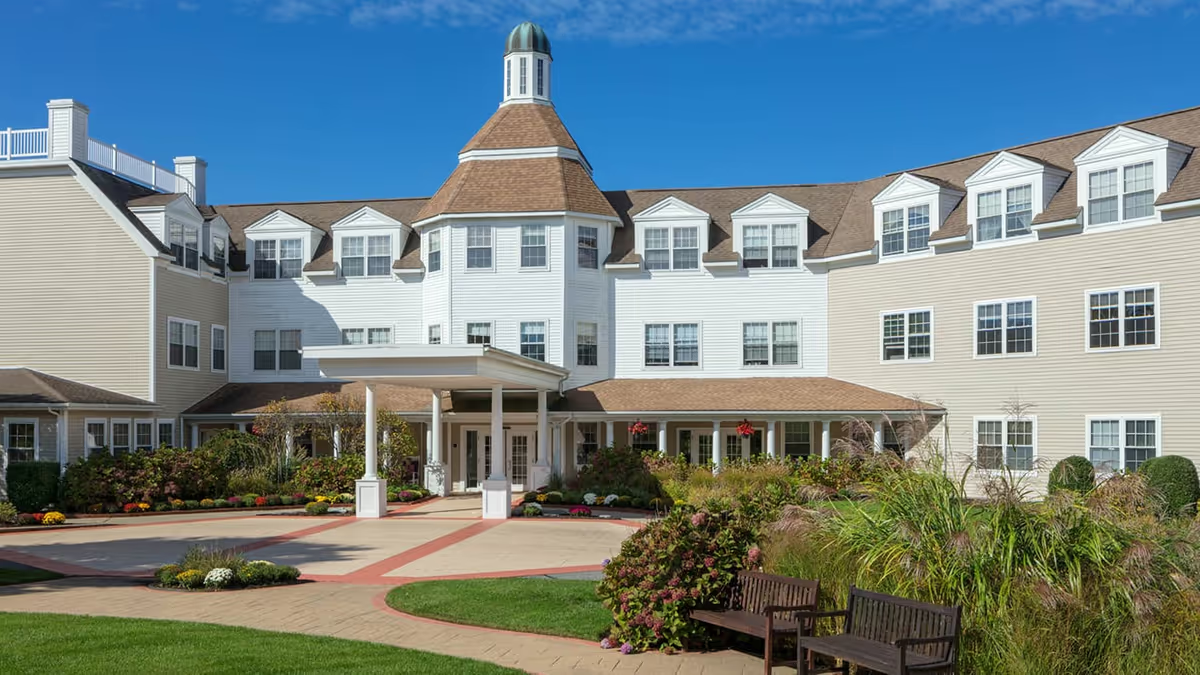
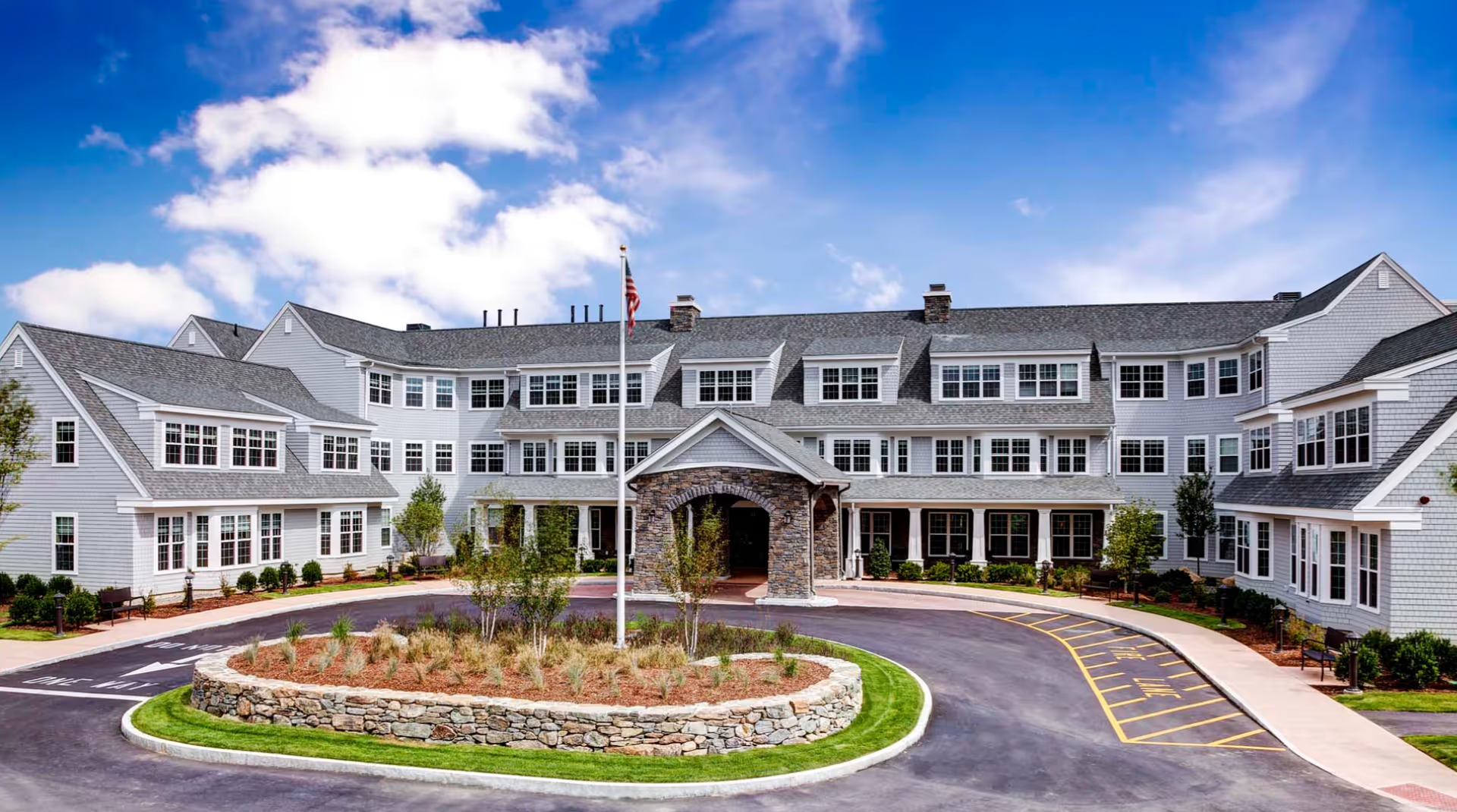
The Cottages of Dartmouth Village is frequently described as an attractive, well-maintained assisted living and memory-care community built around a cottage-style small-house model. Reviewers commonly highlight the intimate 10–15 resident cottages, tidy interiors, and carefully tended grounds and gardens. Many families praised the atmosphere as home-like and social, with family-style dining, personalized celebrations, on-site conveniences (hair and nail services), and an activities program that includes exercise classes, music, scenic bus trips and outings. Several accounts emphasize staff warmth and compassion, with caregivers who know residents by name and use calming techniques appropriate for dementia care.
Care quality and staffing present a mixed picture. Numerous families reported attentive, skilled caregiving from aides and praised individual managers for responsive communication and coordination. At the same time, there are recurrent operational concerns: inconsistent staffing levels, occasional high turnover, and gaps in clinical oversight including lack of continuous RN coverage. Reviewers described medication-administration lapses and at least one instance of a medication error, which points to variability in medication-management processes and documentation. There are also multiple references to falls that resulted in significant injuries, suggesting weaknesses in fall-prevention staffing or safety protocols for higher-mobility-risk residents.
Dining and activities are strengths for many residents. Food is often described as nutritious and enjoyable, and activities staff receive consistent praise for keeping residents engaged, especially for general assisted living. However, activity quality is sometimes characterized as canned or not finely tuned to residents with moderate-to-advanced dementia; families seeking intensive, dementia-specific programming or clinical behavioral supports may find the offerings insufficient without supplemental resources.
Facility appearance and management style earn favorable mentions alongside notes of variability. The campus design and small-house cottages support social connection and individualized attention, and several families singled out on-site managers for clear, frequent communication and rapid response in clinical situations. Conversely, other families reported communication lapses, unaddressed incident reports, and concerns about billing transparency — including automatic charges and unexpected fees. There are also isolated but serious allegations related to theft and financial misconduct that should prompt prospective families to review billing practices and controls during admissions discussions.
Overall impression: Dartmouth Village appears to be a strong option for prospective residents seeking an attractive, socially active, cottage-style assisted living environment with compassionate direct-care staff and a broad activities program. Prospective residents and families should verify operational details during a tour and admissions conversation — specifically staffing ratios and turnover, RN coverage and clinical oversight, fall-prevention protocols, medication-administration policies, dementia-program specifics, and billing practices — to ensure the community is an appropriate match for higher-acuity dementia needs or mobility- and safety-sensitive care requirements.