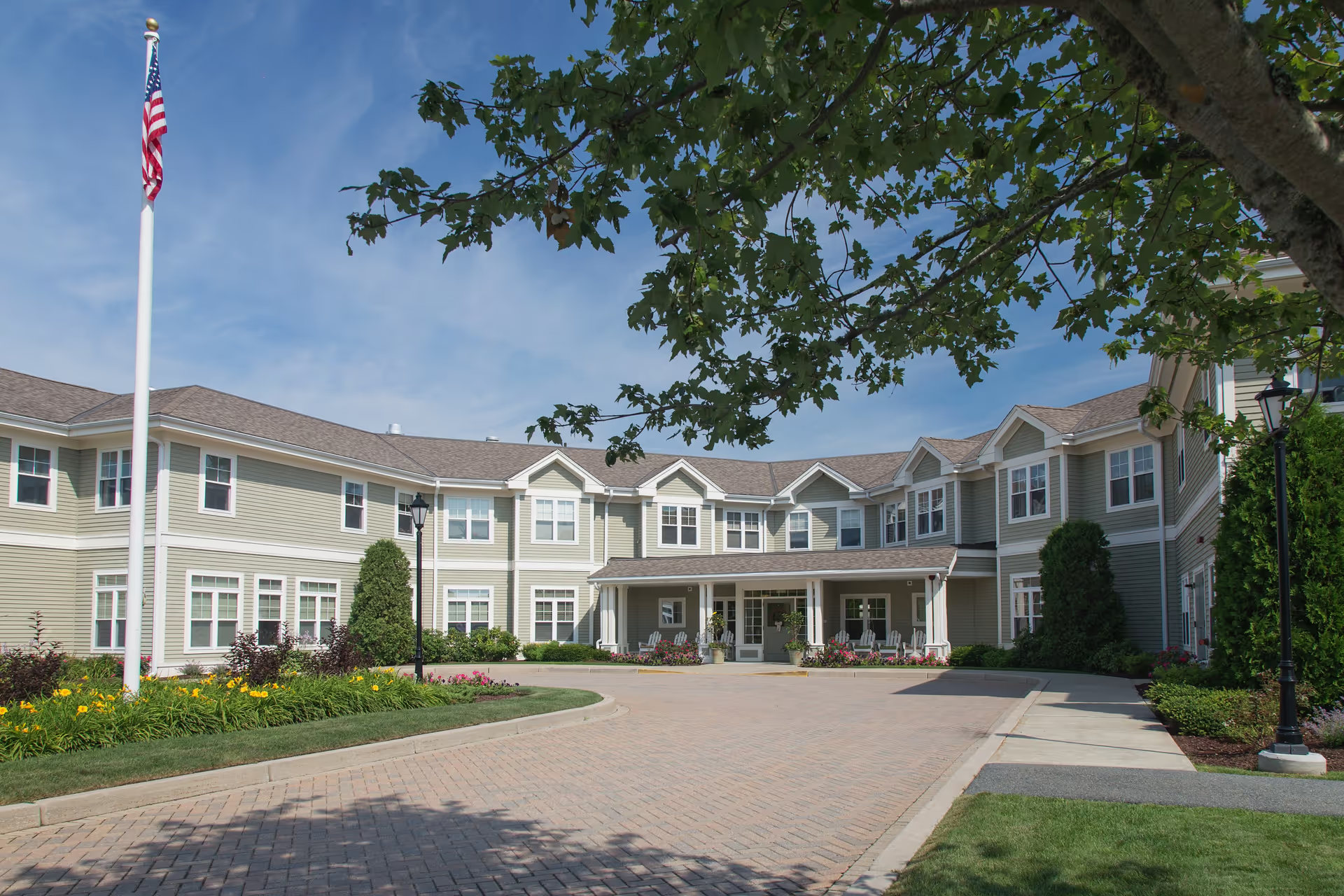
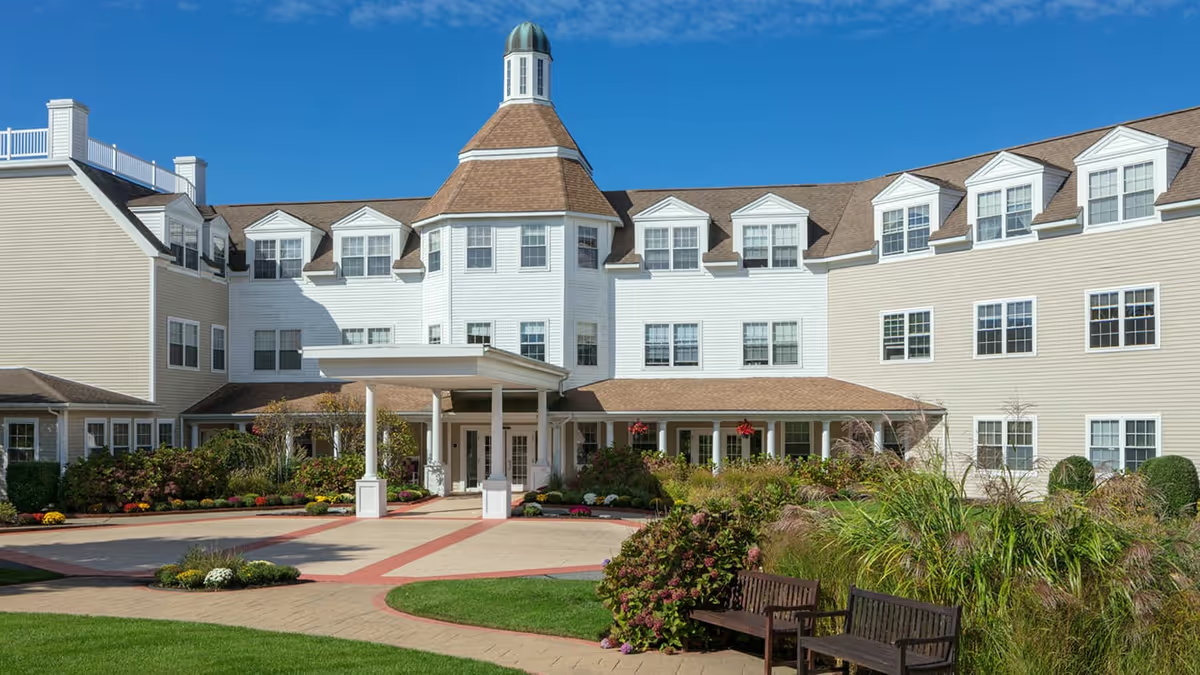
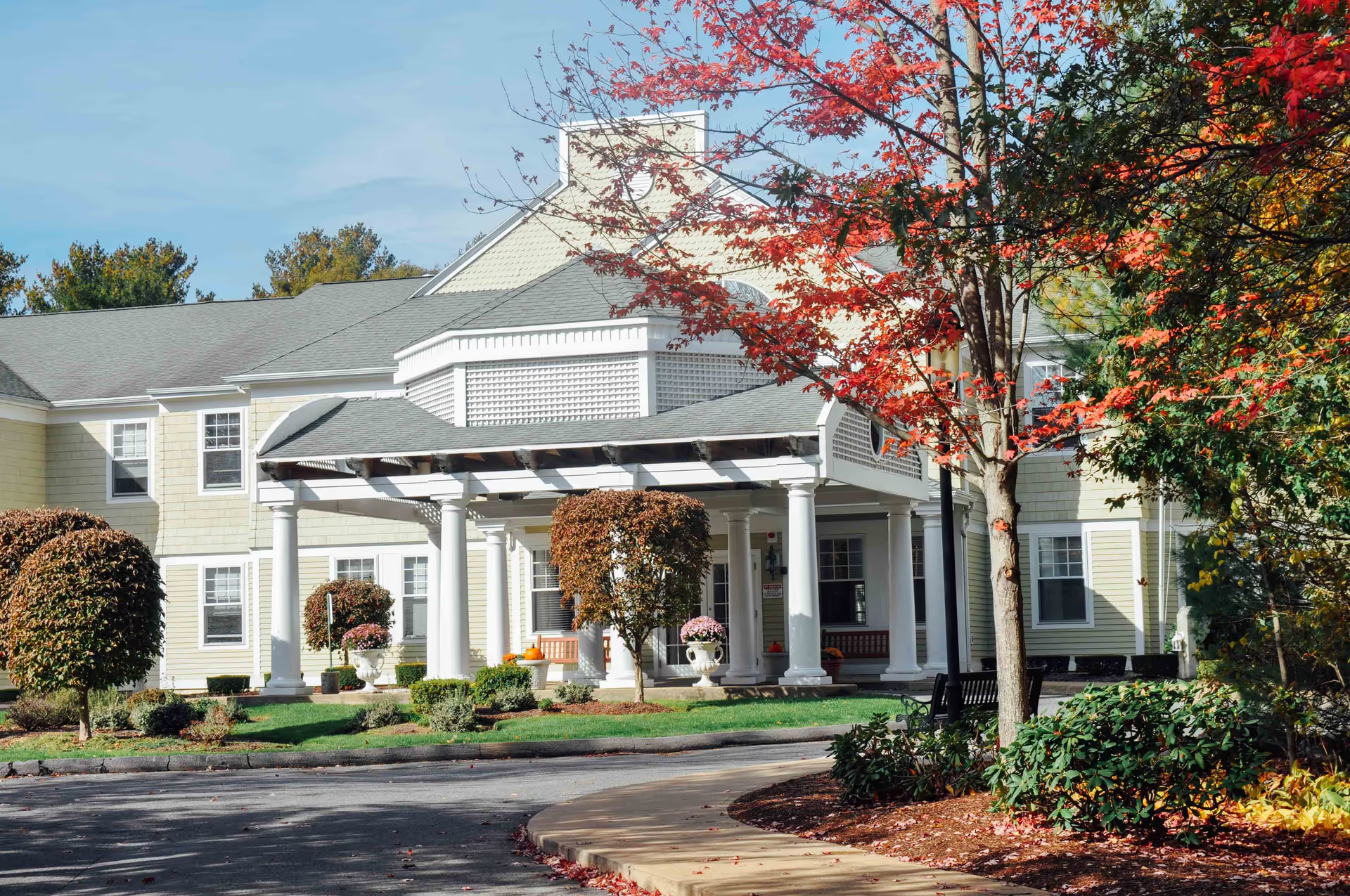
Autumn Glen at Dartmouth is consistently described as a warm, hotel-like assisted living community with a strong emphasis on social engagement, family communication, and memory-care programming. Families frequently highlight compassionate, attentive caregivers across departments — CNAs, nurses, dining staff, recreational therapists, and leadership — and many reviewers characterize the community as having a family-like culture. The property itself is often praised for its modern, well-maintained appearance, multiple apartment layouts, on-site services (dentist, hairstylist), routine housekeeping and laundry, and amenities that reinforce a residential rather than institutional feel.
Care quality is generally viewed positively for assisted living and memory-care-level needs. Reviewers cite knowledgeable dementia programming, creative redirection techniques, and active memory-care engagement that improves mood and participation for many residents. There are repeated accounts of responsive clinical staff and instances of timely emergency reaction, which families described as providing peace of mind. At the same time, a pattern emerges around the limits of on-site clinical capability: the community does not provide higher-level skilled nursing care, and several families expressed concern about how the facility handles advanced medical needs or transitions to higher levels of care.
Dining and activities are prominent strengths. Meals are frequently described as delicious, varied, and social, with special events such as barbecues, outings, music performances, and themed socials. Programming is broad — exercise, mindfulness, arts, games, recitals, and off-site trips — and reviewers credit the activities staff with keeping residents active and socially engaged. However, some families noted variability in program intensity and recent reductions in offerings tied to staff changes or ownership transitions, suggesting that activity schedules may not be uniformly stable over time.
Facility operations and management receive mixed but informative feedback. Many reviews praise clear communication from leadership, individualized attention from administrators, and quick responsiveness to family concerns. Conversely, mentions of staffing turnover, morale changes after ownership transitions, and isolated instances of clinical or supervisory lapses point to inconsistency in care continuity. Specific operational concerns described by families include intermittent cleanliness or odor issues in common areas, occasional seasoning variability in meals, mobility challenges related to the building’s large layout, and instances where staff training or protocols for managing aggressive behavior and medication escalation appeared inadequate.
Taken together, Autumn Glen presents as a strong option for prospective residents who prioritize an active, social environment, skilled dementia programming at the assisted-living/memory-care level, and a polished, residential setting. Prospective families should verify clinical scope and escalation pathways during tours — particularly how the facility handles advanced medical needs, supervision protocols in memory care, medication management procedures, staffing continuity, and current activity schedules — and confirm contractual terms related to transfers or higher-level care requirements. These checks will help align expectations about the community’s strengths and its operational limits.