The reviews for this facility present a mixed picture, with strong praise for front-line caregiving and notable operational concerns. On the positive side, many families and visitors describe nursing staff, CNAs, and the rehabilitation team as compassionate, skilled, and attentive. Several accounts highlight effective therapy services, steady clinical improvement for rehabilitating residents, a welcoming reception/concierge experience, and engaging activities such as birthday celebrations. Cleanliness and infection-control efforts are also mentioned positively in many comments, and the facility is noted to hold state-level regulatory approval.
Despite these strengths, recurring operational issues appear across multiple reviews. Staffing levels are a common concern, with descriptions of understaffing, especially overnight, and frequent delays in responding to call lights and resident requests. These staffing constraints are linked to longer wait times for assistance, perceived gaps in monitoring, and family concerns about timely attention to residents' needs. Relatedly, reviewers flagged medication-management and clinical-order adherence problems—families described instances where surgeon instructions or medication timing were not consistently followed, creating anxiety about clinical oversight.
Communication and administrative processes show considerable variability. Some families praised hands-on administrators and an involved CNE, while others reported poor responsiveness from leadership, miscommunication of contact numbers, misinformation during admission, and disputes over billing and length-of-stay expectations. Admissions and discharge coordination appear inconsistent, with a subset of families experiencing confusion about placement, transfers, and follow-up. Concerns about personal-property security, including allegations of missing items, further underscore the need for clearer intake and inventory procedures.
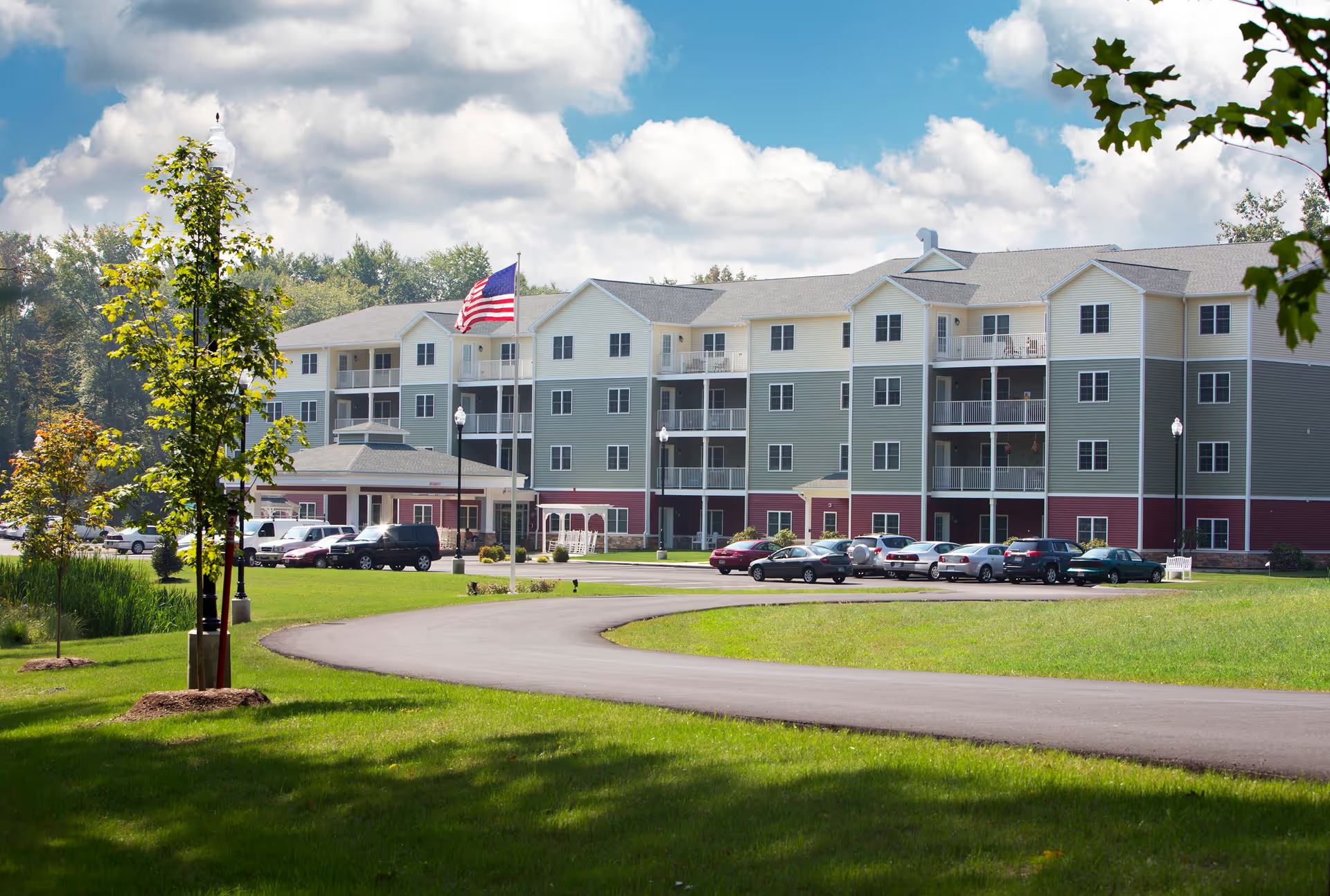
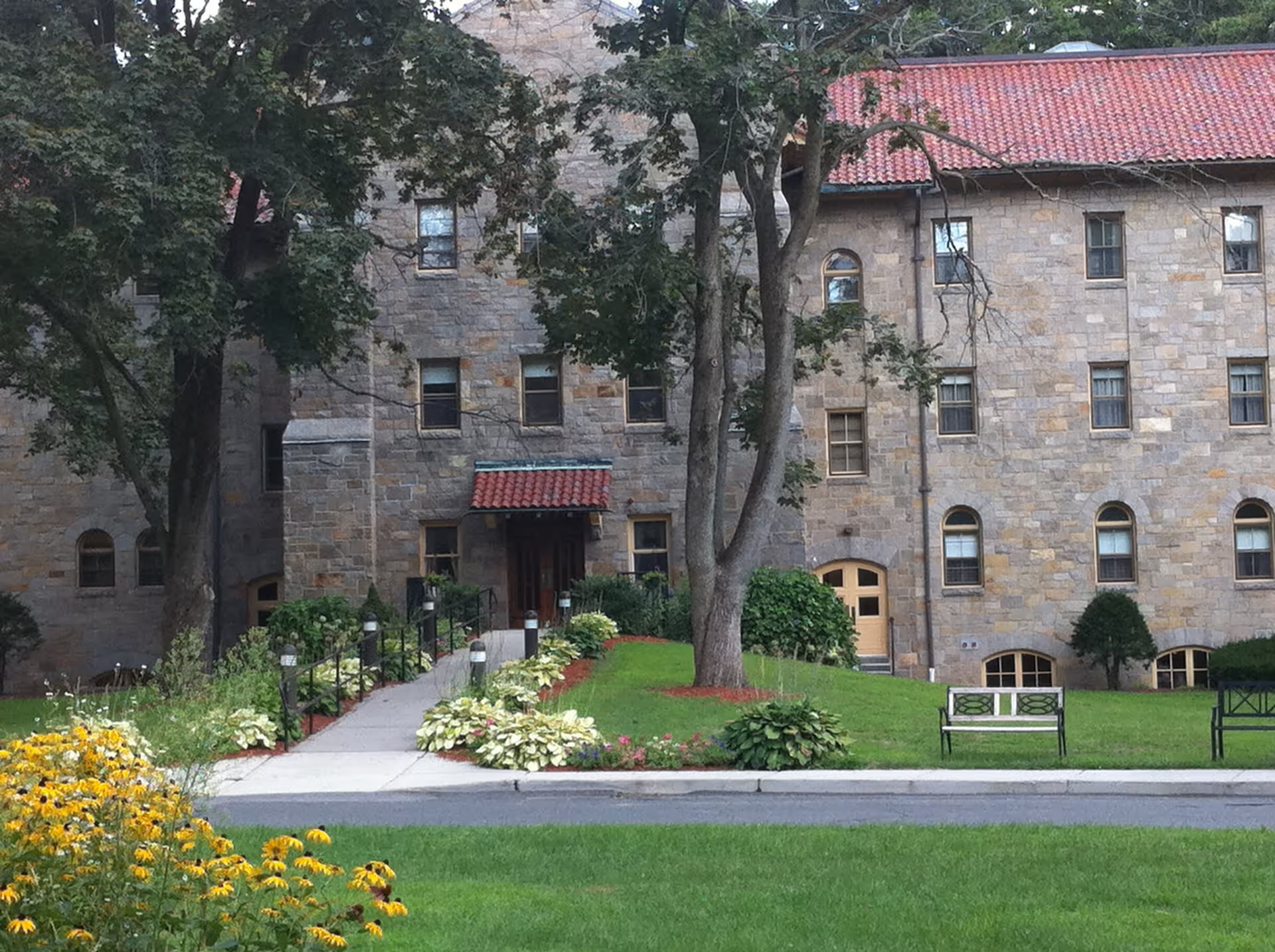
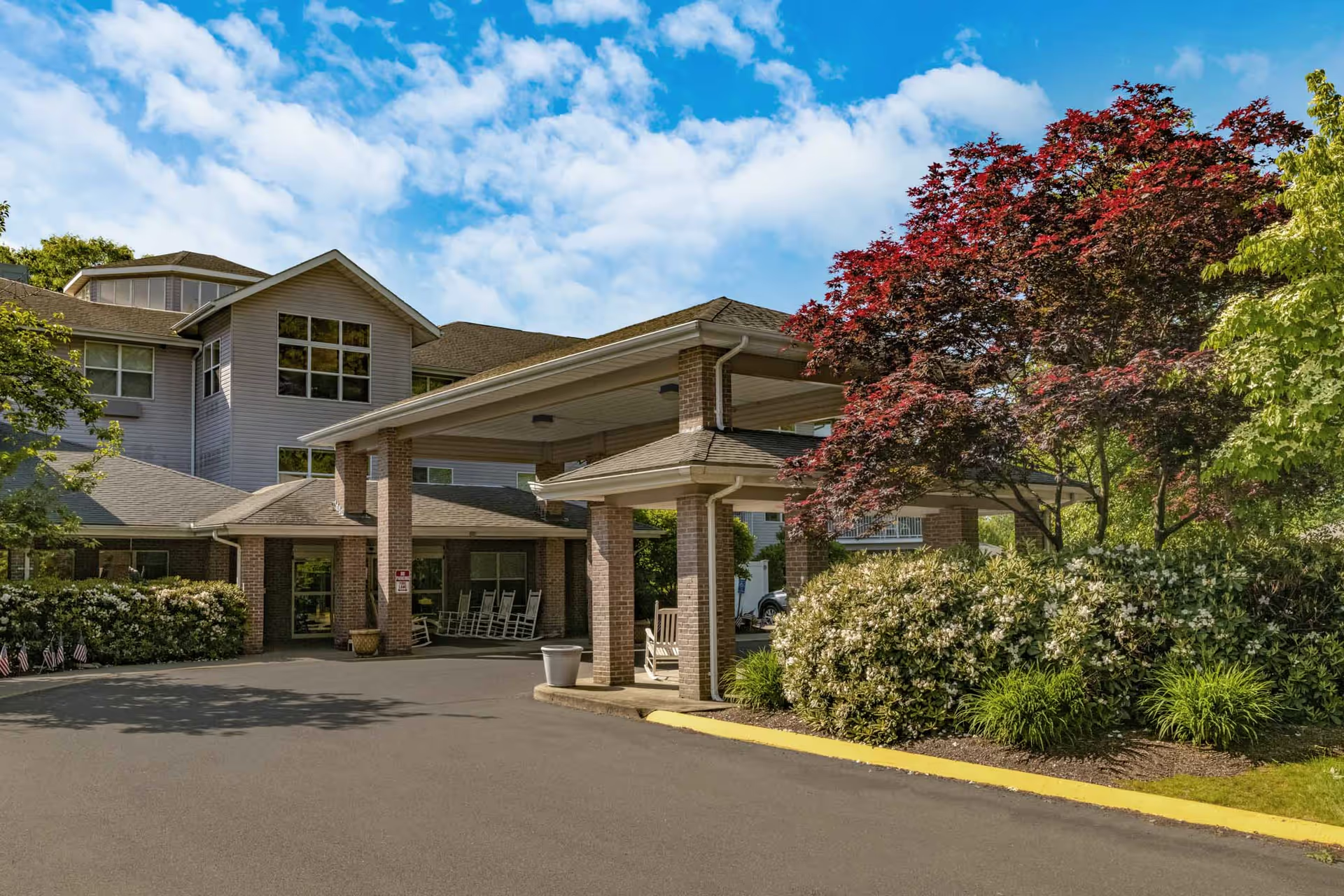
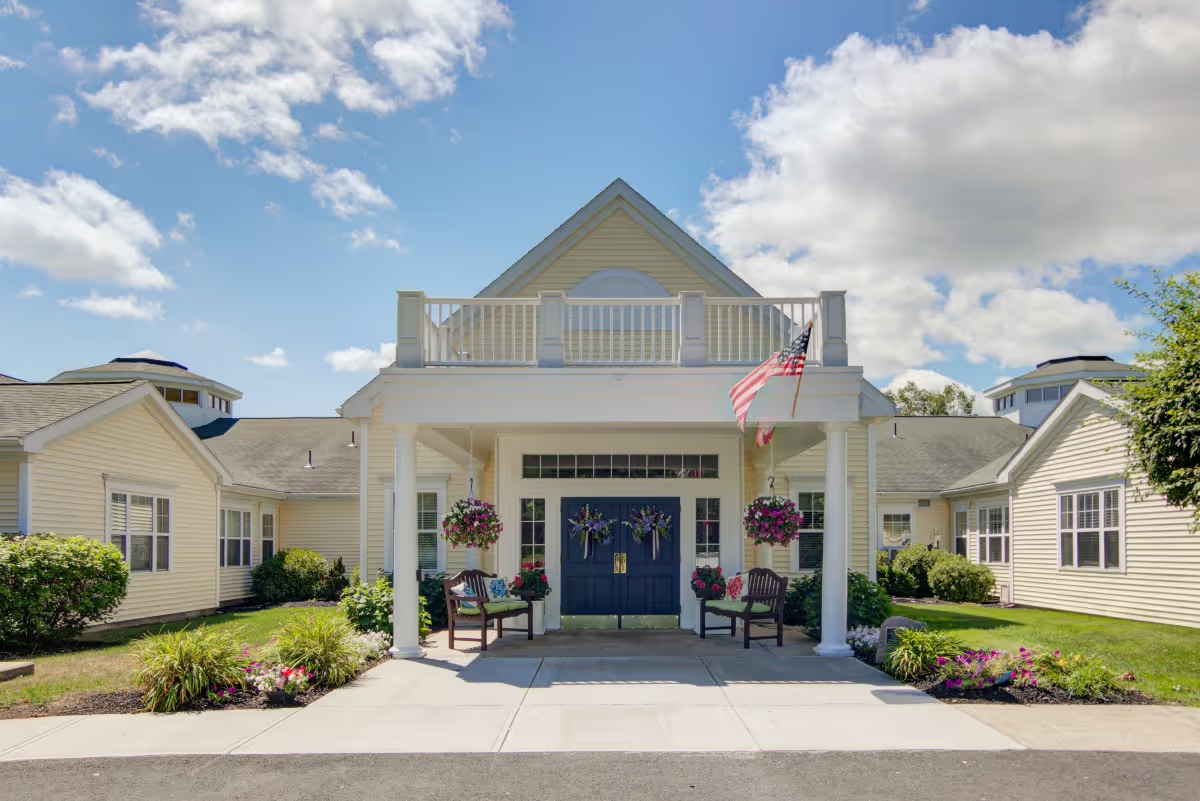
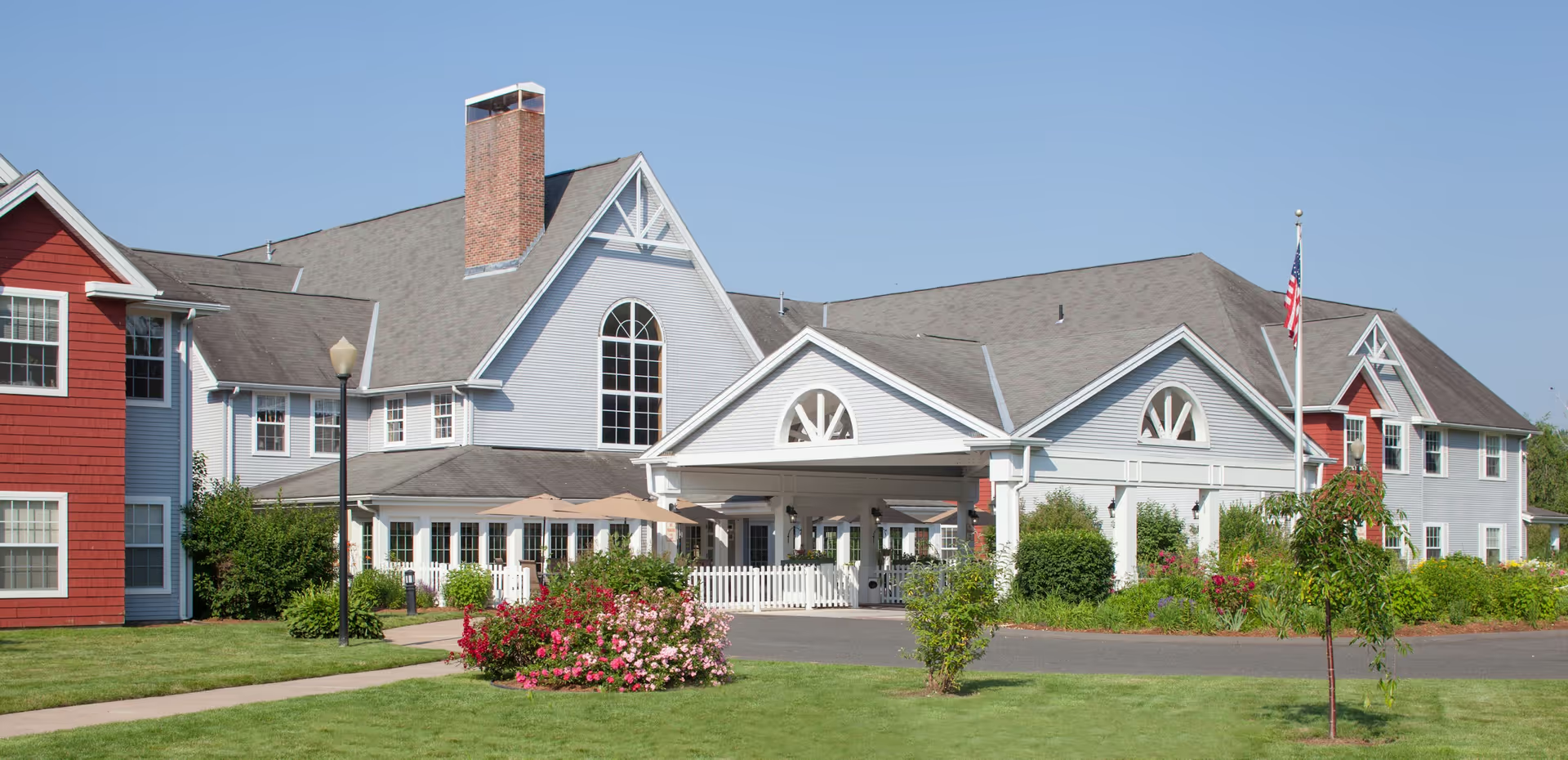
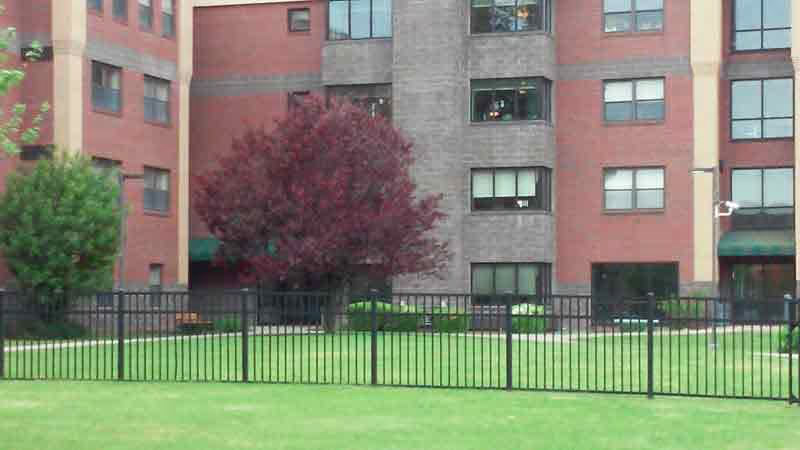
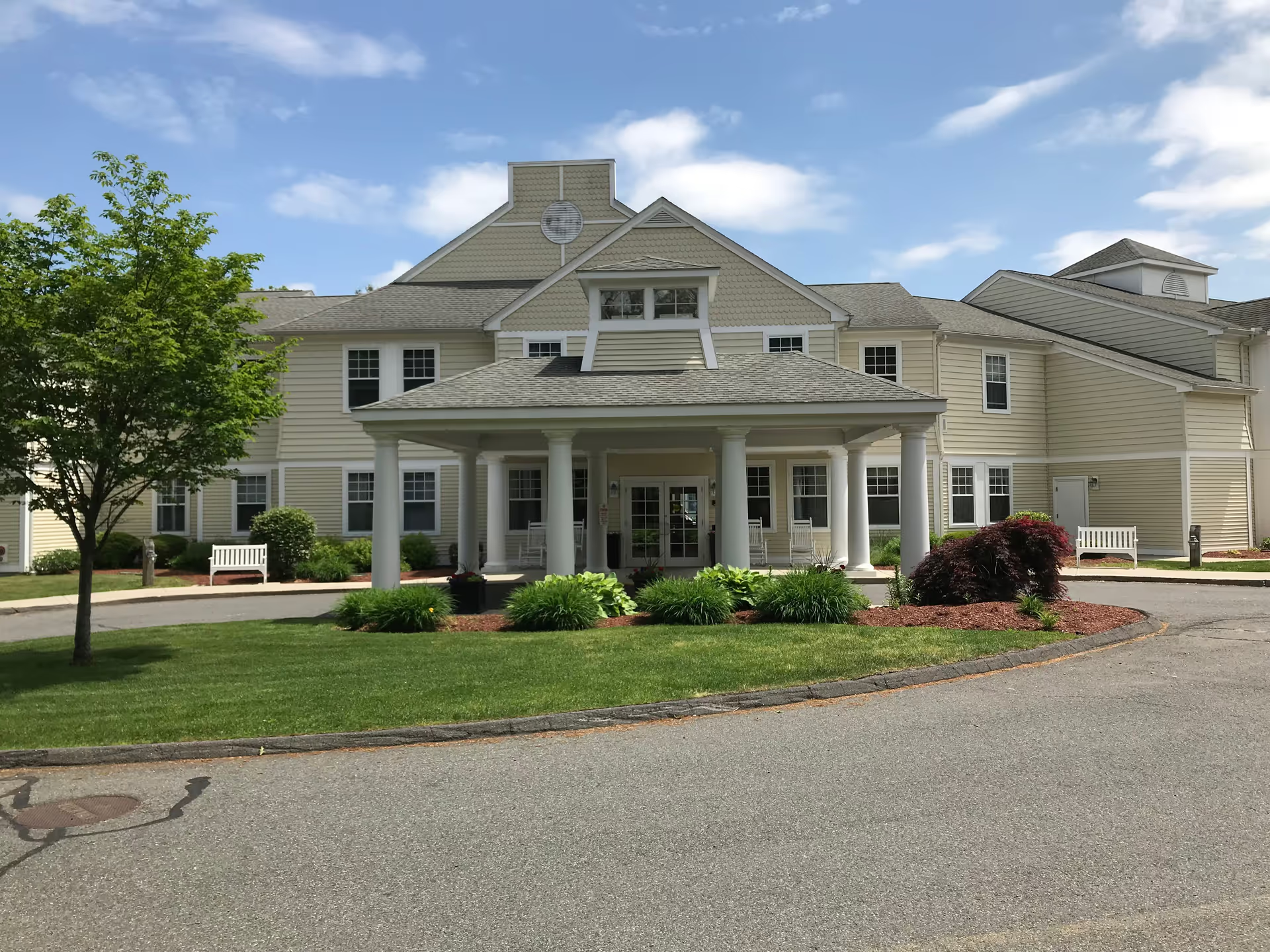
Facility condition and environment also vary by unit. Multiple reviewers describe worn furnishings and areas needing repair, and some characterize parts of the building as rundown. These maintenance issues, combined with staffing pressures, contributed to concerns about fall prevention and monitoring; reviewers noted incidents that suggest gaps in transfer and monitoring practices. At the same time, other areas and units are described as clean and well-kept, indicating uneven facility maintenance and housekeeping performance.
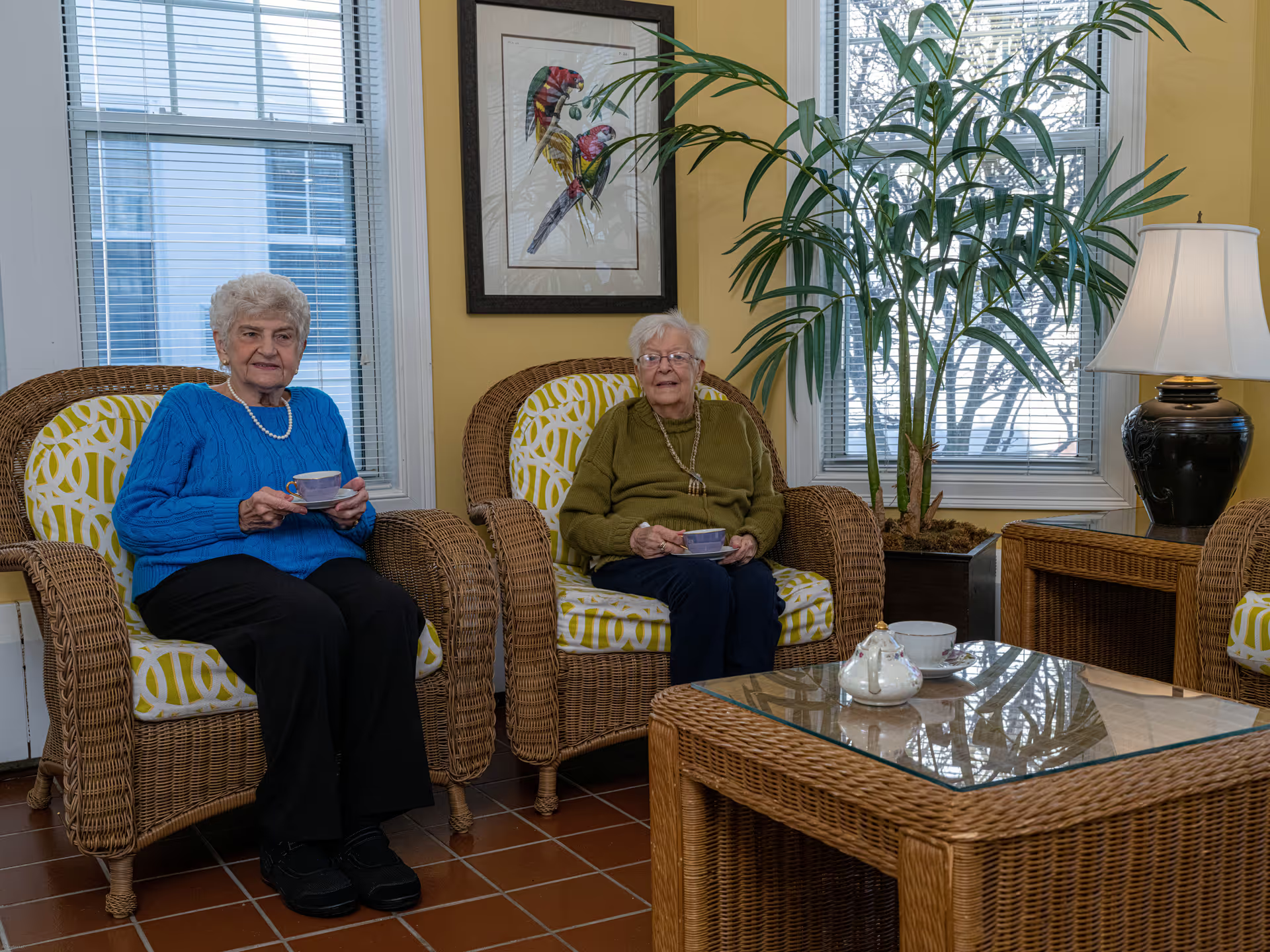
Dining and daily living services drew mixed feedback. While several reviews praised caring staff and the overall cleanliness of dining spaces, others found the menu bland or uninspired. Activities and social engagement receive positive marks overall, with families noting that staff make efforts to keep residents socially involved and emotionally supported.
Notably, there are isolated but serious allegations—including concerns about personal-property loss, roommate aggression, and family concerns following a resident's death—that some reviewers raised. These claims, while not uniformly reported, point to the importance of diligent supervision, transparent communication with families, and thorough incident investigation by leadership.
In sum, prospective residents and families will likely encounter competent and compassionate caregiving, particularly in therapy and nursing interactions, alongside operational shortcomings that can affect safety, communication, and comfort. Key decision factors should include unit-level visits at varied times (including nights), direct questions about staffing ratios, medication-order protocols, property-protection procedures, and examples of how administration addresses complaints and coordinates admissions and discharges. Where possible, ask for written plans describing clinical oversight, fall-prevention measures, and how the facility documents and resolves family concerns.