Reviewers describe a facility with meaningful strengths in direct care and engagement but persistent operational weaknesses that produce widely variable family experiences. Many accounts highlight compassionate nursing and CNA attention, hands-on therapy (including seven-day OT/PT coverage), and an active activities program that contributes positively to residents' mood and socialization. Families frequently praised responsive social-work and business-office staff, quick admissions when beds were needed, and a small, family-like atmosphere. Several individual staff members and departments (activities, therapy, kitchen, maintenance) received repeated positive mention for going above and beyond.
Care quality appears uneven. While numerous families report attentive, patient-focused caregiving, others describe inconsistent staff conduct and coverage gaps that affect day-to-day care. Patterns include understaffing on some shifts, variable medication-administration practices, and concerns about PPE and infection-control supplies. These operational weaknesses have implications for clinical reliability: delays in responses, missed or inconsistent medication processes, and limited staff continuity were recurring themes.
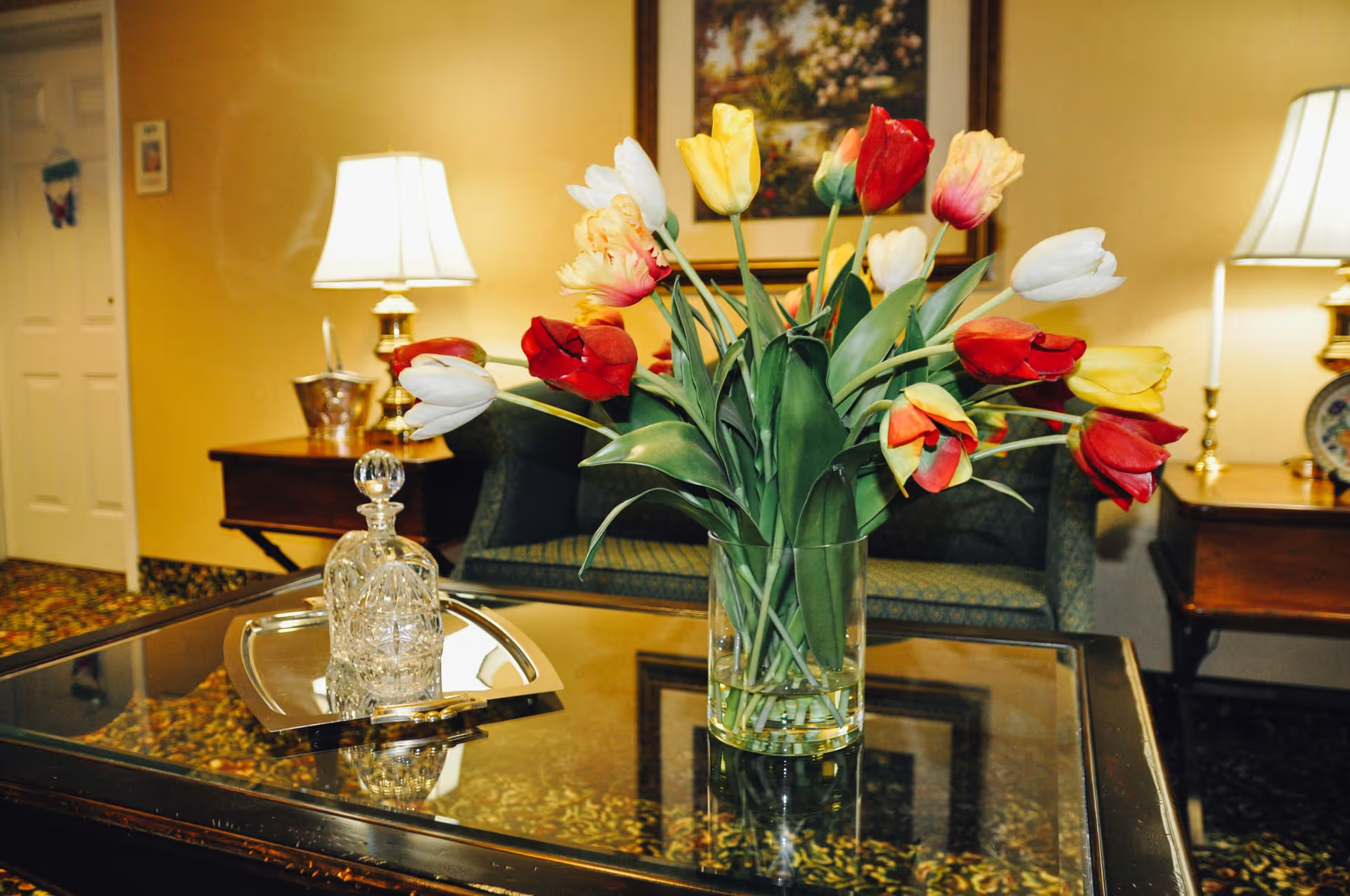
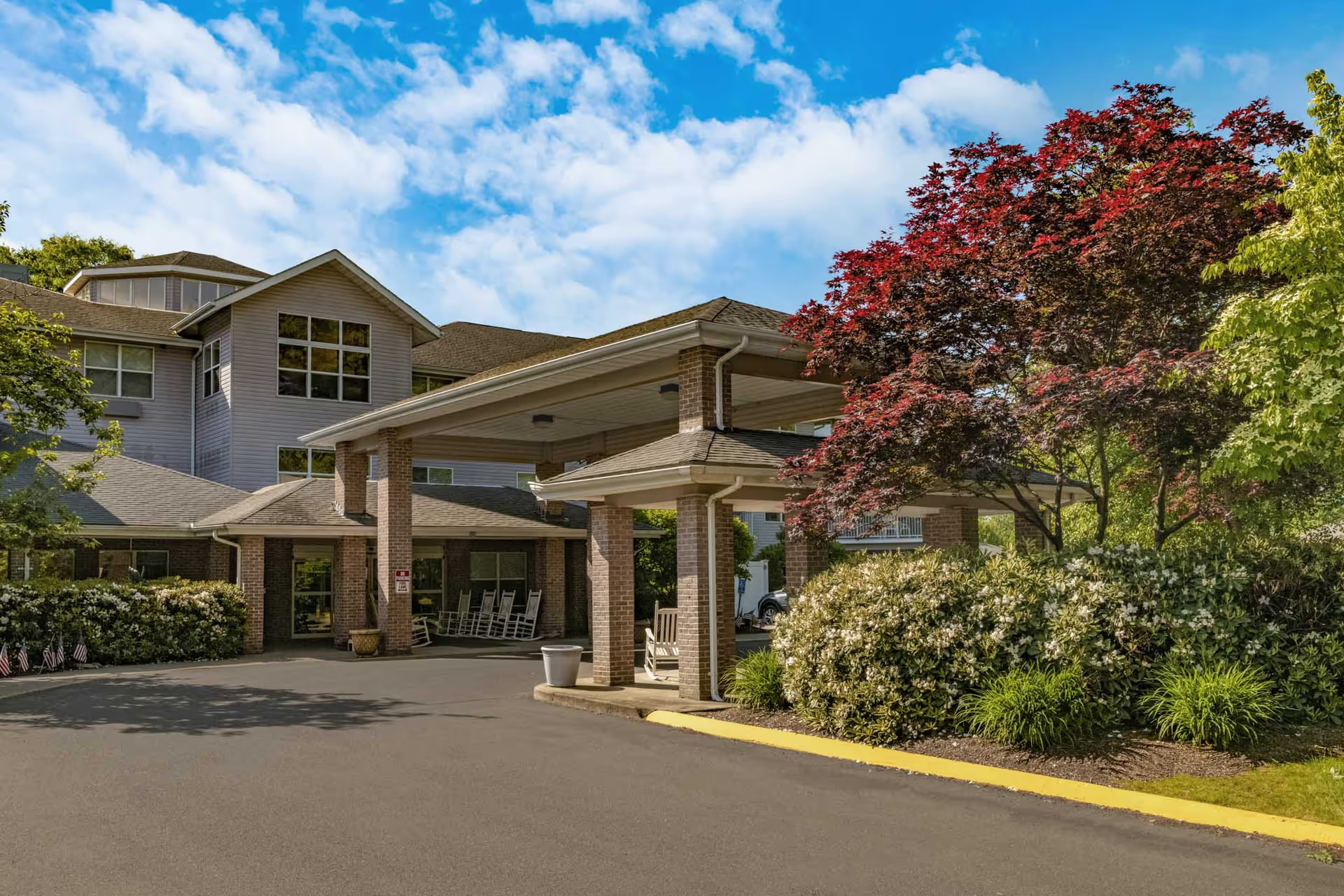
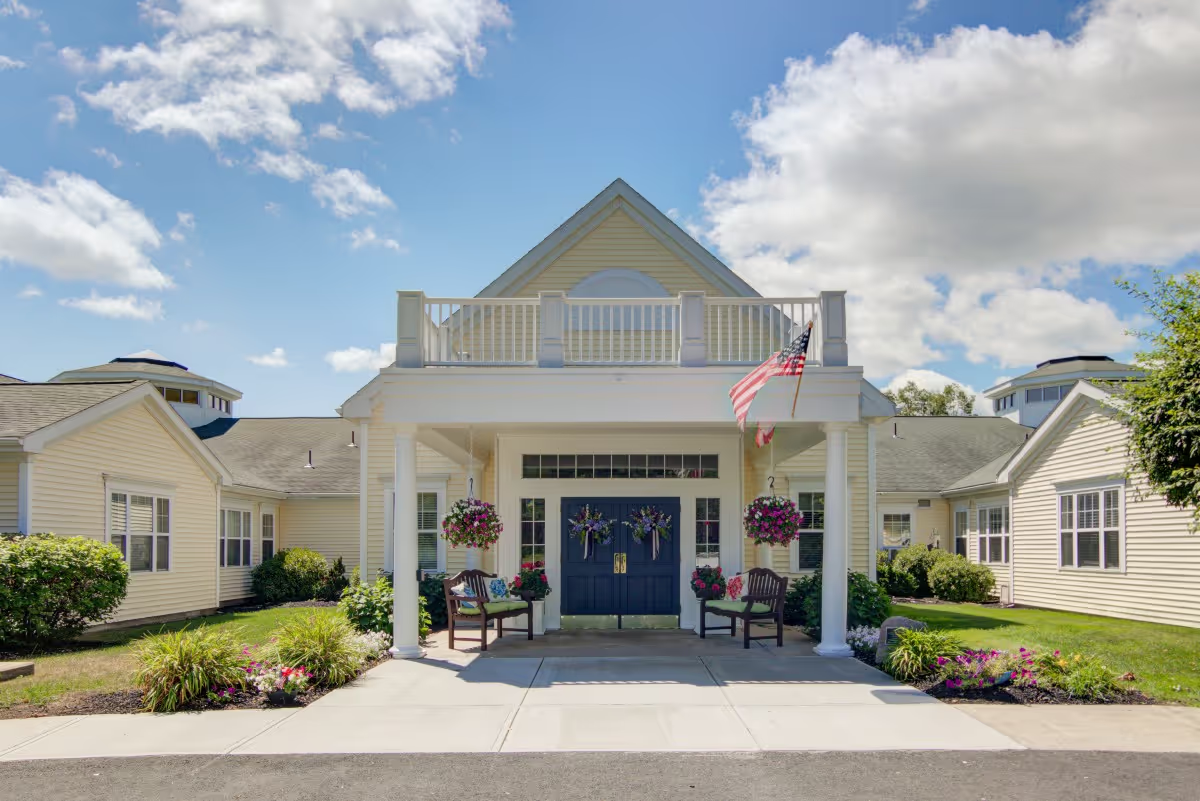
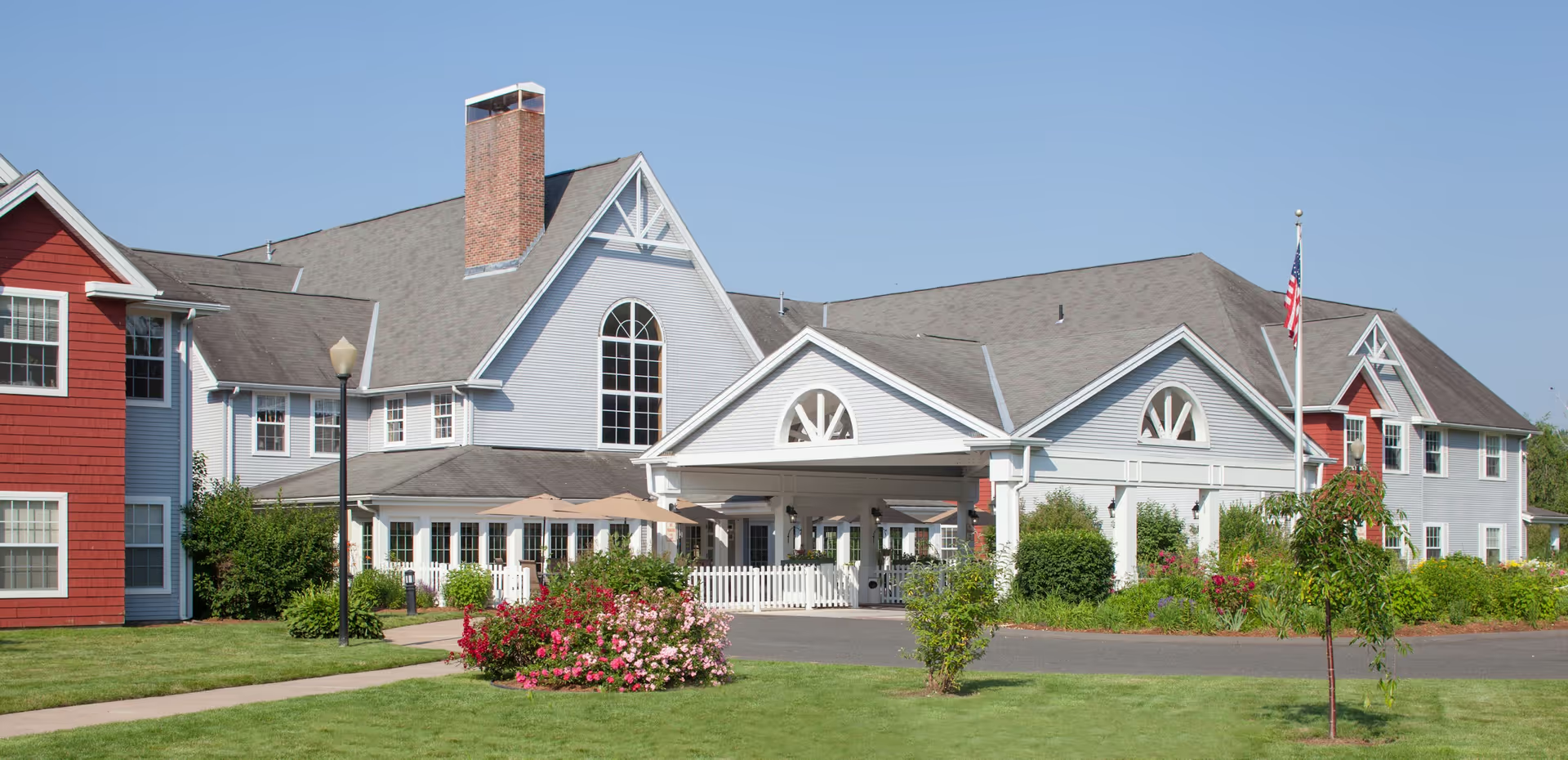
Dining, housekeeping, and ancillary services show a mixed picture. Some families found the facility clean and well-maintained with pleasant common areas and landscaping; others noted cleanliness and laundry-accountability gaps, missing clothing items, and variable room cleaning frequency. Dining quality was described as inconsistent—several accounts indicate reliance on processed or prepackaged ingredients and limited fresh-produce options, and there were isolated sanitation concerns in food handling. Therapy and activities programming were frequently praised for being engaging and motivating, including pet visits and special events, though participation and staff presence varied by shift.
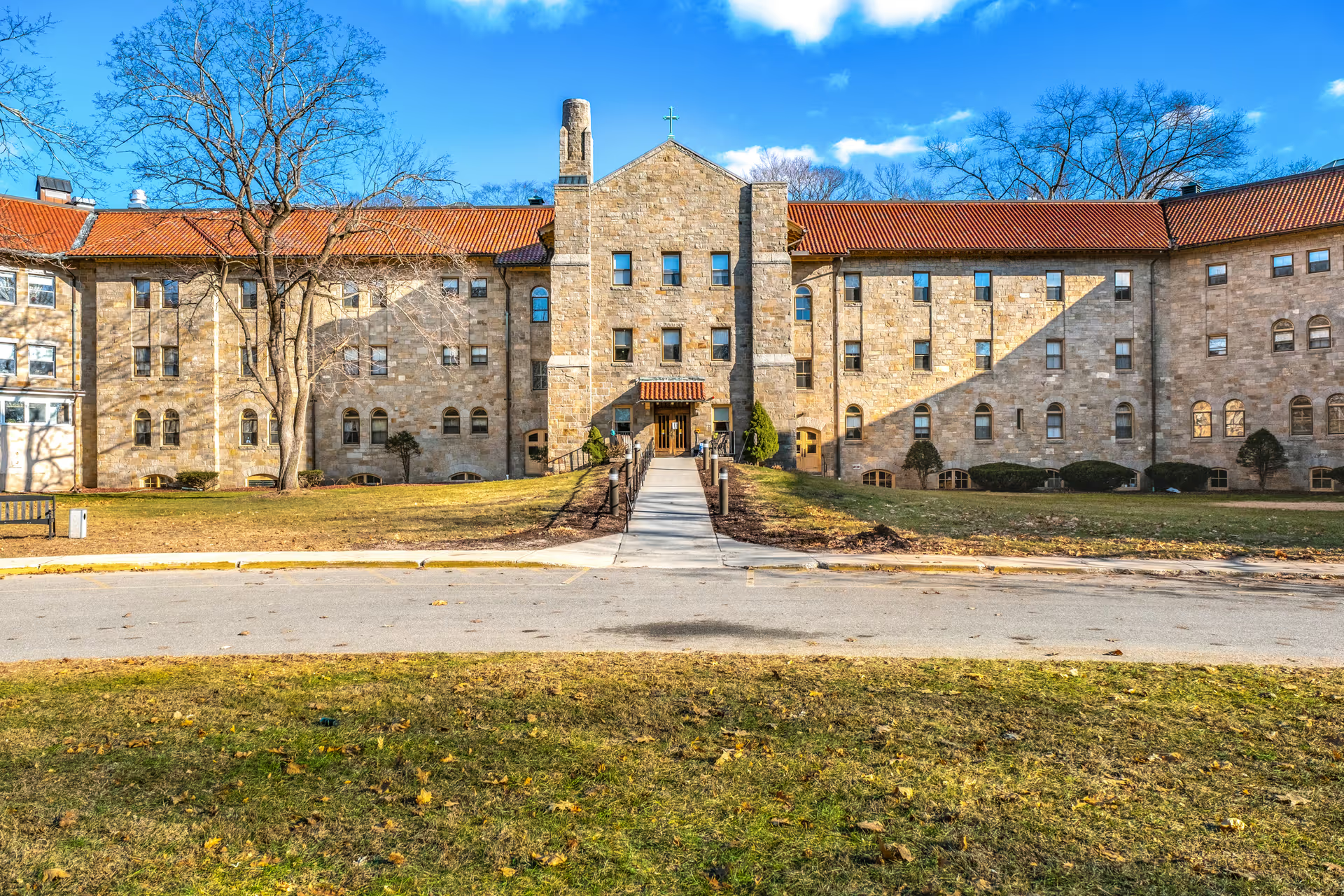
Facility infrastructure and safety maintenance are areas of concern. Multiple reviewers referenced an aging building with deferred maintenance and temporary fixes in therapy spaces. There are also noted lapses in clinical-equipment upkeep and safety-system maintenance that affected assistive devices and emergency systems. Security and front-desk staffing were described as inconsistent: some visitors found a secure check-in process, while others observed unattended entry points or an unused office area.
Management and leadership present a divided picture. Several families commended hands-on administrators and compassionate leadership during end-of-life situations; others described dysfunctional leadership, HR and policy gaps, and turnover among key clinical leaders. There are also serious, isolated claims about financial and managerial misconduct that have contributed to distrust among some families. Communication with families is uneven—many praised clear, supportive contact, while others experienced delayed phone responses or poor post-incident communication, including concerns following a resident's death.
Overall, Westfield Gardens offers tangible strengths in individualized caregiving, therapy, and activities, and it may suit families prioritizing a smaller, personable setting with active engagement. Prospective residents and families should weigh these strengths against recurring operational issues—staffing consistency, clinical-equipment maintenance, dining and housekeeping reliability, and leadership stability—and ask targeted questions during tours (staffing ratios by shift, medication-administration oversight, equipment-maintenance protocols, recent safety inspections, and laundry/accountability procedures). A focused conversation with management about these operational controls can help assess whether the facility’s current practices align with a family’s expectations for safety and consistency.