Overall impression: CareOne at Weymouth presents a mixed profile. The facility is frequently praised for its rehabilitation capabilities, attractive physical environment, and active programming, but reviewers consistently identify operational weaknesses that affect quality of care and family confidence. Strengths and weaknesses often coexist within the same stay, producing highly variable experiences across units and shifts.
Care quality: The rehabilitation teams (PT/OT/SLP) are repeatedly described as a major asset, with structured therapy schedules, motivated therapists, and measurable functional gains for many patients. Conversely, clinical care outside of rehab shows variability. Reviewers describe inconsistent nursing and aide performance, delays in responding to call lights, missed or late medication administration, and gaps in management of complex needs such as wound care, feeding-tube and PICC-line protocols. Several families recounted adverse clinical events and hospital transfers; these accounts indicate the importance of close monitoring, clear escalation pathways, and careful medication reconciliation during admissions and discharge.
Staff and conduct: Staff behavior is polarized. Numerous accounts praise individual nurses, CNAs, therapists, and administrators for compassion, responsiveness, and problem-solving. At the same time, persistent concerns exist about inattentive or abrupt staff interactions, language or training barriers for some aides, and inconsistent supervision. These human-resource issues appear linked to staffing shortages and variable training, with nights and weekends singled out as times of greater risk for delayed assistance.
Dining and activities: The facility offers an active programming calendar, outdoor gatherings, weekly barbecues, and virtual options that help family connection. Housekeeping and common-area upkeep receive favorable comments, and many residents benefit from the patio and garden spaces. Dining is a mixed area: an on-site dietitian and prepared meals are positives, but reviewers note cold meals, inconsistent food quality, and early wake-up routines that can disrupt rest.
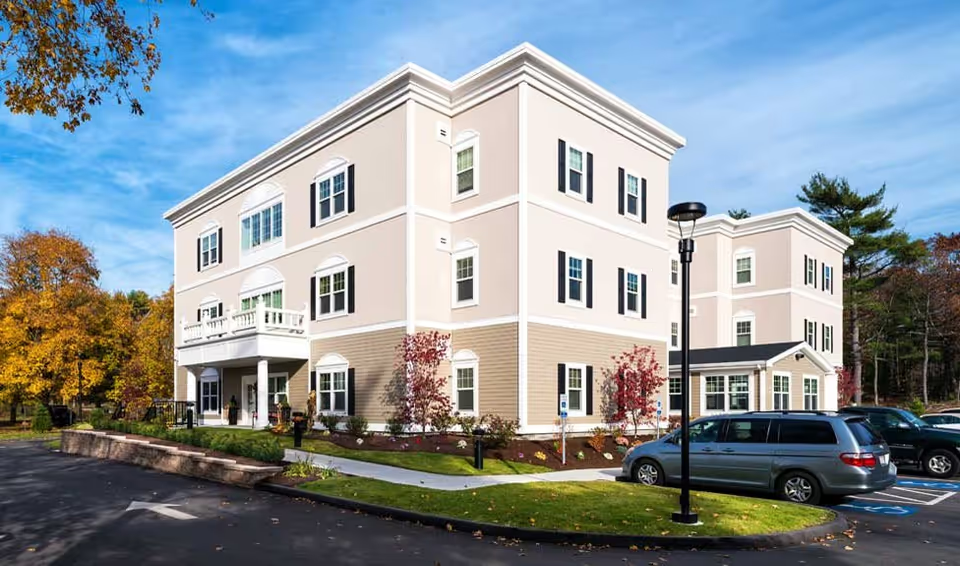
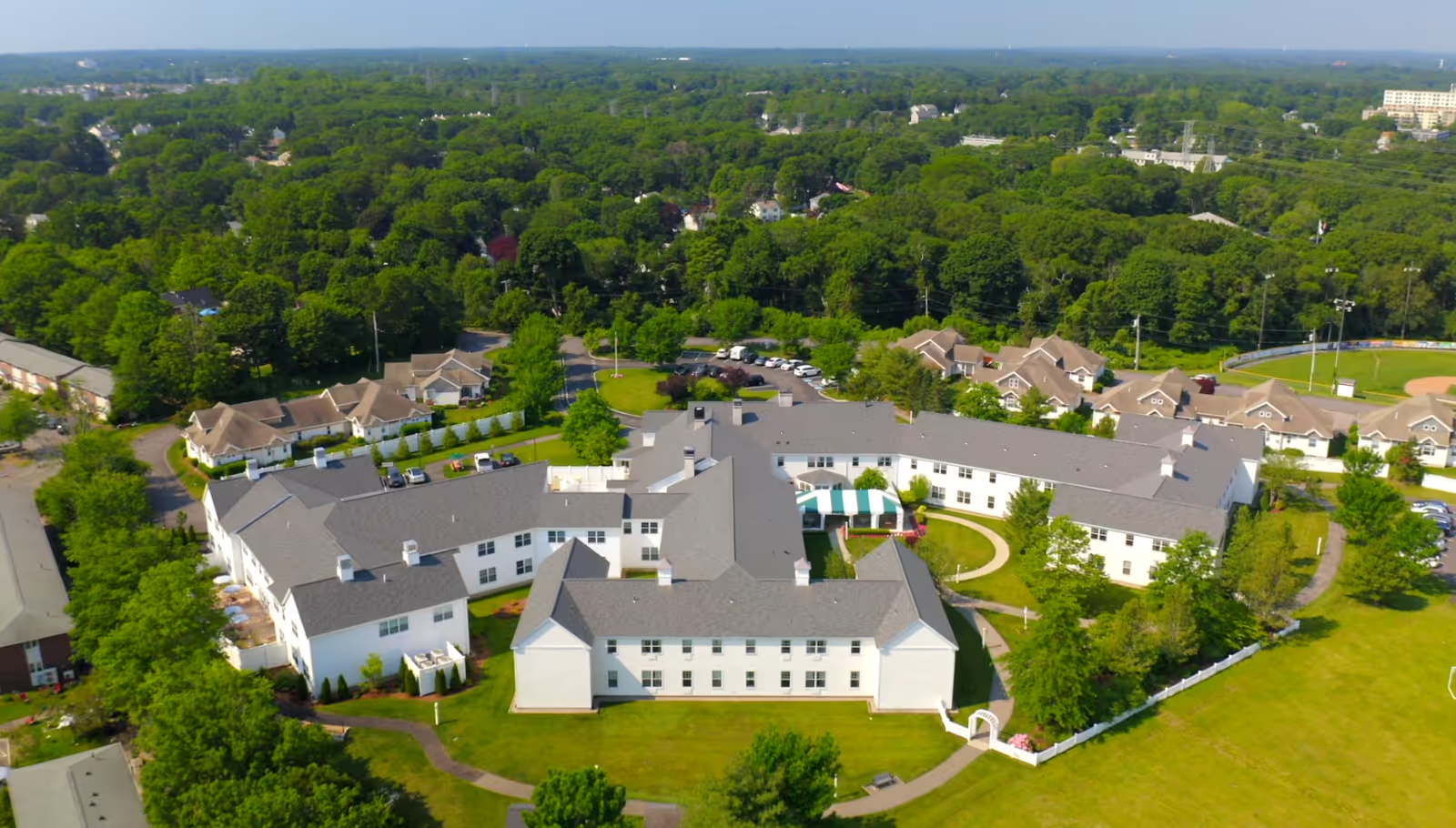
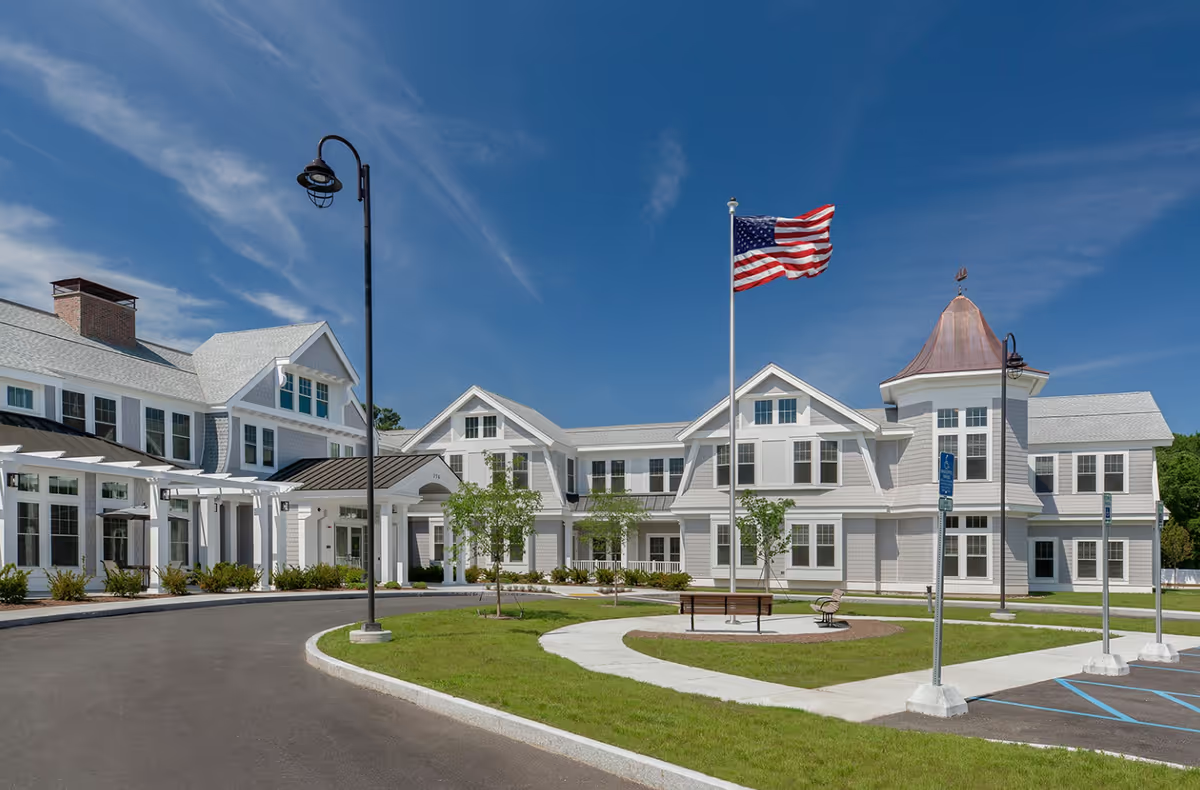
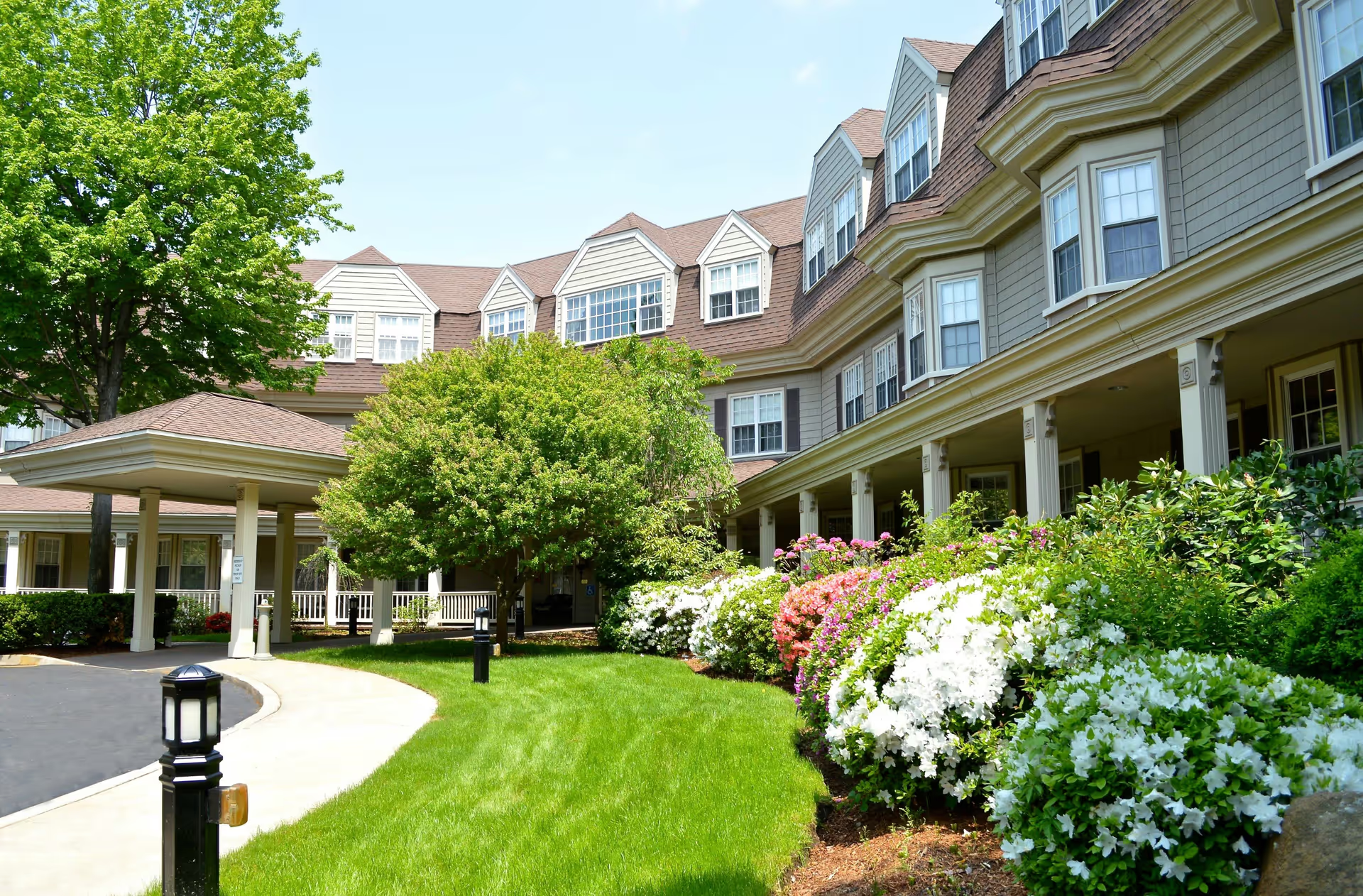
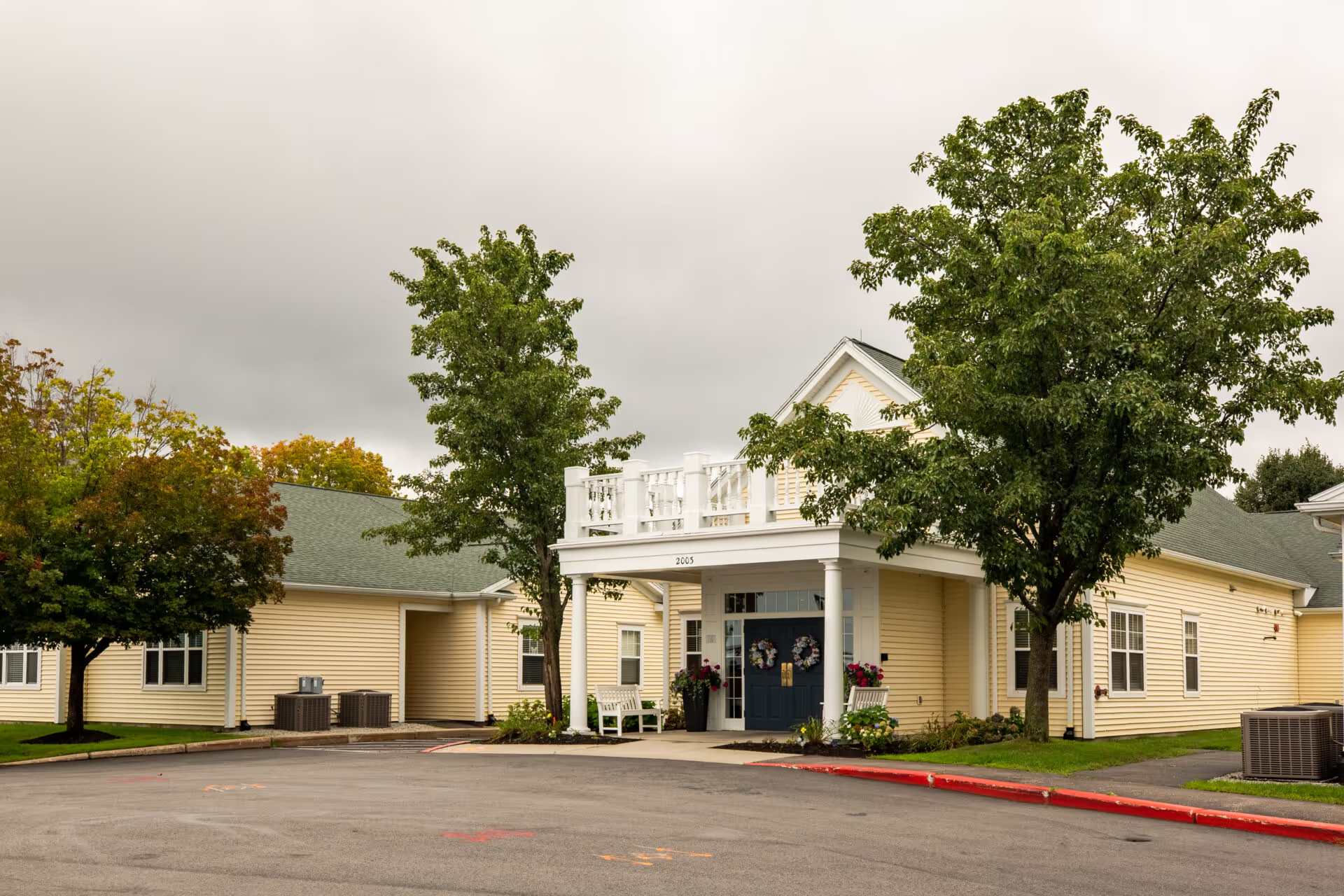
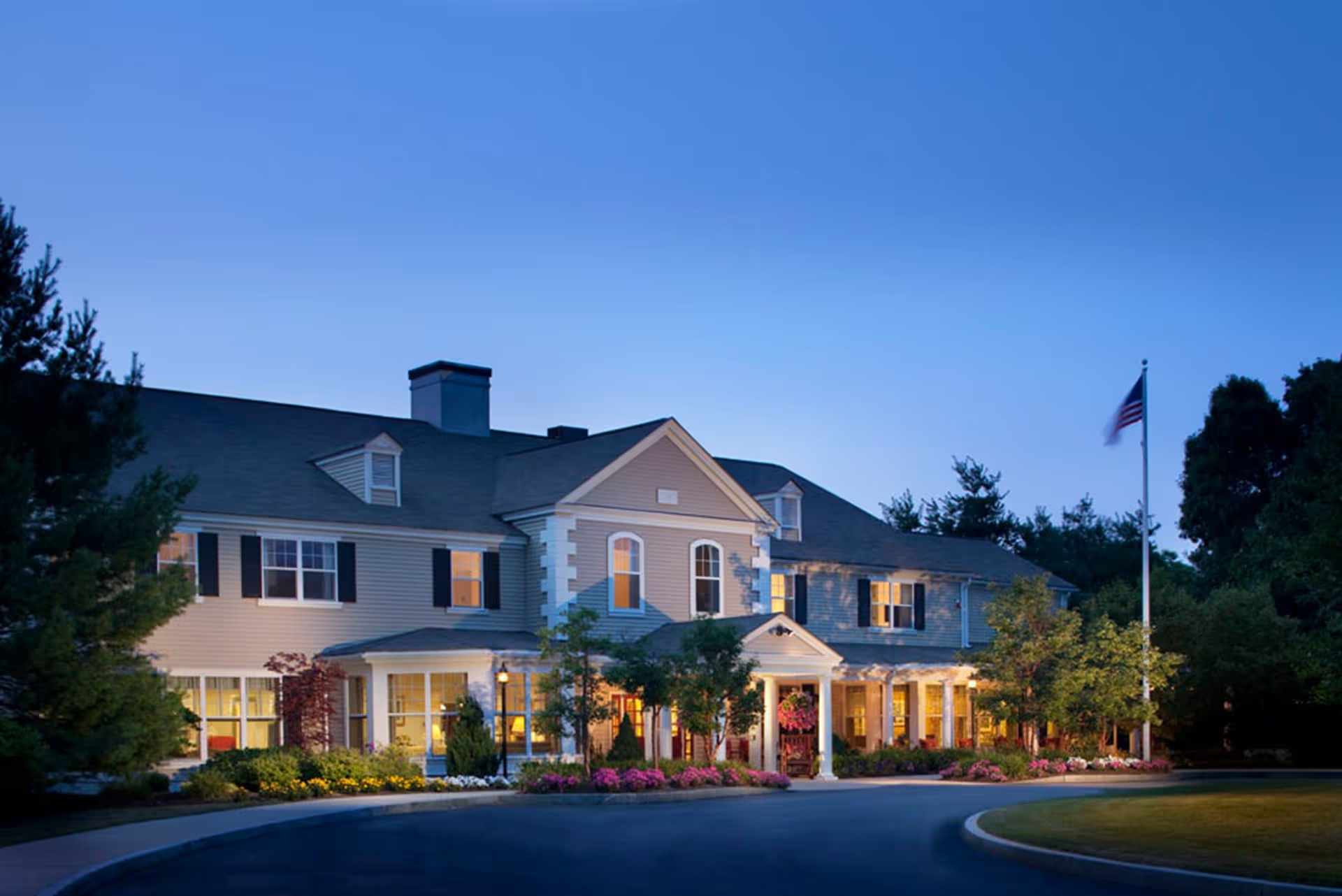
Facilities and equipment: The building, rooms, and outdoor areas are commonly described as clean, attractive, and well maintained. However, concerns about equipment handling, training, and security appear repeatedly: issues include improper lift training, delays in Hoyer-lift competency, missing or mishandled personalized equipment, and limitations in on-site suction or wound-management resources. Families should verify availability and staff competency for clinically complex equipment prior to admission.
Management and systems: Administrative responsiveness is mixed. Some families praised proactive case managers and an engaged executive director; others experienced administrative errors (incorrect emergency contacts or physician entries), billing confusion, and poor coordination of post-discharge services. Communication shortcomings are a prominent theme — incomplete or infrequent clinical updates to families, lack of timely notification about transfers or incidents, and inconsistent documentation in the care portal.
Notable patterns and recommendations for families: The strongest, most consistent positive is the facility’s rehabilitation program and some highly committed clinical staff. The most consistent concerns are related to staffing levels, medication and documentation processes, timeliness of assistance, and management of complex clinical needs. Prospective residents and families should assess current staffing patterns and clinical capabilities, confirm wound-care and line/feeding-tube competencies if applicable, clarify medication-reconciliation and escalation procedures, and establish expectations for family communication and equipment security before admission. Doing so can help align expectations with the facility’s demonstrated strengths and operational limitations.