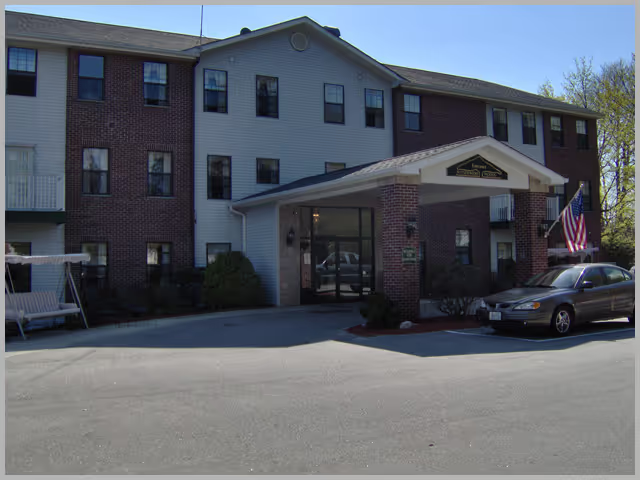
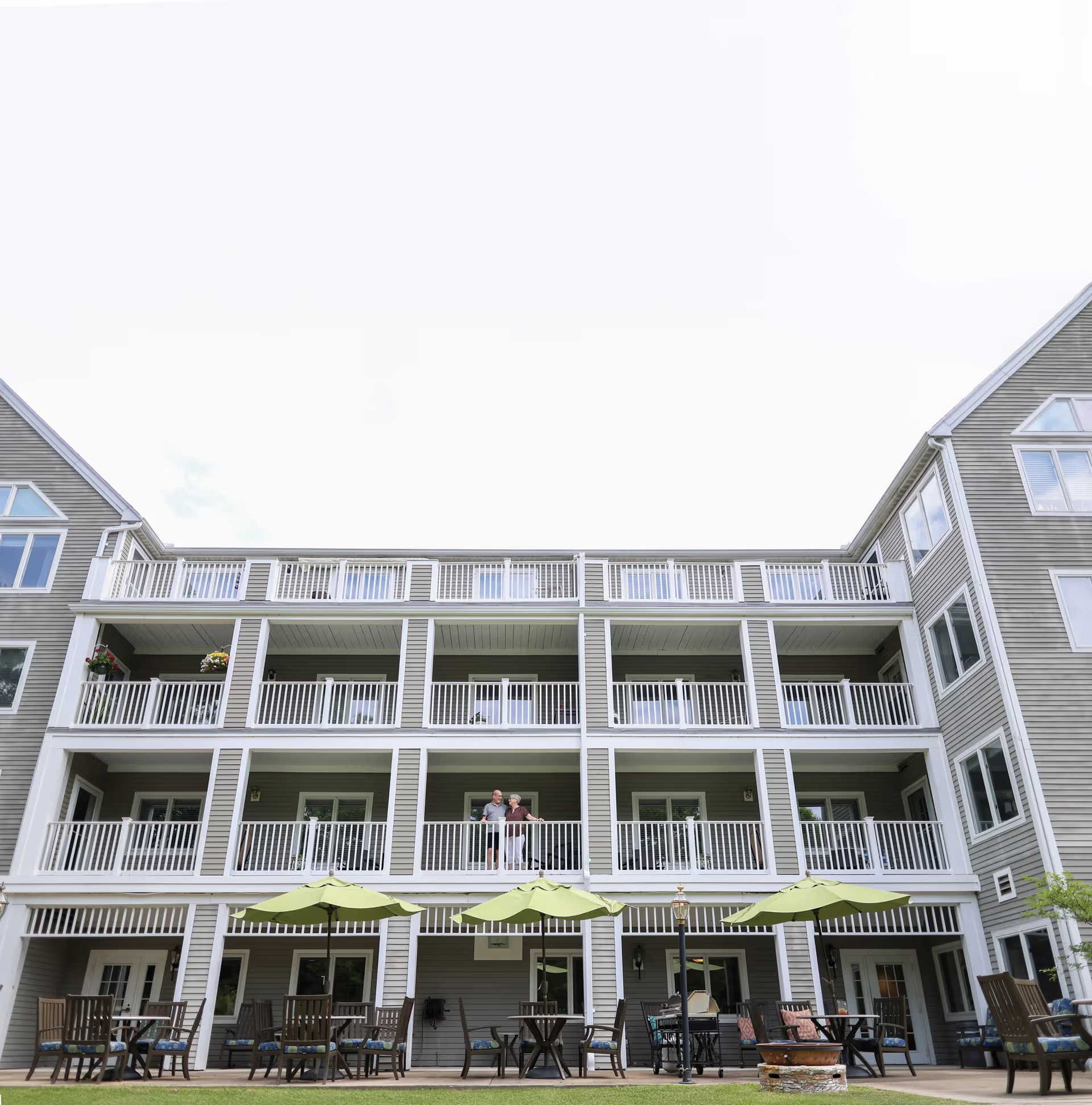
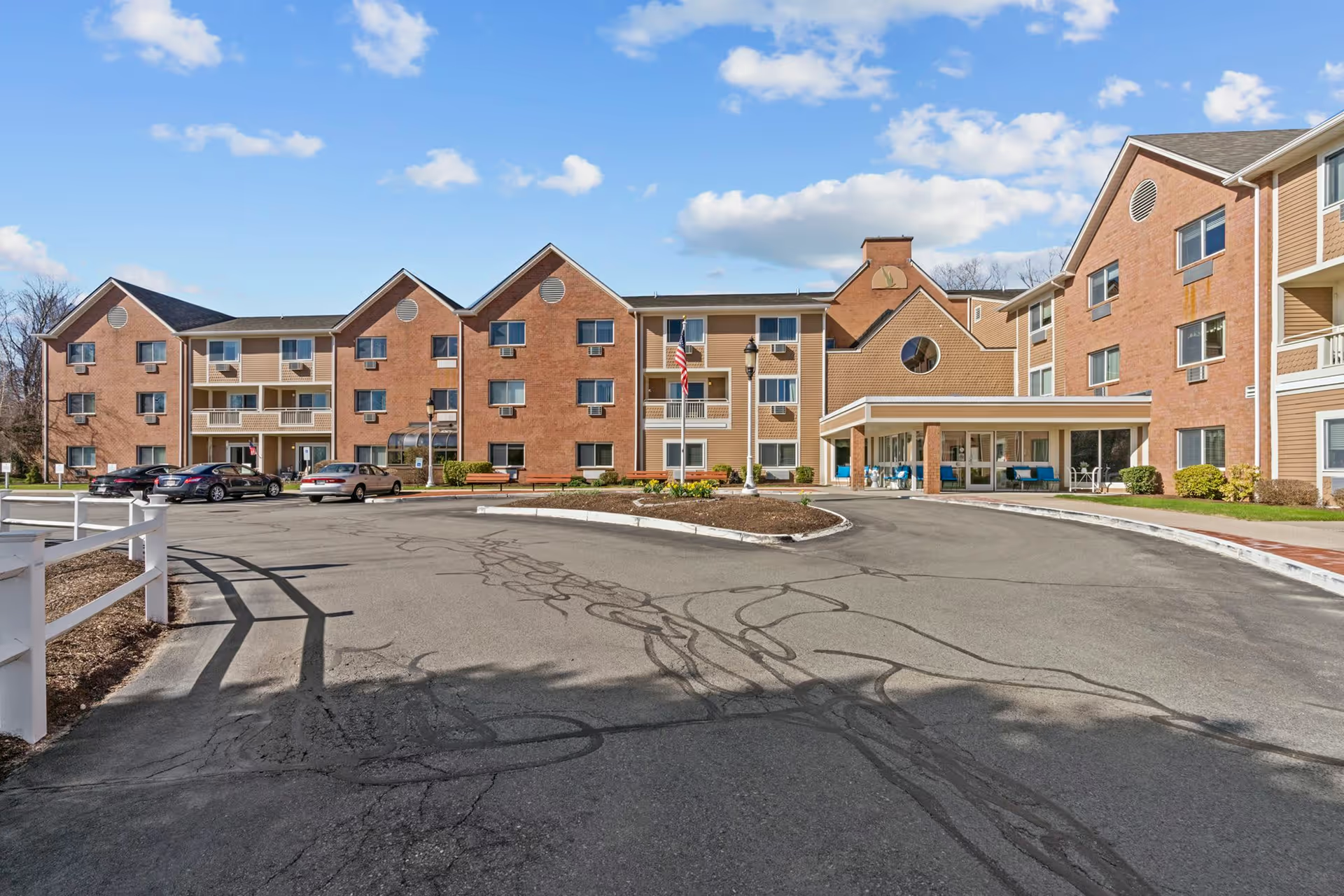
Reviews describe a facility with a clearly bifurcated profile: the short-term rehabilitation wing is frequently praised for cleanliness, strong PT/OT programs, attentive rehab nursing, and a recovery-focused environment, while other units—particularly the locked dementia/long-term care areas—are associated with lower and more variable levels of care. Many families highlight rapid functional gains during post-op or short-stay rehab, noting skilled therapists, encouragement toward independence, and staff who facilitate virtual family contact. The location, grounds, and opportunities for outdoor activity and social dining are commonly cited as strengths that support quality of life.
Staff-level impressions are mixed but specific. Numerous accounts commend individual nurses, CNAs, and aides as compassionate, hardworking, and willing to go beyond standard duties; examples include holding phones for video calls, attending to comfort needs, and participating actively in care-team meetings. At the same time, reviewers describe inconsistent staff conduct and occasional harsh interactions from certain administrative or social-work staff, front-desk personnel, and some nurses. Staffing shortages and workload pressures are a recurrent theme that reviewers connect to delayed responses to call bells, longer wait times for assistance, and variability in the regularity of walking and personal-care activities.
Clinical-safety and operational concerns appear repeatedly. Families describe gaps in medication processes, insulin handling, and catheter/infection follow-up that in some cases prompted hospital transfers, along with concerns following a resident's death cited in a few accounts. Infection-control events (including a COVID outbreak) and uneven communication during those episodes underscore inconsistent messaging to families. Related operational patterns include apparent payer-source influence on bed assignment and placement decisions, occasional pressure to discharge residents within short windows, and instances where an out-of-pocket aide was needed to meet baseline care expectations.
Dining, activities, and facility maintenance receive generally positive comments but with variability. Many reviews praise meal quality, clean linens, engaging arts/music programming, and well-kept interiors; others note small meal portions or perceived variability in meal service. Common areas such as day rooms are sometimes described as crowded. Overall sanitation and housekeeping are often rated positively on the rehab side, while cleanliness and environmental concerns are more mixed in other units.
Families considering this facility should weigh its strengths in post-acute rehabilitation, skilled therapy services, and some consistently caring frontline staff against patterns of inconsistency in long-term unit care, communication shortfalls, staffing strain, and operational decisions influenced by payer source. Prospective residents and decision-makers may benefit from confirming unit-specific staffing levels, medication-safety protocols, infection-control policies, and the facility’s placement criteria before admission, and from arranging direct contact with the unit team to assess responsiveness and fit for longer-term care needs.